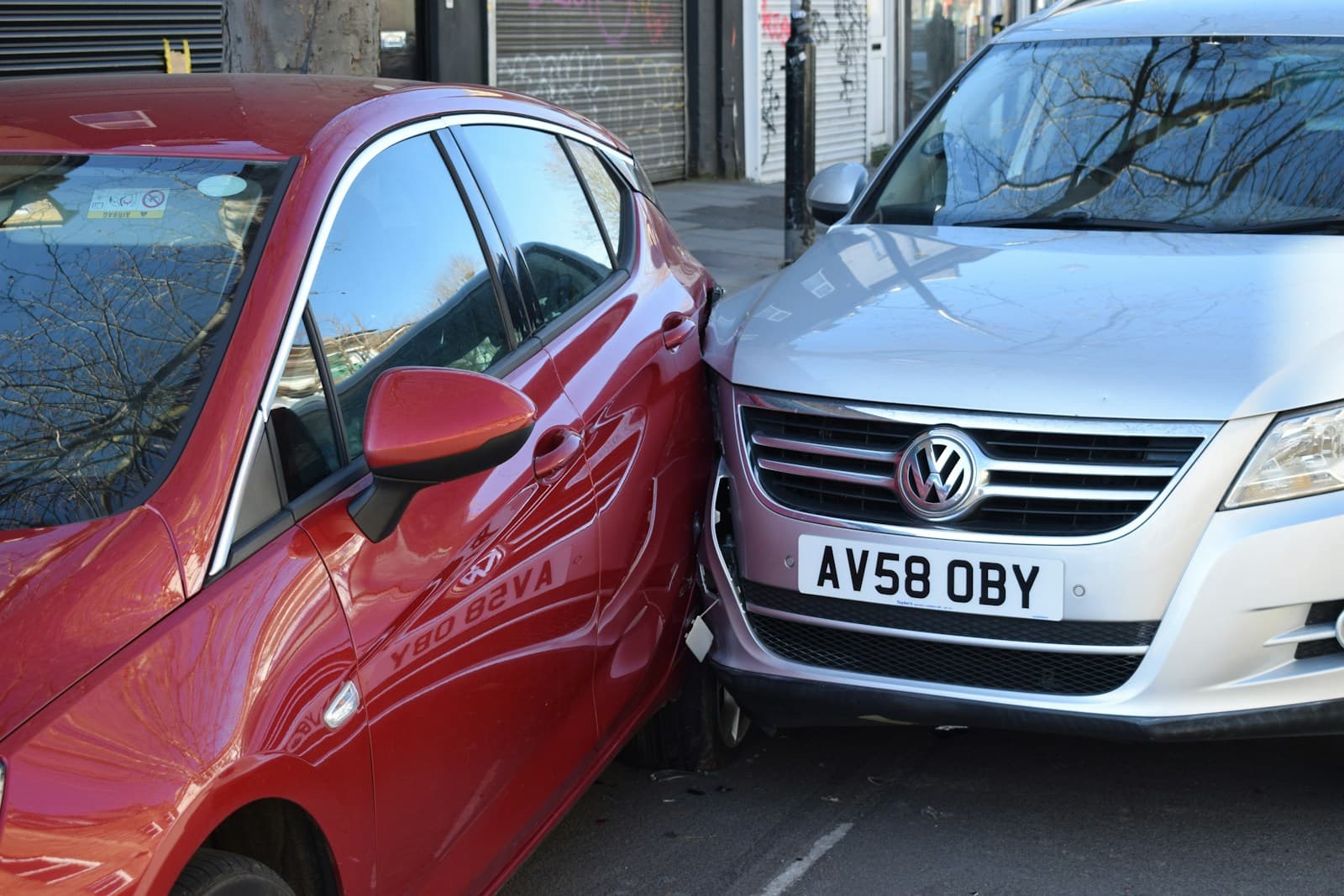
You're 30-90 days from full reinstatement after a New York conditional license. Here's what changes when your SR-22 ends, how to confirm your DMV clear date, and what to avoid that resets the clock.
Your SR-22 Filing Ends on Your Reinstatement Date, Not Your Conditional License Expiration
New York requires SR-22 filing for the full duration of your suspension plus any conditional license period — typically 3 years for a first DUI conviction. Your conditional license expires when the DMV-issued restriction period ends, but your SR-22 filing requirement continues until your official reinstatement date. These are two separate timelines.
Most drivers assume the conditional license expiration and SR-22 end date align. They don't. Your conditional license might expire 90 days before your SR-22 requirement ends, or your SR-22 might satisfy before your conditional license term completes. The DMV tracks both independently.
Check your DMV abstract 60-90 days before your expected reinstatement date. The abstract shows your official eligible-for-reinstatement date and current SR-22 filing status. If your SR-22 lapses even one day before reinstatement, New York resets your filing clock to zero and extends your suspension.
What Happens When Your SR-22 Requirement Ends
Your SR-22 filing terminates on your official reinstatement date, not the date you apply for reinstatement. Your carrier files an SR-26 with the DMV confirming continuous coverage for the required period. You receive no automatic notification from the DMV or your carrier when this happens.
Once your SR-22 requirement ends, you're no longer required to carry SR-22 endorsement on your policy. Your premium typically drops 10-25% within one billing cycle, depending on your carrier and claims history. Non-standard carriers like Bristol West, Progressive, GEICO, and State Farm automatically remove the SR-22 endorsement and recalculate your rate.
You must still carry liability coverage that meets New York's 25/50/10 minimums. The SR-22 requirement ends, but the underlying insurance mandate does not. Letting your policy lapse after SR-22 ends triggers a new suspension and starts a new SR-22 filing period.
Compare car insurance rates in your state
Get quotes from licensed carriers — no obligation, no spam, results in minutes.
Get Your Free Quote✓ No Obligation Required✓ Licensed Carriers Only✓ Available Nationwide✓ Free to Compare
Filing for Full Reinstatement: Timing and Fee Structure
Apply for full license reinstatement within 30 days of your eligibility date. New York charges a $50 reinstatement application fee plus any outstanding suspension termination fees — total cost typically runs $75-$125 depending on your violation history and whether you paid your civil penalty in full.
You must complete reinstatement before your conditional license expires. If your conditional license expires before you file for full reinstatement, you're driving without a valid license even if your SR-22 is satisfied. New York does not extend conditional licenses while reinstatement is pending.
Bring your DMV abstract, proof of SR-22 satisfaction (carrier letter or SR-26 confirmation), proof of completion for any court-mandated programs (DDP, VIP, IDRC), and payment for reinstatement fees. Most DMV offices process reinstatement applications same-day if all documentation is complete. If you're missing program completion certificates or your SR-22 shows a gap, reinstatement is denied and you leave without a valid license.
Carrier Options After SR-22: When to Shop and What Changes
Wait until your SR-22 requirement officially ends before shopping carriers. Most standard carriers (Allstate, Nationwide, Travelers, Liberty Mutual) won't quote you while an SR-22 is active, even if you're 30 days from satisfaction. Once the SR-26 is filed and your license is fully reinstated, standard carriers will quote you.
Your DUI or violation stays on your New York driving record for 15 years, but insurers typically only rate on the most recent 3-5 years. Expect rates 30-60% higher than a clean-record driver for the first 3 years post-reinstatement, dropping to 15-25% higher by year five if you maintain a clean record.
Stay with your current non-standard carrier through reinstatement if they carried you through your conditional license period. Switching carriers 30-60 days before reinstatement risks a gap in coverage if the new carrier delays processing or requires additional underwriting. Once reinstated, compare quotes from standard carriers and regional mutuals like Erie and Auto-Owners — both write post-reinstatement drivers in New York and often beat non-standard carrier rates by 20-40%.
Violation Consequences During the Final 90 Days
A single moving violation, insurance lapse, or restricted-hours violation during your final 90 days on a conditional license revokes the conditional privilege and extends your underlying suspension. New York treats conditional license violations as proof you're not rehabilitation-ready.
The DMV does not issue warnings. If you're pulled over for speeding, driving outside approved hours, or any violation of your conditional license terms, the officer confiscates your license on-site. Your suspension period resets, and you must reapply for a new conditional license after a 30-90 day waiting period depending on the violation type.
Your SR-22 filing period also extends when your conditional license is revoked. If you were 60 days from SR-22 satisfaction and your conditional license is revoked for an out-of-hours violation, your new SR-22 end date is recalculated from your new reinstatement eligibility date — typically adding 6-12 months to your original timeline.
What to Expect on Reinstatement Day
Bring your current conditional license, SR-22 satisfaction proof, program completion certificates, and reinstatement fee payment to your local DMV office. You'll surrender your conditional license and receive a temporary full license valid for 30 days while your permanent license is mailed.
Your driving record is not cleared at reinstatement. The DUI, suspension, and SR-22 filing history remain visible on your abstract for 15 years. Insurers, employers running MVR checks, and law enforcement see the full record. Reinstatement restores your driving privilege; it does not erase the underlying conviction.
Update your insurance carrier within 7 days of reinstatement. Most carriers automatically update your policy when the DMV processes your reinstatement, but confirm with your agent that your policy reflects full license status and SR-22 removal. If your carrier doesn't update your status, you're paying for SR-22 endorsement you no longer need.