Nebraska's work permit (formally called an Ignition Interlock Permit) allows driving only for employment, medical care, and court-ordered obligations. One unapproved detour can revoke your license and extend your underlying suspension.
Nebraska Work Permit Approved Destinations: Employment, Medical, Court-Ordered Only
Nebraska grants Ignition Interlock Permits (the state's work permit program) for three categories: employment, medical treatment, and court-ordered obligations. Your DMV approval letter specifies which categories apply to your permit and lists the approved addresses for each.
Employment covers your residence to workplace commute, work-required errands within your shift (delivery routes, client visits, job site transfers), and return home. Medical covers appointments at healthcare facilities, pharmacies for prescription pickup, and addiction treatment programs if court-ordered. Court-ordered covers probation appointments, DUI classes, IID service appointments, and court hearings related to your case.
The permit does not cover grocery shopping, childcare pickup, school attendance, visiting family, or any personal errand not explicitly approved. Nebraska statute 60-6,211.05 requires permit holders to carry documentation proving each trip's purpose during every drive.
How Nebraska Tracks Permit Compliance: IID Data Logs and Monthly Downloads
Your ignition interlock device logs every trip: start time, end time, GPS coordinates if your device includes location tracking, and all breath test results. Nebraska-approved IID vendors (Smart Start, Intoxalock, LifeSafer, Guardian Interlock) download this data every 30-60 days and submit compliance reports to the DMV.
DMV reviews trip patterns against your approved destination list. A Friday night trip starting at 11 p.m. when your approved shift ends at 5 p.m. triggers a compliance violation flag even if you passed the breath test. A Saturday trip to an address not on your approved list triggers the same flag.
Most permit holders discover violations during their next IID service appointment, when the vendor notifies them DMV has flagged non-compliant trips. By that point the violation report has already been filed. The permit holder receives a DMV notice 7-14 days later requiring a compliance hearing.
Compare car insurance rates in your state
Get quotes from licensed carriers — no obligation, no spam, results in minutes.
Get Your Free Quote✓ No Obligation Required✓ Licensed Carriers Only✓ Available Nationwide✓ Free to Compare
Approved Route Requirements and Employer Documentation Updates
Nebraska requires your employer to submit a signed Employment Verification Form listing your work address, shift hours, and required work-related destinations (client sites, delivery zones, job sites). This form becomes your route template.
If your employer changes your shift from 9-5 to 3-11, you must submit an updated verification form within 10 business days. If you transfer to a different work site, same requirement. If your job adds a new client requiring regular visits, same requirement. Driving the new route before DMV approves the updated documentation counts as an unapproved trip.
Freelancers and gig workers face the hardest compliance burden. DoorDash, Uber, Instacart, and similar platforms cannot provide fixed-route documentation, which means most county DMV offices deny permits for gig work. Some permit holders attempt to list the entire city as an approved zone; Nebraska DMV rejects applications that don't specify discrete addresses.
What Happens When You Drive Outside Approved Destinations
A single unapproved trip triggers a compliance violation. DMV schedules a hearing where you must explain the trip and provide evidence it fell within approved categories. If you cannot prove the trip qualified, DMV revokes your Ignition Interlock Permit immediately and adds 90 days to your underlying license revocation period.
Repeat violations or trips that suggest alcohol involvement (failed breath tests, late-night driving, bar or liquor store GPS coordinates) result in permanent permit denial and extension of your full revocation period by 6-12 months. Nebraska does not grant second chances on permit violations; the statute treats permit abuse as willful non-compliance with court orders.
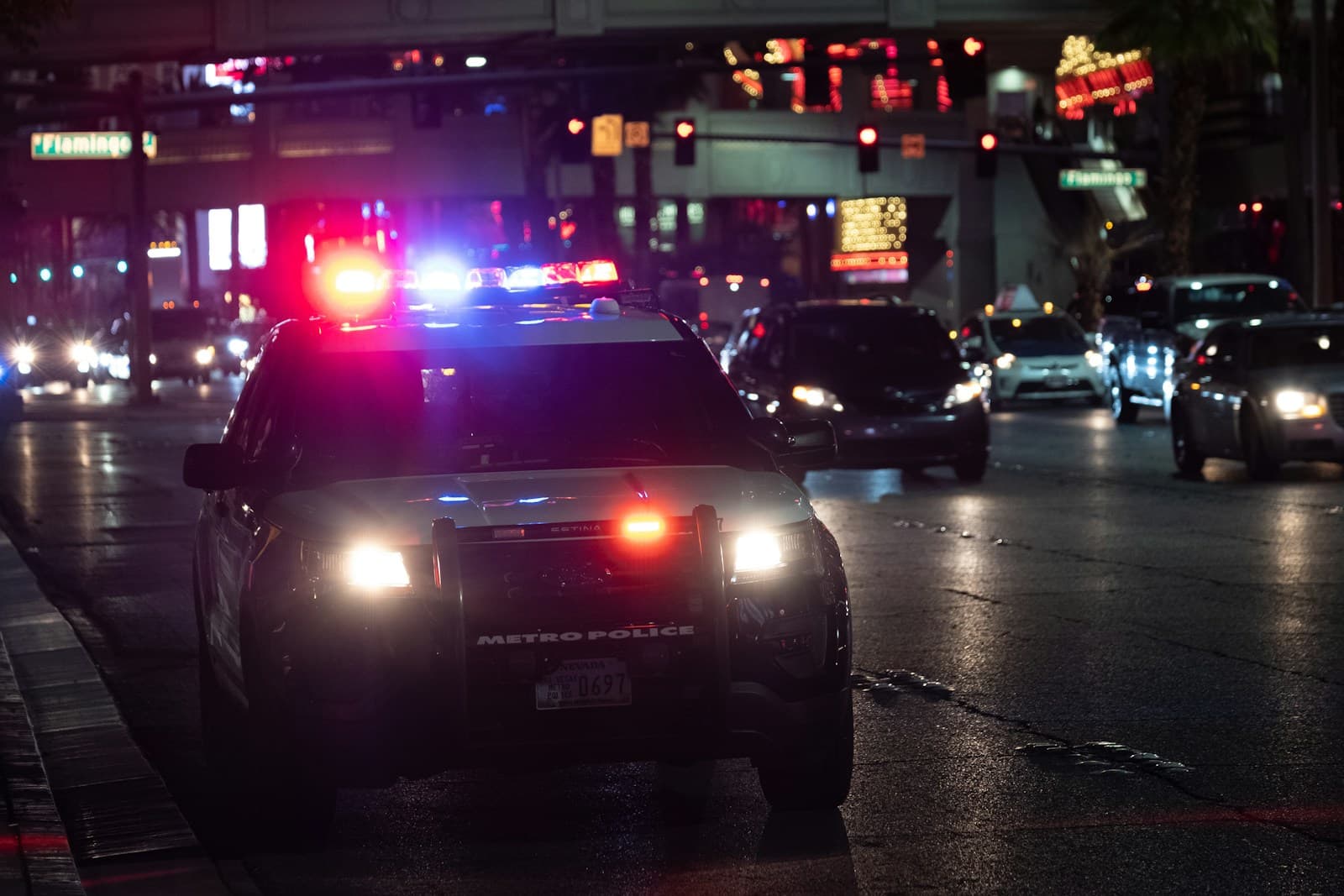
Traffic stops during unapproved trips compound the problem. If a trooper pulls you over Saturday afternoon and your approved destinations are work (Monday-Friday) and a medical clinic, you face both the DMV compliance violation and a separate criminal charge for driving under revocation. That charge carries up to 90 days jail time and a mandatory additional one-year revocation under Nebraska Revised Statute 60-6,196.
SR-22 Insurance Requirement for Nebraska Work Permits
Nebraska requires continuous SR-22 filing throughout your Ignition Interlock Permit period and for two years after your full license is reinstated. Your insurer must file the SR-22 certificate with Nebraska DMV before your permit application is approved.
SR-22 insurance for restricted license holders typically costs $140-$240 per month depending on your violation (DUI, refusal, multiple suspensions). Non-standard carriers that write Nebraska IID permit holders include Dairyland, Bristol West, GAINSCO, The General, and Direct Auto. Your policy must meet Nebraska's minimum liability limits: 25/50/25 ($25,000 bodily injury per person, $50,000 per accident, $25,000 property damage).
If your SR-22 policy lapses even one day, your insurer notifies DMV within 24 hours and your permit is automatically suspended. You must refile SR-22, pay a $125 reinstatement fee, and reapply for the permit. The lapse does not reset your two-year SR-22 clock; it extends it.
Cost Breakdown for Nebraska Work Permit and Compliance
Nebraska's Ignition Interlock Permit application fee is $100. IID installation runs $70-$150 depending on provider, with monthly monitoring and calibration fees of $75-$100. Mandatory DUI education program costs $400-$600. SR-22 insurance adds $1,680-$2,880 annually. License reinstatement after your full revocation period ends costs $125.
Total first-year cost typically ranges $3,500-$5,200 not including attorney fees if you hire representation for your permit hearing. Gig workers or drivers with variable employment face higher costs because route documentation updates require employer time and sometimes notarization, which some employers refuse to provide.
Low-income permit applicants can request IID cost reduction through Nebraska's Sobriety 24/7 program, which may subsidize up to 50% of device costs if you qualify based on household income. Application for subsidy must be filed with your initial permit application; retroactive cost relief is not available.
How to Document Emergency Trips and Route Deviations
Nebraska allows emergency deviations from approved routes if you can prove the trip qualified as a medical emergency or vehicle breakdown. You must document the emergency within 48 hours by submitting a written explanation to DMV with supporting evidence: hospital admission records, tow truck receipt, police report, or similar third-party verification.
Calling your probation officer or IID provider during the emergency does not satisfy the documentation requirement, but it creates a contemporaneous record that strengthens your case at the compliance hearing. Most permit holders who skip the 48-hour documentation deadline lose their permits even when the emergency was genuine.
Route deviations for non-emergency reasons (road closures, construction detours, wrong turns) do not qualify as violations if the deviation was brief and you returned to the approved route. IID data showing a 10-minute detour around a closed highway exit will not trigger a violation. A 45-minute detour to a residential address will.