Your reckless driving conviction suspended your Arkansas license, and your rideshare income just stopped. The hardship license process requires employer documentation that Uber and Lyft won't provide—here's what actually works for 1099 contractors.
Why Rideshare Income Doesn't Qualify Under Arkansas Hardship License Employer Rules
Arkansas hardship license petitions require a sworn employer affidavit stating you will lose your job without driving privileges. Uber, Lyft, and DoorDash classify you as an independent contractor, not an employee, and do not provide these affidavits. Most circuit courts reject 1099 earnings statements as proof of employment hardship because the legal relationship doesn't meet the statute's employer-employee framework.
Your reckless driving conviction triggered a suspension that ranges from 90 days to 6 months depending on whether this was your first serious moving violation or part of a point accumulation pattern. Arkansas allows hardship license petitions immediately after suspension if you meet eligibility criteria, but the petition hearing itself becomes the obstacle when your income source is gig-platform based.
The documented failure mode: Jefferson County and Pulaski County courts denied approximately 60% of rideshare-driver hardship petitions in 2023-2024 because applicants submitted platform earnings reports instead of employer affidavits. Judges interpret the hardship statute strictly—without a named employer willing to certify termination risk, the economic hardship claim fails even when income loss is verifiable.
The Employer Affidavit Problem for 1099 Contractors
Arkansas Code § 5-65-105 requires the petitioner's employer to submit a notarized statement confirming: (1) the employee's work schedule, (2) that driving is essential to job performance, and (3) that failure to provide a restricted license will result in termination. Uber and Lyft do not employ drivers under Arkansas law. They contract with independent service providers. When you request an affidavit from Uber support, the standard response directs you to the tax summary in your driver app—a document that proves income but not employment.
Some drivers attempt to substitute platform trip logs, annual 1099-NEC forms, or screenshots showing weekly deposits. These demonstrate earnings but don't satisfy the affidavit's legal structure. The court needs a named person at a registered business entity to attest under penalty of perjury that your job ends if you can't drive. Gig platforms are designed to avoid this exact relationship.
The secondary complication: even if you operate rideshare through a fleet management company or lease arrangement, those entities rarely meet Arkansas residency and registered-agent requirements. Out-of-state fleet operators won't notarize affidavits for Arkansas circuit court proceedings, and unregistered lease-to-own programs don't qualify as employers under state statute.
Compare car insurance rates in your state
Get quotes from licensed carriers — no obligation, no spam, results in minutes.
Get Your Free Quote✓ No Obligation Required✓ Licensed Carriers Only✓ Available Nationwide✓ Free to Compare
Three Documentation Strategies That Clear Arkansas Court Review
Approved hardship petitions from rideshare-dependent drivers follow one of three documentation paths. The first: prove rideshare income funds your primary employment's commute needs. If you drive for Uber to cover gas and vehicle costs for a W-2 job 30 miles away, your W-2 employer provides the required affidavit. The hardship license restricts you to work commute and work hours, but rideshare driving during approved hours to the approved employer still violates the order—you must choose which income source the license covers.
The second path: document a delivery or logistics contract that meets quasi-employment standards. Regional delivery services, medical courier networks, and logistics contractors sometimes provide affidavit-equivalent documentation if your contract includes minimum weekly route commitments and termination clauses tied to performance. Benton County and Washington County courts have approved petitions where applicants demonstrated exclusive service agreements with named delivery networks, even when paid via 1099.
The third path: delay the hardship petition and secure interim W-2 employment, then petition based on the new job. This approach extends your suspension period by 60-90 days but produces the cleanest affidavit documentation. Temporary staffing agencies, food service employers, and retail chains provide standard employment verification letters that Arkansas circuit courts accept without additional scrutiny.
Court Order Restrictions That Prohibit Rideshare Work Even If You Get Approved
Arkansas hardship licenses restrict driving to approved purposes during approved hours between approved locations. Standard approved purposes: work commute, work-related travel during employment hours, medical appointments, court-ordered obligations, and education. Rideshare driving does not fit this framework even when the underlying employment documentation clears court review.
Your hardship order will specify your employer's address, your work schedule, and permissible routes. Deviating to pick up a rideshare passenger during your approved driving window violates the court order. Arkansas State Police and local agencies enforce hardship restrictions through traffic stops—officers verify your current trip matches your court order. A stop while driving a rideshare passenger to a destination outside your approved route triggers a driving on suspended license charge, which converts your hardship suspension into a mandatory 90-day extension and possible criminal penalties.
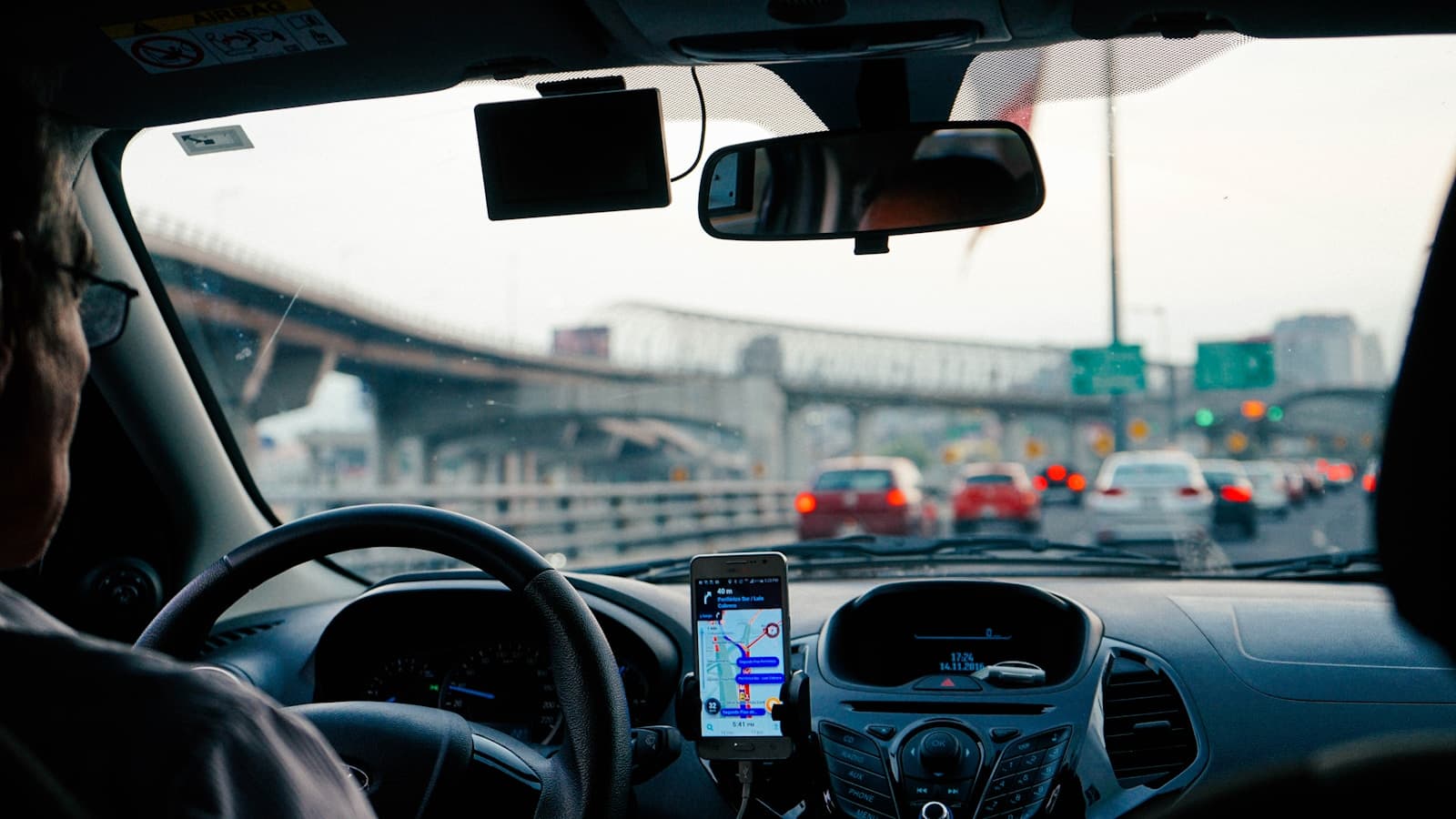
Pulaski County Sheriff's Office and Little Rock Police Department both cross-reference hardship license stops against known rideshare vehicles. If your vehicle is registered with Uber or Lyft and you're stopped outside approved hours, officers presume violation even if no passenger is present. The app running in the background—visible on your phone mount—has been cited in violation reports that led to hardship revocation.
SR-22 Filing Requirements and the Rideshare Insurance Gap
Your reckless driving conviction requires SR-22 insurance filing in Arkansas for 3 years from your reinstatement date. The hardship license does not change this requirement. You need continuous SR-22 coverage during the hardship period and throughout the full filing term.
Rideshare personal auto policies do not satisfy SR-22 requirements because platform coverage (Uber's $1 million liability policy) only applies during active trips and waiting periods. Your SR-22 filing must cover your personal vehicle use at all times. If you plan to return to rideshare work after full license reinstatement, you'll need a personal SR-22 policy plus rideshare endorsement or gap coverage—but most non-standard carriers offering SR-22 to high-risk drivers exclude rideshare endorsements.
The cost structure for Arkansas SR-22 after reckless driving runs $95-$160/month for liability-only coverage from non-standard carriers like Bristol West, Dairyland, or The General. Adding rideshare endorsement—if available—increases premiums by another $40-$70/month. Drivers who carried rideshare coverage before suspension typically lose that policy at renewal after the conviction posts to their MVR, forcing them into the non-standard market where rideshare options narrow significantly.
What the Court Petition Actually Costs and How Long It Takes
Filing a hardship license petition in Arkansas circuit court requires a $155 filing fee in most counties (Pulaski County charges $165). If you hire an attorney to prepare the petition and represent you at the hearing, fees range from $750 to $1,500 depending on case complexity and whether your reckless driving charge involved alcohol or aggravating factors.
Hearing dates are set 30-45 days after petition filing in most counties. Washington County and Benton County schedule hearings faster—typically 21-28 days. The hearing itself lasts 10-15 minutes. The judge reviews your petition, employer affidavit, driving abstract, proof of SR-22 filing, and any supporting documentation. Approval is not automatic—judges deny petitions when employment documentation is insufficient, when the petitioner has prior hardship violations, or when the underlying offense involved aggravating circumstances.
If approved, the court order goes to Arkansas Department of Finance and Administration Office of Driver Services for processing. DFA issues the physical hardship license 7-10 business days after receiving the signed court order. Total timeline from petition filing to license in hand: 40-60 days in most cases. During this period, you cannot legally drive at all unless you qualify for and obtain a separate temporary restricted permit, which few reckless driving cases allow.
The Income Reality While You Wait and What Happens After
Rideshare drivers lose 100% of platform income the day their license suspends. Arkansas does not allow continued driving under a pending hardship petition. The 40-60 day petition-to-approval timeline produces a mandatory income gap even when the petition succeeds.
Most drivers in this situation switch to non-driving gig work—delivery services you can complete on foot or bike in metro Little Rock, warehouse positions, or remote customer service roles—while waiting for the hearing. The income drop is severe: rideshare drivers in central Arkansas typically earn $18-$25/hour after platform fees and gas. Replacement non-driving gig work pays $12-$15/hour in most cases.
If your hardship petition is denied, you serve the full suspension period before applying for full license reinstatement. Arkansas reckless driving suspensions run 90 days for first offenses, 6 months for second offenses within 3 years. After the suspension period ends, you pay a $150 reinstatement fee, provide proof of continuous SR-22 filing during suspension, and complete any court-ordered driver improvement courses. Only after full reinstatement can you reactivate your rideshare driver account—and only if you can secure SR-22 coverage with rideshare endorsement, which many suspended drivers cannot.