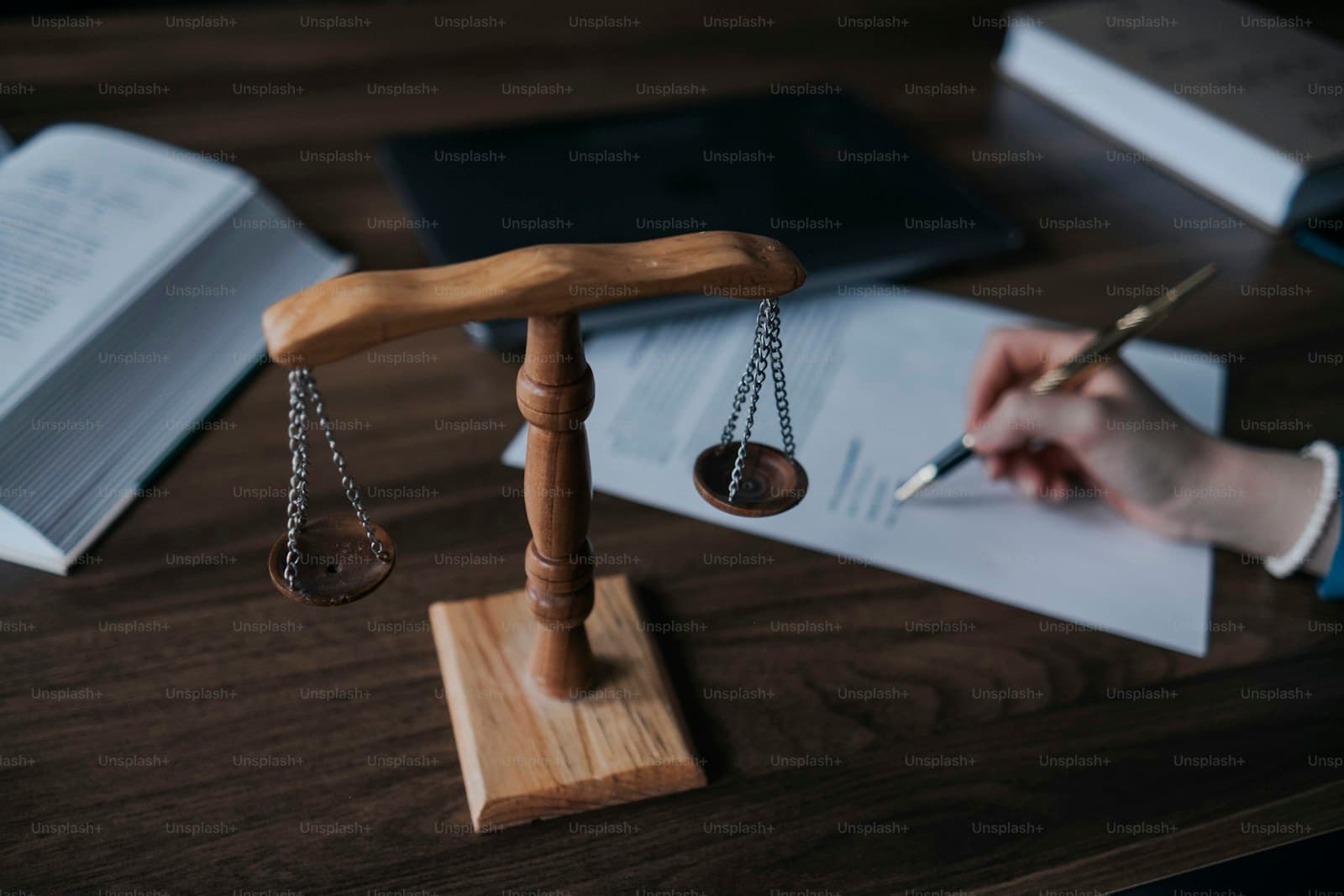
Texas hardship hearings require attorney representation in most counties. Flat-fee packages typically run $750–$1,500 depending on case complexity and whether you've had prior denials.
What Flat-Fee Hardship License Representation Costs in Texas
Flat-fee attorney packages for Texas hardship license hearings typically range from $750 to $1,500. The fee covers hearing preparation, evidence filing, court appearance, and post-hearing DMV coordination. First-time DUI cases with clean employment records and IID compliance usually fall at the lower end. Multiple violations, prior hearing denials, or child support issues push cost toward the upper range.
Most Texas attorneys structure hardship representation as flat fees rather than hourly billing because hearing outcomes are binary — you get the license or you don't. Hourly billing creates unpredictable costs for clients already managing SR-22 premiums, IID monthly fees, and reinstatement costs. Flat fees let you budget the full cost upfront.
Some attorneys include SR-22 filing verification and DPS coordination in the package. Others charge separately for post-hearing reinstatement steps. Confirm what the flat fee covers before retaining counsel — particularly whether follow-up hearings after a denial require additional payment.
What the Flat Fee Includes and What It Doesn't
Standard flat-fee packages cover initial consultation, evidence gathering, employer documentation review, court filing, hearing attendance, and judge questioning. The attorney presents your case, cross-examines any opposition testimony, and argues compliance with Texas Transportation Code requirements for essential need.
Most packages do not include DMV reinstatement fees, SR-22 filing costs, or IID installation. Those are separate line items. If your case requires expert witness testimony — for example, a vocational expert to prove job loss risk — that typically adds $500 to $800. If the judge continues the hearing and requires additional documentation, some attorneys charge for the second appearance. Clarify continuation fees during your initial consultation.
Post-hearing tasks vary by attorney. Some walk you through the DPS restricted license issuance process as part of the flat fee. Others provide the signed court order and consider their work complete. If you've never navigated DPS reinstatement, confirm whether post-hearing guidance is included.
Compare car insurance rates in your state
Get quotes from licensed carriers — no obligation, no spam, results in minutes.
Get Your Free Quote✓ No Obligation Required✓ Licensed Carriers Only✓ Available Nationwide✓ Free to Compare
How County and Case Complexity Affect Attorney Pricing
Harris County and Dallas County hearings typically cost more than rural jurisdictions because attorneys handle higher caseloads and judges impose stricter documentation standards. A first-time DUI hardship case in Travis County might run $900 flat. The same case in a rural county with a monthly docket might cost $750 because the attorney faces less competition for court time.
Case complexity drives cost more than geography. Multiple DUI convictions, prior hardship denials, or suspended license violations during your suspension period add evidentiary burden. Judges scrutinize repeat offenders for genuine rehabilitation signals — IID compliance logs, completed DUI education, employer letters attesting to reliability. Building that case file takes more attorney time, which increases the flat fee.
Child support delinquency suspensions require family court coordination that DUI cases don't. If your suspension stems from unpaid support rather than a traffic violation, expect attorneys to charge closer to $1,200 because they must confirm payment plan compliance and coordinate with the Attorney General's office before the hardship hearing.
When Representing Yourself Saves Money but Costs the License
Texas allows pro se hardship applications, but denial rates for unrepresented applicants run 60–75% in most counties. Judges deny cases on procedural grounds before hearing substantive arguments — missing employer signature dates, unsigned IID compliance affidavits, SR-22 certificates naming the wrong policy period. An attorney catches those errors before filing. You typically don't get a second hearing date for 60–90 days after a denial.
The $750–$1,500 attorney cost looks expensive until you calculate lost wages during the denial period. If you earn $3,200 monthly and lose your job because the hearing was denied on a technicality, the unrepresented hearing cost you far more than the attorney would have. Most employers give you one chance to get the restricted license. They don't wait three months for a second hearing.
Some counties publish hardship packet templates through the district clerk's office. Those help, but they don't substitute for an attorney who knows what the local judge requires. A Lubbock County judge might accept a handwritten employer letter. A Collin County judge might require notarized letterhead with specific language about job duties and commute distance. An attorney knows those preferences because they appear in that courtroom monthly.
How to Verify You're Paying a Reasonable Flat Fee
Request quotes from three attorneys who regularly handle hardship hearings in your county. Flat fees should cluster within a $200–$300 range for comparable cases. A quote $500 below the average suggests the attorney rarely handles these cases or plans to withdraw if complications arise. A quote $500 above average should come with clear explanation — prior denials, complex employment situations, or out-of-county jurisdiction.
Confirm the attorney has handled at least 20 hardship hearings in the past 12 months. Texas hardship law hasn't changed significantly, but county-level practices shift when judges rotate or DPS updates restricted license endorsement requirements. An attorney who handled five cases in 2019 but none since may not know current DPS SR-22 electronic filing protocols.
Ask what their approval rate is for first-time DUI applicants with compliant IID records and stable employment. If they won't answer or claim 100% success, find another attorney. Legitimate hardship practices report 75–85% approval for clean first-time cases. Lower rates suggest poor case selection or preparation. Higher rates suggest they're not being honest about denials.
What Happens If the Hearing Is Denied
Most flat-fee agreements do not cover a second hearing after denial. If the judge denies your application, you wait 60–90 days to refile depending on county docket availability. Some attorneys offer a reduced flat fee for the second attempt — typically 50–60% of the original cost — because the case file is already built. Others charge the full fee again, particularly if the denial was based on your failure to complete required steps like DUI education or IID installation.
Denial doesn't reset your suspension clock, but it extends the period you're without driving privileges. If you were suspended for 180 days and the hearing happens on day 90, a denial means you're waiting until at least day 150 before a second hearing. During that time you're still paying for SR-22 coverage, IID monthly monitoring, and potentially losing employment.
Some denials are procedural — fixable documentation errors or missing compliance certificates. Others are substantive — the judge doesn't believe you've demonstrated genuine need or rehabilitation. An attorney should tell you after the hearing whether refiling makes sense or whether you're better off waiting out the full suspension period. If the denial was substantive and your suspension ends in 60 days, refiling may not be worth the cost.
How Attorney Costs Fit Into the Total Hardship License Budget
Attorney fees are one line in a four-figure total cost. A typical Texas hardship license path runs $2,200–$3,800 start to finish: $750–$1,500 attorney flat fee, $125 DPS reinstatement fee, $200–$400 SR-22 annual premium increase, $70–$100 monthly IID cost for the required period, $50–$100 court filing fee, and $100–$200 for certified driving record and employer notarization.
If your suspension stemmed from insurance lapse rather than DUI, you avoid IID costs but still face SR-22 premiums. If you don't own a vehicle, you need non-owner SR-22 coverage, which runs $300–$600 annually through high-risk carriers. Budget realistically — most drivers underestimate total cost by 40–50% because they forget ongoing monthly expenses like IID monitoring.
The attorney fee is the one cost you can't reduce by shopping carriers or waiting. SR-22 premiums vary by driver risk profile and coverage limits. IID monthly fees vary by device provider. Attorney flat fees are negotiable only at the margins. Focus your cost-reduction effort on the SR-22 premium by comparing non-standard carriers who specialize in post-violation coverage.