
Caught Driving on Suspended License in Michigan: Occupational Path
Free to compare
Michigan's Two-Track Occupational License System: Secretary of State vs Circuit Court
Michigan issues occupational licenses through two completely separate channels, and your violation type determines which one applies. Non-alcohol-related suspensions—driving with suspended license (DWLS), excessive points, failure to pay child support, insurance lapses—go through Secretary of State administrative approval. DUI, OWI, and refusal cases require a circuit court hardship hearing with a judge. Filing with the wrong authority resets your timeline to zero.
The Secretary of State path is faster and cheaper: $45 application fee, no attorney required, 10-14 day processing if your packet is complete. Circuit court hearings cost $200-$500 in filing fees alone, typically require legal representation ($1,500-$3,000), and run 4-8 weeks from petition to hearing date. Drivers routinely lose a month applying to Secretary of State for an OWI suspension when they needed circuit court from day one.
Check your suspension notice for the issuing authority. If it cites Michigan Vehicle Code sections 257.904 (points) or 257.320 (failure to pay judgment), you're Secretary of State track. If it cites 257.625c (OWI) or 257.625m (refusal), you need circuit court. The suspension letter tells you which system controls your case.

Eligibility Waiting Periods: When You Can Apply After Suspension Starts
Michigan does not allow immediate occupational license applications for most violation types. DWLS first offense requires a 30-day hard suspension before you can apply. Second DWLS offense within 7 years triggers a mandatory 60-day wait. OWI first offense with no prior alcohol violations allows application after 30 days. OWI second offense requires 45 days. Refusal cases carry a 90-day hard suspension with no occupational relief.
Child support-related suspensions have no waiting period if you can prove enrollment in a payment plan with Friend of the Court. Insurance lapse suspensions allow immediate application once you file SR-22 proof of financial responsibility. Excessive points suspensions (12+ points in 2 years) require 30 days before Secretary of State will consider your application.
The waiting period starts from the effective date on your suspension notice, not the date you received the notice or the date of the violation. A suspension effective March 1 with a 30-day wait makes you eligible March 31, regardless of when you were pulled over or when the letter arrived. Apply one day early and Secretary of State denies the application outright.

Approved Purposes and Route Restrictions: What Michigan Occupational Licenses Actually Allow
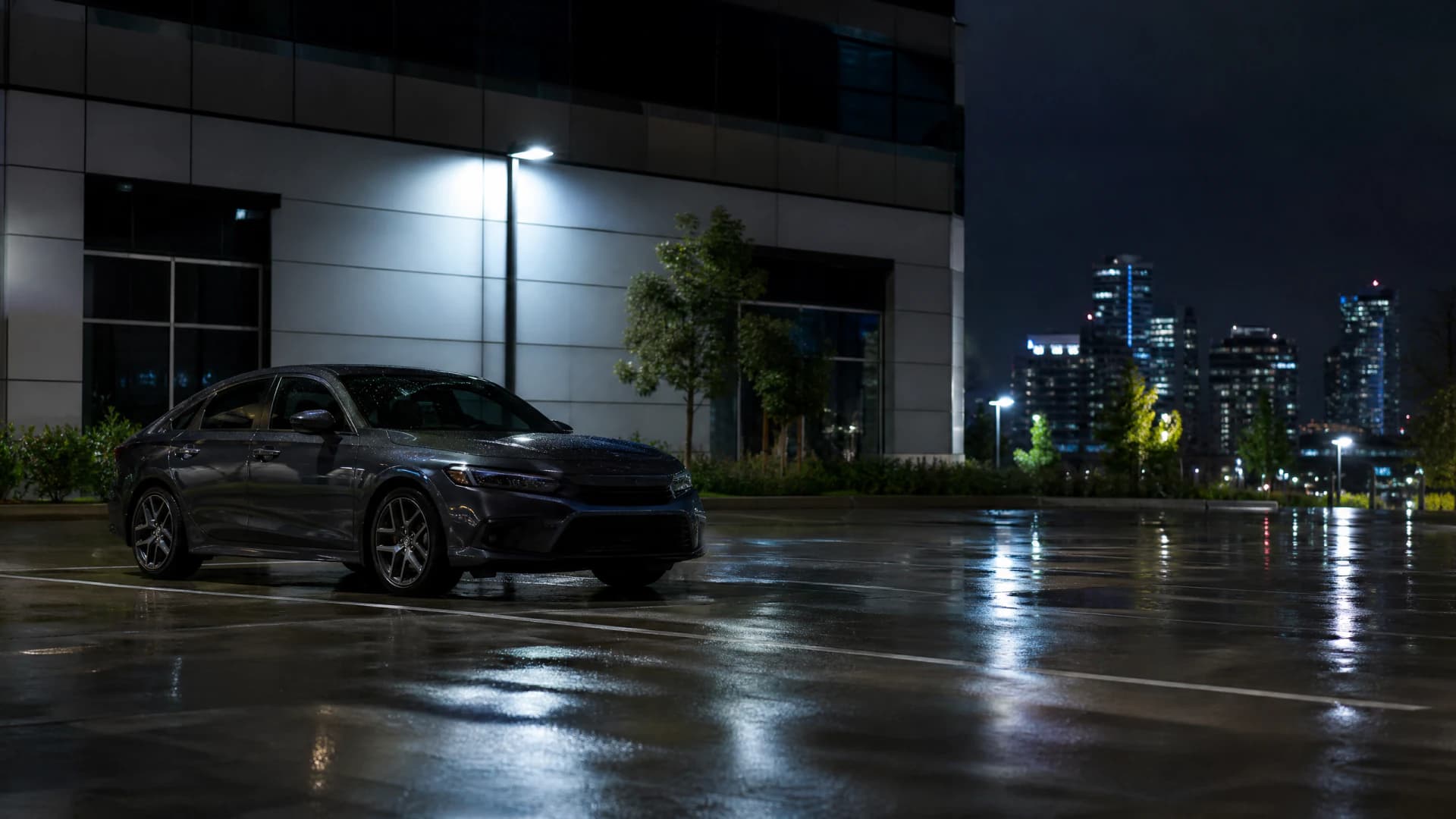
Michigan occupational licenses restrict driving to specific approved purposes during specific approved hours. Work is always included if you provide employer documentation on company letterhead stating your job title, work address, required hours, and supervisor contact. Medical appointments for yourself or immediate family qualify with a letter from your physician listing appointment frequency and location. Childcare transport to/from a licensed daycare or school qualifies with enrollment documentation.
You must list exact routes and time windows in your application. "Home to work" is insufficient—you provide street addresses for origin and destination, expected travel time, and daily schedule. Deviations are violations. A driver approved for 6:00 AM–6:30 PM Monday–Friday cannot legally drive at 7:00 PM or on Saturday, even to the same workplace. Route approval does not allow stopping for gas, groceries, or errands unless you petitioned for and received explicit approval for those stops.
Michigan does not permit religious services, AA meetings, or grocery shopping as standalone purposes. Some circuit court judges grant them as ancillary purposes if tied to work or medical necessity, but Secretary of State administrative approvals almost never include them. If your employer requires weekend hours, state that explicitly in the employer letter—approved hours follow your work schedule, not a standard week.
Required Documentation: Employer Letters, Proof of Hardship, and SR-22 Filing
Secretary of State occupational applications require an employer letter on company letterhead, signed by a supervisor or HR representative, listing your job title, work address, scheduled hours, and a direct phone number for verification. The letter must be dated within 30 days of your application. Generic letters stating "to whom it may concern" are rejected—Secretary of State calls the number to confirm employment before approval.
You need proof of SR-22 insurance filing before Michigan will issue the occupational license. SR-22 must be filed by an insurer licensed in Michigan and maintained for the entire restriction period—typically 1–2 years depending on the violation. Your insurer files the SR-22 electronically with Secretary of State, and you submit the SR-22 certificate copy with your application. No SR-22 on file means automatic denial.
Circuit court hardship hearings require additional evidence: pay stubs from the last 60 days, proof of household expenses (mortgage or lease, utilities), documentation of dependents, and a written statement explaining why public transportation or rideshare cannot meet your needs. Judges want specific numbers—what you earn, what you owe, who depends on your income. "I need to work" is not hardship evidence. "I earn $2,800/month, pay $950 rent and $600 childcare, and support two children with no other household income" is.

Get Insured for the Drive to Work
Keep Driving to Work
SR-22 Insurance Costs and Carrier Availability for Occupational License Holders
SR-22 filing itself costs $25-$50, but the premium increase is where occupational license holders face real costs. A clean-record Michigan driver pays $140-$180/month for state minimum liability. After a suspension requiring SR-22, expect $240-$420/month from non-standard carriers—70% to 150% higher. DWLS violations typically land mid-range. OWI pushes you to the top of that spectrum.
Not all carriers write occupational license policies. Standard carriers (State Farm, GEICO, Progressive) typically non-renew after a suspension, leaving you with non-standard specialists: Bristol West, Dairyland, GAINSCO, The General, Direct Auto. These carriers accept SR-22 filings and occupational restrictions, but their rates reflect the risk pool. Shop at least three non-standard quotes—rate spreads of $100+/month between carriers are common for the same coverage.
Michigan requires SR-22 for 1 year after reinstatement for most DWLS cases, 2 years for OWI first offense, and 3 years for OWI second offense. Any lapse in coverage—even one day—triggers an automatic suspension extension and restarts your SR-22 clock. Your carrier reports lapses to Secretary of State within 24 hours electronically.

Violation Consequences: What Happens If You Drive Outside Approved Hours or Routes
Driving outside your approved hours, routes, or purposes while on an occupational license is charged as Violation of Restricted License under MCL 257.904d. First violation is a misdemeanor punishable by up to 93 days in jail and a $500 fine. Your occupational license is revoked immediately, and your underlying suspension period is extended by the length of time you held the occupational license—meaning you start over.
Second violation of restricted license within 7 years is a 1-year mandatory license revocation with no eligibility for occupational relief during that year. You cannot reapply. Third violation is a felony with up to 2 years imprisonment. Michigan does not treat restricted license violations as technical infractions—prosecutors charge them, and judges impose the statutory penalties.
Police verify occupational license restrictions at every traffic stop by calling dispatch to confirm your approved hours and routes in real time. A stop at 7:15 PM when your approval ends at 7:00 PM is a violation, even if you were headed home from work. A stop 2 miles off your approved route to get gas is a violation unless your court order or Secretary of State approval explicitly includes fuel stops. Know your exact restrictions and follow them literally.
Application Process and Timing: How Long It Actually Takes to Get Driving Again
Secretary of State occupational applications take 10-14 business days if submitted complete with all required documents: DI-10 Request for Restricted License form, employer letter, SR-22 certificate, proof of hardship, and $45 fee. Incomplete applications are returned without review, adding 2-3 weeks to your timeline. Mail your packet certified with tracking—applications are occasionally lost, and you need proof of submission.
Circuit court hearings take 4-8 weeks from petition filing to scheduled hearing date. You file a petition in the circuit court for the county where you were convicted, pay the filing fee ($200-$375 depending on county), and wait for the clerk to assign a hearing date. Most drivers hire attorneys because circuit court judges have full discretion to deny petitions, and procedural errors kill cases. Hearing denials cannot be appealed—you wait 30-90 days and refile.
Total cost for Secretary of State occupational license: $45 application + $25-$50 SR-22 filing + first month's premium ($240-$420) = $310-$515 to get legal. Circuit court occupational license: $200-$375 filing + $1,500-$3,000 attorney + SR-22 and premium = $2,000-$4,000+ to get legal. Budget realistically before you start the process.
Frequently Asked Questions
Can I get an occupational license immediately after a Michigan DWLS suspension?
No. Michigan requires a 30-day hard suspension before you can apply for an occupational license after a first DWLS offense, and 60 days after a second DWLS within 7 years. The waiting period starts from the suspension effective date on your notice, not the violation date. Apply early and Secretary of State denies your application outright.
Do I need SR-22 insurance to get a Michigan occupational license?
Yes. Michigan requires active SR-22 filing before issuing an occupational license for any suspension. Your insurer must file the SR-22 electronically with Secretary of State, and you submit the certificate copy with your application. No SR-22 on file means automatic denial, and any lapse revokes your occupational license immediately.
What happens if I drive outside my approved hours on a Michigan occupational license?
You are charged with Violation of Restricted License under MCL 257.904d, a misdemeanor punishable by up to 93 days in jail and a $500 fine. Your occupational license is revoked immediately, and your underlying suspension is extended by the time you held the occupational license. Second violation within 7 years is a 1-year mandatory revocation with no occupational relief.
How much does SR-22 insurance cost for a Michigan occupational license?
SR-22 filing costs $25-$50, but monthly premiums run $240-$420 for state minimum liability with non-standard carriers—70% to 150% higher than clean-record rates. DWLS violations land mid-range, OWI suspensions push top-end. Non-standard carriers like Bristol West, Dairyland, and The General write most occupational license policies after standard carriers non-renew.
Related Articles
Michigan Occupational License After Multiple Violations
4/29/2026

Michigan Occupational License After DUI: Eligibility Guide
4/29/2026

MI Occupational License vs Waiting: Cost-Benefit Guide
4/29/2026

Michigan Occupational License After FTA Suspension
4/29/2026

Michigan Occupational License After Uninsured Suspension
4/29/2026
Michigan Occupational License on Child Support Plan
4/29/2026