Missouri allows Limited Driving Privileges after a caught-driving-suspended conviction, but eligibility depends on your suspension type, court vs DMV path, and whether you've exhausted prior LDP grants. Here's when the court will consider your petition and when it won't.
What happens to your driving privilege after a caught-driving-suspended charge in Missouri
A conviction for driving while suspended or revoked in Missouri (RSMo 302.321) adds a second suspension on top of your existing one. If your original suspension was for points, DUI, or non-payment violations, the caught-driving charge triggers a mandatory additional suspension ranging from 90 days to 1 year depending on the underlying cause.
The DMV processes the new suspension automatically once the court reports your conviction. You receive a notice listing the new suspension start date, duration, and reinstatement requirements. Most drivers assume this closes the door on any driving privilege until full reinstatement, but Missouri law allows Limited Driving Privilege (LDP) petitions even after caught-driving convictions if specific conditions are met.
The complication: your eligibility for an LDP depends on whether your original suspension was court-ordered or DMV-administered, how many prior LDPs you've been granted, and whether you meet the mandatory waiting period for your violation type. The state does not advertise these windows clearly, and many drivers file LDP petitions that courts deny on procedural grounds before ever reaching the hardship merits.
When Missouri courts will grant an LDP after caught-driving-suspended
Missouri allows LDP petitions for most suspension types, including after a caught-driving conviction, but the court applies strict eligibility filters. You qualify for LDP consideration if: (1) you are a Missouri resident, (2) your suspension or revocation has been in effect for at least the required waiting period for your underlying violation, (3) you have not been granted an LDP more than twice in the preceding five years, and (4) you can prove undue hardship related to employment, medical care, education, or court-ordered obligations.
The waiting period is the gate most drivers miss. For DUI-related suspensions, you must serve 30 days before filing for an LDP. For points-based suspensions (8+ points), you must serve 15 days. For insurance-lapse suspensions, there is no waiting period if you now carry proof of SR-22 filing. For caught-driving-suspended convictions layered on top of an existing suspension, the court counts the waiting period from the date the new suspension took effect, not from your original suspension date.
The two-LDP-in-five-years cap is a hard ceiling. Missouri statute RSMo 302.309 limits repeat LDP grants to prevent indefinite hardship-license cycling. If you were granted an LDP for a prior DUI suspension in 2022 and another for a points suspension in 2023, a third petition filed in 2024 will be denied regardless of hardship severity. The court does not waive this cap, and many drivers exhaust their LDP eligibility without realizing it until they've already paid the petition filing fee.
Proof of hardship must be documentary and specific. Employment hardship requires a notarized employer letter stating your work address, schedule, and confirmation that no alternative transportation exists. Medical hardship requires appointment records and physician confirmation of necessity. The court does not accept general statements about inconvenience or difficulty. Approved LDP grants restrict driving to court-approved hours, routes, and purposes only. Deviation from approved terms revokes the LDP immediately and adds a new violation.
Compare car insurance rates in your state
Get quotes from licensed carriers — no obligation, no spam, results in minutes.
Get Your Free Quote✓ No Obligation Required✓ Licensed Carriers Only✓ Available Nationwide✓ Free to Compare
When the court will deny your LDP petition regardless of hardship
Missouri courts deny LDP petitions outright in five scenarios, regardless of employment need or hardship documentation. First, if you've been granted two LDPs in the past five years. Second, if you have not served the mandatory waiting period for your suspension type. Third, if your suspension was for refusing a chemical test under Missouri's implied consent law (30-day denial window applies). Fourth, if you owe outstanding reinstatement fees, child support judgments, or court fines that block DMV clearance. Fifth, if you are currently incarcerated or under active warrant.
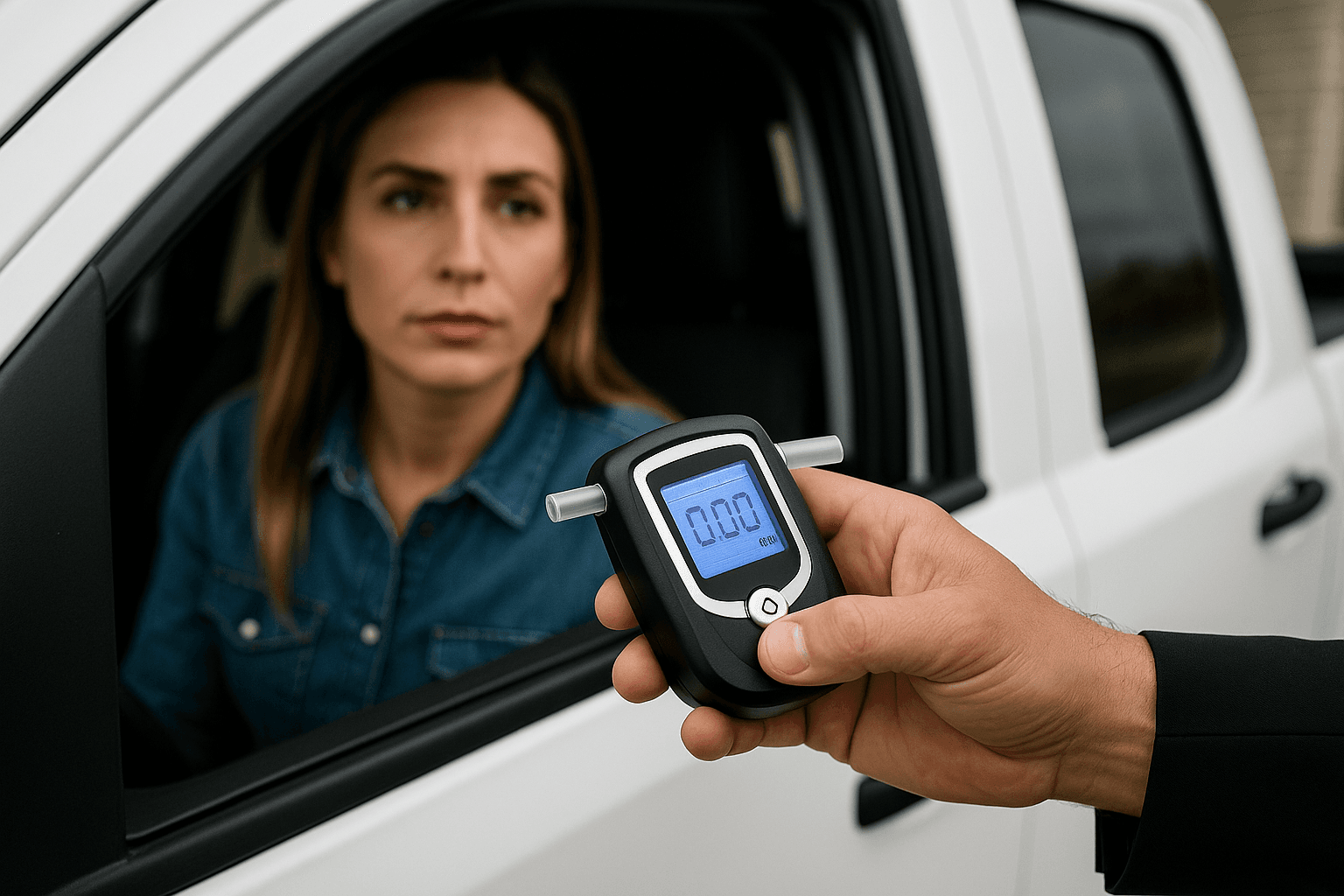
The implied consent refusal denial is the most commonly misunderstood. Missouri law treats chemical test refusal as a separate administrative action from DUI criminal proceedings. If you refused the breathalyzer and your license was revoked under RSMo 577.041, you must serve a 30-day hard suspension before the court will consider an LDP petition. This 30-day window runs from the effective date of the revocation, not the arrest date or conviction date. Many drivers file too early and the court dismisses the petition without prejudice, requiring re-filing and a second filing fee.
Outstanding financial obligations block LDP approval even when all other criteria are met. The Missouri Family Support Payment Center flags child support delinquency to the DMV, which in turn notifies the court. If your account shows arrears exceeding $2,500 or more than 90 days delinquent, the court cannot legally grant driving privileges until the arrearage is cured or a payment plan is approved. The same rule applies to unpaid reinstatement fees, which range from $20 for a points suspension to $645 for a DUI revocation. Pay these before filing your LDP petition or the court will deny on administrative grounds before reviewing your hardship claim.
How to file an LDP petition in Missouri and what the court evaluates
You file an LDP petition in the circuit court of the county where you reside using form DWI-LDP (available from the Missouri Courts website). The petition requires: your full driving record from the Missouri DOR, proof of SR-22 insurance filing if required for your underlying suspension, notarized employer or medical documentation supporting your hardship claim, and a $50 filing fee paid to the circuit clerk.
The court schedules a hearing within 30 days of filing. You must appear in person. The prosecuting attorney reviews your petition and may object based on your driving history, the nature of your caught-driving conviction, or public safety concerns. The judge evaluates: the severity of your hardship, your compliance history with prior court orders, whether you've completed any required substance abuse programs or driver improvement courses, and whether granting the LDP poses undue risk to public safety.
If granted, the LDP specifies approved hours (typically 6am–8pm for work commutes), approved routes (residence to workplace, residence to medical appointments, residence to place of worship if requested), and approved purposes. You must carry the court order, proof of SR-22 insurance, and your restricted license at all times while driving. Violation of any LDP term — driving outside approved hours, deviating from approved routes, or driving for unapproved purposes — results in immediate LDP revocation, a new criminal charge for driving while suspended, and extension of your underlying suspension by an additional 90 days to 1 year.
The LDP remains valid for the duration of your suspension or until full reinstatement, whichever comes first. It does not reduce your suspension period. It does not waive reinstatement fees. It allows limited driving while you serve the suspension and meet the state's reinstatement requirements.
SR-22 filing requirements and insurance costs during LDP eligibility
Missouri requires SR-22 filing for most suspension types that qualify for LDP consideration. If your original suspension was for DUI, accumulation of points (8+ in 18 months), uninsured accident, or driving while suspended, the DMV mandates continuous SR-22 filing for 2 years from your reinstatement date. If you let your SR-22 lapse even one day during this period, the DMV suspends your license again and the 2-year clock resets to zero.
SR-22 is not insurance. It is a certificate your insurer files with the Missouri DOR confirming you carry at least the state minimum liability coverage: $25,000 per person for bodily injury, $50,000 per accident for bodily injury, and $25,000 for property damage. Most non-standard carriers charge a one-time SR-22 filing fee between $25 and $50, then increase your premium by 30% to 80% due to your high-risk classification.
Carriers that write SR-22 policies for drivers with caught-driving-suspended convictions in Missouri include Direct Auto, Bristol West, The General, GAINSCO, Dairyland, Progressive (non-standard division), and regional Missouri carriers like Shelter and American Family (case-by-case). National carriers like State Farm and GEICO typically non-renew or decline new policies for drivers with active suspensions or caught-driving convictions. Expect monthly premiums between $140 and $280 for state minimum SR-22 coverage depending on your county, age, and full violation history.
If you do not own a vehicle, you still need SR-22 filing to petition for an LDP. Purchase a non-owner SR-22 policy, which covers liability when you drive a vehicle you do not own. Monthly cost typically ranges from $45 to $90. The SR-22 certificate must be on file with the Missouri DOR before the court will approve your LDP petition.
Reinstatement timeline and cost after serving your suspension and LDP period
Full license reinstatement in Missouri after a caught-driving-suspended conviction requires: (1) serving your full suspension period, (2) completing any court-ordered driver improvement programs or substance abuse treatment, (3) paying all reinstatement fees, (4) providing proof of SR-22 filing if required, and (5) passing a vision test and written knowledge exam if your suspension exceeded 1 year.
Reinstatement fees vary by suspension type. For a caught-driving-suspended conviction, the fee is $20 if your underlying suspension was for points. If your underlying suspension was for DUI, the reinstatement fee is $645, which includes a $45 driver's license reissue fee. If you accumulated multiple suspensions during the same period, Missouri charges the highest applicable fee, not cumulative fees.
The SR-22 filing period does not end when your suspension ends. Missouri requires 2 years of continuous SR-22 filing from your reinstatement date. If you are reinstated on January 1, 2025, you must maintain SR-22 filing through January 1, 2027. Any lapse triggers a new suspension and resets the 2-year requirement.
If you were granted an LDP during your suspension, the LDP terminates automatically on your reinstatement date. You do not receive credit for time served under LDP. The restriction and the underlying suspension run concurrently, but neither reduces the other.
What to do immediately after a caught-driving-suspended charge in Missouri
If you've been charged with driving while suspended in Missouri, your priorities are: (1) obtain a copy of your complete driving record from the Missouri DOR to confirm your suspension status, underlying violations, and any prior LDP grants, (2) verify whether you owe reinstatement fees, child support arrears, or court fines that would block LDP eligibility, (3) obtain SR-22 insurance if not already filed, and (4) gather employer or medical documentation supporting your hardship claim before your court date.
Do not wait until after your conviction to begin this process. Once the court reports your conviction to the DMV, the new suspension takes effect immediately and the waiting period clock starts. If you meet the eligibility criteria and file your LDP petition promptly, you may reduce the total time you are without any driving privilege.
If you have already been granted two LDPs in the past five years or your suspension type does not allow LDP consideration, your alternative is full compliance: serve the suspension, pay the fees, maintain SR-22 filing, and wait for reinstatement eligibility. Missouri does not offer work permits, hardship exemptions, or conditional licenses outside the LDP framework. The court's LDP decision is your only path to legal driving before full reinstatement.