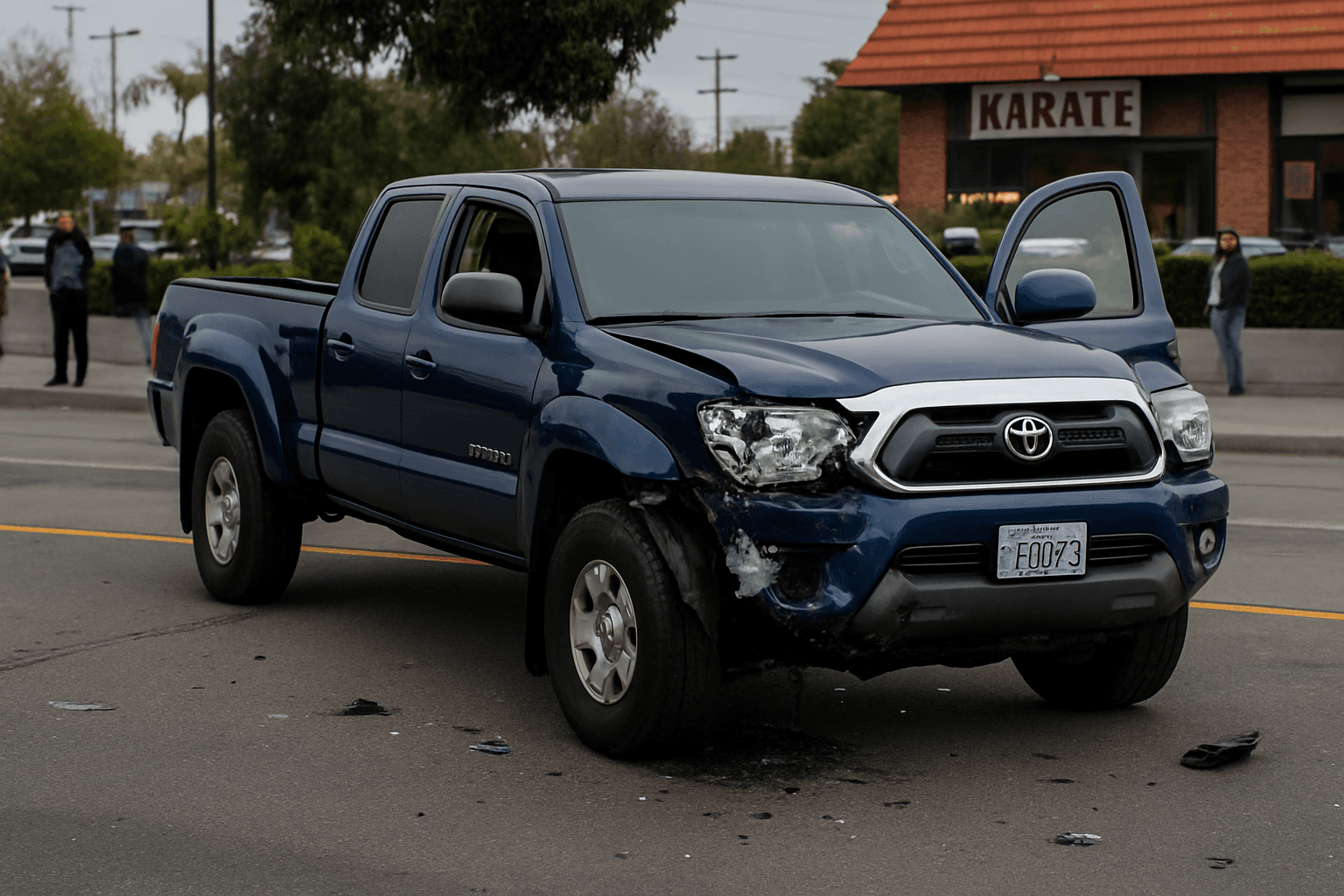
You lost your license in Texas and need to drive to work. The state calls it an occupational license, and eligibility depends on your suspension type, waiting period, and whether you've completed court-ordered requirements.
What an Occupational License Actually Allows in Texas
An occupational license in Texas permits you to drive for specific approved purposes only: work, school, essential household duties like grocery shopping or childcare, and court-ordered obligations like DUI classes. You submit a proposed route and schedule to the court. The judge approves specific hours and destinations. Driving outside those parameters is a criminal offense that will revoke your occupational license and typically extend your underlying suspension.
The license does not restore your full driving privilege. You cannot drive recreationally, run personal errands outside approved hours, or deviate from court-approved routes. Employers must provide documentation confirming your work schedule and location. If your job changes or your hours shift, you petition the court again for an amended order.
Texas requires SR-22 insurance filing for the entire occupational license period plus the remainder of your underlying suspension. Your carrier files proof of financial responsibility with the Texas Department of Public Safety. If your SR-22 lapses even one day, DPS suspends your occupational license immediately and restarts your suspension clock.
When Texas Law Prohibits Occupational Licenses Entirely
Texas Transportation Code Section 521.246 bars occupational licenses for certain suspension types. If you were convicted of intoxication manslaughter, you cannot petition for an occupational license during the mandatory two-year revocation period. If you are under 21 and suspended for an alcohol-related offense, you wait until the suspension period ends before applying.
Commercial Driver's License holders suspended for on-duty violations cannot use an occupational license for commercial driving. The restriction applies only to the commercial vehicle — you can still petition for occupational driving privileges in a personal vehicle for work commute or other approved purposes.
If your suspension stems from unpaid child support, the Texas Attorney General's Office controls reinstatement. You cannot petition for an occupational license until you enter a payment plan or satisfy the arrearage. The court has no discretion to override the AG's hold.
Compare car insurance rates in your state
Get quotes from licensed carriers — no obligation, no spam, results in minutes.
Get Your Free Quote✓ No Obligation Required✓ Licensed Carriers Only✓ Available Nationwide✓ Free to Compare
The Court Petition Process and Waiting Periods by Suspension Type
You file your occupational license petition in the county where you reside, not where the suspension originated. The petition requires a certified copy of your driving record from DPS, proof of SR-22 insurance, and an Essential Need Affidavit documenting your employment or school enrollment. Filing fees typically run $250–$400 depending on the county.
For most DUI suspensions, Texas imposes no mandatory waiting period before you can petition. You can file the day your suspension begins. For repeat DUI offenders or drivers with multiple suspensions in a five-year period, some judges impose informal 30- to 90-day waiting periods before granting a hearing, though this is not codified in statute.
If your suspension resulted from a refusal to submit to a breath or blood test, you face a 180-day absolute suspension with no occupational license eligibility for the first 90 days. After 90 days, you can petition. The same 90-day wait applies to drivers under 21 suspended for any detectable alcohol offense.
How SR-22 Filing and Ignition Interlock Requirements Layer Onto Your Occupational License
Texas requires SR-22 filing for DUI suspensions, multiple violations, at-fault accidents without insurance, and certain refusal-to-test cases. Your SR-22 obligation begins when you apply for the occupational license and continues through the full suspension period plus two years post-reinstatement for most DUI offenses. Monthly SR-22 premiums for high-risk drivers typically run $120–$220 depending on violation count and age.
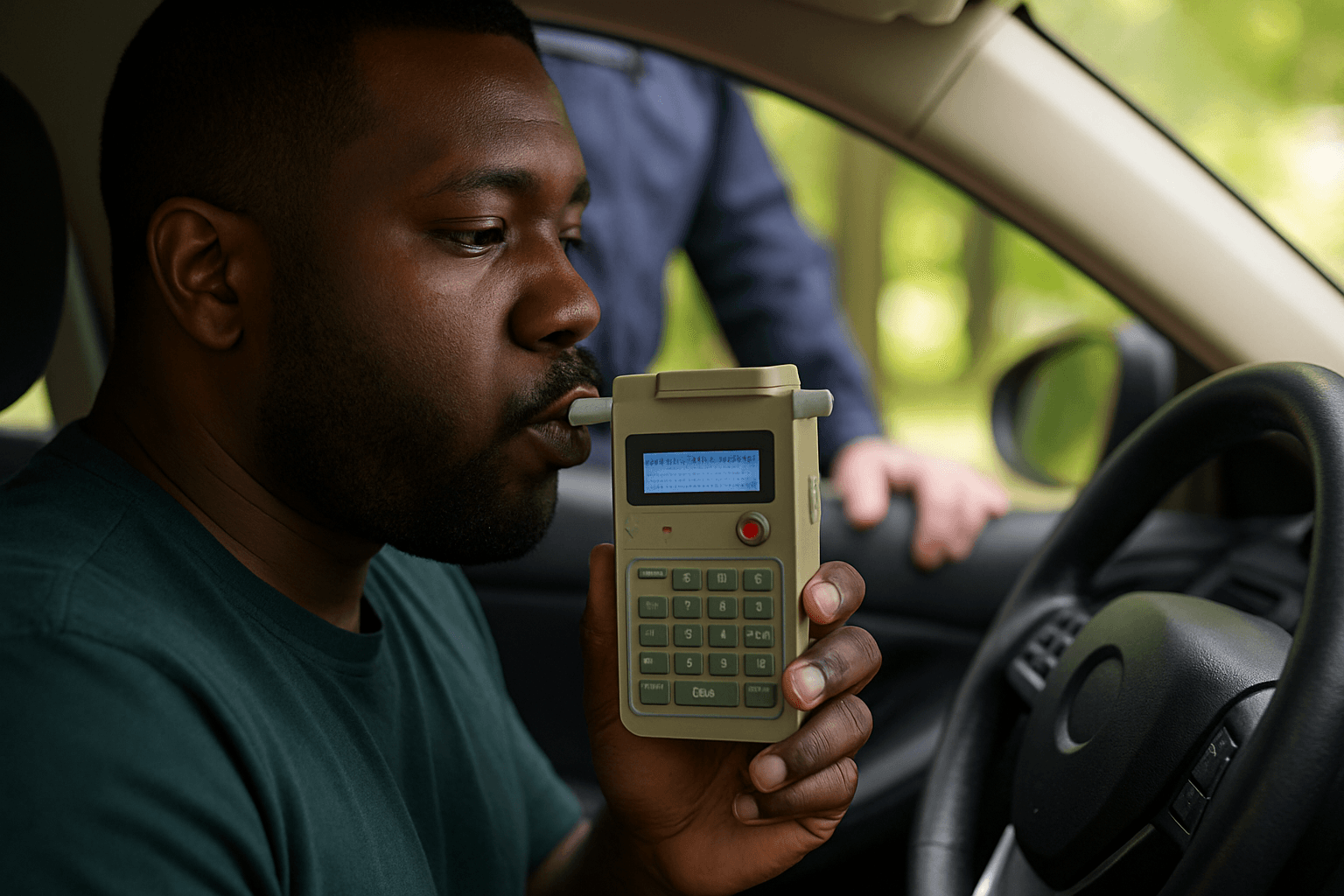
If your suspension involved a DUI with a blood alcohol concentration of 0.15 or higher, or if you have a prior DUI conviction, Texas mandates ignition interlock device installation on any vehicle you operate under an occupational license. The IID requirement is non-negotiable. Monthly IID costs run $70–$120 for the device lease plus $10–$15 per calibration visit every 30 days.
Your occupational license order will specify the IID serial number and require monthly compliance reports from the IID provider. Rolling violations — attempts to start the vehicle with alcohol detected, missed calibrations, or tamper alerts — are reported to DPS and trigger automatic revocation of your occupational license. The judge has no discretion to waive IID for employment hardship.
What the Judge Evaluates and Why Some Petitions Fail
Texas statute gives county judges broad discretion to grant or deny occupational license petitions based on "essential need" and public safety. Judges evaluate your driving record, the facts underlying your suspension, whether you've completed court-ordered alcohol education or treatment, and whether your employer documentation is credible. Petitions with vague work schedules, missing SR-22 proof, or recent compliance failures are routinely denied.
If you were arrested for DUI but not yet convicted, and your administrative license suspension is pending, you can still petition for an occupational license during the suspension period. Some judges defer the hearing until criminal proceedings resolve. Others grant a temporary occupational license conditioned on future compliance with sentencing requirements.
Repeat petitioners face higher scrutiny. If you previously held an occupational license and violated its terms, judges often deny subsequent petitions or impose restricted hours and mandatory IID even when not statutorily required. Hiring an attorney with local county court experience increases approval rates, particularly in counties where occupational license dockets are heard by rotating visiting judges unfamiliar with local norms.
The Full Cost Stack and Timeline to Reinstatement
Expect to pay $250–$400 for petition filing fees, $125 for a certified DPS driving record, $100–$200 for an Essential Need Affidavit if prepared by an attorney, and $500–$1,500 in attorney fees if you hire representation. SR-22 insurance premiums during the suspension period will cost $1,440–$2,640 annually. If IID is required, add $960–$1,560 per year for device and calibration costs. Total first-year cost for an occupational license with IID typically exceeds $3,500.
The petition process from filing to court order takes 30–60 days in most Texas counties. Once the judge signs your order, you take it to a DPS driver license office along with your SR-22 certificate and pay the $125 occupational license issuance fee. The license is valid for the lesser of one year or the remainder of your suspension period. If your suspension exceeds one year, you renew the occupational license annually by filing an updated petition.
When your underlying suspension ends, you still cannot drive legally until you pay the $125 reinstatement fee, provide proof of current insurance, and surrender your occupational license. Your SR-22 filing obligation continues for two years post-reinstatement for DUI cases. Failure to maintain SR-22 during that period triggers a new suspension.
How Non-Standard Carriers Handle Occupational License SR-22 Endorsements
Most standard carriers will not write SR-22 policies for drivers on occupational licenses. You will need a non-standard or high-risk carrier. Bristol West, Direct Auto, Dairyland, The General, and GAINSCO write occupational license policies in Texas, though not all agents are appointed with these carriers or familiar with the specific endorsement requirements.
Some carriers require a copy of your signed court order before binding coverage. Others will issue the SR-22 based on your DPS suspension notice and amendment the policy once the court order is finalized. Confirm the carrier files the SR-22 electronically with DPS — paper filings delay processing and can result in a gap that voids your occupational license.
If you do not own a vehicle, you need a named non-owner SR-22 policy. This covers liability when you drive a vehicle you do not own — a spouse's car, a company vehicle, or a borrowed vehicle for work. Monthly premiums for non-owner SR-22 policies run $80–$150 depending on violation severity and filing duration. The occupational license court order must specify that you are driving a non-owned vehicle and list the vehicle owner and insurance information.