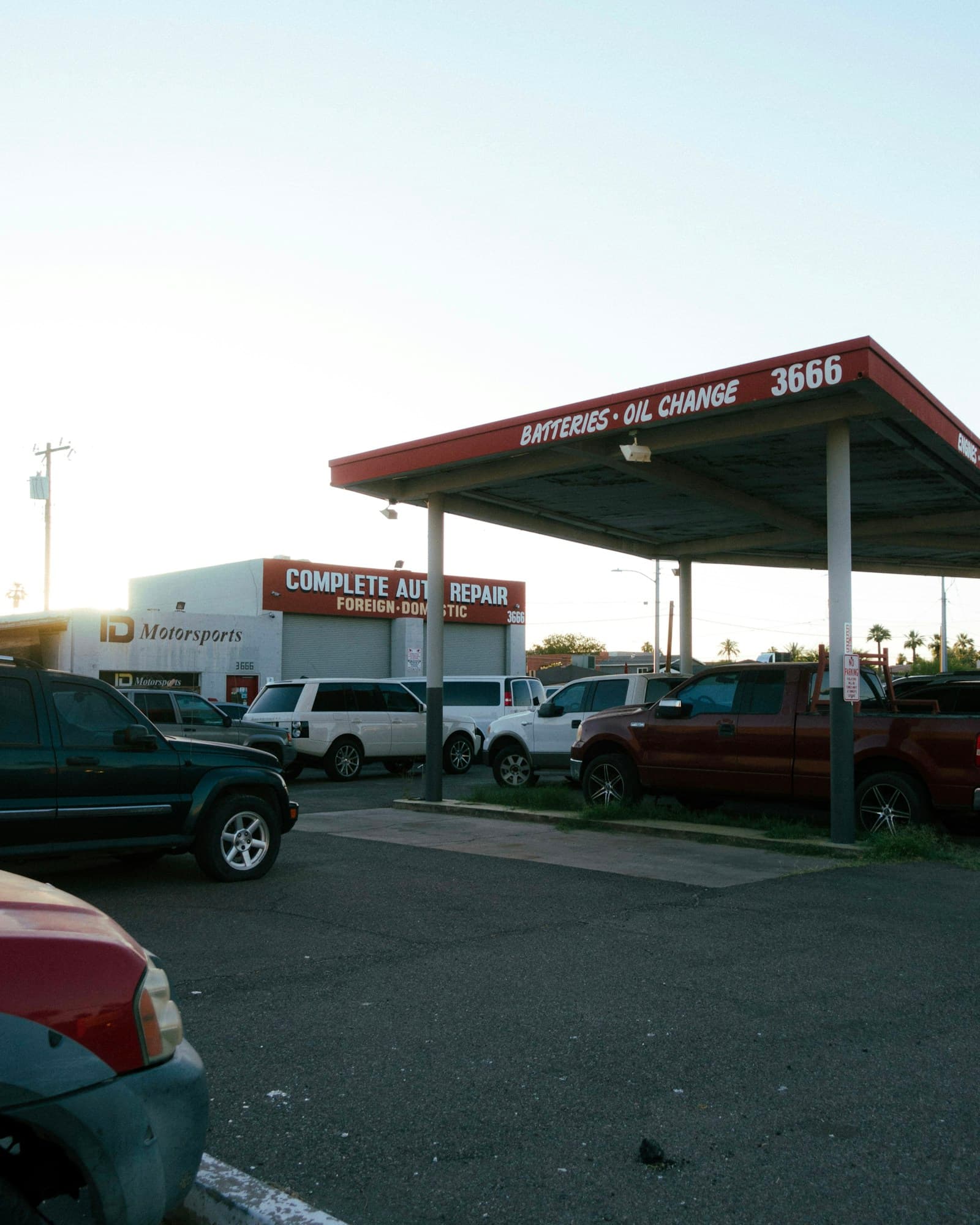
Kansas work permits allow driving only during approved hours to approved destinations. One wrong turn or late-night drive can revoke your privilege and extend your suspension.
What a Kansas Work Permit Actually Allows You to Do
A Kansas work permit restricts you to driving directly between your home and your workplace during the hours your employer has documented on your application. The permit lists your employer's exact street address and your approved work schedule. Kansas statute allows no detours, no stops for errands, and no flexibility for schedule changes unless you file an amended application with the DMV.
The permit also covers travel to and from court-ordered programs if you're in DUI education, alcohol evaluation, or ignition interlock device (IID) installation appointments. You must carry documentation proving the appointment. Travel to medical appointments for yourself or dependents requires separate approval on the initial application or through amendment.
Kansas defines "direct route" strictly. If your normal commute is 12 miles and an officer clocks you 18 miles from home during approved hours, you're outside the permitted route. The permit does not allow stopping for gas, picking up a coworker, or dropping off your child at daycare unless those destinations appear on your approved application.
Approved Hours: What Happens When Your Shift Changes
Your Kansas work permit lists the specific days and hours you're allowed to drive. If your employer schedules you Monday through Friday, 7:00 AM to 4:00 PM, those are your only legal driving hours. Driving at 6:45 AM or 4:15 PM puts you outside the restriction.
Shift changes require an amended application submitted to the Kansas DMV Driver Solutions Bureau. The amendment process takes 7–10 business days for processing, and you cannot drive the new hours until the amended permit is issued. If your employer changes your schedule without warning and you drive the new hours before the amendment is approved, you are in violation even if the trip was work-related.
Many Kansas employers in retail, food service, and healthcare rotate schedules weekly. If your job has variable hours, you must apply for the broadest time window you'll need and provide employer documentation covering the full range. Kansas does not allow open-ended "as scheduled by employer" language on the permit. The application must state specific start and end times.
Compare car insurance rates in your state
Get quotes from licensed carriers — no obligation, no spam, results in minutes.
Get Your Free Quote✓ No Obligation Required✓ Licensed Carriers Only✓ Available Nationwide✓ Free to Compare
What Kansas Considers a Route Violation
Kansas law enforcement officers receive notice of restricted drivers in their jurisdiction, and many patrol known commute corridors during typical work hours. If stopped outside your approved route or hours, the officer will verify your permit restrictions against your current location and time. A violation occurs the moment you're outside the boundary, even if you're still en route to work.
Common violations Kansas prosecutors charge: stopping at a convenience store on the way to work, taking a longer route to avoid traffic, driving a family member to an appointment during your approved work hours, leaving work early for a personal errand. Each of these triggers immediate citation and a court hearing to determine whether your permit should be revoked.
Kansas does not provide leeway for emergency detours. If your normal route is blocked by an accident and you take an alternate route that adds mileage, you are technically outside your restriction. If charged, you'll need to prove the detour was unavoidable and taken in good faith. The burden is on you, and outcomes vary by county.
Penalty for Violating Kansas Work Permit Restrictions
Kansas statute classifies driving outside your work permit restrictions as driving while suspended, a Class B nonperson misdemeanor. Conviction carries up to 6 months in jail, a fine up to $1,000, and mandatory revocation of your work permit. Your underlying suspension is extended by a minimum of 90 days, and in many cases by 1 year depending on your original offense.
If you're stopped for a route or hours violation, the officer will likely issue a citation and confiscate your work permit on the spot. You'll receive a court date, typically within 30 days. Until that hearing, you have no legal driving privilege. If convicted, you must wait out the extended suspension period before reapplying for a new restricted permit.
Kansas judges have discretion to impose harsher penalties if the violation involved alcohol, drugs, or reckless driving. A second violation during the same suspension period usually results in denial of any future restricted privileges until your full license is eligible for reinstatement. Kansas DMV records show that approximately 18% of work permit holders are cited for a restriction violation within the first 90 days.
How Kansas Tracks Work Permit Compliance
Kansas does not install GPS monitoring on work permit holders, but law enforcement agencies share restricted driver lists with patrol officers in the counties where you live and work. Officers commonly run plates during routine traffic stops and receive an alert if the registered owner holds a restricted license. Kansas also cross-references work permit holders against ignition interlock device (IID) data if your permit requires IID installation.
If your permit requires an IID, the device logs every trip: start time, end time, location data, and any failed breath tests. Kansas DMV receives monthly IID compliance reports from your provider. Trips outside your approved hours or routes show up in these reports and trigger an automatic compliance review. A pattern of violations results in a notice to show cause hearing, even if you were never stopped by an officer.
Kansas employers are not required to monitor your permit compliance, but the DMV reserves the right to contact your employer to verify your schedule matches your approved hours. If your employer reports you've been terminated or your hours have changed and you haven't filed an amendment, your permit can be revoked administratively without a hearing.
SR-22 Insurance Requirement for Kansas Work Permits
Kansas requires continuous SR-22 filing for the entire duration of your work permit and for 1 year after your full license is reinstated if your suspension was alcohol-related. The SR-22 is not insurance itself — it's a certificate your insurer files with the Kansas DMV proving you carry at least state minimum liability coverage: $25,000 per person for bodily injury, $50,000 per accident, and $25,000 for property damage.
If your SR-22 lapses for any reason — missed payment, policy cancellation, switching carriers without overlap — Kansas DMV receives electronic notice within 24 hours and your work permit is suspended immediately. Reinstatement requires a new SR-22 filing, a $100 reinstatement fee, and in most cases an additional 90-day waiting period before you're eligible for a new restricted permit.
Kansas SR-22 insurance typically costs $40–$85 per month for work permit holders, depending on your violation type, age, and county. Carriers that commonly write Kansas SR-22 policies for restricted license holders include Dairyland, The General, Direct Auto, Bristol West, and GAINSCO. Not all carriers offer coverage for drivers with active suspensions, so comparison across multiple non-standard insurers is necessary.
How to Protect Your Kansas Work Permit During the First 90 Days
Print a copy of your approved work permit and keep it in your vehicle at all times along with proof of SR-22 insurance, your employer's written schedule, and any court or IID appointment documentation. Kansas officers expect you to produce all documents immediately when stopped. Missing documentation can escalate a routine stop into a violation charge.
Map your exact route from home to work and drive only that route every day. Use the same roads, same entrances, same parking areas. Avoid any deviation, even to save time. If your employer has multiple locations or if you're required to travel between job sites, include every address on your initial application. Adding locations after the fact requires amendment approval.
Set reminders for your SR-22 renewal date, IID calibration appointments, and any court or DUI program deadlines tied to your suspension. Missing any of these triggers automatic permit revocation. Kansas does not send courtesy reminders. If your work schedule changes, file the amendment request the same day you receive notice from your employer. Do not drive new hours before the amendment is approved, even if it means missing shifts or arranging alternate transportation.