Missouri's habitual offender designation triggers a 10-year denial, but hardship licenses restore limited driving in specific cases. Here's what actually qualifies and what conditions you'll face.
What Habitual Offender Status Actually Means for Your Driving Privilege in Missouri
Missouri revokes your license for 10 years when you're designated a habitual offender under RSMo 302.060. This designation triggers after three major violations within a 10-year period — typically DUI convictions, leaving the scene of an accident, or vehicular manslaughter. The denial is absolute for the first year. No hardship license. No restricted privilege. No driving.
After the first year, you become eligible to petition for a Limited Driving Privilege (LDP), Missouri's version of a hardship license. This is not a return to normal driving. The LDP restricts you to approved purposes only: work, medical appointments, essential household duties, educational obligations, and alcohol/drug treatment. Hours and routes are specified in your court order.
The 10-year denial clock starts from your last conviction date, not from when you stopped driving or when the DMV processed your revocation. Most habitual offenders don't realize the clock started months or years before they received official notice. Check your revocation letter for the exact start date before calculating your one-year eligibility window.
Realistic Approval Odds and What Actually Decides Your Case
Missouri circuit courts approve approximately 40-50% of habitual offender LDP petitions, based on multi-year data from Missouri DOR driver improvement hearings. The approval rate varies significantly by county and by the completeness of your employment documentation. Complete applications with employer verification letters, shift schedules, and work address confirmation succeed at materially higher rates than petitions relying on sworn affidavits alone.
The deciding factor is not remorse or clean behavior since your last violation. Missouri courts evaluate whether denying your petition creates undue hardship and whether granting limited driving serves public safety. Employment loss is the strongest hardship argument. Medical necessity ranks second. Convenience, childcare, or general household errands do not meet the hardship standard.
You increase approval odds by submitting: a detailed employer letter on company letterhead stating your job title, work address, required hours, and confirmation that loss of driving privilege will result in termination; a completed SR-22 certificate of insurance filed with Missouri DOR before your hearing; proof of enrollment in or completion of any court-ordered substance abuse program; and a proposed driving schedule that restricts hours to your documented needs. Courts deny petitions that request broader driving windows than employment requires.
Compare car insurance rates in your state
Get quotes from licensed carriers — no obligation, no spam, results in minutes.
Get Your Free Quote✓ No Obligation Required✓ Licensed Carriers Only✓ Available Nationwide✓ Free to Compare
The LDP Application Process: Timing, Costs, and Required Documents
You petition for an LDP through the circuit court in the county where your last violation occurred, not through the Missouri Department of Revenue. The process requires filing a formal petition, paying court filing fees (typically $150-$250 depending on county), and attending a hearing before a judge. You cannot file until you've completed one full year of your 10-year denial period.
Before filing, you must obtain SR-22 insurance and have your insurer file the SR-22 certificate directly with Missouri DOR. The SR-22 filing is required for the entire duration of your LDP — typically the full remaining denial period. Missouri SR-22 insurance for habitual offenders typically costs $150-$300 per month through non-standard carriers like Direct Auto, The General, or Bristol West. Standard carriers do not write policies for active habitual offender designations.
Total upfront costs before you can legally drive: $150-$250 court filing fee, $25-$50 SR-22 filing fee, first month's SR-22 premium ($150-$300), and $200-$20 license reinstatement fee once approved. Most habitual offenders also hire an attorney for the LDP hearing, adding $500-$1,500 to the total. Budget $1,000-$2,000 minimum to complete the process. If your petition is denied, you wait at least 180 days before reapplying, and all costs reset.
Conditions and Restrictions That Come With a Missouri LDP
Missouri LDP orders specify approved purposes, approved hours, and sometimes approved routes. Work-related driving is approved Monday through Friday during your documented shift hours, plus reasonable travel time. Medical appointments require advance notice to the court for each visit in some counties; others grant blanket medical approval within business hours. Educational driving is limited to class attendance and required campus activities.
You must carry your LDP court order in the vehicle at all times. Law enforcement can verify your restriction compliance at any traffic stop. Driving outside approved hours, for unapproved purposes, or on unapproved routes violates your LDP and typically results in immediate revocation, extension of your underlying 10-year denial, and new criminal charges for driving while revoked.
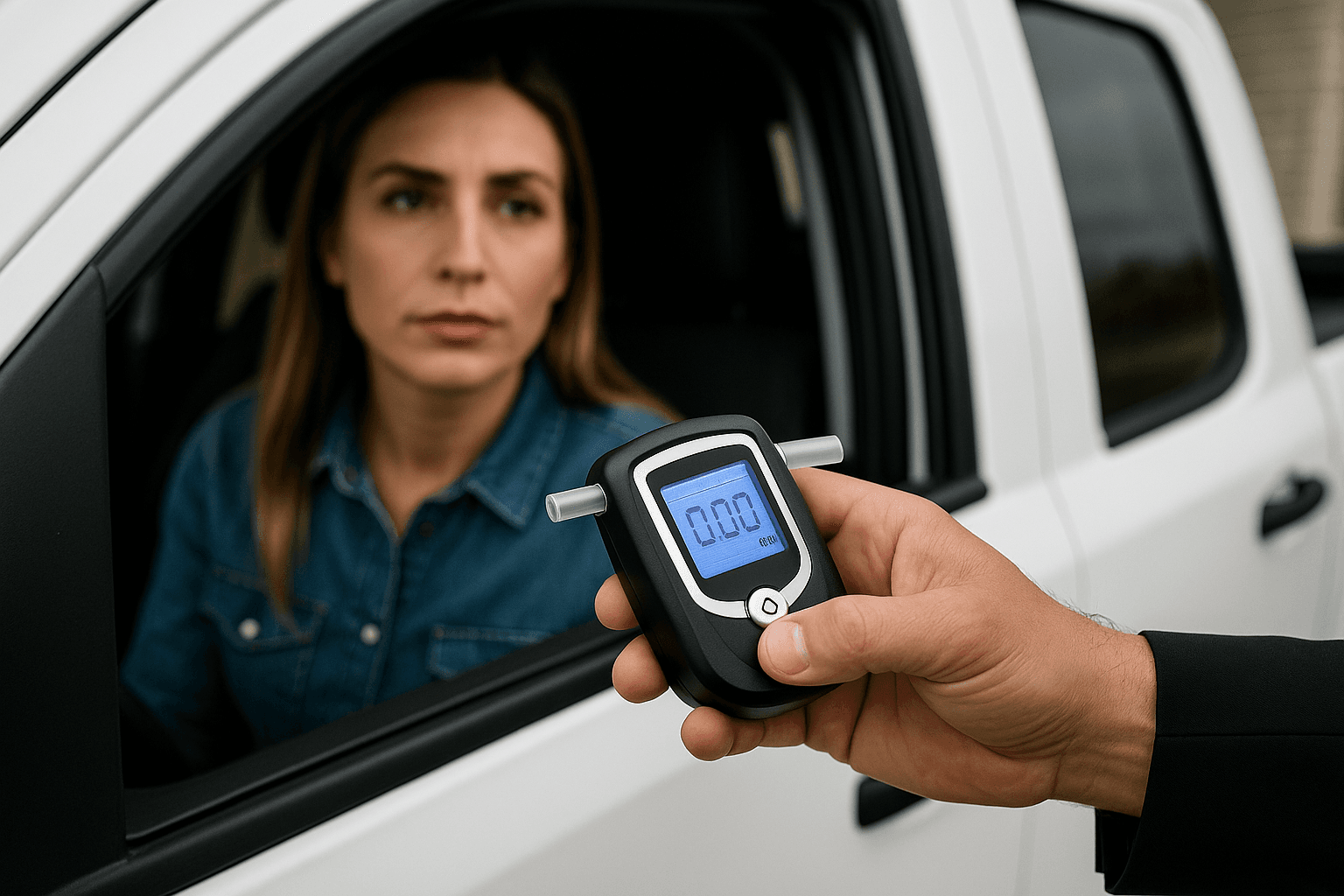
Some counties require ignition interlock device (IID) installation if your habitual offender designation includes multiple DUI convictions. The IID requirement adds $70-$150 per month in lease and monitoring costs. Missouri does not grant LDPs without IID for repeat DUI offenders. The IID condition remains in effect for the full duration of your LDP, not just the initial year.
What Happens When Your LDP Period Ends
Your LDP expires when your 10-year habitual offender denial period ends, calculated from your last conviction date. At that point, you petition the Missouri DOR for full license reinstatement. Reinstatement is not automatic. You must submit proof of continuous SR-22 coverage for the entire denial period, proof of completion of any court-ordered substance abuse treatment, payment of all outstanding fines and court costs, and a $200 reinstatement fee.
If your SR-22 coverage lapsed at any point during your LDP period, your 10-year clock resets to zero. Missouri DOR treats SR-22 lapses as proof of uninsured driving, which extends your denial regardless of whether you were actually driving. Habitual offenders cannot afford SR-22 gaps. Set up automatic payments with your insurer and verify quarterly that your SR-22 is on file with Missouri DOR.
Once reinstated, your SR-22 requirement typically continues for an additional 2-3 years post-reinstatement if your habitual offender designation included DUI convictions. Missouri requires long-term SR-22 filing for high-risk drivers. Your insurance costs remain elevated until the SR-22 requirement is fully satisfied and you rebuild a clean driving record.
Where Most Habitual Offender LDP Petitions Fail
Incomplete employment documentation is the most common denial reason. Courts require more than a self-written affidavit stating you need to drive for work. Submit a formal employer letter on company letterhead, signed by a supervisor or HR representative, confirming your hire date, job duties, work location, required hours, and a statement that loss of driving privilege will result in termination. Generic letters or letters that hedge on the termination consequence reduce approval odds materially.
Petitions that request driving privileges broader than documented need also fail at high rates. If your work hours are Monday through Friday 8 AM to 5 PM, do not request approval for evening or weekend driving. Courts interpret over-broad requests as evidence you intend to use the LDP for general convenience, not genuine hardship. Restrict your proposed schedule to exactly what your employer letter supports.
Failing to file SR-22 insurance before your hearing guarantees denial. Missouri courts will not grant an LDP to an uninsured driver. Obtain your SR-22 policy, confirm your insurer filed the certificate with Missouri DOR, and bring proof of filing to your hearing. Allow 7-10 business days for SR-22 processing before your scheduled court date.