You lost your license after a DUI or suspension in Tennessee and need to drive to keep your job. Nashville drivers apply through a court hearing, not the DMV—here's the real timeline, cost, and approval process.
Tennessee Hardship License Process Routes Through Court, Not the DMV
Tennessee does not grant hardship licenses through the Department of Safety administrative process. You file a petition for restricted driving privilege in the criminal court that handled your DUI or violation case, or in Davidson County Circuit Court if your suspension came from a points accumulation or insurance lapse. The DMV has no authority to issue or approve the license—they only process the physical credential after the court grants the order.
The court hearing is mandatory. You cannot mail in forms and wait for approval. Davidson County typically schedules hardship hearings 30-45 days after petition filing, depending on docket availability. If you filed your DUI case in a neighboring county (Williamson, Rutherford, Sumner) and now work in Nashville, you petition in the county where the conviction occurred, not where you live or work.
Most Nashville drivers discover this structure only after calling the DMV and being redirected to the clerk of court. The confusion costs weeks. If you lost your license within the last 10 days, you are already behind the timeline most employers will tolerate.
Eligibility Waiting Period and Approval Requirements
Tennessee allows hardship license petitions immediately after license suspension for first-offense DUI or most non-DUI suspensions. No mandatory waiting period applies to employment-based hardship requests. Second-offense DUI triggers a 45-day waiting period before you can petition. Third-offense or vehicular assault cases are ineligible for restricted driving privilege under Tennessee Code Annotated 55-50-504.
The court evaluates four criteria: proof of employment or educational enrollment, proof that no alternative transportation exists, completion of mandatory DUI school (if DUI-related), and SR-22 insurance filing active at the time of the hearing. Davidson County judges deny petitions most often for insufficient employer documentation—a letter on company letterhead stating you need to drive is not enough. The letter must specify your work hours, job site address, whether the role requires driving during work hours, and a signature from a supervisor or HR contact with a phone number the court can verify.
If your suspension stems from an insurance lapse, you must show continuous SR-22 coverage for at least 30 days before the hearing. Filing SR-22 the week before your court date typically results in a continuance, not approval.
Compare car insurance rates in your state
Get quotes from licensed carriers — no obligation, no spam, results in minutes.
Get Your Free Quote✓ No Obligation Required✓ Licensed Carriers Only✓ Available Nationwide✓ Free to Compare
Application Costs and Fee Structure
The hardship license petition filing fee in Davidson County is $350, paid to the clerk of court when you submit your petition. The Tennessee Department of Safety charges an additional $65 restricted license issuance fee after the court grants your order. If your underlying suspension includes a reinstatement fee—$250 for DUI, $75 for points accumulation, $40 for insurance lapse—that amount is due before the restricted license activates, even though the court approved it.
SR-22 insurance filing adds $200-$600 to your monthly premium depending on your violation. Nashville drivers with DUI typically pay $140-$280/month for state minimum liability with SR-22 endorsement through non-standard carriers. The SR-22 certificate itself costs $15-$50 as a one-time filing fee, but the premium increase is the real cost. Estimates based on available industry data; individual rates vary by driving history, vehicle, and coverage selections.
If you hire an attorney to file the petition and represent you at the hearing, fees in Nashville run $750-$1,500 for straightforward cases. Total first-month cost for most drivers: $1,500-$2,800 including petition fee, reinstatement fee, SR-22 setup, and legal help if used.
Approved Driving Hours and Route Restrictions
Tennessee restricted licenses limit driving to employment, education, medical appointments, court-ordered obligations (DUI school, probation meetings), and religious services. The court order specifies exact hours and days. A Nashville driver working Monday-Friday 7 AM to 4 PM receives approval to drive during those hours plus a 30-60 minute buffer for commute time on each end. Driving outside approved hours, even by 15 minutes, is a Class B misdemeanor and revokes the restricted license immediately.
Route restrictions are less rigid in Tennessee than in some states—the court order does not mandate specific roads or highways. But the destination is restricted. You cannot stop for groceries on the way home from work, even if the store is directly on your route. You cannot drive to a job interview at a second employer unless you petition to amend the order, which requires another hearing and another $150 modification fee in Davidson County.
Weekend or evening work schedules are approvable, but the employer letter must state the exact shift hours. If your schedule rotates or varies week to week, the court typically denies the petition or restricts you to the minimum consistent hours across all weeks. Gig work, freelance jobs, and on-call shifts are difficult to document in a way Davidson County judges accept.
SR-22 Filing Requirement and Ignition Interlock Device
Tennessee requires SR-22 filing for the entire duration of your restricted license period and for two years after your full license reinstates if the suspension was DUI-related. The SR-22 must be active before the court hearing—bring the certificate or electronic confirmation to court. If the SR-22 lapses at any point during the restricted period, the Department of Safety receives automatic notification from your insurer and suspends the restricted license within 10 days. There is no grace period.
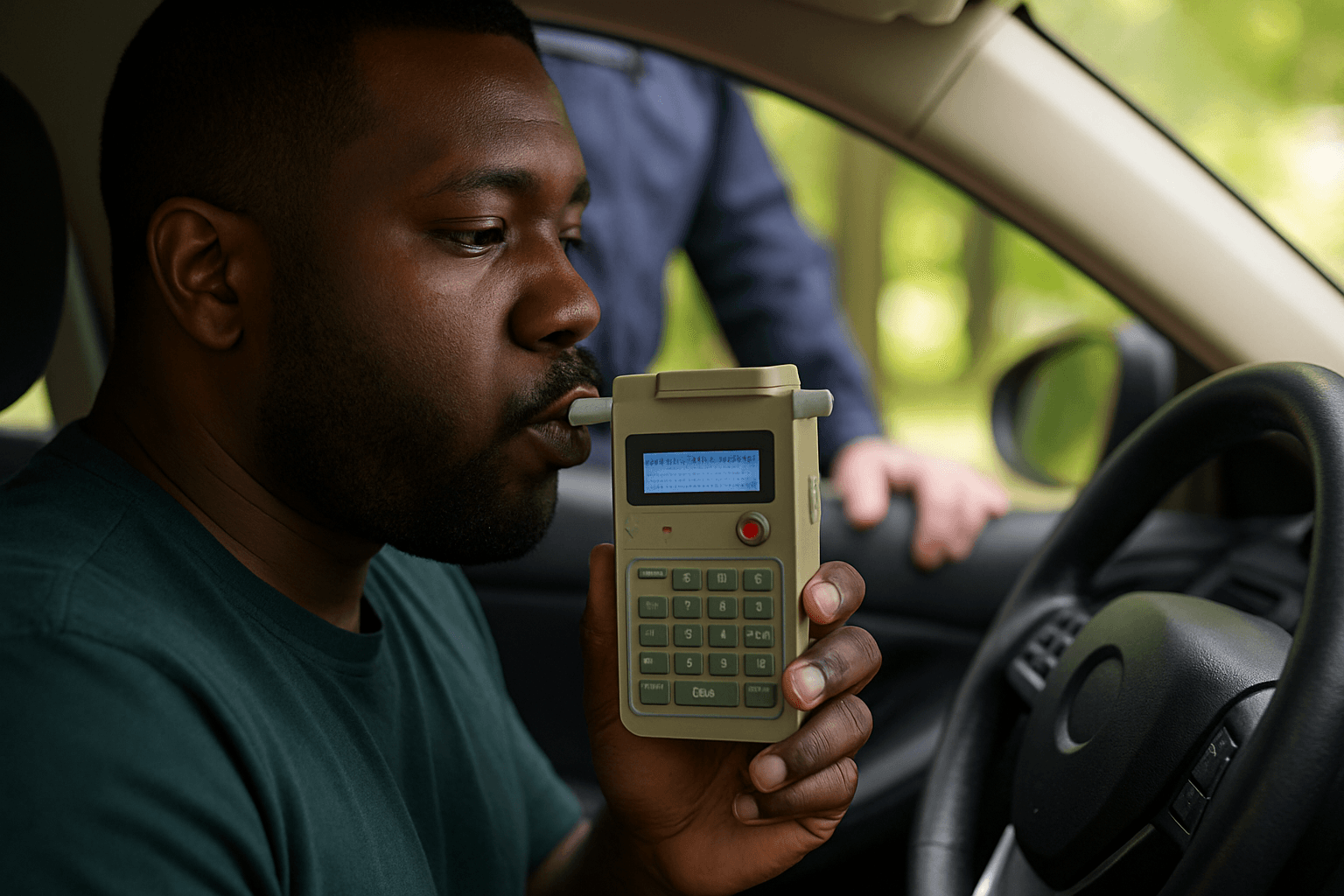
First-offense DUI in Tennessee does not mandate ignition interlock device (IID) installation unless your blood alcohol content was 0.15% or higher, or you refused the breathalyzer. Second-offense DUI requires IID for the entire restricted license period and for six months after full reinstatement. The device costs $75-$125 to install and $60-$90/month to maintain, paid directly to the IID provider. Davidson County has five certified IID installers; you must use a state-certified provider or the court will not approve your restricted license.
IID violations—failed breath tests, missed rolling retests, or tampering alerts—are reported to the court within 48 hours. A single violation typically results in a 30-day restricted license suspension. Two violations revoke it entirely and restart your underlying suspension period from zero.
Timeline from Petition to Approved Restricted License
The realistic timeline in Davidson County: 7-10 days to gather employer documentation and SR-22 proof, 1-2 days to file the petition with the clerk of court, 30-45 days until the hardship hearing date, 3-5 business days after the hearing for the court to process the order and send it to the Department of Safety, and 1-2 days to visit a Driver Services Center and receive the physical restricted license. Total: 45-65 days from the day you start the process to the day you can legally drive.
That timeline assumes no continuances. If the employer letter is incomplete, the judge continues the hearing and you wait another 30 days for the next available docket slot. If your SR-22 lapsed between filing and the hearing, same result. If you completed DUI school but the certificate has not posted to the court system yet, same result. Most Nashville drivers experience at least one continuance.
Once the court grants the order, you must visit a Driver Services Center in person with the signed court order, proof of SR-22, and payment for the $65 issuance fee. The Department of Safety does not mail restricted licenses. If you cannot get to a Driver Services Center within five business days of the court order, the order expires and you must petition again.
Restricted License Duration and Path to Full Reinstatement
Tennessee restricted licenses remain active for the duration of your underlying suspension period. A one-year DUI suspension means you drive on a restricted license for one year, assuming the court approved your petition. The restricted license does not shorten your suspension—it only allows limited driving during it. When the suspension period ends, you still owe the full reinstatement fee to the Department of Safety before your unrestricted license is returned.
DUI-related suspensions in Tennessee carry a two-year SR-22 filing requirement after full reinstatement. Non-DUI suspensions (points, lapse, failure to pay child support) require SR-22 only during the restricted period, not after. Letting the SR-22 lapse even one day during the post-reinstatement filing period resets the two-year clock to zero. Your carrier is required to notify the state within 10 days of any lapse, and the state suspends your license again within 15 days.
Violating the restricted license terms—driving outside approved hours, driving for non-approved purposes, failing an IID test—revokes the restricted license and adds 30-90 days to your underlying suspension. There is no appeal process for administrative IID revocations in Tennessee. The restricted license is a privilege the court grants, not a right, and judges in Davidson County revoke it without hesitation.