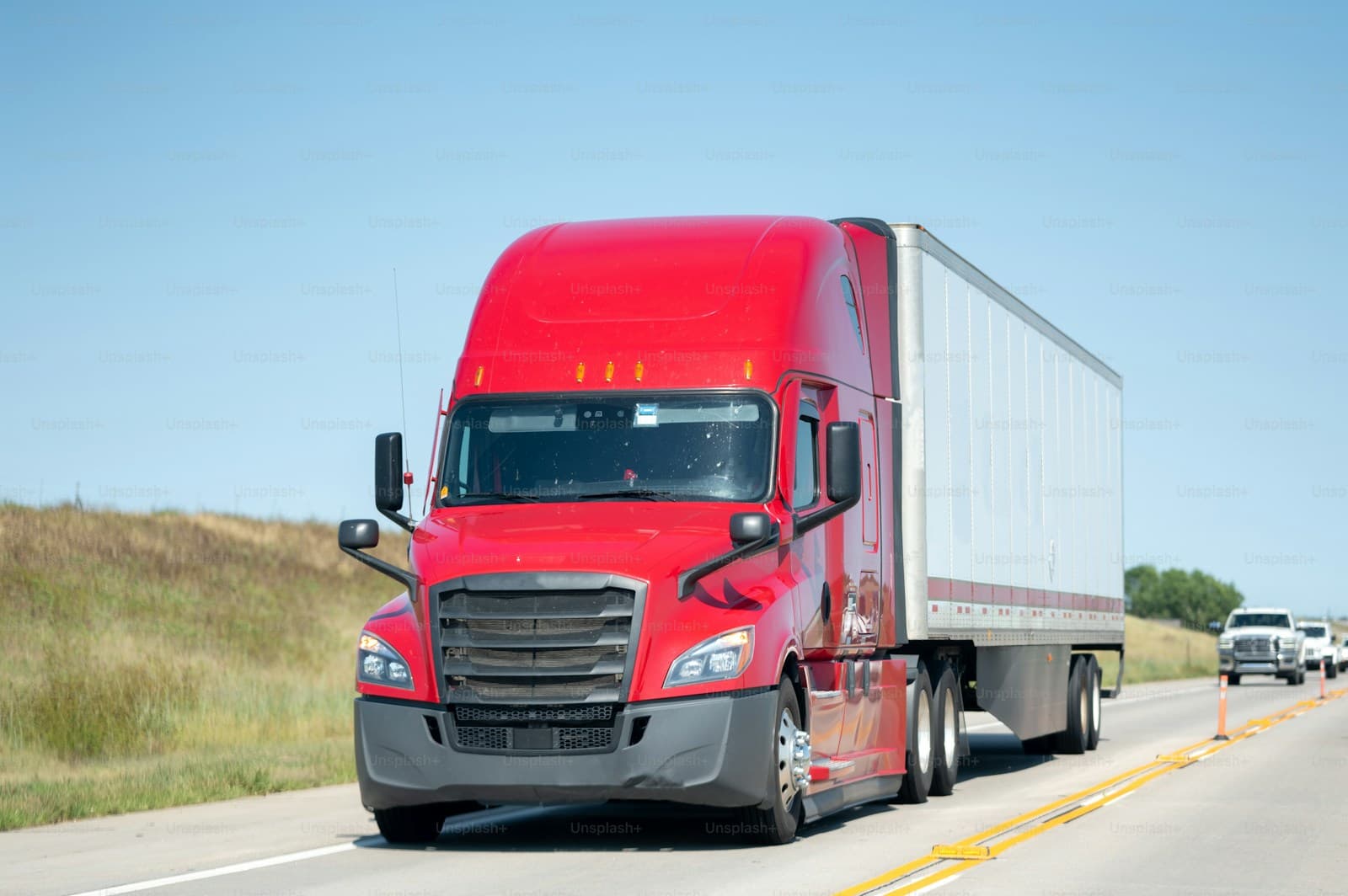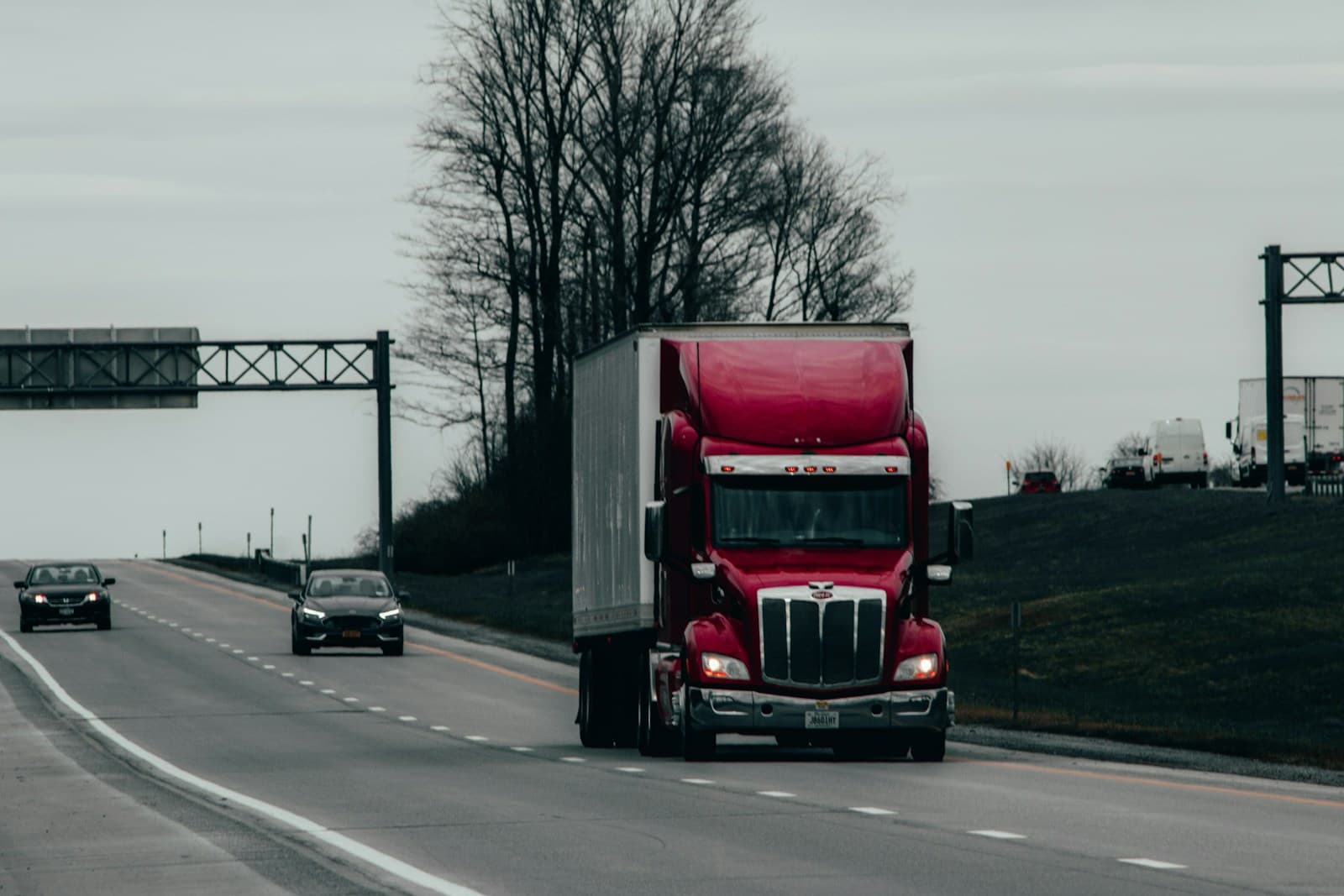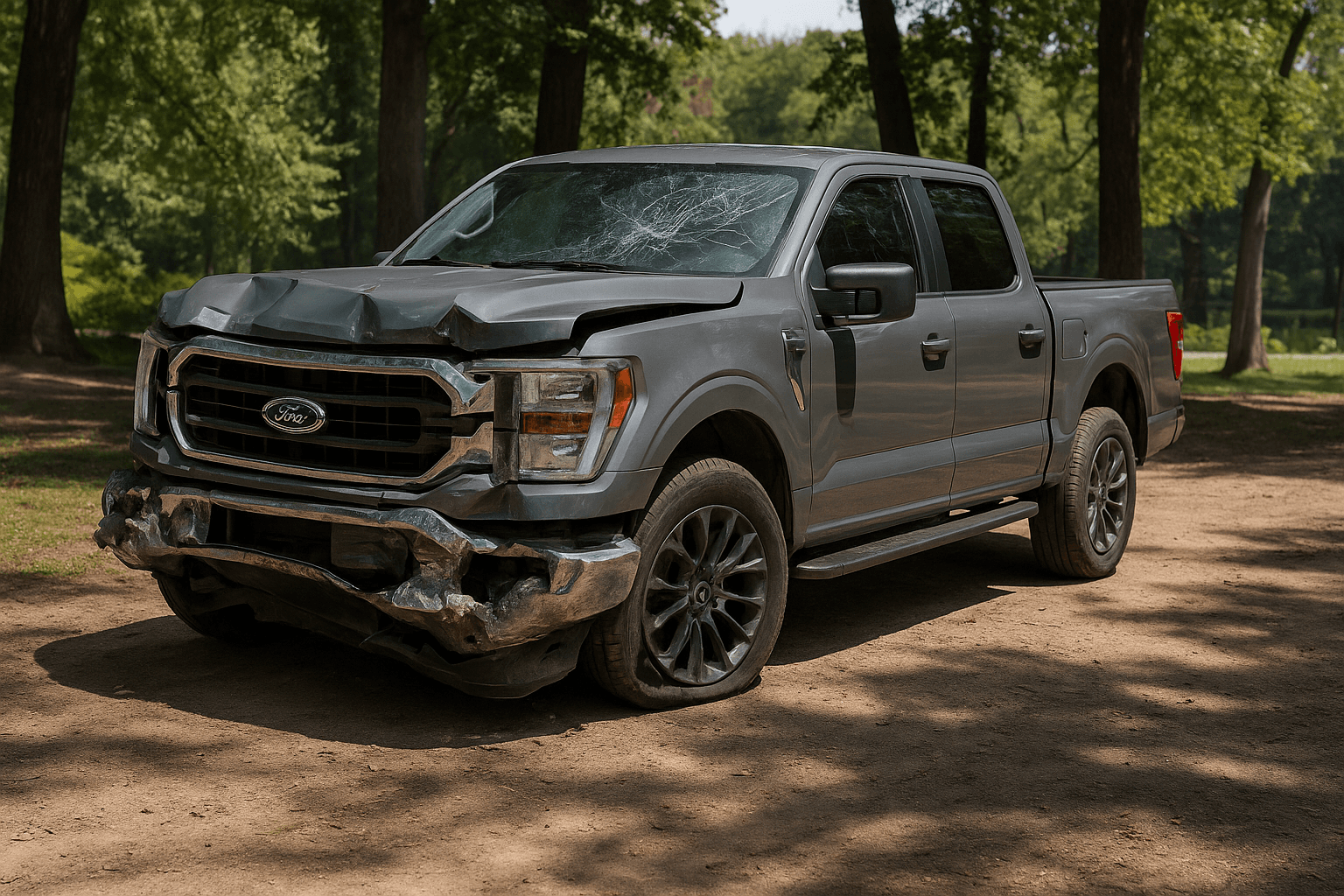
If you hold a commercial driver's license in Alabama and just lost your driving privilege, you cannot get a hardship license for commercial driving — only personal use. Here's what that means for your CDL career.
Alabama Hardship Licenses Exclude Commercial Driving Entirely
Alabama Code § 32-6-42.1 allows hardship licenses for employment, medical, and educational purposes — but explicitly excludes operation of commercial motor vehicles. If you hold a CDL and lost your privilege due to DUI, multiple violations, or refusal to test, the hardship license you receive will restrict you to personal-use driving only. You cannot operate a commercial vehicle under any hardship arrangement in Alabama.
This creates an immediate employment crisis for professional drivers. Your employer cannot legally assign you to drive commercial routes, even if you obtain a hardship license within days of suspension. The restriction applies to all CMV classes: Class A tractor-trailers, Class B buses and delivery trucks, and Class C vehicles requiring placards or designed for 16+ passengers.
Most CDL holders learn this restriction only after filing for hardship relief. The Alabama Law Enforcement Agency does not publish CDL-specific hardship guidance on its public reinstatement pages, and many attorneys unfamiliar with commercial licensing assume hardship licenses restore all driving privileges. They do not.
What the Hardship License Actually Allows for CDL Holders
Alabama hardship licenses authorize driving to and from work, medical appointments, school, and court-ordered programs — using a personal vehicle only. If your job involves non-driving duties at a trucking company, warehouse, or terminal, you can drive yourself to that job. You cannot drive the commercial vehicles once you arrive.
The approved purposes are narrow and tied to proof. You must document your employment with a letter on company letterhead stating your work location, hours, and job title. If your role is listed as 'CDL driver,' the court may deny the hardship application outright, or approve it with an explicit personal-vehicle-only restriction. Approved routes are listed on the hardship order by street name and destination — deviation risks revocation and extension of your underlying suspension.
Typical hardship approval in Alabama allows 12 hours of driving per day, 6 days per week, Monday through Saturday. That window covers commuting and errands, not commercial operation. If your CDL career requires you to drive commercially, the hardship license does not solve your problem.
Compare car insurance rates in your state
Get quotes from licensed carriers — no obligation, no spam, results in minutes.
Get Your Free Quote✓ No Obligation Required✓ Licensed Carriers Only✓ Available Nationwide✓ Free to Compare
How CDL Disqualification Runs Parallel to State Suspension
When an Alabama CDL holder is convicted of DUI, refusal to test, or certain serious violations, two suspensions occur simultaneously. The Alabama Law Enforcement Agency suspends your state driving privilege under Alabama Code § 32-5A-195. The Federal Motor Carrier Safety Administration disqualifies your CDL under 49 CFR 383.51. These are separate actions with separate timelines.
The CDL disqualification period cannot be shortened by hardship relief. A first-offense DUI triggers a one-year CDL disqualification. A refusal to submit to testing also triggers one year. If the offense occurred while operating a CMV, the disqualification applies even if you obtain a hardship license for personal driving. The federal disqualification clock does not pause, reduce, or allow restricted commercial privileges.
This means even if you successfully obtain an Alabama hardship license within 30 days of your suspension, you still cannot drive commercially for the full federal disqualification period — typically one year minimum. Your personal-use driving privilege is restored for approved purposes. Your commercial driving privilege is not.
SR-22 Filing Required for Hardship Approval and CDL Reinstatement
Alabama requires SR-22 certificate of financial responsibility filing for hardship license approval and for full license reinstatement after DUI, multiple violations, or at-fault accidents without insurance. The filing must remain active for three years from the violation date. If the SR-22 lapses even one day during that period, Alabama automatically suspends your license and restarts the three-year clock.
CDL holders face a narrower carrier market for SR-22 policies. Most national carriers that write standard commercial auto policies do not write individual SR-22 endorsements for owner-operators or personal-use policies for suspended CDL holders. You will need a non-standard carrier willing to file SR-22 in Alabama: The General, Safe Auto, Acceptance Insurance, Dairyland, Direct Auto, or regional Alabama-based carriers like ALFA or GAINSCO.
Monthly premiums for SR-22 policies after DUI suspension typically run $180–$320/month in Alabama for minimum liability coverage. The SR-22 filing fee is $25–$50 depending on the carrier. This premium applies to your personal-use vehicle during the hardship period — it does not restore your commercial driving privilege or cover CMV operation.
Timeline and Cost to Return to Commercial Driving
Full reinstatement of CDL privileges in Alabama requires completion of both the state suspension and the federal disqualification period, payment of reinstatement fees, proof of SR-22 filing, and in most DUI cases, completion of a state-certified DUI program. The Alabama DUI program costs $600–$900 and requires 12 weeks of classes. Ignition interlock device installation is mandatory for DUI offenses, running $75–$125/month for the duration of your hardship period and often extending into full reinstatement.
Total cost for a first-offense DUI hardship and reinstatement in Alabama typically runs $3,200–$5,500 when you include court fines ($600–$2,100), reinstatement fees ($200), SR-22 premiums over one year ($2,160–$3,840), IID costs ($900–$1,500 over 12 months), and DUI program fees. That figure assumes no attorney fees and no extended IID period beyond the minimum.
The realistic timeline to return to commercial driving after a DUI suspension is 12–18 months. You serve the one-year federal CDL disqualification with no option to shorten it. You may obtain a hardship license for personal use within 90 days of suspension if you meet eligibility requirements, but that does not restore your commercial privilege. Most CDL holders cannot remain employed in driving roles during this period and must seek non-driving work or leave the industry entirely.
What to Do If You Just Lost Your CDL Privilege
Contact the Alabama Law Enforcement Agency Driver License Division within 10 days of your suspension notice to confirm your suspension start date, federal disqualification period, and reinstatement requirements. Request written confirmation of your CDL disqualification timeline — the state suspension and federal disqualification periods do not always align, and you need both dates to plan.
If you need to drive for non-commercial purposes during your suspension, file for a hardship license through the circuit court in the county where you were charged. Alabama allows hardship applications 90 days after a DUI suspension begins, or immediately for certain non-DUI suspensions. Bring proof of employment, proof of SR-22 filing, proof of IID installation if required, and a completed hardship application. Expect a hearing date 2–4 weeks after filing.
If your livelihood depends on commercial driving and you cannot wait 12 months, evaluate non-driving roles within the transportation industry. Dispatch, logistics coordination, terminal operations, and freight brokerage roles do not require an active CDL. Some employers will hold a position for returning drivers if you communicate your reinstatement timeline clearly and meet it without violation. Missing a single IID test or allowing SR-22 to lapse resets your entire timeline and often results in immediate termination.