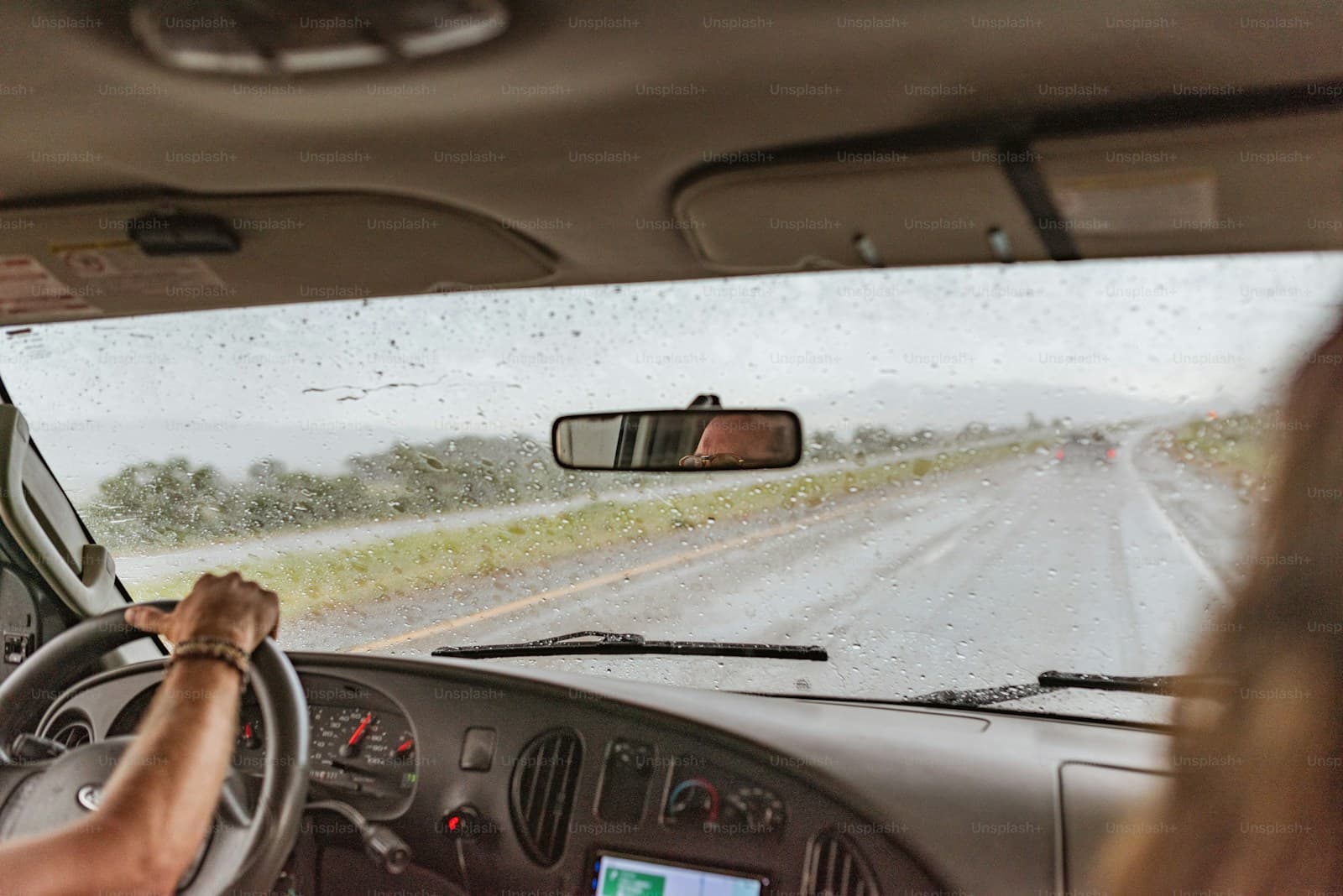
Mississippi requires SR-22 filing even if you don't own a vehicle—and your hardship license allows driving an employer or family car under strict conditions. Here's how non-owner SR-22 works when the car isn't yours.
What Non-Owner SR-22 Actually Covers When You Drive Someone Else's Vehicle
A non-owner SR-22 policy in Mississippi provides liability-only coverage that follows you as the driver, not the vehicle. If you cause an accident while driving your employer's truck or a family member's car, your non-owner policy covers bodily injury and property damage you cause to others—up to your policy limits—but pays nothing for damage to the vehicle you were driving.
Mississippi's minimum liability limits are 25/50/25: $25,000 per person for bodily injury, $50,000 per accident for bodily injury, and $25,000 for property damage. Your non-owner SR-22 meets the state filing requirement at these minimums, but if you total your employer's $18,000 work van in an at-fault crash, your non-owner policy pays zero toward that van. The employer's commercial auto policy may cover the damage if it includes permissive-use coverage, but many employers exclude non-owned drivers or require separate endorsements.
This gap is why Mississippi employers often require proof that their vehicle's policy covers you as a permissive driver before allowing hardship-license holders behind the wheel. Your SR-22 filing proves you carry liability insurance; it does not prove the employer's asset is protected if you wreck it.
How Mississippi Hardship Licenses Work with Employer and Family Vehicles
Mississippi grants hardship licenses—called Restricted Driver's Licenses under Miss. Code § 63-1-49—after a 30-day waiting period following most DUI-related suspensions, or immediately for insurance-lapse suspensions if you can prove financial hardship. The license allows driving only for approved purposes: employment, education, medical treatment, and court-ordered obligations. Approved hours and routes are listed on the hardship order issued by the chancery or circuit court.
You may drive any vehicle during approved hours and for approved purposes, including employer-owned vehicles, family vehicles, or rental cars. Mississippi does not require the vehicle to be registered in your name. The vehicle's owner must carry liability insurance that meets state minimums, and you must carry your own non-owner SR-22 policy—both policies must be active simultaneously. If the vehicle owner's policy lapses or excludes you as a driver, you are driving uninsured even if your non-owner SR-22 is current.
Violating your hardship restrictions—driving outside approved hours, for unapproved purposes, or in an unapproved vehicle type—triggers immediate revocation of the hardship license and extends your underlying suspension by the length of time remaining on the original suspension. Mississippi does not issue warnings; law enforcement reports the violation directly to the Department of Public Safety, and your hardship privilege is revoked within 10 days.
Compare car insurance rates in your state
Get quotes from licensed carriers — no obligation, no spam, results in minutes.
Get Your Free Quote✓ No Obligation Required✓ Licensed Carriers Only✓ Available Nationwide✓ Free to Compare
Non-Owner SR-22 Costs in Mississippi and Which Carriers Write the Policy
Non-owner SR-22 policies in Mississippi typically cost $40–$75 per month for minimum liability limits, with the SR-22 filing fee adding $25–$50 as a one-time charge. Total first-month cost runs $65–$125, then $40–$75 monthly thereafter. Your premium depends on your violation type: DUI violations push premiums toward the higher end, while insurance-lapse suspensions cluster near the lower end.
Carriers that write non-owner SR-22 policies in Mississippi include Direct Auto, The General, Acceptance Insurance, Safe Auto, and Dairyland. National carriers like State Farm and GEICO rarely write non-owner policies for hardship-license holders, and regional carriers like Southern Farm Bureau typically decline SR-22 applicants with DUI violations. Expect to work with non-standard carriers that specialize in high-risk drivers.
The SR-22 filing must remain active for 3 years from your conviction date for DUI violations under Mississippi law, or until your DMV reinstatement is complete for other suspension types. If your non-owner policy lapses for any reason—missed payment, cancellation, non-renewal—the carrier notifies the Department of Public Safety within 10 days, your hardship license is revoked, and your 3-year SR-22 clock resets to zero the day you refile.
Employer Documentation Requirements and Permissive Use Coverage Gaps
Mississippi courts issuing hardship licenses require employer documentation proving your job requires driving: a signed letter on company letterhead stating your job title, work hours, work address, and confirmation that driving is essential to your role. If you drive an employer-owned vehicle, many employers also require proof that you carry non-owner SR-22 insurance before allowing you behind the wheel—even though Mississippi statute does not mandate this.
The employer's concern is permissive-use coverage. Most commercial auto policies cover permissive drivers only if the driver is licensed and not excluded by name. Your hardship license is a valid Mississippi license for purposes of permissive use, but some commercial insurers exclude any driver with a DUI conviction or active SR-22 requirement. If the employer's policy excludes you, and you drive the vehicle anyway, the employer's insurance pays nothing if you crash—leaving the employer personally liable for damages.
Before driving any employer or family vehicle, confirm in writing that the owner's insurance policy covers permissive drivers with hardship licenses and SR-22 filings. Request a declaration page or a letter from the owner's insurer confirming you are not excluded. This documentation protects you from uninsured-driving charges and protects the vehicle owner from uncovered losses.
What Happens If You Crash an Employer Vehicle While on a Hardship License
If you cause an at-fault accident while driving your employer's vehicle under a Mississippi hardship license, your non-owner SR-22 policy pays liability claims up to your policy limits—covering injuries and property damage you cause to others. The employer's commercial auto policy handles physical damage to the employer's vehicle if the policy includes comprehensive and collision coverage and does not exclude you as a driver.
If the employer's policy excludes you or includes a named-driver restriction that you do not meet, the employer's insurer denies the claim for vehicle damage. The employer then seeks reimbursement from you personally for the vehicle's repair or replacement cost. Mississippi does not require non-owner policies to include any physical damage coverage, and standard non-owner SR-22 policies explicitly exclude coverage for vehicles you drive regularly or vehicles available for your regular use.
If the at-fault crash involves injuries or property damage exceeding your non-owner policy limits—say, $50,000 in medical bills when your policy caps at $50,000 per accident—you are personally liable for the excess. Mississippi allows injured parties to pursue wage garnishment and asset liens for unsatisfied judgments. Carrying higher liability limits (50/100/50 or 100/300/100) costs $15–$40 more per month on a non-owner SR-22 policy and eliminates most personal-liability exposure in multi-vehicle crashes.
How to Apply for a Mississippi Hardship License with Non-Owner SR-22
Mississippi requires you to file for a hardship license through your county chancery court or circuit court—not through the Department of Public Safety. You must wait 30 days from your suspension date for most DUI-related suspensions, or 0 days for insurance-lapse suspensions if you can document financial hardship. Your petition must include proof of SR-22 filing, employer documentation, proof of enrollment in an approved DUI education program (if applicable), proof of ignition interlock installation (if required), and payment of a $100 hardship license application fee.
You obtain non-owner SR-22 before filing your hardship petition. Contact a non-standard carrier that writes SR-22 policies in Mississippi (Direct Auto, The General, Acceptance, Safe Auto, Dairyland), request a non-owner policy at minimum liability limits or higher, and pay your first month's premium plus the SR-22 filing fee. The carrier electronically files your SR-22 certificate with the Mississippi Department of Public Safety within 24–48 hours. You receive a copy of the SR-22 certificate via email or mail, which you submit with your hardship petition.
The court schedules a hardship hearing within 2–4 weeks of your petition filing. You present your case, and the judge issues a hardship order specifying approved driving purposes, approved hours, and approved routes. You take the signed hardship order to any Mississippi driver's license station, pay a $25 reinstatement fee, and receive your Restricted Driver's License. Total upfront cost typically runs $600–$1,200: $100 court fee, $25 reinstatement fee, $65–$125 first-month SR-22 premium, $300–$800 for DUI program enrollment (if required), and $75–$150 ignition interlock installation (if required).