Your Colorado restricted license requires immediate DMV notification for address changes, job changes, and vehicle swaps. Miss the update window and your driving privilege can be revoked without warning.
Colorado Restricted License Updates Aren't Optional—They're Compliance Triggers
Colorado's restricted license (occupational license in DMV terminology) grants you conditional driving privilege based on approved employment, approved routes, and a registered vehicle. When any of those three anchors changes, your license conditions change with them. The DMV requires advance notification for address changes, job changes, and vehicle changes because each affects the legal scope of your driving privilege.
Most states treat mid-period changes as administrative updates. Colorado treats them as compliance checkpoints. Your restricted license was issued with specific employer documentation, specific approved hours, and a specific vehicle registration. Change any of those without updating the DMV and you're driving outside your approved conditions—which reads as a violation of your restricted license terms, not a paperwork oversight.
The practical consequence: a traffic stop during your commute can result in an immediate restricted license revocation if the officer runs your plate and finds a vehicle mismatch, or if your listed employer no longer matches DMV records. There is no grace period for retroactive updates.
Address Changes Require DMV Notification Within 30 Days
Colorado law requires all drivers to report address changes to the DMV within 30 days. For restricted license holders, that 30-day window carries additional weight because your approved routes are tied to your residential address on file. Move without updating and your documented commute path no longer matches your actual route.
The update process requires submitting a new DR 2489 form (Address Change Request) and paying a $7.20 processing fee. If your address change crosses county lines, expect the DMV to flag your file for a restricted license condition review. Some county DMV offices require you to resubmit employer verification and route documentation when your residential address changes, particularly if the new commute distance or route differs significantly from the original approval.
Your SR-22 carrier must also be notified immediately. Address mismatches between your SR-22 certificate and your DMV file can trigger a compliance flag, which the DMV interprets as a lapse in continuous coverage. Most non-standard carriers allow online address updates, but the SR-22 form itself must be re-filed with the updated address to maintain unbroken compliance.
Compare car insurance rates in your state
Get quotes from licensed carriers — no obligation, no spam, results in minutes.
Get Your Free Quote✓ No Obligation Required✓ Licensed Carriers Only✓ Available Nationwide✓ Free to Compare
Job Changes Require New Employer Verification and Route Approval
Your Colorado restricted license was granted based on employment verification from a specific employer. Change jobs and that foundational documentation no longer supports your restricted license. The DMV does not automatically transfer your driving privilege to a new employer—you must submit updated employer verification and request amended route approval before you can legally drive to the new job.
The process requires filing a new DR 2444 form (Petition for Restricted License) with updated employer documentation: a signed letter on company letterhead verifying your position, work schedule, and business address. Processing typically takes 10-14 business days, during which you are not authorized to drive to the new job under your restricted license. Some drivers attempt to bridge the gap by driving to the new employer before approval—this is driving outside your restricted license conditions and can result in immediate revocation.
If your new job has different hours or requires a substantially different route, the DMV may require you to attend a new hardship hearing to justify the amended conditions. Work-from-home positions or jobs without fixed schedules are particularly difficult to document, and many DMV hearing officers deny restricted license amendments for remote work because the employment does not demonstrate the transportation hardship the restricted license is designed to address.
Vehicle Changes Require SR-22 Re-Filing and Registration Updates
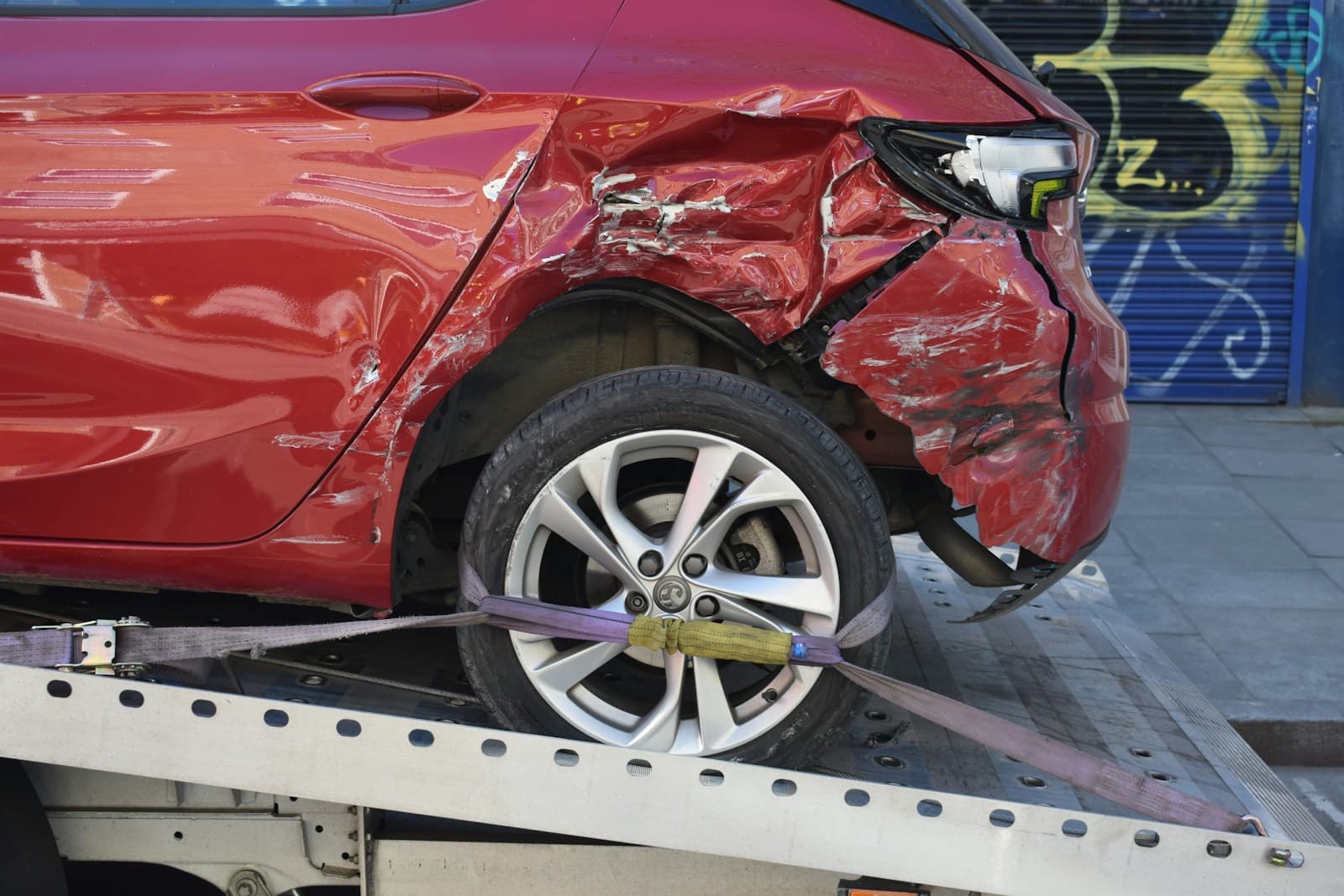
Your restricted license authorizes you to operate a specific registered vehicle. Sell that vehicle, total it in an accident, or switch to a different car and you must update both your vehicle registration and your SR-22 certificate before driving the new vehicle under restricted license authority.
The DMV requires you to register the new vehicle in your name and ensure your SR-22 certificate reflects the updated VIN. Most non-standard carriers issue an updated SR-22 within 24-48 hours of a vehicle change request, but the filing must reach the DMV before you operate the new vehicle. If you're pulled over during your restricted license hours in a vehicle not listed on your SR-22 or registration, the officer has grounds to cite you for driving without valid SR-22 coverage—even if your policy is active and current.
Vehicle changes also trigger a review of your ignition interlock device (IID) requirement if your restricted license was issued post-DUI. The new vehicle must have an IID installed and calibrated before you can legally operate it under restricted license conditions. Colorado does not allow you to drive the new vehicle to an IID installation appointment—you must arrange towing or have the device installed at your location.
What Happens If You Don't Report Changes
Colorado does not issue warnings for unreported mid-period changes. The DMV's position is that your restricted license was granted under specific conditions, and operating outside those conditions violates the terms of your hardship approval. The most common discovery point is a traffic stop: the officer runs your license and plate, identifies a mismatch between your approved vehicle or address and your current situation, and issues a citation for violating restricted license terms.
That citation typically triggers an immediate DMV compliance review. The review can result in restricted license suspension, extended SR-22 filing duration, or denial of future hardship petitions. In DUI-related restricted license cases, unreported changes can also trigger ignition interlock violations, which carry mandatory license revocation and extended suspension periods under Colorado's IID compliance rules.
Reporting changes does not guarantee approval—DMV hearing officers can deny route amendments or new employer verifications if the new conditions don't meet hardship standards—but failing to report guarantees enforcement when you're eventually caught operating outside your approved terms.
How to Report Changes Without Losing Your Driving Privilege
Address changes require filing DR 2489 and updating your SR-22 carrier within the same 30-day window. Submit both updates simultaneously to avoid creating a compliance gap between your DMV file and your SR-22 certificate. Most drivers use the online DMV portal for address updates, but restricted license holders should file in person or via certified mail to create a paper trail proving timely submission.
Job changes require advance planning. Request updated employer verification from your new employer before your start date, file DR 2444 at least 15 business days before you need to drive to the new job, and do not operate your vehicle for work purposes until you receive written confirmation of amended route approval. If your new job starts before DMV approval comes through, arrange alternative transportation or risk revocation.
Vehicle changes require coordinating three entities: your insurance carrier (to update the SR-22), the DMV (to register the new vehicle), and your IID provider if applicable (to install and calibrate the device in the new vehicle). Complete all three before driving the new vehicle under restricted license authority. Most carriers allow you to overlap coverage for 24-48 hours to bridge the transition, but the SR-22 filing for the new vehicle must reach the DMV before your first restricted-hour drive.