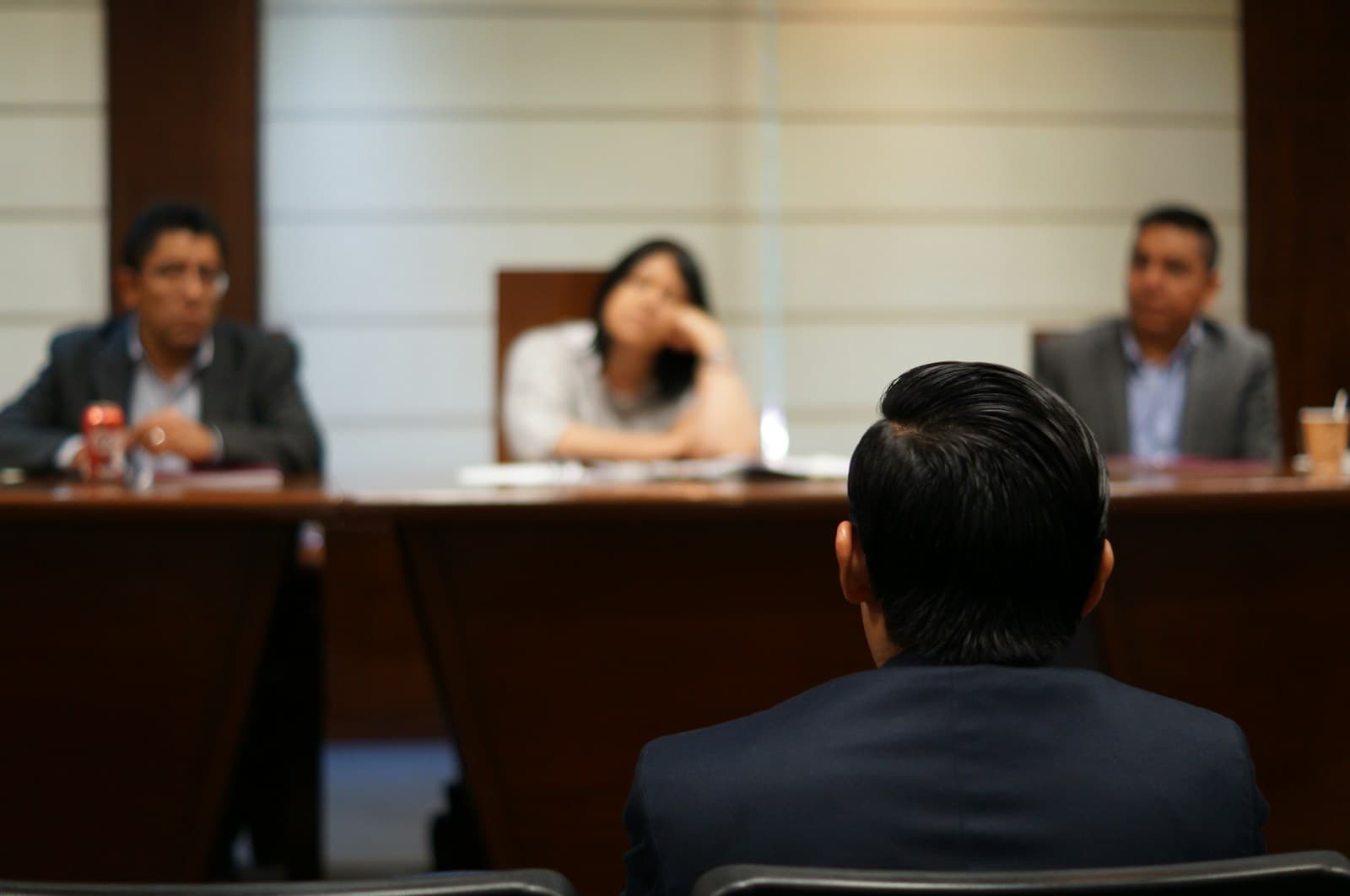
Your occupational license hearing is scheduled, you have employer documentation ready, and you need SR-22 filing timed correctly. Here's how to coordinate all three without missing the narrow approval window.
Why SR-22 Filing Must Be Active Before Your Occupational License Hearing
Ohio courts verify SR-22 filing status during occupational license hearings, not after approval. If your SR-22 isn't showing as active in the BMV system when the judge reviews your petition, your application gets continued to a future date — adding 30 to 60 days to your timeline and often requiring a second employer letter confirming your job still exists.
Carrier processing from policy purchase to BMV-visible filing takes 3 to 10 business days depending on the carrier and filing method. Bristol West and Progressive typically file electronically within 3 to 5 days. The General and Safe Auto average 7 to 10 days for manual filings. If your hearing is April 15, your SR-22 policy needs to be bound by April 5 at the latest to guarantee BMV visibility.
The consequence most drivers miss: Ohio Revised Code 4507.06 gives courts discretion to deny occupational privileges if insurance compliance appears uncertain. Judges interpret "not yet filed" as noncompliance, even if you show a paid invoice. Active SR-22 status visible in the BMV database at hearing time is non-negotiable for same-day approval.
What Employer Documentation Actually Needs to Say
Ohio courts require employer documentation on company letterhead confirming your job title, work address, scheduled work hours, and a statement that driving is essential to your employment. The letter must be dated within 30 days of your hearing and signed by a supervisor with contact information the court can verify.
The most common rejection reason: vague necessity language. "John needs to drive for work" gets rejected. "John's position as a service technician requires travel to 4-6 customer sites daily within Franklin County, and no alternative transportation is available to these locations" meets the standard. Courts want proof that losing your license threatens your job, not just that having a license would be convenient.
If you're self-employed, Ohio accepts business registration documentation, client contracts showing location-based services, and a notarized affidavit explaining why personal driving is required. Uber, Lyft, and gig-economy work qualify, but you need platform documentation showing active driver status and typical weekly trip volume. Courts deny applications from self-employed drivers who cannot demonstrate consistent, location-dependent income.
Compare car insurance rates in your state
Get quotes from licensed carriers — no obligation, no spam, results in minutes.
Get Your Free Quote✓ No Obligation Required✓ Licensed Carriers Only✓ Available Nationwide✓ Free to Compare
How to Coordinate SR-22 Carrier Selection With Hearing Timeline
Not all SR-22 carriers file at the same speed, and Ohio occupational license hearings are scheduled 4 to 8 weeks out from application. If your hearing date is tight, carrier processing speed matters more than monthly premium.
Electronic filers — Progressive, Bristol West, Dairyland — show active SR-22 status in the Ohio BMV system within 3 to 5 business days from policy binding. Paper filers — The General, Safe Auto, Acceptance — average 7 to 10 days and occasionally run longer if county processing backlogs exist. If your hearing is less than 14 days away, eliminate paper-filing carriers entirely and pay the premium difference for electronic filing.
Carrier contact during the filing window is critical. Call the carrier 48 hours after binding your policy and request verbal confirmation that your SR-22 has been transmitted to the Ohio BMV. Then call the Ohio BMV at 614-752-7600 to verify filing visibility in their system 24 hours before your hearing. If the filing isn't visible, you have one business day to resolve the gap or request a hearing continuance.
What Happens at the Occupational License Hearing
Ohio occupational license hearings are brief administrative proceedings, typically 10 to 15 minutes, where a magistrate or judge reviews your petition, employer documentation, SR-22 status, and suspension history. You'll answer questions about your work schedule, route specificity, and why alternative transportation isn't viable.
The judge verifies three items in real time: active SR-22 filing in the BMV database, employer documentation dated within 30 days, and absence of additional violations during your suspension period. If all three check out, you receive a restricted license valid for work, medical appointments, court-ordered programs, and sometimes childcare or education depending on the county. If SR-22 status shows pending or not found, the hearing gets continued regardless of other documentation quality.
Approved driving hours are written directly into the court order and enforced strictly. A typical order allows driving Monday through Friday, 6 AM to 6 PM, within a 50-mile radius of your residence or workplace. Violation of approved hours — even by 10 minutes — revokes the occupational license immediately and often extends your underlying suspension by 6 to 12 months under ORC 4507.02.
How Long Occupational License SR-22 Filing Lasts in Ohio
Ohio occupational license SR-22 filing runs for the full duration of your underlying suspension, not the duration of the occupational license itself. If you're suspended for 2 years and granted an occupational license after 60 days, your SR-22 requirement lasts the remaining 22 months plus any court-ordered extension.
Most DUI-related suspensions in Ohio require 3 years of SR-22 filing measured from reinstatement eligibility date, not conviction date. That means if your suspension is 1 year but your SR-22 filing period is 3 years, you'll maintain SR-22 coverage for 2 additional years after full license reinstatement. Letting SR-22 lapse at any point during this period resets your filing clock to zero and triggers a new suspension.
Your carrier is required to notify the Ohio BMV if your SR-22 policy cancels for nonpayment or any other reason. The BMV receives electronic notification within 24 hours and issues an immediate suspension notice. Reinstatement after SR-22 lapse requires a new filing, reinstatement fee of $475, and often a new occupational license hearing if your original suspension period hasn't expired.
What to Do If Your Hearing Is Scheduled Before SR-22 Filing Completes
If your occupational license hearing is scheduled within 10 days and your SR-22 filing hasn't processed yet, contact the court clerk immediately to request a continuance. Ohio courts routinely grant one continuance for insurance processing delays if you provide proof of policy purchase and carrier filing confirmation.
Bring three items to your continuance request: a copy of your paid SR-22 policy declaration page, written confirmation from the carrier showing SR-22 filing transmission date, and a printout of your BMV driving record showing no new violations during suspension. Most courts reschedule within 14 to 21 days, giving your filing time to clear.
Do not attend your scheduled hearing hoping the SR-22 will show up in the system by hearing time. If it doesn't, you've used your one automatic hearing slot and the next available date is often 6 to 8 weeks out. Proactive continuance requests filed 5 to 7 days before your hearing date preserve your spot in the queue and demonstrate compliance intent, which magistrates note favorably in their written orders.