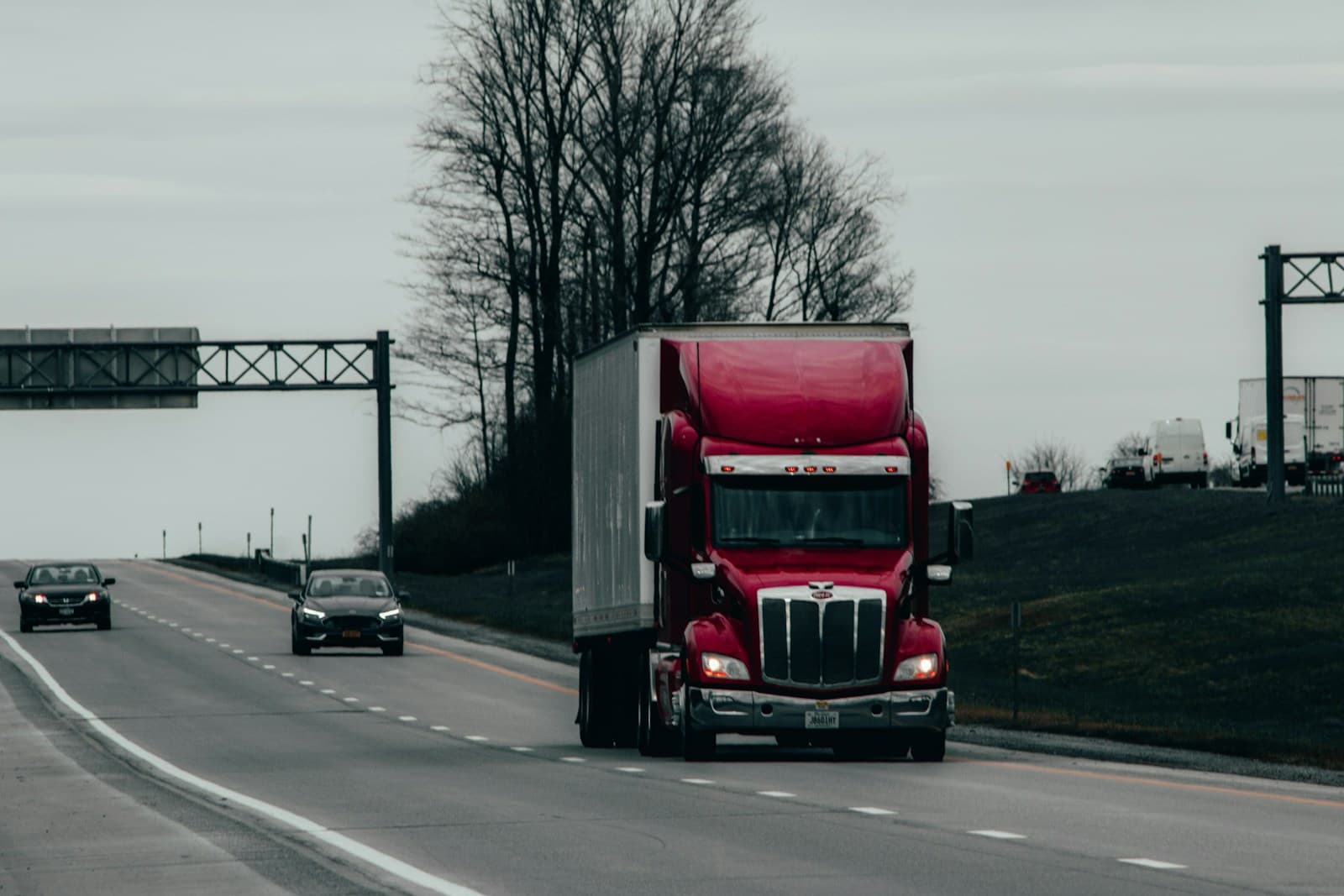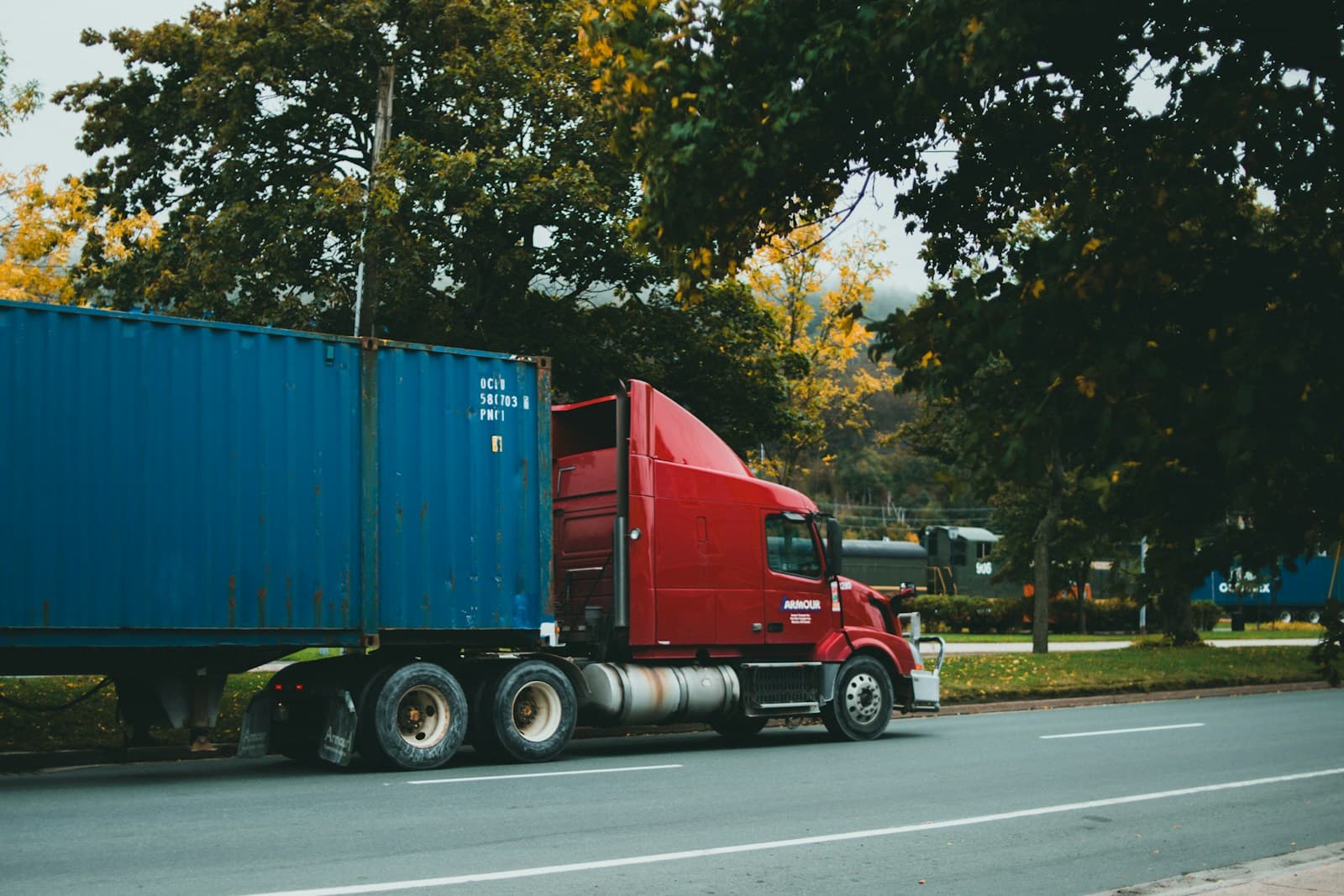
Wisconsin law explicitly excludes commercial drivers from occupational license eligibility. If you drive commercially and lose your CDL privilege, no restricted driving option exists to maintain your CDL work.
Wisconsin Statute 343.10(5)(a) Excludes All Commercial Driving Privileges
Wisconsin Statutes § 343.10(5)(a) permits occupational licenses for essential driving after suspension — but explicitly states the license "does not authorize the operation of a commercial motor vehicle." This is not a restriction on vehicle type. It is a ban on operating under commercial privilege, regardless of the vehicle.
If your job requires a CDL — hauling freight, driving a school bus, operating heavy equipment, transporting passengers commercially — an occupational license cannot replace that privilege. The restriction applies even if you would drive the same routes or the same vehicle. The license category is what matters, not the physical truck.
This exclusion appears in the statute itself, not in DMV interpretation or court discretion. No hardship hearing, no employer letter, and no financial need argument changes it. CDL holders who lose their full privilege lose their commercial livelihood with no restricted fallback in Wisconsin.
What an Occupational License Does Permit After CDL Suspension
An occupational license in Wisconsin allows you to drive a regular passenger vehicle for approved purposes: commuting to a non-CDL job, medical appointments, childcare, court-ordered obligations, and sometimes school or groceries. The license covers Class D (regular driver) operation only.
If you hold a CDL but also need to drive personally — getting to a new job, attending DUI treatment, transporting family — you can petition for an occupational license that covers those non-commercial trips. You would drive your personal car under the occupational restrictions (approved hours, approved routes, SR-22 filing, potential IID requirement). You cannot use that same license to clock in and drive the semi.
Some CDL holders assume the occupational license lets them "work around" the CDL suspension by driving a smaller truck or a company van. It does not. If the job requires a CDL endorsement or falls under FMCSA-regulated commercial operation, the occupational license does not apply. Driving commercially on an occupational license is treated as driving while suspended, which extends your underlying suspension and adds criminal exposure.
Compare car insurance rates in your state
Get quotes from licensed carriers — no obligation, no spam, results in minutes.
Get Your Free Quote✓ No Obligation Required✓ Licensed Carriers Only✓ Available Nationwide✓ Free to Compare
Why This Exclusion Exists and Why Wisconsin Does Not Bend It
Federal Motor Carrier Safety Administration (FMCSA) rules govern CDL suspensions nationally. When Wisconsin suspends your CDL privilege — typically for DUI, refusal, serious traffic violations, or out-of-service orders — that suspension must be reported to the national Commercial Driver's License Information System (CDLIS). Every state sees it. No state can issue a restricted commercial privilege that contradicts the federal disqualification.
Wisconsin's occupational license statute reflects this federal floor. Even if a Wisconsin court wanted to grant restricted commercial driving, FMCSA rules prohibit operating a CMV during the disqualification period. The state cannot issue a credential that would make that operation legal.
Other states with hardship or restricted licenses face the same constraint. No state offers a work-around for federally mandated CDL disqualifications, though terminology and non-commercial eligibility rules differ. If you are researching whether another state treats this differently: they do not. The CDL exclusion is federal.
Your Immediate Options If You Lose CDL Privilege in Wisconsin
If your CDL suspension or revocation is pending or active, your employment options narrow to non-driving roles or jobs that require only a Class D license. Many CDL holders shift temporarily to warehouse, dispatch, freight coordination, or equipment maintenance roles within the same company while serving the suspension period.
Apply for an occupational license for personal driving needs even if you cannot use it commercially. You will still need to attend treatment programs, get to court, and manage family obligations. The occupational license keeps you mobile for those purposes. Wisconsin requires SR-22 filing for most suspensions, and an IID (ignition interlock device) is mandatory for all OWI-related occupational licenses.
Track your suspension end date precisely. Wisconsin does not automatically reinstate your CDL. You must pay reinstatement fees, complete any court-ordered programs, maintain continuous SR-22 coverage through the filing period (typically 3 years for OWI), and reapply. Some suspensions require retaking the CDL knowledge and skills tests. Missing any reinstatement step extends the suspension indefinitely.
If your CDL was revoked (not suspended), reinstatement is not automatic after any time period. Revocation means you must reapply from scratch: new application, new tests, new fees, new background review. The process often takes 60–90 days even when you are otherwise eligible.
SR-22 Filing and Insurance Requirements for CDL Holders
Wisconsin requires SR-22 filing for most license suspensions, including all OWI offenses, refusals, and accumulation violations. The SR-22 is filed on your personal auto policy, not a commercial policy. If you do not own a personal vehicle, you need non-owner SR-22 coverage, which provides liability coverage when you drive a car you do not own.
Commercial auto policies and CDL employer coverage do not substitute for personal SR-22 filing. The DMV requires proof that you personally carry liability insurance meeting Wisconsin minimums: $25,000 bodily injury per person, $50,000 per accident, $10,000 property damage. Your employer's commercial fleet policy does not satisfy this.
Typical SR-22 filing costs for CDL holders with a suspension run $1,200–$2,400 per year for minimum liability, often higher if the suspension stems from OWI or multiple violations. Dairyland, Progressive, The General, and GAINSCO write SR-22 coverage in Wisconsin for high-risk drivers. Letting the SR-22 lapse even one day resets your 3-year filing requirement to zero in Wisconsin.
Cost and Timeline to Reinstate CDL Privilege After Suspension
Wisconsin CDL reinstatement after suspension requires: occupational license fee ($60 if applicable during suspension), SR-22 filing and premiums (typically $100–$3,600 total over 3 years depending on violation), IID installation and monthly monitoring ($75–$150/month if OWI-related), DMV reinstatement fee ($60–$200 depending on violation), court fines and fees (typically $800–$2,500 for OWI), and potential CDL retest fees ($90–$150 if skills test required).
Total cost typically runs $3,000–$7,000 spread over the suspension and filing period. If you are reinstating after revocation or a second OWI, add another $500–$1,200 for retesting, fingerprinting, and application processing.
Timeline: First OWI CDL suspension is typically 12 months. Refusal adds 12–24 months. Second OWI is lifetime CDL revocation, though Wisconsin allows reinstatement petition after 10 years. During the suspension, you serve the full period, maintain SR-22 continuously, complete all court-ordered treatment (AODA assessment, victim impact panel, driver improvement courses), and meet IID requirements if applicable. Reinstatement is not automatic on the end date — you must affirmatively apply, pay, and clear all holds before the DMV releases your privilege.