Oregon grants hardship permits for college students after reckless driving convictions, but approved destinations stop at campus parking lots—not individual buildings—leaving students who rely on campus shuttles or walking paths legally exposed during mid-campus movement.
How Oregon hardship permits handle college routes after reckless driving convictions
Oregon DMV approves hardship permits for college students post-reckless driving conviction, but the permit specifies arrival at campus as the approved destination—not individual buildings, classrooms, or parking structures. Most students assume campus approval covers movement between the library, dorms, and lecture halls. It doesn't. The permit authorizes driving from your residence to the campus boundary during approved hours. Movement within campus falls outside the permit's scope unless you've listed specific on-campus addresses in your hardship petition.
Reckless driving convictions (ORS 811.140) suspend Oregon licenses for 30 to 90 days depending on injury and prior history. Students facing suspension during fall or spring terms petition for hardship permits to maintain class attendance and campus employment. DMV grants these permits for work, school, medical care, and court-required programs. The application requires proof of enrollment, your class schedule, and employer documentation if you work on campus.
The enforcement gap appears when campus police observe driving between approved hours but outside the permitted route corridor. A student approved to drive to campus at 8 a.m. for a 9 a.m. class who then drives across campus to the recreation center at noon has violated their hardship terms—even though both locations sit within the approved destination boundary. Oregon State Police and campus departments treat intra-campus trips as separate movements requiring separate approval.
What destinations Oregon approves for student hardship permits
Oregon hardship permits list approved destinations by street address or geographic boundary, not by institution name. Petitioning for "University of Oregon" approval means nothing without a specific address. Most students list the main campus entrance or their primary parking structure. That address becomes the legal endpoint. Driving to a different campus lot during approved hours counts as route deviation.
Approved purposes for student hardship permits include class attendance, on-campus employment, medical appointments, court hearings, and DUI diversion program sessions if your reckless driving involved alcohol. DMV does not approve social activities, campus recreation, student organization meetings, or volunteer work. The petition form requires you to specify days and hours for each destination. A Monday-Wednesday-Friday class schedule at 10 a.m. does not authorize Tuesday campus visits.
Multiple-destination petitions are common for students who work off-campus jobs while attending school. You can request approval for home to campus, home to work, and work to campus. Each leg requires justification. DMV reviews employer shift schedules and class rosters to verify timing. Overlapping hours between work and class raise scrutiny—most students cannot prove they need to drive to both within the same time window without coordination documentation.
Compare car insurance rates in your state
Get quotes from licensed carriers — no obligation, no spam, results in minutes.
Get Your Free Quote✓ No Obligation Required✓ Licensed Carriers Only✓ Available Nationwide✓ Free to Compare
Why campus parking enforcement complicates hardship permit compliance
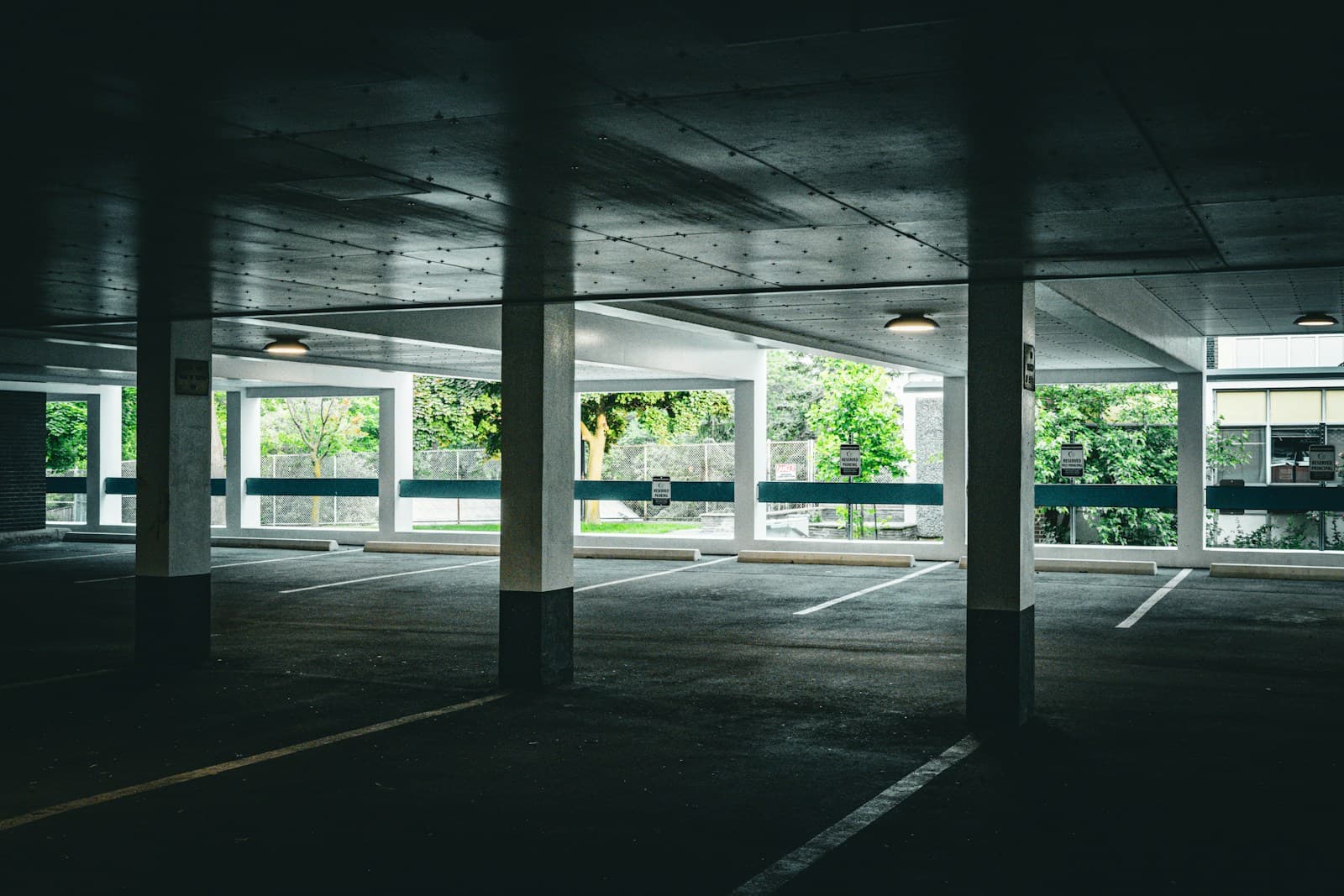
Campus parking systems operate independently of DMV hardship permit rules. Your hardship permit does not override campus parking restrictions, reserved lot access, or permit-zone assignments. Students approved to drive to campus still need valid university parking permits for the lots they're using. Campus parking enforcement does not verify hardship permit terms before issuing citations.
The conflict arises when your assigned campus parking lot sits a half-mile from your classroom building and you're approved only for the lot address. Walking that distance is legal. Driving your car from Lot A to Lot C to avoid the walk violates your hardship terms. Campus police monitor vehicle movement between lots during class change hours. A second reckless driving citation or a hardship permit violation triggers automatic revocation and extends your underlying suspension by 90 days under ORS 809.600.
Oregon hardship permits require SR-22 insurance filing for reckless driving suspensions involving speed contests, eluding police, or injury. Non-injury reckless driving convictions do not always trigger SR-22 requirements—check your suspension notice. If SR-22 is required, it runs for three years from conviction date. Non-standard carriers (Bristol West, Dairyland, GAINSCO, The General) dominate the post-reckless SR-22 market. Monthly premiums for student drivers with reckless convictions and SR-22 filing typically run $180–$280/month, compared to $90–$140/month for clean-record students.
How to petition for a student hardship permit in Oregon
Oregon requires a 30-day waiting period after reckless driving suspension before you can apply for a hardship permit. The petition goes to DMV, not the court. You'll submit Form 735-216 (Hardship Permit Application), proof of enrollment, your class schedule with building locations and times, SR-22 certificate if required, and a $75 application fee. Processing takes 10–15 business days from complete submission.
Incomplete applications add 20–30 days to approval timelines. The most common errors: listing "University of Oregon" without a street address, submitting work schedules without employer letterhead signature, and requesting approval for hours that don't match documented class or work times. DMV rejects petitions that include unapproved purposes like gym access, club meetings, or general campus presence.
Approval is not automatic. DMV reviews your driving record, the circumstances of your reckless conviction, and whether you've completed court-ordered requirements. Prior suspensions, multiple violations within 12 months, or failure to complete diversion reduce approval probability. Lane County courts approve roughly 70% of student hardship petitions; Multnomah County approves closer to 55%. If denied, you can reapply after 15 days with additional documentation or wait out the suspension.
Once approved, the hardship permit is valid for the suspension period or 12 months, whichever is shorter. You'll carry the permit card, your SR-22 proof of insurance, and a copy of your approved petition whenever driving. Violation—deviation from approved hours, destinations, or purposes—revokes the permit immediately and often triggers a new charge of driving while suspended (ORS 811.175), a Class A misdemeanor carrying up to one year jail and $6,250 fine.
Cost breakdown for Oregon student hardship permits after reckless driving
The hardship permit application fee is $75. Oregon DMV also charges a $75 reinstatement fee when your suspension ends, due before your full license is restored. If your reckless conviction requires SR-22 filing, add $25–$50 for the SR-22 certificate processing fee from your insurer, separate from the premium increase.
SR-22 insurance premiums for reckless driving students in Oregon run $2,160–$3,360 annually ($180–$280/month) with non-standard carriers. Clean-record student premiums average $1,080–$1,680/year ($90–$140/month). The reckless conviction alone adds $1,080–$1,680/year for three years. Total SR-22 filing period cost: $3,240–$5,040 beyond normal premiums.
If your reckless driving case involved alcohol or drugs and you're required to attend diversion, add $500–$800 for program fees, $150–$300 for substance abuse evaluation, and $50–$100/session for counseling if mandated. Court fines for reckless driving range from $435 to $6,250 depending on injury and prior record. Most student cases without injury land at $500–$1,000 fines plus fees.
Total first-year cost stack for a reckless driving conviction requiring hardship permit and SR-22: $4,000–$7,500. Budget accordingly. Payment plans exist for court fines but not for DMV fees or SR-22 premiums. Missing a premium payment terminates your SR-22 filing, revokes your hardship permit, and extends your suspension.
What happens if you violate Oregon hardship permit terms on campus
Oregon State Police and campus police monitor hardship permit compliance through traffic stops and parking enforcement crosschecks. Driving outside approved hours, to unapproved destinations, or for unapproved purposes triggers hardship permit revocation and a driving while suspended charge. Campus police share violation reports with DMV within 48 hours.
Revocation is immediate. DMV does not hold a hearing before canceling your permit. You'll receive a notice stating your permit is void and your underlying suspension is extended by 90 days. The new suspension period starts from the violation date, not the original suspension end date. If you were two weeks from reinstatement, the violation resets your timeline to 90 days out.
Driving while suspended (ORS 811.175) is a Class A misdemeanor. First offense penalties include up to one year jail (typically suspended), $1,000–$2,500 fines, and 40 hours community service. Second offense within five years elevates to mandatory jail time. The conviction adds another three-year SR-22 filing requirement on top of your existing reckless filing. Most students face stacked SR-22 periods totaling six years.
Campus judicial systems also sanction students for off-campus driving violations that occur on university property. Expect academic probation, housing restrictions, or suspension from campus employment if your hardship violation involved university facilities. The university's process runs parallel to criminal court—one does not replace the other.