Colorado requires a hardship hearing before you can drive again after most suspensions. Here's the actual timeline, documentation, and cost for a restricted license in Denver.
Colorado Requires a Court Hearing for Restricted Driving Privileges
Colorado does not issue restricted licenses through DMV administrative paperwork. You apply through the county court where your case was heard — typically Denver County Court for Denver residents — and a judge decides whether to grant you limited driving privileges at a formal hardship hearing. The hearing itself takes 10-20 minutes, but scheduling runs 30-45 days out in Denver County as of current court calendars, and you cannot drive legally until the judge signs the order.
The restricted license is called a probationary license in Colorado statute, but most attorneys and DMV staff refer to it as a restricted license or work permit interchangeably. The term doesn't matter; the process does. You file a petition with the court, pay the filing fee, attend the hearing with documentation proving hardship, and if approved, the court sends the order to DMV, which then issues the physical license.
This is fundamentally different from states like Texas or Illinois where DMV handles the entire process administratively. In Colorado, a judge has full discretion to deny your petition even if you meet the eligibility criteria on paper. Employment verification, SR-22 proof of insurance, and a clean record since the suspension all increase approval odds, but nothing guarantees it.
Eligibility Waiting Period Starts the Day Your License Was Suspended
Colorado allows you to apply for a restricted license immediately after certain administrative suspensions (insurance lapse, medical suspension), but DUI and DWAI suspensions carry a mandatory waiting period before you're eligible. First-offense DUI: 30 days from the suspension effective date. Second or subsequent DUI: 60 days. Refusal to submit to chemical testing: 60 days. The suspension effective date is set by DMV or the court order — not the date you received notice, and not the date of the violation.
Most Denver applicants discover the waiting period only after contacting an attorney or attempting to file the petition themselves. If your license was suspended April 1 for a first DUI, you cannot be granted a restricted license before May 1 no matter how quickly you file. Filing early does not preserve your place in line; the court will not schedule your hearing until you're eligible.
The waiting period does not pause if you're already enrolled in Level II alcohol education or if you've installed an ignition interlock device. Those steps help your case at the hearing, but they do not shorten the mandatory wait.
Compare car insurance rates in your state
Get quotes from licensed carriers — no obligation, no spam, results in minutes.
Get Your Free Quote✓ No Obligation Required✓ Licensed Carriers Only✓ Available Nationwide✓ Free to Compare
Denver County Court Filing Costs $163 Plus Attorney Fees
The petition filing fee in Denver County Court is $163 as of 2025. This is paid when you file the petition for restricted driving privileges, not when the hearing is scheduled. If your petition is denied, the fee is not refunded. Some applicants file pro se (without an attorney), but most Denver DUI attorneys charge $500-$1,200 to prepare the petition, attend the hearing, and coordinate the DMV order if approved.
Once the court grants the restricted license, you pay a $95 reinstatement fee to Colorado DMV before the physical license is issued. Total court and DMV costs: $258 if you file yourself, $758-$1,458 if you hire an attorney. These costs are separate from SR-22 insurance premiums, ignition interlock device installation and monthly monitoring, and Level II alcohol education program fees, which together typically add $1,800-$3,200 over the restricted license period.
Colorado does not waive the filing fee for financial hardship. Payment plans are not available through the court. If you cannot pay the $163 filing fee, you cannot file the petition.
Approved Purposes Are Limited to Work, Medical, and Alcohol Education
Colorado restricted licenses allow driving for employment, medical appointments, court-ordered alcohol or drug education programs, and ignition interlock device service appointments. The court order specifies approved hours and approved routes. Most Denver County judges grant 6:00 AM to 8:00 PM driving windows for work purposes, but require you to list your employer's address, work schedule, and direct route. Detours, side trips, and personal errands are prohibited even during approved hours.
Grocery shopping, childcare, and school are not automatically approved purposes in Colorado. Some judges add them if you demonstrate specific hardship — single parent with no alternative childcare, medical condition requiring weekly pharmacy visits — but the statute does not require it. If the court order does not list a purpose, you cannot legally drive for it.
Violation of your restricted license terms — driving outside approved hours, driving for an unapproved purpose, or accumulating any moving violation — results in immediate revocation of the restricted license and reinstatement of the full suspension. Colorado DMV does not issue warnings. The restricted license is revoked the day the violation is processed, and you typically cannot reapply.
SR-22 Filing Is Required Before the Court Will Issue the Order
Colorado requires SR-22 certificate of insurance before the court will sign a restricted license order. You must obtain SR-22 coverage from a licensed Colorado insurer, have the insurer file the SR-22 electronically with Colorado DMV, and bring proof of the filing to your hardship hearing. The court will not approve your petition without it, even if all other criteria are met.
SR-22 is not a separate insurance policy. It's a rider attached to a standard auto liability policy that proves you carry at least Colorado's minimum liability limits: 25/50/15 (25,000 per person for bodily injury, 50,000 per incident, 15,000 for property damage). Most carriers that write SR-22 in Colorado charge $25-$50 to file the certificate, then increase your underlying premium 40-90% due to the suspension and violation on your record. Monthly premiums for Denver SR-22 policies after a DUI suspension typically run $140-$280 for minimum liability coverage.
The SR-22 filing requirement continues for the entire restricted license period plus any remaining suspension time. For a first DUI in Colorado, that's typically 9 months from reinstatement. If your SR-22 lapses for any reason — missed payment, policy cancellation, switching carriers without refiling — Colorado DMV suspends your license again immediately, and you lose the restricted driving privilege.
Ignition Interlock Device Is Mandatory for Most DUI Restricted Licenses
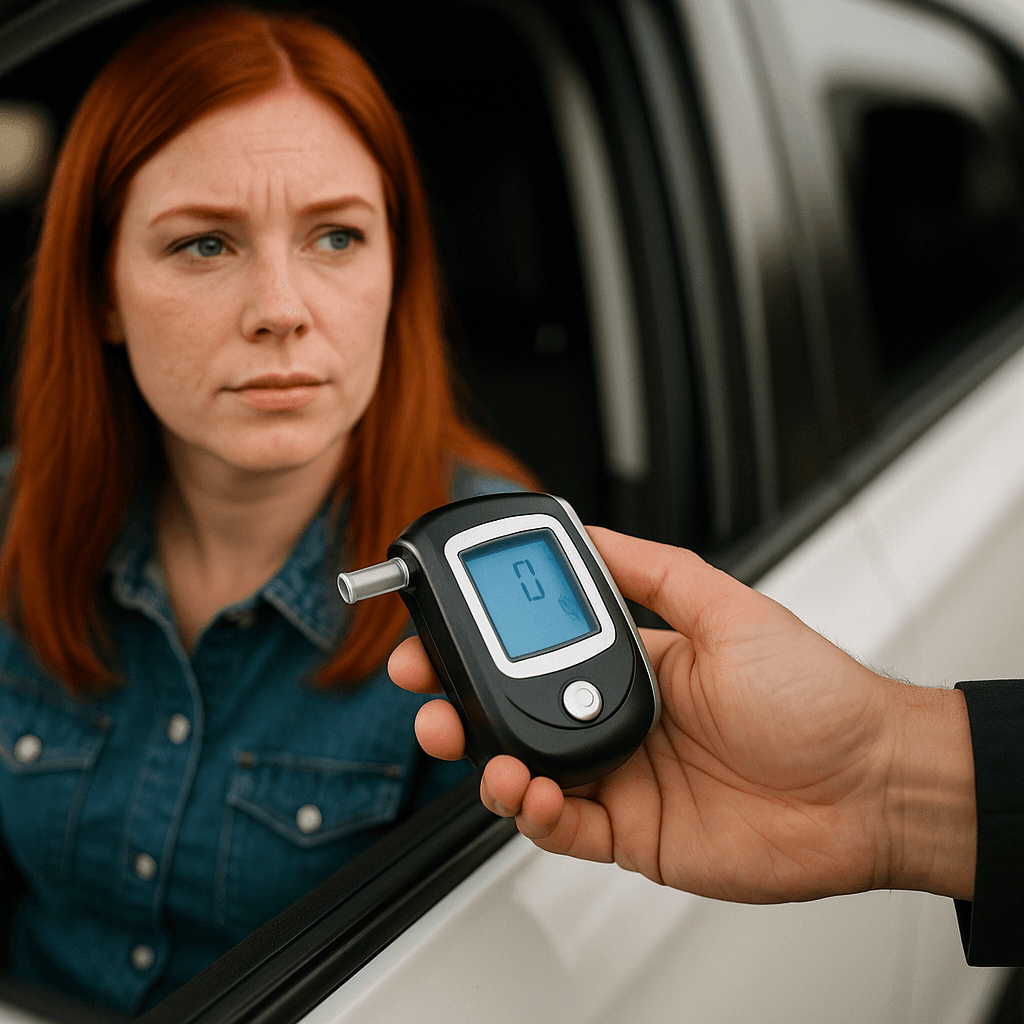
Colorado requires an ignition interlock device on any vehicle you drive under a restricted license if the underlying suspension was for DUI, DWAI, or refusal. You must install the device before the hearing, bring proof of installation to the hearing, and maintain it for the entire restricted license period. Monthly IID costs in Denver run $70-$100 (device lease, monitoring, and calibration), plus $100-$150 installation.
The IID requirement is not waivable in Colorado except for documented medical conditions that prevent you from providing a breath sample. Financial hardship, lack of vehicle ownership, and use of a work vehicle are not valid exemptions. If you do not own a vehicle, you must obtain non-owner SR-22 insurance and install an IID on any vehicle you intend to drive, or you cannot be granted a restricted license.
Violation of IID requirements — failed startup test, missed calibration appointment, tampering, or circumvention — is reported to DMV within 48 hours and results in immediate restricted license revocation. Most Denver County judges include IID compliance as an explicit condition in the restricted license order, meaning any violation also constitutes contempt of court.
Timeline from Filing to Driving: 35-50 Days in Denver County
Typical restricted license timeline in Denver after a first DUI suspension: 30 days from suspension effective date (mandatory waiting period), 7-10 days to obtain SR-22 insurance and install ignition interlock device, 1 day to file the petition with Denver County Court, 30-45 days until the hardship hearing is scheduled, 3-7 days for the court to transmit the signed order to DMV, 1-2 days for DMV to process and mail the physical restricted license. Total: 72-95 days from suspension to driving legally again, assuming no delays and immediate approval.
Second and subsequent DUI suspensions add 30 days to the front end (60-day mandatory waiting period instead of 30), and some Denver applicants report hearing delays stretching to 60 days during high-volume periods. If your petition is denied, you can refile, but you pay the $163 filing fee again and wait another 30-45 days for a new hearing.
Colorado does not offer expedited restricted license processing for employment emergencies. If you lose your job during the waiting period, some judges consider that additional hardship evidence at the hearing, but it does not accelerate the timeline.