Restricted License Cost Stack in Long Beach: Full Monthly Breakdown
Free to compare
The Upfront Cost Stack: What You Pay Before You Drive
California restricted license application costs $125 DMV reinstatement fee plus $250–$450 court filing and hearing fees in Los Angeles County Superior Court, where Long Beach cases are heard. If you hire an attorney to improve approval odds at your hardship hearing, add $800–$1,500. Total upfront outlay before you touch the wheel: $1,175–$2,075 without legal help, $1,975–$3,575 with representation.
The DMV reinstatement fee is non-refundable even if your restricted license application is denied. Court filing fees are due at petition submission, weeks before your hearing date. Most Long Beach petitioners wait 4–8 weeks for a hearing slot, meaning you pay upfront costs 1–2 months before you know if you're approved.
If your suspension stems from DUI, California requires proof of DUI program enrollment before the court will schedule your hardship hearing. First Offender Program enrollment runs $500–$650 for the initial registration and first month, paid before your hearing application is complete. This enrollment cost is separate from the $125 DMV fee and court costs.
The Monthly Carrying Cost Stack: SR-22, IID, and Admin Fees
Once your restricted license is approved, your monthly cost stack runs $200–$350 for the full filing period — typically 3 years post-DUI in California. SR-22 filing adds $80–$140/mo to your base liability premium with non-standard carriers (Bristol West, Dairyland, GAINSCO, Direct Auto) serving Long Beach ZIP codes 90802, 90806, 90813, and surrounding areas. This is the delta between your pre-suspension premium and your post-violation SR-22 rate, not the total policy cost.
IID monthly lease runs $75–$125/mo with LifeSafer, Intoxalock, or Smart Start, the three vendors authorized in Los Angeles County. Installation costs $100–$150 upfront, calibration every 60 days runs $60–$80 per visit, and removal at the end of your restricted period costs $50–$75. Total IID cost over 12 months: $1,030–$1,775. Over 36 months: $3,090–$5,325.
Carrier admin fees for restricted-license-specific endorsements run $50–$70/mo with non-standard insurers. This fee covers the manual underwriting review, IID proof-of-install documentation tracking, and monthly certification that your device is active and violation-free. Standard carriers do not write restricted license policies in California, so this fee is unavoidable.
Total monthly stack: $205–$335/mo for the duration of your SR-22 filing requirement. Over 36 months, that's $7,380–$12,060 in carrying costs alone, separate from your upfront application and reinstatement fees.

The IID Violation Penalty: What Happens When You Miss Calibration
Missing a required IID calibration appointment triggers an automatic lockout after 7 days with most vendors. Your vehicle will not start until you bring the device in for recalibration, pay the missed-appointment fee ($75–$100), and wait 24–48 hours for vendor submission of compliance proof to the DMV. If the lockout extends past 10 days, the vendor reports the lapse to DMV, which suspends your restricted license immediately.
Reinstatement after IID-triggered suspension requires a new hardship hearing in Los Angeles County Superior Court, new court filing fees ($250–$450), proof of recalibration and payment to the IID vendor, and DMV review that can extend 4–6 weeks. Most employers will not hold a position through a second suspension. One missed calibration appointment can cost you your job and reset your restricted license timeline to zero.
IID vendors in Long Beach require calibration every 60 days. Mark every appointment 7 days early on your calendar and treat it as non-negotiable. The $60–$80 calibration fee every two months is cheaper than the $1,500–$2,500 cost of a second hardship petition after lockout-triggered suspension.
Get Insured for the Drive to Work
Keep Driving to WorkCarrier Availability for Restricted License + IID in Long Beach
Standard carriers (State Farm, GEICO, Allstate, Progressive, Farmers) do not write policies for California restricted license holders in Los Angeles County. The non-standard market narrows further when IID is required: Bristol West, Dairyland, GAINSCO, Direct Auto, and Safe Auto write most Long Beach restricted license policies, but each has different underwriting appetite for DUI-with-IID risks.
Bristol West and Dairyland quote most aggressively in Long Beach ZIP codes 90802 (downtown), 90806 (North Long Beach), and 90813 (West Long Beach) for drivers with one DUI and clean records prior to the violation. GAINSCO and Direct Auto write drivers with multiple violations or prior lapses but price 15–25% higher than Bristol West for the same coverage limits.
You must provide proof of IID installation to your carrier within 30 days of restricted license approval or your SR-22 filing is suspended. The IID vendor sends a certificate of installation to you and files a copy with DMV, but your carrier requires a separate upload or fax of that certificate to activate your restricted-license endorsement. Missing this 30-day documentation window suspends your SR-22, which suspends your restricted license, even if your IID is installed and working.
The Approved-Hours Violation Cost: One Unapproved Trip Revokes Everything
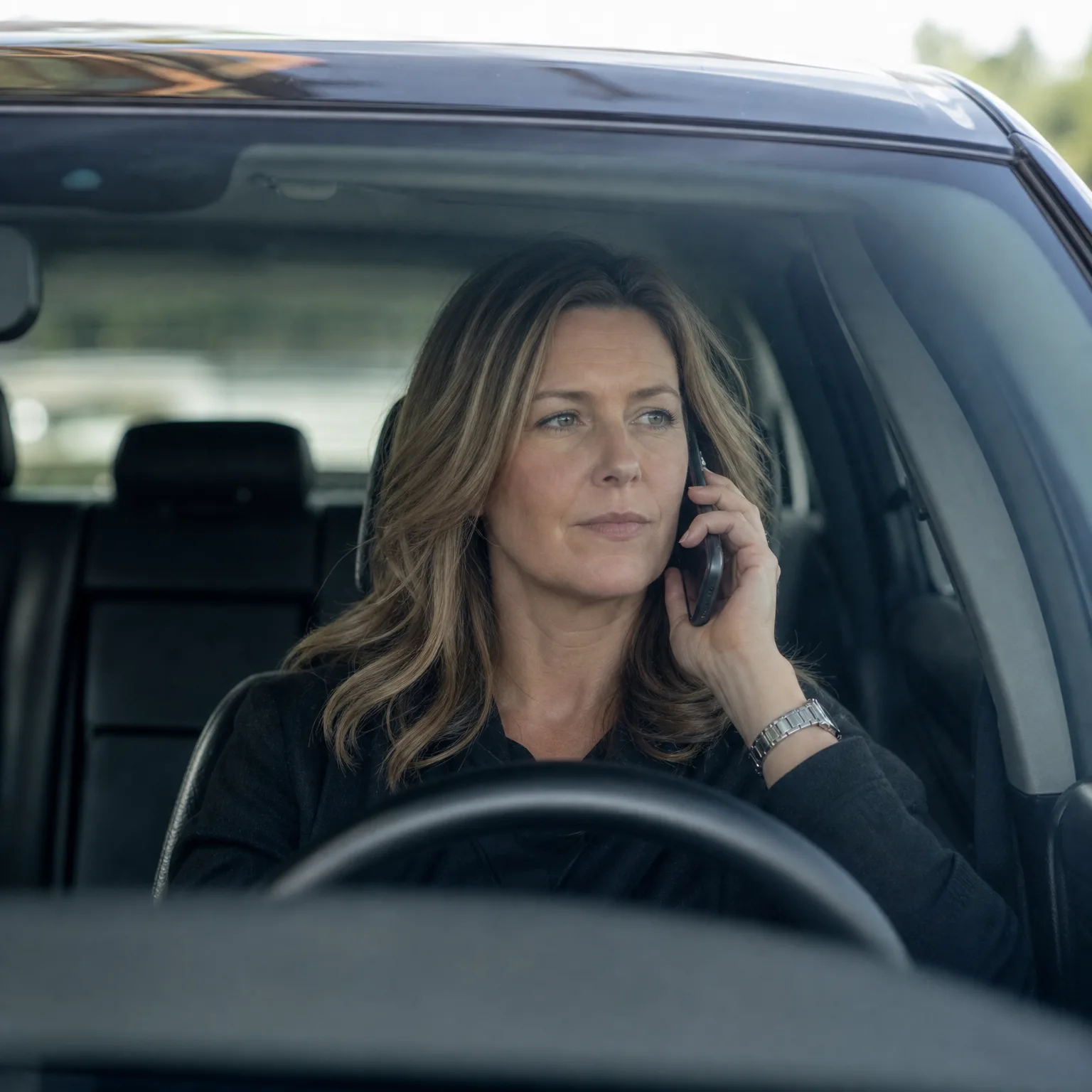
California restricted licenses limit driving to approved purposes: work, DUI program classes, and medical appointments only. Approved hours are stated on your court order and your physical restricted license card. Driving outside those hours or purposes — grocery run, picking up a friend, Sunday drive — is a misdemeanor violation that revokes your restricted license on first offense and extends your underlying suspension by 6–12 months.
Law enforcement in Long Beach, Signal Hill, and Lakewood pulls restricted license holders at higher rates during evening and weekend hours specifically to verify compliance with approved-hours restrictions. If you are stopped outside approved hours, the officer confiscates your restricted license on scene, issues a misdemeanor citation, and files a violation report with DMV. Your restricted privilege ends that night.
Reinstatement after an approved-hours violation requires serving the remainder of your original suspension (now extended by 6–12 months), paying new reinstatement fees ($125 DMV + $250–$450 court filing), and filing a new hardship petition with no guarantee of approval. Most judges deny second petitions after approved-hours violations. The cost of one unapproved trip: $1,500+ in fees and 6–18 additional months without any driving privilege.
Budgeting the Full 36-Month Cost: What to Expect
Total restricted license cost over a 3-year SR-22 filing period in Long Beach: $8,555–$14,135 for drivers who stay compliant and avoid violations. This includes $125 DMV reinstatement, $250–$450 court fees, $7,380–$12,060 in monthly SR-22/IID/admin carrying costs, and $900–$1,500 in IID calibration fees over 36 months.
If you hire an attorney for your initial hardship hearing, add $800–$1,500 to the upfront stack. If you are required to complete DUI program enrollment before your hearing, add $500–$650. If you miss one IID calibration and trigger a lockout that leads to suspension, add $1,500–$2,500 for reinstatement and a second hardship petition.
The monthly carrying cost ($200–$350/mo) is the number most Long Beach petitioners miss when budgeting. Upfront costs are visible and unavoidable. The monthly stack hits 30 days after your restricted license is approved, and it does not stop until your SR-22 filing period ends 3 years later. Budget that monthly obligation into your household expenses before you file your hardship petition.
Frequently Asked Questions
How much does a restricted license cost in Long Beach after a DUI?
Upfront costs run $1,175–$2,075 ($125 DMV reinstatement, $250–$450 court filing and hearing fees, $500–$650 DUI program enrollment, and optional $800–$1,500 attorney fees). Monthly carrying cost adds $200–$350/mo for SR-22 premium increase, IID lease, and carrier admin fees over the 3-year filing period. Total 36-month cost: $8,555–$14,135 for compliant drivers.
What happens if I miss an IID calibration appointment in California?
Missing calibration triggers automatic lockout after 7 days — your vehicle will not start. If lockout extends past 10 days, the vendor reports the lapse to DMV, which suspends your restricted license immediately. Reinstatement requires a new hardship hearing, new court filing fees ($250–$450), proof of recalibration, and 4–6 weeks of DMV review. One missed appointment can cost $1,500–$2,500 and reset your timeline to zero.
Which insurance carriers write restricted license policies in Long Beach?
Standard carriers do not write California restricted license policies. Non-standard carriers Bristol West, Dairyland, GAINSCO, Direct Auto, and Safe Auto write most Long Beach policies with IID requirement. Bristol West and Dairyland quote most aggressively for single-DUI drivers; GAINSCO and Direct Auto write multi-violation cases but price 15–25% higher. You must provide IID proof-of-install documentation within 30 days of restricted license approval or your SR-22 filing suspends.
Can I drive to the grocery store on a California restricted license?
No. California restricted licenses limit driving to approved purposes only: work, DUI program classes, and medical appointments. Driving outside those purposes — grocery runs, errands, social trips — is a misdemeanor violation that revokes your restricted license on first offense and extends your underlying suspension by 6–12 months. Law enforcement in Long Beach pulls restricted license holders during evening and weekend hours specifically to verify compliance.
How long do I need SR-22 filing after a DUI in California?
California requires SR-22 filing for 3 years after a DUI conviction, measured from the conviction date or the date your restricted license is approved, whichever is later. If your SR-22 lapses even one day during that 3-year period, your restricted license suspends immediately and the 3-year clock resets to zero from the date you refile. Continuous coverage with no gaps is the only way to complete the requirement on schedule.
Related Articles
California Restricted License Total Cost Breakdown
4/29/2026

CA Restricted License Cost: $200–$400/Mo in Los Angeles
4/29/2026
CA Restricted License Fees: Court, DMV & SR-22 Costs
4/29/2026

Restricted License Long Beach CA: DMV vs Court Process
4/29/2026
Restricted License Cost San Jose CA: Full Breakdown
4/29/2026

Restricted License Cost Riverside CA: SR-22, IID & Fees
4/29/2026