Getting back on the road after a DUI in Arizona means paying for more than just the license. Here's the court-to-road cost breakdown most Tucson drivers don't see until they're already in it.
The Four-Layer Cost Structure Nobody Warns You About
Arizona's restricted license carries four mandatory cost layers that run simultaneously. Layer one: court and DMV fees, paid upfront. Layer two: SR-22 filing premium, billed monthly by your carrier. Layer three: ignition interlock device lease and monitoring, billed monthly by the IID vendor. Layer four: the rate increase you absorb when your current carrier drops you and you move to a non-standard insurer who will write DUI risks.
Most Tucson drivers budget for the $50 restricted license application fee and stop there. The real monthly burn rate — the amount leaving your account every 30 days to stay legal — typically lands between $280 and $450 depending on your violation profile and whether you own or lease your vehicle. That's before reinstatement fees when your full privilege comes back.
The cost stack is front-loaded. You'll pay $500–$900 in the first 30 days covering court fees, MVD administrative costs, IID installation, and your first month of SR-22 coverage. Monthly carrying costs drop after month one, but they don't drop below $250/mo for most drivers until the IID comes off.
Layer One: Court Fees and MVD Administrative Costs
Arizona DUI convictions trigger a mandatory $1,500 fine plus court surcharges that typically add another $400–$600. If you're applying for a restricted license through the court hardship process, expect a $50 application fee to MVD and a separate $20 filing fee to the court. Total upfront court-and-admin cost for most first-offense DUI cases in Pima County: $1,970–$2,150.
These are one-time charges, but they're due before you get the restricted license issued. Some Tucson courts allow payment plans on the fine itself; MVD fees are due at application. If your license was suspended for reasons other than DUI — accumulation of points, insurance lapse, failure to appear — the fee structure is lighter, typically $50–$100 total, but you still face the SR-22 and carrier-switch costs in the next two layers.
Compare car insurance rates in your state
Get quotes from licensed carriers — no obligation, no spam, results in minutes.
Get Your Free Quote✓ No Obligation Required✓ Licensed Carriers Only✓ Available Nationwide✓ Free to Compare
Layer Two: SR-22 Filing and the Premium You'll Actually Pay
Arizona requires SR-22 filing for 3 years after a DUI conviction. The SR-22 itself is a compliance certificate your insurer files with MVD — the filing fee runs $15–$35 depending on carrier. The cost that matters is the policy premium behind that filing.
Most standard carriers — State Farm, Allstate, GEICO for preferred-tier customers — non-renew or cancel DUI policies within 30–60 days of conviction. You'll move to a non-standard carrier that writes high-risk Arizona business: Bristol West, Direct Auto, Dairyland, GAINSCO, The General, Safe Auto. These carriers price DUI risk at 70–130% above your pre-conviction rate.
Tucson SR-22 liability-only policies (Arizona's 25/50/15 minimum) run $95–$160/mo for a first-offense DUI with no other violations. If you're carrying collision and comprehensive on a financed vehicle, expect $180–$320/mo. Rates vary by age, vehicle, ZIP code within Tucson, and your violation count. Estimates based on available industry data; individual rates vary by driving history, vehicle, coverage selections, and location.
Layer Three: Ignition Interlock Device — Lease, Monitoring, and Calibration
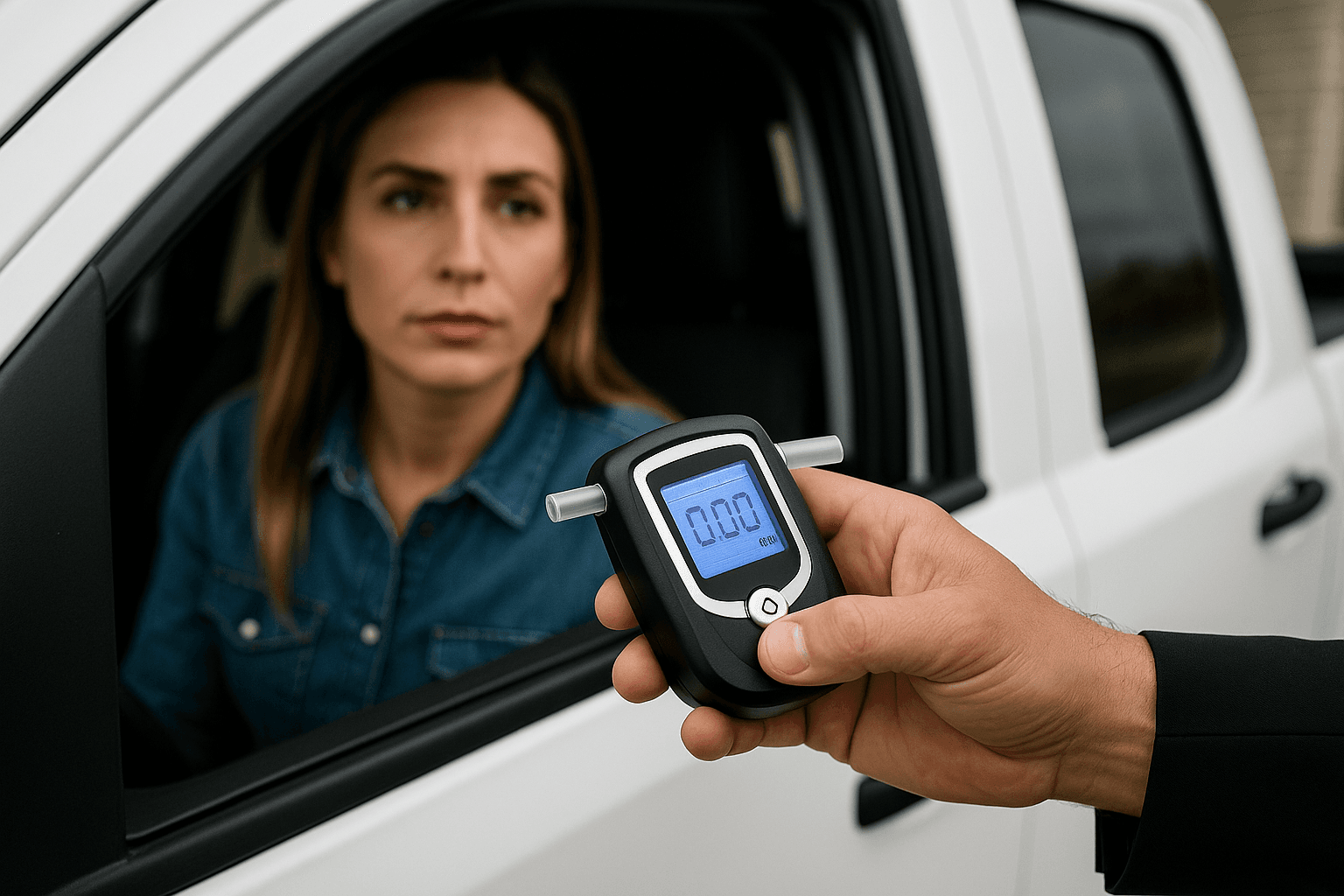
Arizona mandates ignition interlock installation for all DUI convictions, even first-offense cases. The IID requirement runs 6–12 months for first offenses, 12–24 months for repeat offenses, depending on your BAC level and the judge's order. You'll lease the device from an MVD-approved vendor — LifeSafer, Intoxalock, Smart Start, and Guardian Interlock operate in Tucson.
Typical IID cost structure: $75–$125 installation, $70–$95/mo lease, $10–$15/mo monitoring fee, and $20–$30 every 60 days for mandatory calibration appointments. Total monthly carrying cost for the device: $90–$125. If you drive multiple vehicles, you'll need a device in each one, doubling or tripling the lease cost.
Calibration appointments are non-negotiable. Miss one and the device locks your ignition until you're compliant. Most Tucson drivers underestimate calibration costs because they're billed separately from the lease — budget an extra $30–$50/mo on top of the base device fee to stay current.
Layer Four: The Monthly Total and What Drives It Higher
Stack all four layers and the monthly cost to maintain a restricted license in Tucson runs $280–$450 for most first-offense DUI cases. That's $95–$160 SR-22 premium, $90–$125 IID lease and monitoring, $30–$50 calibration reserve, and the residual cost of any court-ordered alcohol classes or supervision fees that run concurrently.
Cost drivers that push you toward the high end: multiple violations on your record before the current conviction, SR-22 requirement longer than 3 years due to prior lapses, a financed vehicle requiring full coverage instead of liability-only, or a second DUI requiring extended IID installation. Tucson drivers under 25 or over 70 typically see steeper SR-22 premium increases than mid-age drivers.
The cost drops when the IID comes off — usually 6–12 months in — but the SR-22 filing requirement continues for the full 3-year term. After year one, most drivers are carrying $95–$180/mo in SR-22 premium alone, with no device cost. Reinstatement to full driving privileges costs an additional $50 MVD fee when your restriction period ends.
How Tucson-Specific Conditions Affect the Stack
Tucson sits in Pima County, where DUI enforcement is consistent and IID compliance monitoring is strict. The county contracts with a centralized IID vendor network, so you have fewer device choices than drivers in Maricopa County, but pricing is relatively standardized. Most Tucson SR-22 carriers price the metro area as moderate-risk — lower than Phoenix for collision frequency, higher than rural Arizona for theft.
Arizona is a fault state, which means your SR-22 policy must meet minimum liability limits and any at-fault accident during your restricted license period can reset your SR-22 clock or trigger additional suspension. Tucson's I-10 and I-19 corridors see higher accident rates than surface streets, and carriers price accordingly. If your restricted license limits you to work-route driving only, confirm your IID vendor offers route monitoring — some devices log GPS data that MVD or your probation officer may review.
Tucson's summer heat accelerates IID calibration drift. Devices installed in vehicles parked outdoors often require calibration every 45–50 days instead of the standard 60, adding $60–$80/year to your total cost. Most vendors won't waive the extra appointment even if heat caused the drift.
What Happens If You Can't Carry the Monthly Cost
Missing an SR-22 premium payment triggers automatic filing cancellation. Your carrier notifies MVD within 15 days, and Arizona suspends your restricted license immediately. Reinstatement requires paying the lapsed premium, filing a new SR-22, paying a $50 MVD reinstatement fee, and restarting your 3-year SR-22 clock from zero.
IID lease lapses are handled differently. Most vendors report missed payments to MVD within 10 days, and your restricted license is revoked until you're current. If you're more than 30 days behind, the vendor removes the device and you'll pay a second installation fee ($75–$125) to get back on the road. Some Tucson vendors offer hardship payment plans if you're employed and can document income — call before you miss a payment, not after.
Court-ordered fines and fees don't directly affect your restricted license, but Pima County can issue a bench warrant for non-payment, which leads to a separate license suspension. If you're choosing between paying the SR-22 premium and paying the court, pay the SR-22 first — it's the only cost that keeps you driving legally today.