Oregon grants hardship permits 30 days after suspension. If you don't own a vehicle, non-owner SR-22 satisfies DMV filing requirements while covering you in employer or family vehicles.
Oregon Hardship Permits Require SR-22 Filing — Even If You Don't Own a Vehicle
Oregon DMV requires continuous SR-22 filing for the entire duration of your hardship permit, typically 1 to 3 years depending on your violation. If you don't own a vehicle, standard auto insurance won't work — carriers issue policies tied to a specific VIN you own or lease.
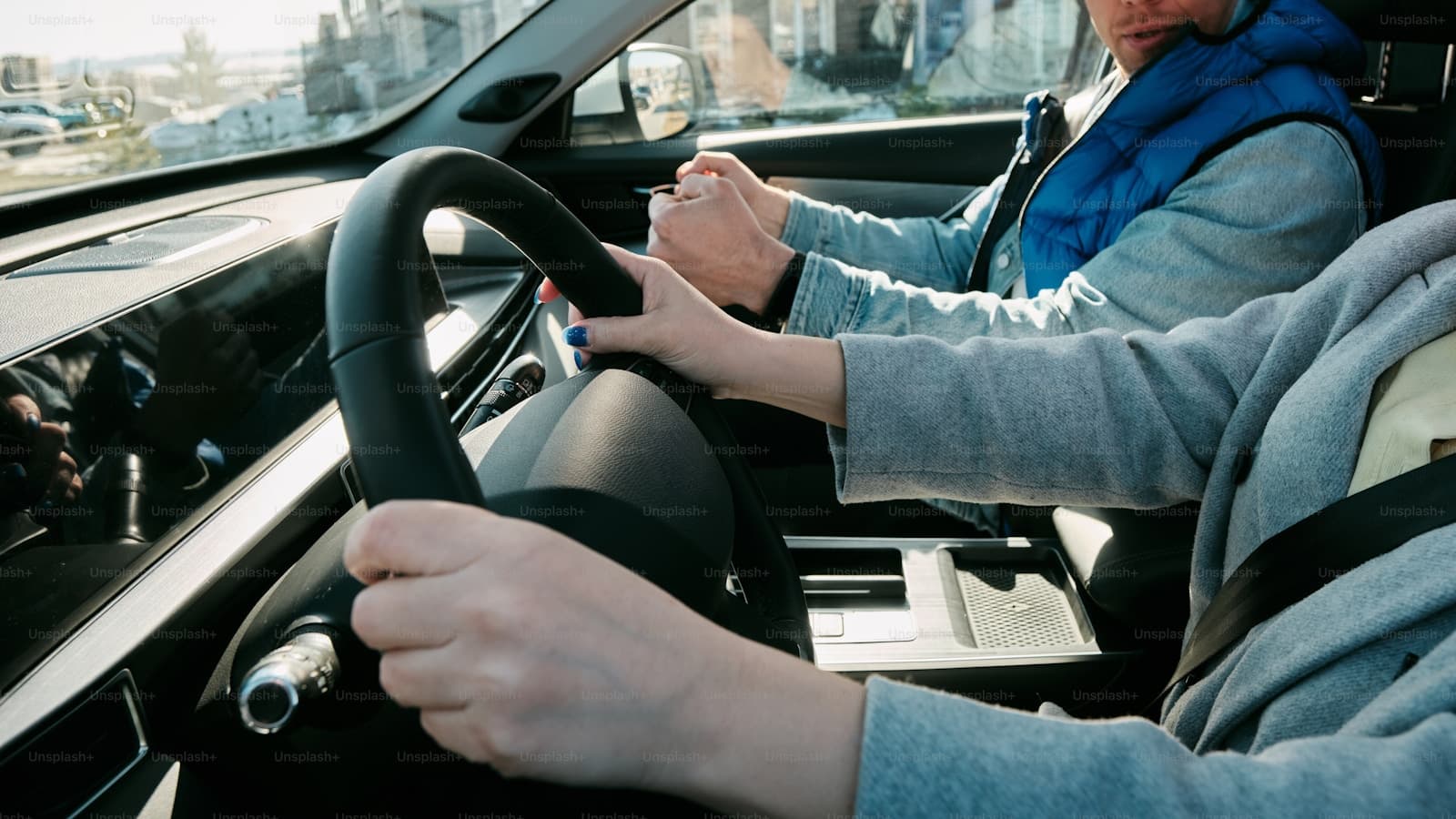
Non-owner SR-22 insurance solves this. It's a liability-only policy with no vehicle attached, designed for drivers who need state-mandated proof of insurance but don't own a car. Oregon accepts non-owner SR-22 filings for hardship permits in most cases, and the policy covers you when driving employer vehicles, rental cars, or vehicles borrowed from family.
Cost runs $30–$60 per month for the non-owner policy itself, plus the SR-22 filing fee of $50–$75 depending on the carrier. Total first-year outlay typically lands between $500 and $850 when combined with Oregon's $75 hardship permit application fee and the $75 DMV reinstatement fee due after your suspension ends.
When Non-Owner SR-22 Works for Hardship Permit Holders in Oregon
You qualify for non-owner SR-22 in Oregon if you meet three conditions: you do not own, lease, or have regular access to a registered vehicle; you need to drive employer-owned vehicles, company fleet vehicles, or vehicles owned by family members; and your hardship permit restricts you to work, medical, or other court-approved purposes.
Oregon hardship permits limit driving to approved purposes and hours. Most permits allow work commute, work-related driving during approved hours, medical appointments for yourself or dependents, and court-ordered programs like alcohol treatment or community service. Non-owner SR-22 covers you during these approved trips when driving vehicles you don't own.
Non-owner SR-22 does not cover a vehicle you own but chose not to register in your name. Oregon DMV cross-references vehicle title and registration databases. If you own a vehicle, DMV requires a standard SR-22 policy listing that VIN — even if the car isn't drivable. Attempting to use non-owner SR-22 while owning an unregistered vehicle triggers filing rejection and hardship permit denial.
Compare car insurance rates in your state
Get quotes from licensed carriers — no obligation, no spam, results in minutes.
Get Your Free Quote✓ No Obligation Required✓ Licensed Carriers Only✓ Available Nationwide✓ Free to Compare
How to Apply for a Hardship Permit in Oregon With Non-Owner SR-22
Oregon requires a 30-day waiting period after your suspension effective date before you can apply for a hardship permit. The application process runs through Oregon DMV, not the courts — this is an administrative process, not a hardship hearing state.
You'll need to submit Form 735-226 Hardship Permit Application, proof of enrollment or completion of a DUII treatment program if your suspension stems from DUI, employer verification on company letterhead stating you need driving privileges for work, proof of SR-22 insurance filing (DMV receives electronic confirmation from your carrier, but bring a paper copy), and the $75 hardship permit application fee. Oregon DMV processes applications within 7 to 14 business days if all documentation is complete.
Once approved, your hardship permit remains valid for 1 year and renews annually until your underlying suspension period ends. Oregon requires continuous SR-22 filing for the entire permit duration — any lapse longer than 1 day cancels your permit immediately and adds 1 year to your suspension. Non-owner SR-22 policies renew monthly or every 6 months depending on the carrier.
What Non-Owner SR-22 Insurance Covers in Oregon
Non-owner SR-22 provides liability coverage only. Oregon's minimum liability limits are $25,000 per person for bodily injury, $50,000 per accident for bodily injury, and $20,000 per accident for property damage. Your non-owner policy must meet or exceed these minimums to satisfy SR-22 filing requirements.
The policy covers you when driving employer vehicles, rental cars (check rental agreements — some exclude drivers with SR-22 requirements), and vehicles borrowed from family or friends with the owner's permission. Coverage is secondary — the vehicle owner's insurance pays first if an accident occurs, and your non-owner policy covers excess liability up to your policy limits.
Non-owner SR-22 does not cover damage to the vehicle you're driving. It does not cover injuries to yourself. It does not cover vehicles you own, lease, or live with (if a household member owns a vehicle and allows you regular access, Oregon DMV may require a named-driver SR-22 endorsement on that vehicle's policy instead). Carriers exclude household vehicles by default — misrepresenting household access voids your policy and cancels your SR-22 filing.
Which Carriers Write Non-Owner SR-22 Policies in Oregon
Non-owner SR-22 is a non-standard product. Standard carriers like State Farm, Allstate, and Progressive either don't offer it or restrict eligibility to drivers with clean records — which disqualifies most hardship permit applicants.
Carriers writing non-owner SR-22 for suspended Oregon drivers include Bristol West, Dairyland, Direct Auto, The General, GAINSCO, and Acceptance. Availability varies by county — Multnomah, Washington, and Clackamas counties have the widest carrier selection; rural counties east of the Cascades may be limited to 2 or 3 carriers.
Rates vary by violation type. A DUII suspension typically triggers $50–$75 per month for the non-owner policy plus the $15–$25 monthly SR-22 filing fee. Multiple violations or a suspended license from unpaid tickets may cost $35–$50 per month. Some carriers quote non-owner SR-22 as a 6-month prepay policy; others allow monthly payment plans with a $5–$10 monthly installment fee.
Common Pitfalls With Non-Owner SR-22 and Oregon Hardship Permits
Letting your non-owner SR-22 lapse is the most common failure mode. Oregon DMV receives electronic notification within 24 hours when a carrier cancels your SR-22 filing. DMV automatically suspends your hardship permit the same day and adds 1 year to your underlying suspension period. There is no grace period.
Paying your premium late triggers this chain. Non-standard carriers cancel for non-payment faster than standard carriers — most allow 1 to 10 days past the due date before filing a cancellation notice with Oregon DMV. Set up automatic payment or pay 5 days early.
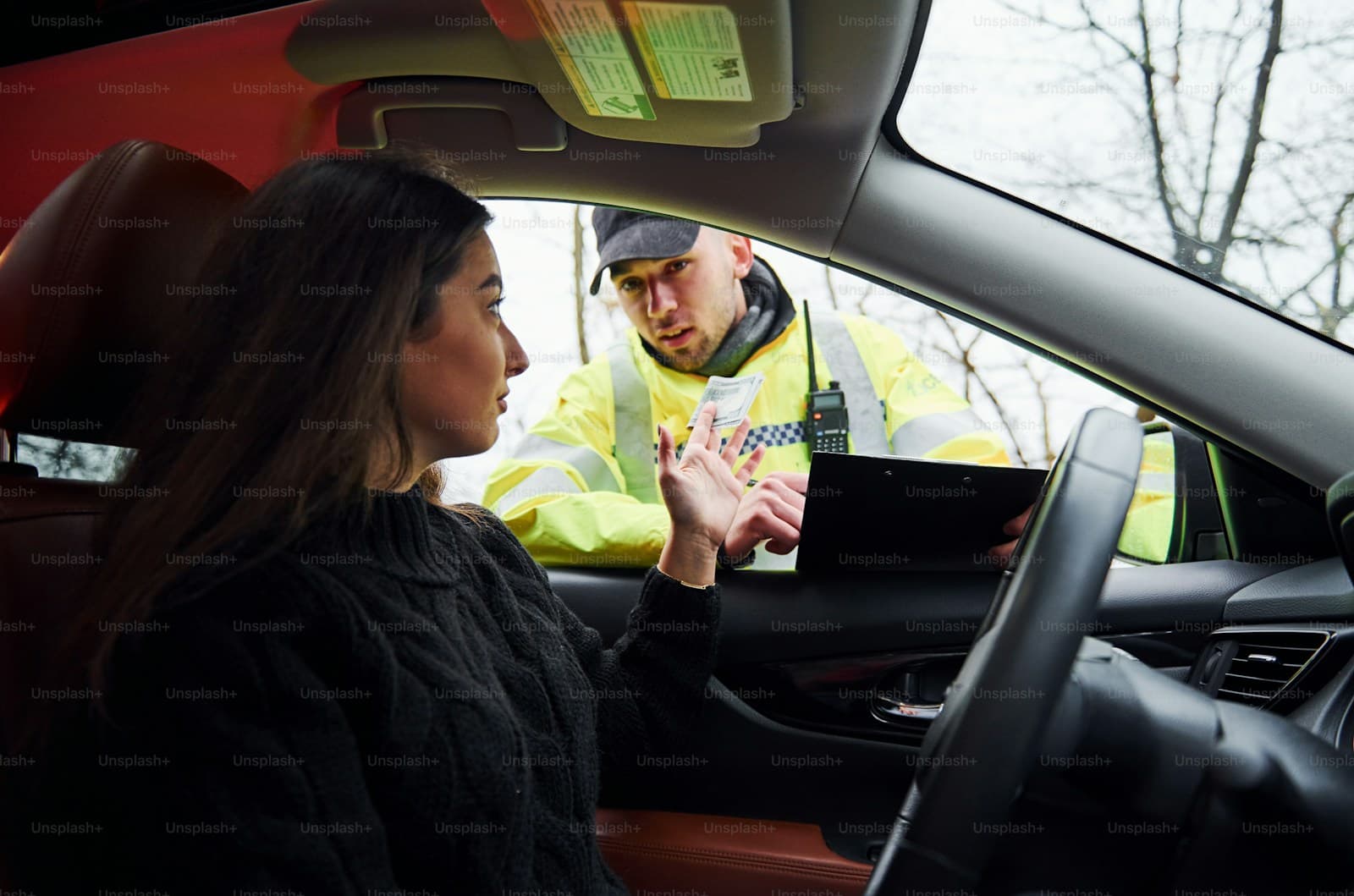
Driving outside approved hardship permit hours or purposes is the second failure mode. Oregon State Police and county sheriffs have real-time access to hardship permit restrictions during traffic stops. If you're pulled over at 9 p.m. and your permit restricts you to work commute ending at 6 p.m., your permit is revoked on the spot. The officer will confiscate your permit and issue a citation for driving while suspended — a Class A misdemeanor carrying up to 1 year in jail and a $6,250 fine. Your non-owner SR-22 policy does not cover incidents that occur while violating permit restrictions.
What Happens When Your Hardship Permit Period Ends
Oregon hardship permits don't restore your full driving privilege. They're a conditional privilege that runs concurrently with your suspension period. When your suspension ends, you must complete full license reinstatement before the hardship permit converts to a standard license.
Reinstatement requires paying Oregon DMV's $75 reinstatement fee, maintaining continuous SR-22 filing for the entire suspension period (1 to 3 years depending on violation type), completing all court-ordered requirements like DUII treatment or victim impact panels, and passing a knowledge test and road test if your suspension exceeded 1 year. SR-22 filing must continue for the court-ordered period — typically 3 years for DUII, even after your license is reinstated.
Once reinstated, you can switch from non-owner SR-22 to a standard SR-22 policy if you purchase a vehicle. The SR-22 filing transfers to the new policy — contact your carrier before canceling the non-owner policy to avoid a lapse. Oregon DMV requires the new SR-22 filing to be active before the old one cancels.