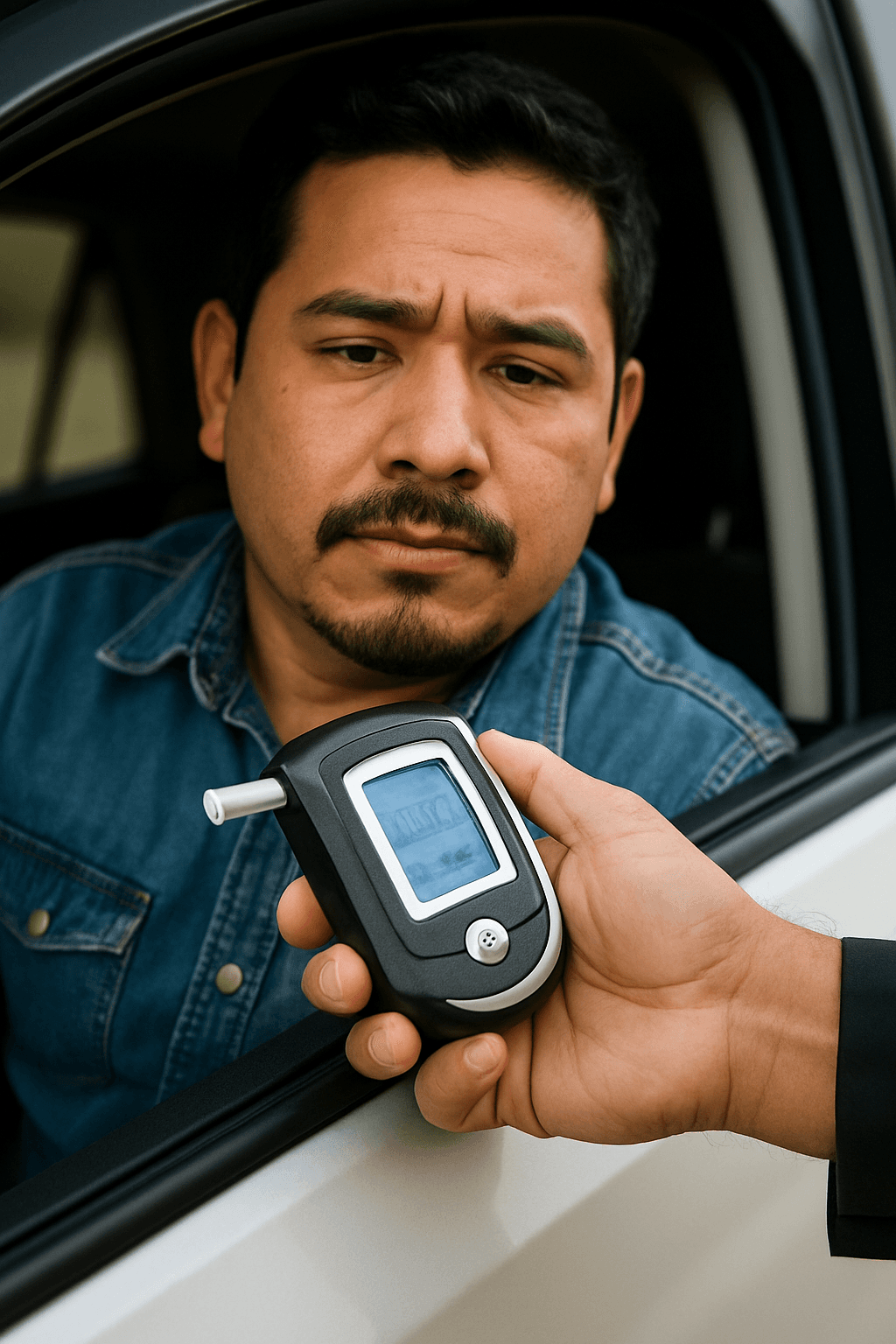
You're considering installing an ignition interlock device before your hardship license application is approved, hoping to start the required IID period early. Georgia's rules don't work that way.
Georgia's IID Clock Starts When DDS Issues Your Limited Permit, Not When You Install
Georgia Department of Driver Services starts counting your required ignition interlock device period from the date your limited driving permit is issued, not from the date you install the device. If you install an IID in January but don't receive your hardship license until March, those two months don't count toward your 12-month IID requirement.
This timing rule appears in Georgia's Administrative License Suspension program regulations and applies to both DUI-related hardship licenses and habitual violator limited permits. The IID monitoring period is tied to the permit itself, not to the device. Installing early doesn't shorten your total compliance timeline.
The only exception: if you voluntarily install an IID before your hardship hearing and present installation records to the hearing officer, some judges credit early installation as evidence of good faith compliance effort. This can improve approval odds but still doesn't reduce the 12-month IID period once the permit is granted.
What Installing Early Actually Costs You
Ignition interlock devices in Georgia cost $75-$120 per month for monitoring and calibration, paid directly to the IID provider. Installation runs $100-$150 as a one-time fee. If you install 60 days before your hardship license is approved, you pay $150-$240 in monitoring fees for a period that doesn't count toward your required compliance time.
Georgia-approved IID providers include Intoxalock, Smart Start, LifeSafer, and Guardian Interlock. All charge monthly regardless of whether you have an active permit. The device stays active and requires bi-monthly calibration appointments even during the gap between installation and permit issuance.
Some drivers install early because they mistakenly believe Georgia operates like Arizona or Kansas, where IID time can accrue before formal license reinstatement. Georgia's rules are explicit: the limited permit must be in effect for the IID period to count. Early installation is a financial loss unless it serves a strategic purpose at your hardship hearing.
Compare car insurance rates in your state
Get quotes from licensed carriers — no obligation, no spam, results in minutes.
Get Your Free Quote✓ No Obligation Required✓ Licensed Carriers Only✓ Available Nationwide✓ Free to Compare
When Early IID Installation Helps Your Hardship License Application
Installing an IID before your hardship hearing can strengthen your case if you're applying within the first 120 days of a DUI suspension. Hearing officers have discretion in granting limited permits, and documented voluntary compliance measures carry weight. Presenting 30-60 days of clean IID records shows you're already adapting to restricted driving conditions.
This strategy works best for first-offense DUI cases where the suspension is under 12 months and you're seeking a permit during the hard suspension period. If your suspension is longer than 12 months or you're a habitual violator, the cost-benefit calculus shifts. You'll need the IID for the full required period regardless of early installation, so the financial impact is higher with less discretionary benefit.
To use early installation strategically, request printouts of your IID activity logs from the provider and bring them to your hardship hearing. Zero violations, consistent calibration compliance, and no attempted starts with alcohol detected are the data points that matter. Hearing officers see thousands of DUI cases; clean IID records differentiate you from applicants who offer only promises.
How Georgia's Hardship License Timeline Actually Works
Georgia allows hardship license applications 30 days after a DUI arrest if you're enrolled in a DUI Alcohol or Drug Use Risk Reduction Program and have SR-22 insurance filed with DDS. The hearing itself typically occurs 15-45 days after you submit your application, depending on county backlog. If approved, DDS issues your limited permit within 7-10 business days of the hearing decision.
Your IID requirement begins the day the limited permit becomes valid. If your hearing is February 15 and your permit is issued February 22, your 12-month IID clock starts February 22. Any IID installed before that date doesn't count toward the 12 months, though it can be cited as evidence of compliance readiness at the hearing.
Once the permit is active, Georgia requires monthly IID monitoring reports submitted directly from your provider to DDS. Missing a calibration appointment or registering a failed start can result in permit revocation and extension of your underlying suspension. The stakes are higher once the clock officially starts.
Alternative Strategy: Wait Until Permit Approval, Then Install Immediately
The most cost-effective approach for most Georgia drivers is to complete all hardship license requirements except IID installation, attend your hearing, and install the device only after receiving written approval. This eliminates paying for non-counting months and ensures your IID period starts the same week your permit is valid.
Once your hearing officer approves your limited permit, you have 10 days to install an IID before DDS will issue the physical permit card. Schedule installation with a Georgia-approved provider within 48 hours of receiving approval notice. Most providers can install within 2-3 business days if you call immediately after your hearing.
This timing strategy works unless you're using early IID installation as a hearing persuasion tool. If your DUI involved a high BAC (0.15+), prior violations, or an accident with injury, early installation may still be worth the cost to demonstrate commitment. For first-offense cases with clean records otherwise, waiting saves $150-$360 with no compliance downside.
What Happens If You Install Early and Your Hardship License Is Denied
Georgia hearing officers deny roughly 15-25% of first-time hardship license applications, most commonly for incomplete DUI program enrollment, missing SR-22 filings, or failure to demonstrate legitimate hardship tied to employment or medical need. If your application is denied and you've already installed an IID, you've paid installation and monthly fees for a device you can't legally use.
You can reapply for a hardship license 30 days after a denial, but the IID clock still doesn't start until a permit is actually issued. If you're denied in March, reapply in April, and finally approved in May, your 12-month IID period begins in May. The device installed in February counts for nothing except as potential evidence in your second hearing.
Some providers allow you to pause monitoring between a denial and reapplication, but you'll still owe the installation fee and any months the device was active. Read your provider contract carefully before installing early. Guardian Interlock and Smart Start both have pause policies, but they require 15-30 days advance notice and you lose your installation appointment priority when you reactivate.