You hold a commercial driver's license, you received a DUI in your personal vehicle, and now you're trying to determine whether your Texas occupational driver license allows you to operate commercial vehicles on approved work routes.
Can You Drive a Commercial Vehicle on a Texas ODL After a DUI?
No. Texas occupational driver licenses restrict you to Class C vehicle operation only, regardless of what vehicle class your underlying CDL authorizes or what routes your court order approves. The ODL is issued as a restricted Class C privilege—it does not carry your commercial endorsements forward, and Texas Transportation Code 521.252 explicitly prohibits operating a commercial motor vehicle during an ODL restriction period.
This restriction applies even if your DUI occurred in a personal vehicle and your CDL remains technically valid at the federal level. Texas DPS suspends both your Class C base privilege and your commercial driving privilege when a DUI suspension is imposed. The ODL restores only the Class C component for approved purposes. Your employer cannot legally assign you to operate vehicles requiring a CDL during the restriction period, even on routes your court order lists as approved.
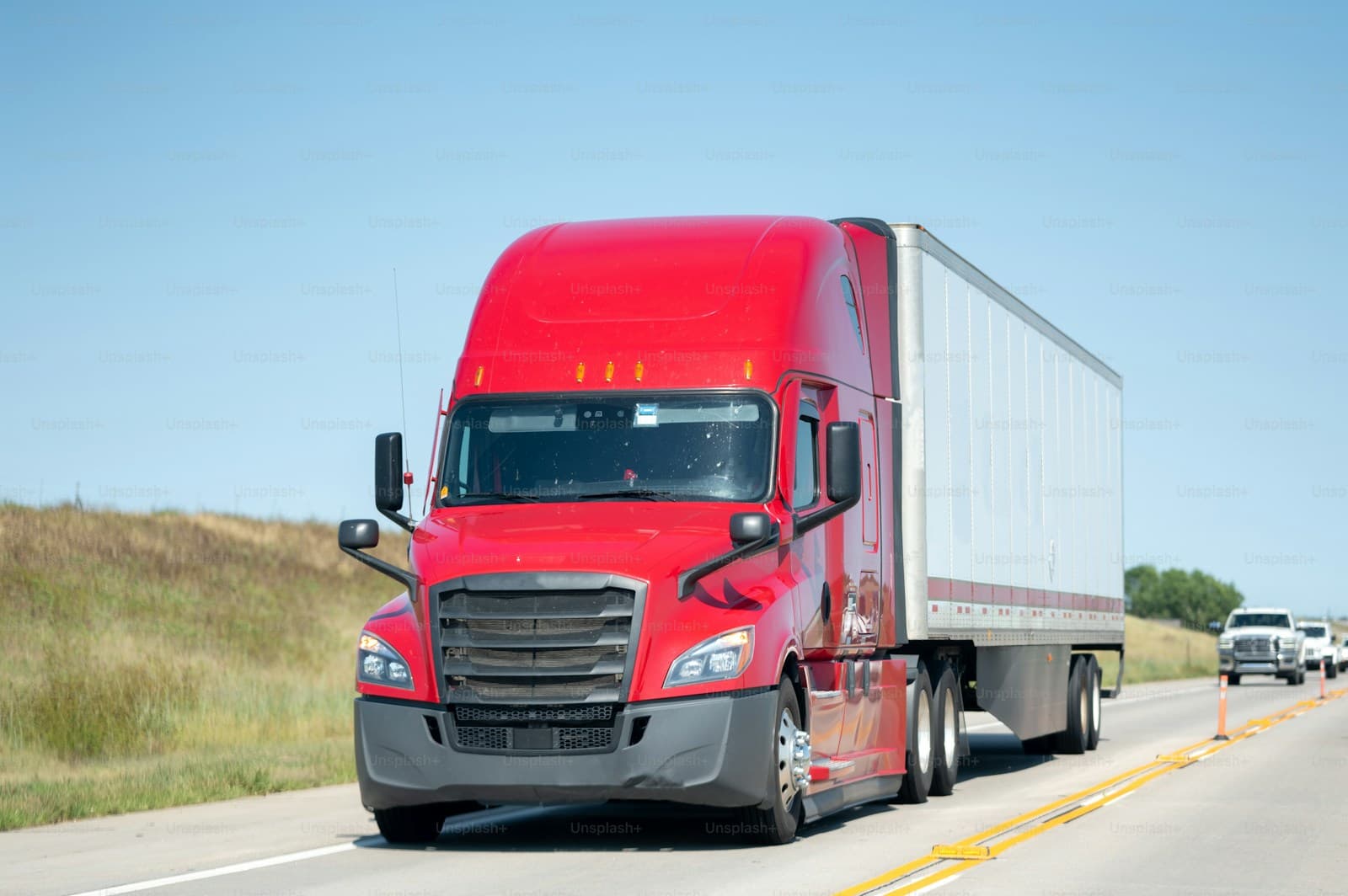
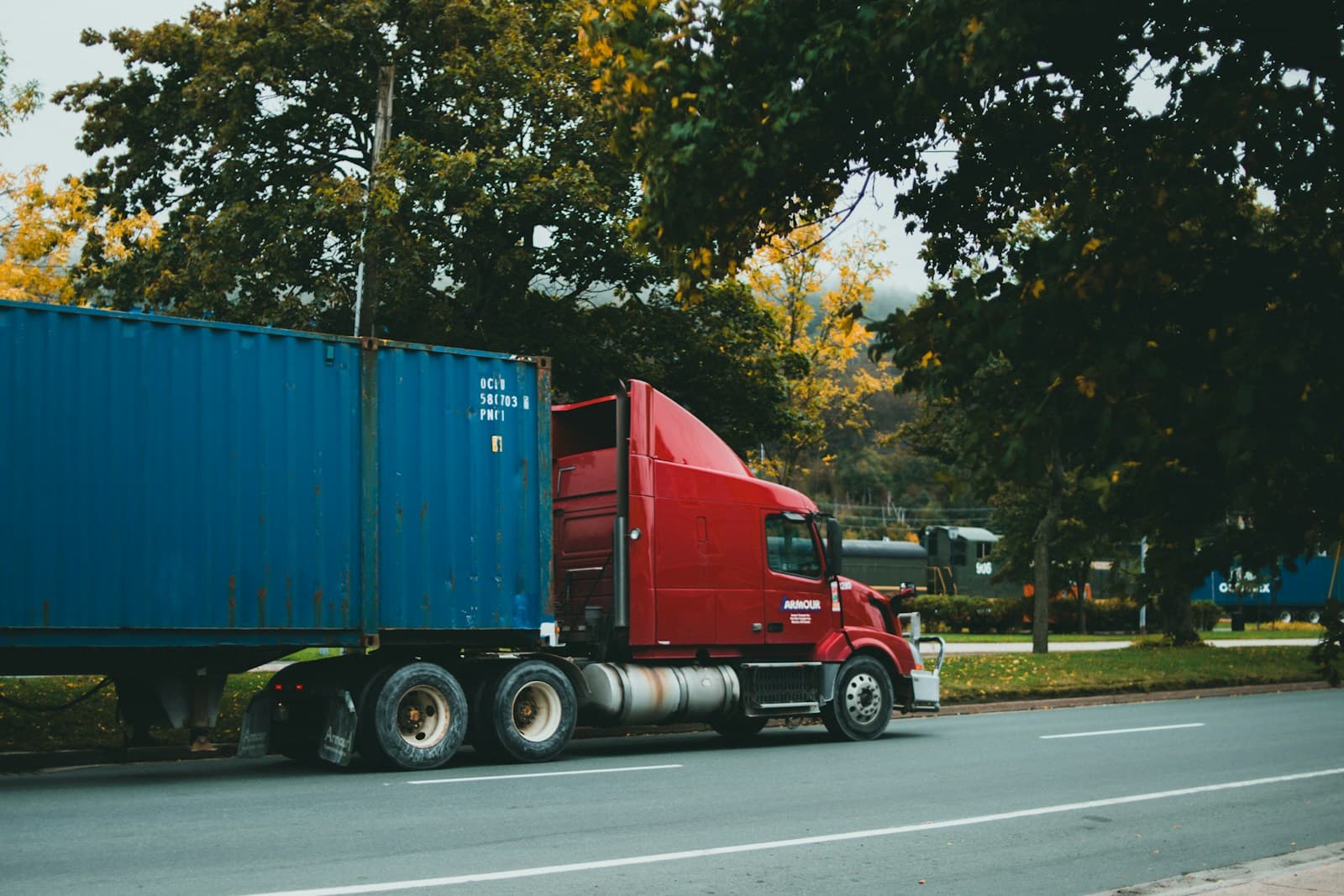
Most CDL holders assume that because their court order approves "commute to work at [trucking company]" and "operation of vehicles in the course of employment," they can resume their commercial driving duties. That language refers to non-CMV operation—driving a company pickup truck, a service van under 26,001 lbs GVWR, or a passenger vehicle for work errands. Operating a Class A or Class B vehicle, or any vehicle requiring hazmat or passenger endorsements, violates your ODL terms and triggers immediate revocation plus criminal charges for driving while license invalid.
What Happens to Your CDL During the Texas DUI Suspension Period
Texas DPS issues a dual suspension when you receive a DUI: your Class C base privilege is suspended under Transportation Code 524.022 (ALR suspension) or 521.344 (criminal conviction suspension), and your commercial driving privilege is suspended separately under federal FMCSA regulations that disqualify CDL holders for one year after a first-offense DUI. Both suspensions run concurrently, but they do not expire concurrently.
Your ODL petition can restore your Class C privilege for approved non-commercial purposes—commuting to work in a personal vehicle, driving to required DUI education classes, transporting dependents to medical appointments—but it cannot shorten or bypass the federal CDL disqualification. Even if your ODL is approved 30 days after your suspension begins, your CDL disqualification continues for the full one-year period from your DUI arrest date. You cannot legally operate a CMV during that year, period.
After the one-year CDL disqualification expires, you must apply for CDL reinstatement separately through DPS. That reinstatement requires completing your DUI education program, paying a $100 CDL reinstatement fee in addition to the standard $125 Class C reinstatement fee, filing an SR-22 certificate, and in most cases installing an ignition interlock device on any vehicle you operate—including your personal vehicle. The IID requirement does not apply to your employer's commercial vehicles, but you cannot operate those vehicles until your CDL is fully reinstated and your ODL restriction period has ended.
Compare car insurance rates in your state
Get quotes from licensed carriers — no obligation, no spam, results in minutes.
Get Your Free Quote✓ No Obligation Required✓ Licensed Carriers Only✓ Available Nationwide✓ Free to Compare
Why Most CDL Holders Lose Their Job Before ODL Approval
Trucking companies, delivery services, and commercial fleet operators cannot hold a driver position open for 12 months while you wait out your CDL disqualification. Most terminate within 30-60 days of the suspension notice. The ODL does not solve this problem because it does not restore your ability to perform the essential functions of a CDL-required job.
If your employer offers non-CDL positions—warehouse work, dispatch, office administration, vehicle detailing, parts delivery in a Class C vehicle—your ODL can authorize commuting to that job and operating non-commercial vehicles during work hours if your court order includes those purposes. Your petition must specify the non-CDL job title, the work address, your scheduled hours, and the types of vehicles you will operate. The court will not approve vague language like "all driving necessary for employment." You need a letter from your employer on company letterhead stating your new job title, your work schedule, and confirming that the position does not require operating commercial motor vehicles.
Drivers who attempt to return to CDL-required work on an ODL face immediate arrest if stopped during a work trip. Texas DPS cross-references ODL approvals against CDL status. If you are pulled over operating a CMV while your CDL is disqualified, you will be charged with driving while license invalid (Class B misdemeanor, up to 180 days in jail, $2,000 fine), your ODL will be revoked, and your underlying suspension period will be extended. Your employer will be cited for allowing an unqualified driver to operate a commercial vehicle, which triggers federal DOT penalties and often results in termination and blacklisting from future CDL employment.
Approved ODL Purposes That Apply to Former Commercial Drivers
Texas courts approve ODL petitions for specific essential purposes listed in Transportation Code 521.246. For CDL holders transitioning to non-commercial work or navigating the disqualification period, the most commonly approved purposes are: travel to and from work at a specific employer address during specified hours; travel required in the course of employment operating non-commercial vehicles under 26,001 lbs GVWR; travel to and from DUI education classes and court-ordered treatment programs; travel to and from medical appointments for yourself or your dependents; and travel to and from an educational institution if you are enrolled in workforce retraining or skill development programs.
Your petition must list each purpose separately with specific addresses, days of the week, and time windows. "Monday-Friday 6:00 AM to 6:00 PM, residence at [address] to workplace at [address], operation of non-commercial company vehicles under 26,001 lbs during work hours" is the level of specificity Texas judges expect. Vague requests get denied. If your work schedule varies week to week, petition for the broadest window your employer will document—most courts approve 12-hour windows to accommodate shift work.
Route deviation during approved hours is a criminal violation, even if the trip serves an approved purpose. If your ODL approves travel between home and work Monday-Friday 5:00 AM to 7:00 PM, and you stop at a grocery store on the way home at 6:30 PM, you are driving outside your court order. That stop is not an approved destination. If you are pulled over leaving the grocery store, you face DWLI charges and ODL revocation. Emergency medical situations are the only recognized exception, and you must document the emergency with hospital records or a police report filed the same day.
SR-22 Filing and Insurance Costs for CDL Holders on ODL
Texas requires SR-22 certificate filing for two years after a DUI suspension, beginning the day your driving privilege is reinstated. If you receive an ODL 45 days after your suspension starts, your SR-22 filing period begins on day 45 and runs for two years from that date. You must maintain continuous SR-22 coverage on any vehicle you own or operate during the ODL period and beyond. A lapse of even one day triggers automatic suspension of your ODL and resets your reinstatement timeline.
Non-standard carriers that write SR-22 policies for post-DUI drivers in Texas—Bristol West, Dairyland, GAINSCO, Direct Auto, Acceptance, National Lloyds—typically quote $140-$240/month for minimum liability coverage (30/60/25) on a personal vehicle for a CDL holder with a DUI. That rate reflects both the DUI and the elevated risk profile Texas insurers assign to professional drivers. If you do not own a vehicle, you can file a non-owner SR-22 policy for $35-$60/month, which satisfies the state's SR-22 requirement and allows you to operate vehicles you do not own—company vehicles during approved work hours, a spouse's vehicle for approved errands, a rental vehicle in an emergency.
Your CDL reinstatement after the one-year disqualification period requires maintaining that SR-22 filing. If your SR-22 lapses at any point during the two-year requirement, DPS will suspend your Class C privilege and your CDL privilege separately. Reinstating both requires paying reinstatement fees twice, refiling SR-22, and restarting the two-year SR-22 clock. Most commercial drivers carry both a personal-vehicle SR-22 policy and employer-provided commercial liability during the reinstatement period to avoid coverage gaps.
What to Do If You Need to Keep Working
If you hold a CDL and your income depends on driving, your immediate priority is determining whether your current employer offers non-CDL positions you can transfer into during your disqualification period. If they do, request a letter documenting the job title, work location, schedule, and vehicle types you will operate. Use that letter as the foundation of your ODL petition. File your petition within 15 days of your suspension effective date to minimize the gap between losing your license and regaining limited driving privileges.
If your employer cannot accommodate a non-CDL role, start applying for jobs that do not require a CDL before your suspension takes effect. Warehouse positions, delivery driver roles operating cargo vans under 10,001 lbs, service technician roles, and sales positions often require reliable transportation but not a commercial license. Secure a job offer, request the employer letter, and file your ODL petition immediately. Judges approve petitions faster when the employment documentation is specific and verifiable.
Once your ODL is approved, obtain SR-22 insurance the same day. Most non-standard carriers can issue an SR-22 certificate and file it with DPS electronically within 24-48 hours. Your ODL is not valid until DPS receives proof of SR-22 filing. If you drive on your court-approved ODL order before SR-22 filing is complete, you are driving without valid insurance and without a valid license—both violations carry separate criminal penalties and extend your suspension.
After your one-year CDL disqualification period ends, apply for CDL reinstatement through DPS. You will need proof of DUI program completion, SR-22 certificate, payment of the $100 CDL reinstatement fee, and in most cases proof of ignition interlock installation. Budget $1,200-$1,800 for IID installation and six months of monitoring if your BAC was .15 or higher. Your ODL restriction does not automatically end when your CDL is reinstated—it expires on the date your court order specifies, typically 12-24 months from approval. You must petition the court separately to terminate your ODL early, and most judges deny those petitions unless your underlying suspension has fully expired.
Filing Your ODL Petition: Court Process and Timing
Texas ODL petitions are filed in the justice or municipal court that has jurisdiction over your residence. You cannot file in the court that handled your DUI case if that court is in a different county. The petition requires: a completed Application for Occupational Driver License (DPS Form DL-76), a certified copy of your driving record from DPS ($20), a letter from your employer or prospective employer documenting your job and schedule, proof of enrollment in a DUI education program, proof of SR-22 insurance filing or a binder letter from your insurer, and a $125 court filing fee.
Most courts schedule ODL hearings 14-21 days after you file your petition. You must appear in person. The judge will review your petition, confirm that your listed purposes are essential, verify that your employer letter matches your requested hours and routes, and confirm that you have SR-22 coverage in place or pending. If your petition is approved, the court issues an order the same day. You take that order to a DPS driver license office, pay a $10 ODL issuance fee, and receive a restricted license with "OCCUPATIONAL" printed on the face.
Your ODL is valid for the period specified in your court order—most judges approve one-year terms for first-offense DUI suspensions. If your underlying suspension lasts longer than one year, you must renew your ODL by filing a new petition before your current order expires. Renewal petitions require updated employer documentation, proof of continued SR-22 coverage, and proof that you have completed all required DUI education classes. The renewal filing fee is $125 again.
Violating your ODL terms—driving outside approved hours, traveling to non-approved destinations, operating a CMV, allowing your SR-22 to lapse—results in immediate revocation. DPS does not send a warning notice. Your ODL becomes invalid the moment the violation occurs, and continued driving on that invalid ODL is a criminal offense. Most CDL holders discover their ODL has been revoked when they are pulled over for a minor traffic violation and the officer runs their license. At that point you face DWLI charges, vehicle impoundment, and extension of your underlying suspension by 6-12 months.