Kansas calls it a restricted license. Between DMV reinstatement, SR-22 filing, ignition interlock, and the petition hearing itself, you're looking at $2,100–$3,800 before your first legal mile to work.
The Real Number: $2,100–$3,800 From Suspension to First Legal Drive
Kansas restricted license (the state's term for a work permit) costs break into five mandatory categories: court petition filing, DMV reinstatement, SR-22 insurance premium, ignition interlock installation and monitoring, and employer documentation if your job requires bonding or fleet enrollment. The petition fee is $59, paid to the district court when you file for restricted driving privileges. DMV reinstatement runs $85 for most suspensions, $100 if child support enforcement triggered your suspension. SR-22 filing itself costs $25–$50 as a one-time carrier fee, but the premium increase is the real hit: high-risk drivers typically pay $110–$220/month for minimum liability with SR-22 endorsement, versus $65–$95/month for standard coverage.
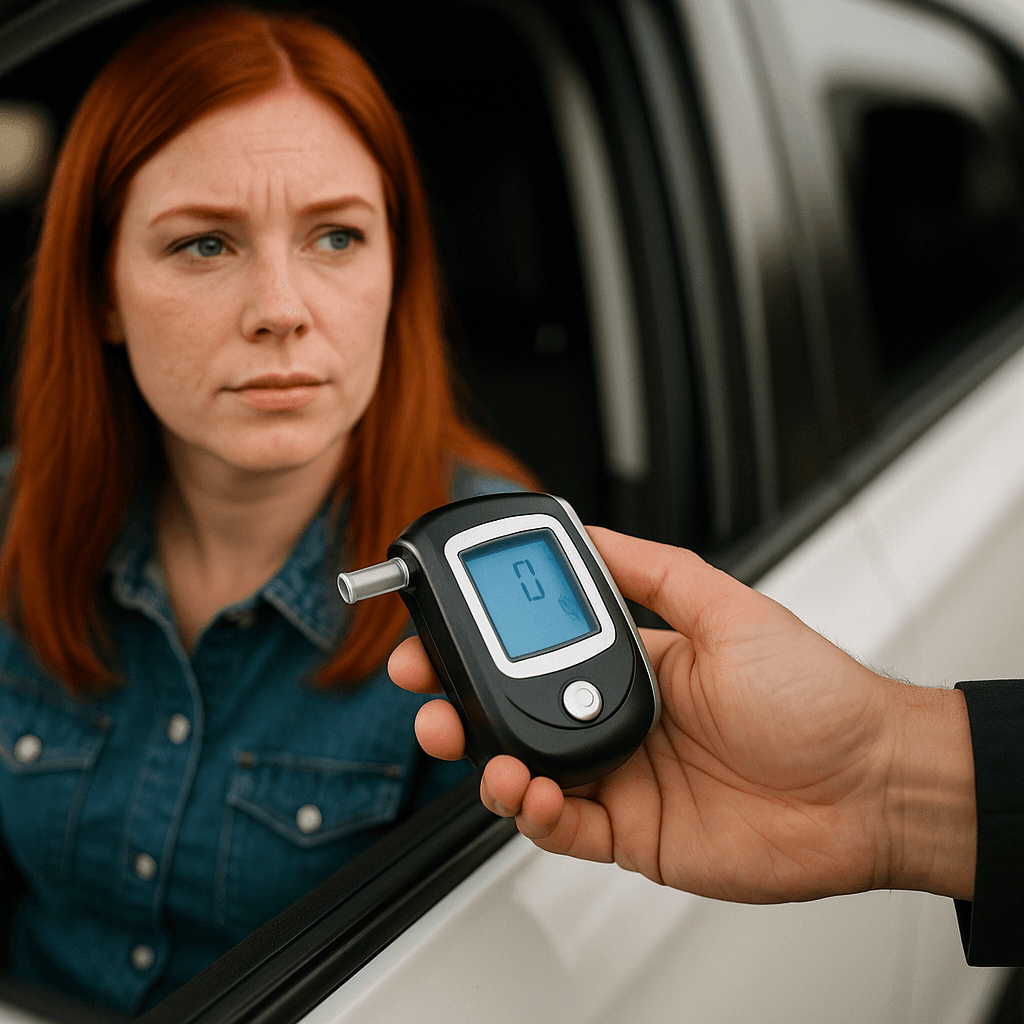
Ignition interlock device (IID) installation costs $75–$150 upfront, then $90–$180/month for monitoring, calibration, and data reporting. Kansas requires IID for most DUI-related restricted licenses and some multiple-violation cases. The monitoring fee does not scale with miles driven. You pay the full monthly rate whether you drive 50 miles or 500.
Employer documentation fees vary. If your job requires fleet enrollment or bonding adjustment after a DUI, expect $150–$400 in administrative costs your employer may or may not absorb. Kansas restricted licenses require employer verification on the petition, but most employers don't charge for the signature itself. Total first-year cost: petition $59, reinstatement $85, SR-22 premium increase $540–$1,500 annually, IID installation $75–$150, IID monitoring $1,080–$2,160 annually. That's $1,839–$3,954 in year one, before factoring any attorney fees if you hire representation for the hardship hearing.
Kansas Calls It a Restricted License — Court Path, Not DMV Administrative
Kansas grants restricted driving privileges through district court petition, not DMV administrative process. You file a petition for restricted license in the county where you were convicted or where your suspension was issued. The court schedules a hearing, typically 2–4 weeks out. The judge decides whether to grant the privilege, what hours you're approved to drive, and what routes are allowed. Kansas Statutes Annotated 8-292 governs the restricted license framework.
Eligibility waiting period depends on your violation. First-time DUI with BAC under 0.15: eligible immediately after suspension begins. First-time DUI with BAC 0.15 or higher, or refusal: 30-day hard suspension, then eligible to petition. Second DUI within 10 years: 90-day hard suspension. Third or subsequent DUI: 1-year hard suspension before restricted privileges are available. Multiple moving violations or insurance lapse suspensions: typically eligible immediately, but the court has discretion.
Approved purposes in Kansas are narrow: travel to and from work, travel required during work hours (if your job involves driving), travel to court-ordered programs (DUI education, treatment, ignition interlock service appointments), and medical appointments for you or immediate family. The court does not grant restricted privileges for groceries, errands, school drop-off, or social activities. Violation of approved hours or purposes revokes the restricted license and typically adds 90 days to your underlying suspension.
Compare car insurance rates in your state
Get quotes from licensed carriers — no obligation, no spam, results in minutes.
Get Your Free Quote✓ No Obligation Required✓ Licensed Carriers Only✓ Available Nationwide✓ Free to Compare
SR-22 Requirement and Premium Reality for Kansas Restricted License Holders
Kansas requires SR-22 filing for the full duration of your restricted license period and for 2 years after full reinstatement if your suspension was DUI-related. SR-22 is a carrier-filed certificate proving you carry at least Kansas minimum liability: 25/50/25 ($25,000 bodily injury per person, $50,000 per accident, $25,000 property damage). The carrier files electronically with Kansas DMV. If your policy lapses or cancels, the carrier notifies DMV within 10 days, your restricted license is revoked immediately, and your suspension clock resets to zero.
Premium increase for SR-22 drivers in Kansas typically runs 65–140% over standard rates, depending on violation type and carrier. DUI conviction: expect $150–$280/month for minimum liability with SR-22. Multiple moving violations: $110–$190/month. Insurance lapse suspension: $95–$150/month. Five carriers write most Kansas SR-22 restricted license business: Progressive, Dairyland, GAINSCO, The General, and Bristol West. Not all write restricted license holders — some require full reinstatement first.
Non-owner SR-22 policy costs $40–$85/month if you don't own a vehicle but need the filing to satisfy your restricted license SR-22 requirement. This covers you when driving a borrowed or employer-owned vehicle, but does not cover a vehicle you own or regularly drive. If you own a car or your restricted license allows commuting in a personal vehicle, you need standard SR-22 auto liability, not non-owner.
Ignition Interlock: $1,200–$2,500/Year Whether You Drive Daily or Weekly
Kansas requires ignition interlock for all DUI-related restricted licenses, regardless of BAC level. Installation runs $75–$150 depending on provider and vehicle type. Monthly monitoring fee covers calibration (required every 30–60 days), data download, and reporting to the court and DMV: $90–$180/month. Three providers dominate Kansas: LifeSafer, Intoxalock, and Smart Start. Monthly cost does not vary with mileage. If you drive 10 miles per week for work only, you pay the same $120/month as someone driving 300 miles per week.
Calibration appointments are mandatory. Miss one and your device enters lockout mode — vehicle won't start until you get it serviced. Most providers charge $50–$75 for lockout reset. Violation events (failed start test, missed rolling retest, tampering) extend your IID requirement by 6 months per violation in Kansas. The court and DMV receive automatic reports.
IID requirement typically runs for the full restricted license period plus 6–12 months after full reinstatement for DUI cases. If your restricted license is granted for 1 year, expect to carry IID for 18–24 months total. Budget $1,440–$2,880 for the full IID term at $120–$180/month, plus installation and any violation-triggered extensions.
Petition Hearing Costs: $59 Filing Fee Plus Optional Attorney ($750–$1,500)
Kansas district court charges $59 to file your restricted license petition. This is separate from your DMV reinstatement fee. You pay the clerk when you file, typically 2–4 weeks before your hearing date. The petition requires: proof of employment (letter from employer on company letterhead stating job title, work address, and required hours), proof of SR-22 insurance, proof of IID installation if required, completion certificate from DUI education or assessment if court-ordered, and a proposed driving schedule (exact hours and routes).
You are not required to hire an attorney, but DUI-related petitions have higher denial rates when filed pro se. Typical Kansas restricted license attorney fees: $750–$1,500 for petition preparation, hearing representation, and one revision if the judge requests schedule changes. Attorneys negotiate tighter language on approved purposes and push back on overly restrictive route limitations. Denial rate for pro se DUI petitioners in some Kansas counties runs 30–40%. With representation: 10–15%.
If your petition is denied, you wait 30 days to refile in most Kansas counties. That's another $59 filing fee, another hearing date 2–4 weeks out, and another month without legal driving. First-time filers often get denied for vague employer letters, incomplete DUI program documentation, or proposed schedules the judge finds too broad. The $750–$1,500 attorney cost often pays for itself in time saved and approval probability.
Employer Documentation and Bonding Adjustments After Suspension
Kansas restricted license petition requires employer verification: a signed letter confirming your job, your required work hours, and your work address. Most employers provide this at no charge, but some require HR or legal review if your role involves driving, fleet access, or bonding. If your job requires a commercial driver's license (CDL) or you drive a company vehicle, expect complications. Kansas restricted license does NOT restore CDL privileges. You cannot drive commercial vehicles under a restricted license, even for work.
If your employer bonds drivers or maintains a fleet policy, your DUI or suspension may trigger a bonding exclusion or premium surcharge. Some Kansas employers charge the employee for the incremental bonding cost: $150–$400 annually is typical. Others terminate drivers who lose full privileges, restricted license or not. Confirm your employment status before filing the petition. Kansas courts do not grant restricted licenses for job searches or gig work without verified employer documentation.
Fleet insurance policies often exclude restricted license holders entirely. If your job requires driving a company vehicle and your employer's carrier won't cover you under a restricted license, your petition is functionally useless. Verify coverage with your employer's risk manager or fleet coordinator before paying the $59 filing fee. This is the most common post-approval failure mode: restricted license granted, employer says you still can't drive company vehicles, job ends anyway.
What Happens If You Miss a Payment or Violate Approved Hours
Kansas restricted license revocation is automatic and unforgiving. SR-22 lapse: your carrier notifies DMV within 10 days, your restricted license is revoked that day, and your underlying suspension period resets to zero. If you were 8 months into a 1-year suspension, you now owe 12 months from the lapse date. IID violation (failed start, missed calibration, tampering): your provider reports to the court and DMV within 72 hours. The court can revoke your restricted license immediately and extend your IID requirement by 6 months per violation event.
Driving outside approved hours or purposes: criminal charge for driving while suspended, which is a Class B misdemeanor in Kansas for first offense (up to 6 months jail, $1,000 fine), and your restricted license is revoked. Subsequent violations escalate to Class A misdemeanor with mandatory minimums. If you're pulled over at 9 PM and your restricted license approves 6 AM–6 PM only, you're charged. If you drive to a grocery store and your approved purposes list only work and medical, you're charged.
Kansas restricted license is a conditional privilege, not a right. The state does not send reminders before your SR-22 lapses. The court does not call before your IID calibration is overdue. You track every deadline, every approved hour, every payment. One missed SR-22 premium and you're back to day zero of your suspension, minus the $2,500+ you already spent getting the restricted license in the first place.