Updated July 2026
What Is Liability Insurance Insurance?
Liability insurance pays for injuries and property damage you cause to other people in an accident. It covers the other driver's medical bills, vehicle repairs, lost wages, and legal fees if they sue you. Your state sets minimum liability limits — typically expressed as three numbers like 25/50/25, meaning $25,000 per person for injuries, $50,000 total per accident for injuries, and $25,000 for property damage. Liability coverage does not pay for your own injuries or vehicle damage — only what you're legally responsible for when you hurt someone else or damage their property.
- The other driver has $15,000 in medical bills and $7,000 in vehicle damage. If you carry 25/50/25 liability limits, your policy pays the full $22,000. If you carried only 15/30/10 limits (the minimum in some states), your policy would pay $15,000 for medical and $7,000 for property damage, but you'd still be within limits. If the medical bills were $30,000 and you had 25/50/25 coverage, your insurer pays $25,000 and you're personally liable for the remaining $5,000.
- You cause $4,500 in damage to a parked vehicle and don't stop. The other driver reports the hit-and-run to police. If you're identified, your liability coverage will not pay for the damage because you committed a criminal act by leaving the scene. The other driver's uninsured motorist property damage coverage may pay for their repairs, and you'll face both criminal charges and a civil lawsuit for the damage amount.
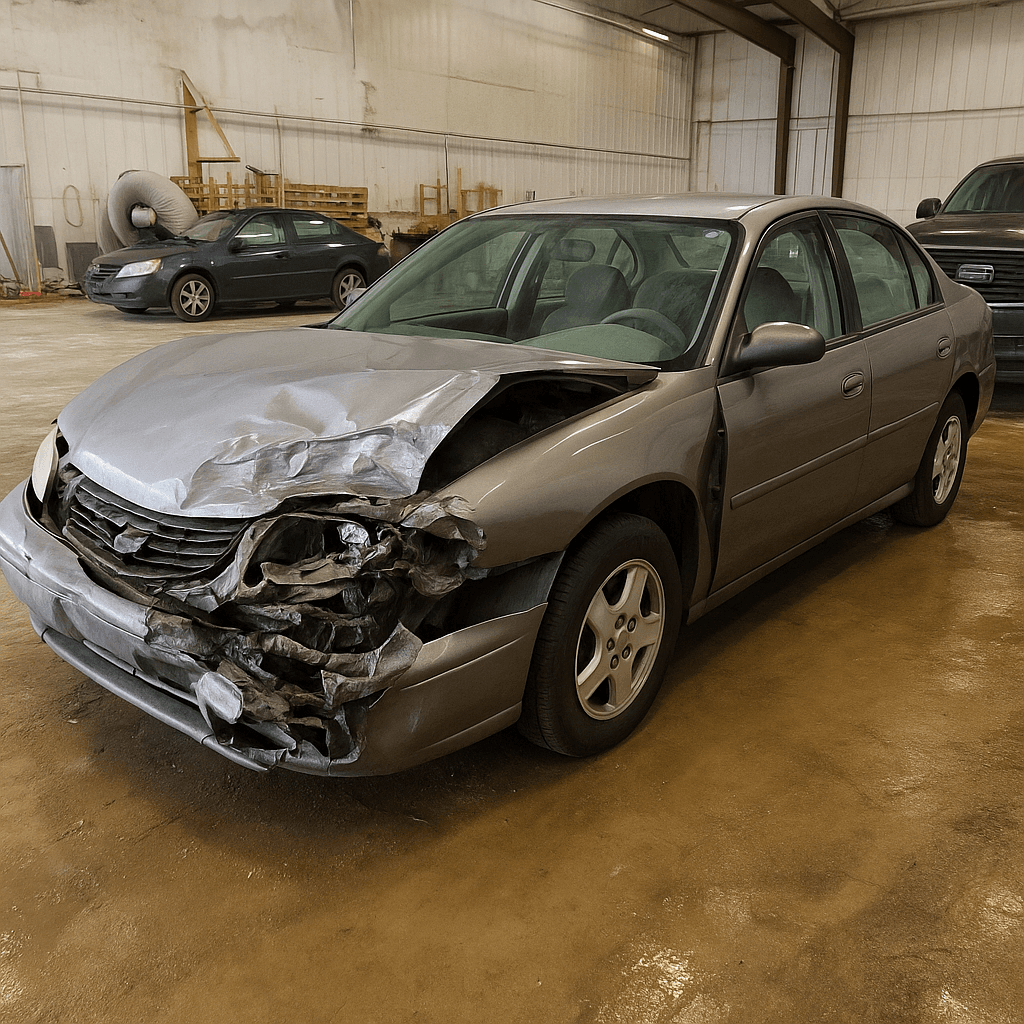
- Your car sustains $8,000 in damage but no other vehicles are involved. Liability coverage pays zero dollars because you didn't damage someone else's property or injure another person. You're responsible for the full repair cost out of pocket unless you carry collision coverage, which would pay for your vehicle damage minus your deductible.
How Much Does Liability Insurance Insurance Cost?
Post-suspension liability insurance with SR-22 filing typically costs $120–$280 per month for state minimum coverage, or $1,440–$3,360 per year.
- SR-22 filing adds $20–$50 per month on top of already-elevated non-standard rates charged to drivers with violations.
- Your underlying violation — DUI, multiple tickets, or license suspension — creates the largest rate increase, often 2–4x standard rates before SR-22 costs are added.
- State minimum liability limits cost significantly less than higher limits, but many hardship license programs require proof of financial responsibility above the legal minimum.
- Continuous coverage matters — even a single day lapse triggers SR-22 termination notification to the DMV and often restarts your filing period.
- Non-standard carriers (Bristol West, Direct Auto, The General, Acceptance, Safe Auto) dominate this market and charge different rates based on your violation type and time since offense.
- Combining SR-22 liability with an ignition interlock device requirement can increase premiums another 10–20% due to perceived elevated risk.
See How Much You Could Save
Get personalized liability insurance insurance quotes in minutes.
Who Needs Liability Insurance Insurance?
You need liability insurance if you're applying for a hardship license, occupational license, restricted license, or work permit after a suspension. Most states require proof of liability coverage through SR-22 filing before issuing the restricted privilege, and you must maintain continuous coverage for the entire filing period — typically 3 years — or your license is revoked again. Even if you don't own a vehicle, you'll need non-owner liability insurance with SR-22 to satisfy the requirement.
If you need to drive for work or court-approved purposes during your suspension, liability insurance with SR-22 is mandatory — there's no alternative. The decision is whether to carry state minimums or higher limits. If you have assets worth protecting (home equity, savings over $10,000, wages that can be garnished), carry at least 50/100/50 limits. If you're judgment-proof and need the absolute lowest monthly cost to keep the restricted license active, state minimums are sufficient to satisfy legal requirements.