Illinois Occupational License Insurance After DUI

Illinois requires SR-22 filing with 25/50/20 minimum liability coverage to obtain an occupational driving permit after license suspension. The restricted license allows driving for work, medical appointments, and court-ordered programs only — violation of approved hours or routes revokes the permit and extends your suspension.

Compare Illinois Auto Insurance

Non-Standard Auto · SR-22 · Senior · Teen Drivers

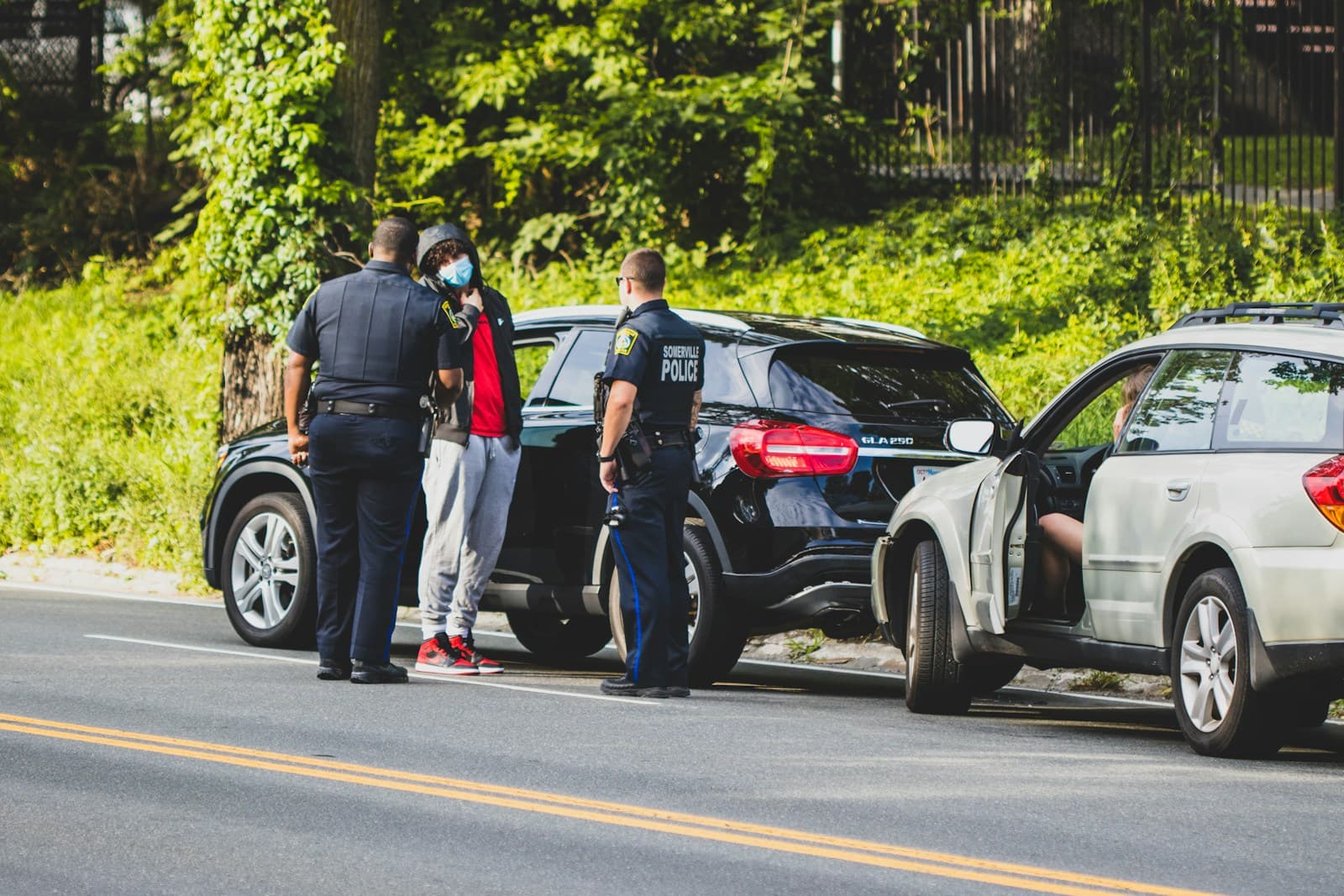
Police officers conducting a traffic stop with a person next to a dark SUV on a tree-lined road
Quotes from state-licensed insurance professionals
Licensed Agents Only
Free to request, no commitment required
No Obligation
No cost to you
Free to Use
Your contact information is protected
TCPA-Compliant
Updated May 2026

Minimum Coverage Requirements in Illinois

Illinois operates under a tort-based liability system and requires all drivers to carry proof of financial responsibility. After a DUI or multiple-violation suspension, regaining any driving privilege requires filing SR-22 proof through the Illinois Secretary of State, followed by a court petition for a Restricted Driving Permit (occupational license). Illinois law does not allow immediate reinstatement — you must petition a judge, often in the same court that imposed the suspension.

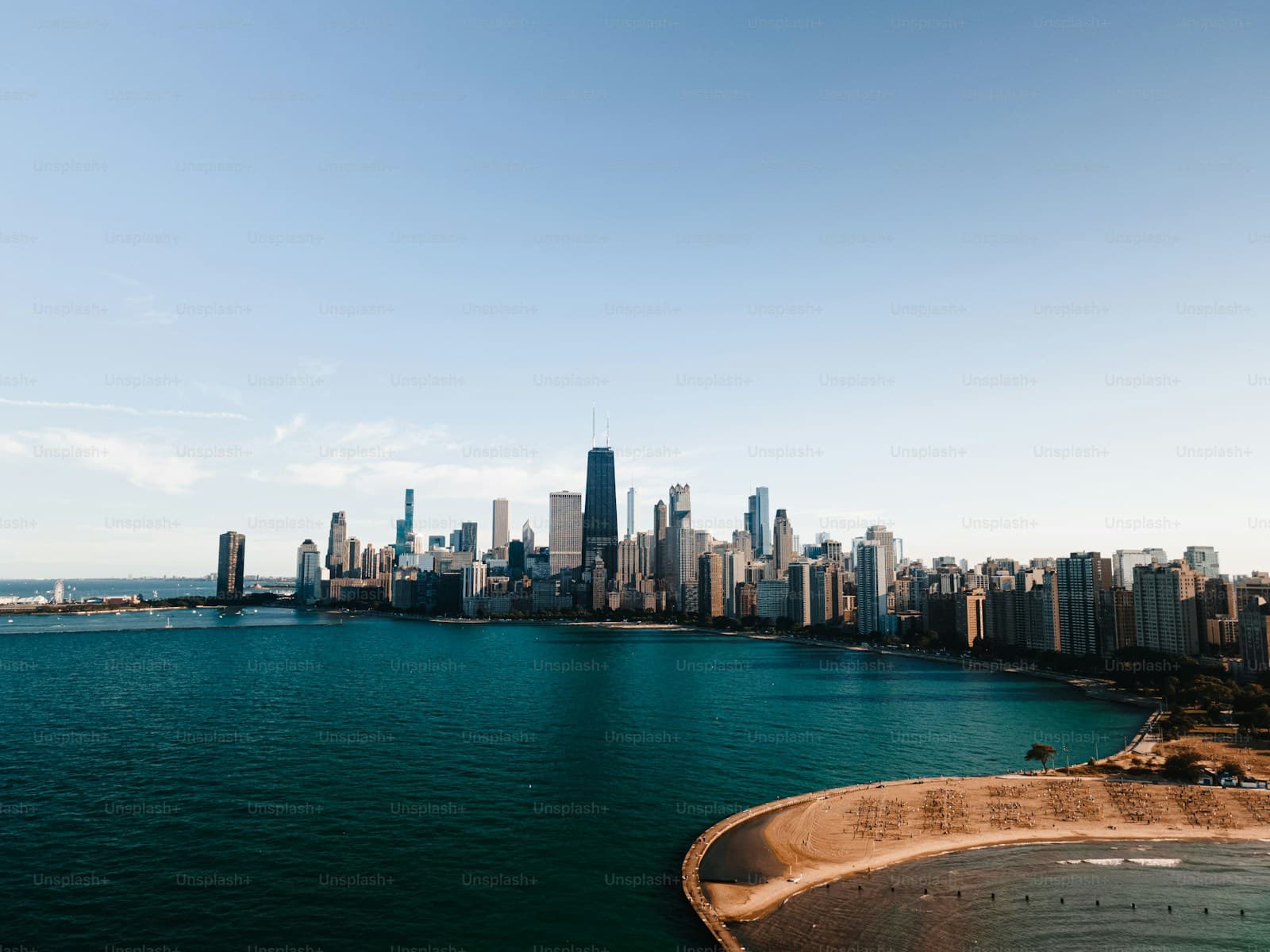
Illinois cityscape and street view
25/50/20 minimum
SR-22 Liability Insurance
SR-22 is not a type of insurance — it is a certificate filed by your carrier directly with the Illinois Secretary of State proving you carry at least the minimum liability coverage. Illinois requires SR-22 for 3 years after a DUI conviction and at least 3 years after multiple moving violations, measured from reinstatement date. If your policy lapses for any reason, your carrier notifies the Secretary of State immediately and your restricted permit is revoked the same day.
$25,000 per person / $50,000 per accident
Bodily Injury Liability
Covers medical bills, lost wages, and legal costs when you injure someone else in an at-fault accident. Illinois's $25,000 per-person minimum is the lowest tier in the Midwest — one emergency room visit and surgery can exceed that limit. If damages exceed your coverage, the injured party can pursue your personal assets, including wages and bank accounts.
$20,000 per accident
Property Damage Liability
Pays for the other driver's vehicle and property damage when you are at fault. The $20,000 minimum covers most single-car accidents but falls short in multi-vehicle crashes or when a commercial vehicle is involved. Illinois does not require collision or comprehensive coverage, even under SR-22 filing, but lienholders do.
Must be offered; rejectable in writing
Uninsured Motorist Coverage
Illinois requires every carrier to offer uninsured and underinsured motorist coverage at the same limits as your liability policy. You can reject it, but rejection must be in writing on a state-approved form at policy inception — verbal rejection does not count, and coverage is automatically added if the form is missing. Roughly 15 percent of Illinois drivers are uninsured, concentrated in Cook County and East St. Louis metro areas.
State-Mandated Minimum Coverage · Illinois

Illinois Minimum Coverage

CoverageMinimum
Bodily Injury (per person)$25,000
Bodily Injury (per accident)$50,000
Property Damage$20,000

License Reinstatement Fee$70

Meeting the state minimum keeps you legal. See whether it's enough — get your Illinois quote.

Get your Illinois quote

How Much Does Car Insurance Cost in Illinois?

Illinois SR-22 carriers price occupational license policies as high-risk placements. The SR-22 filing fee is typically $25–$50, but the premium increase reflects the underlying suspension cause — DUI cases average 80–120 percent higher than standard rates, multiple-violation cases average 60–90 percent higher.

What Affects Your Rate

  • DUI conviction increases premiums 80–120 percent in Illinois, with higher multipliers in Cook County due to claims frequency and legal costs.
  • Multiple moving violations within 12 months trigger non-standard carrier placement and increase rates 60–90 percent over standard profiles.
  • Chicago, Aurora, and Rockford ZIP codes see 30–50 percent higher premiums than downstate regions due to theft rates, uninsured driver density, and traffic congestion.
  • Occupational license holders pay higher rates than full-license SR-22 filers because the restricted permit signals recent suspension — carriers view this as elevated risk even when the underlying suspension was non-moving (e.g., child support).
  • Ignition interlock device requirement does not lower premiums in Illinois — it is a compliance tool, not a discount factor, and installation alone costs $70–$150 with $70–$90 monthly monitoring fees.
  • Policy lapses during the SR-22 period restart the entire filing clock — Illinois Secretary of State requires continuous coverage from the date of first filing, not from original suspension.
Minimum Coverage
$140–$220/mo
State minimum liability only (25/50/20) with SR-22 filing. Covers legal compliance but leaves you financially exposed in serious accidents.
Standard Coverage
$180–$280/mo
50/100/50 liability limits with uninsured motorist coverage. Adds meaningful protection without comprehensive or collision.
Full Coverage
$240–$380/mo
100/300/100 liability, collision, comprehensive, and rental reimbursement. Required if you have a lienholder; otherwise optional but protective in Chicago metro commute density.

Compare car insurance rates in your state

Get quotes from licensed carriers — no obligation, no spam, results in minutes.

Get Your Free Quote
No Obligation Required Licensed Carriers Only Available Nationwide Free to Compare

Frequently Asked Questions

Get Your Free Quote in Illinois