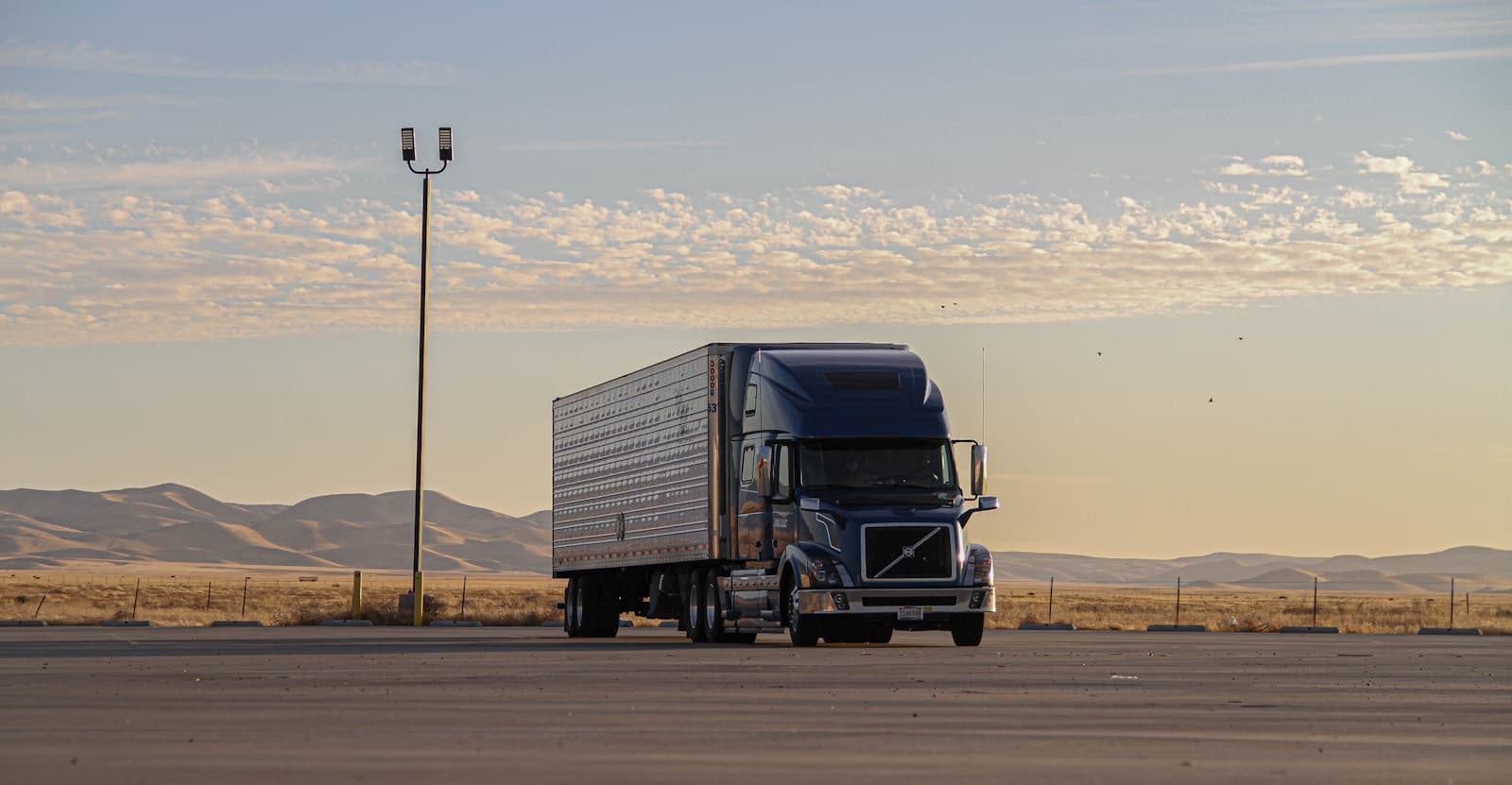
Arizona commercial drivers convicted of reckless driving face a two-track suspension that most don't understand until their CDL is revoked: personal driving privilege can be restored through a restricted license, but commercial privilege requires separate FMCSA clearance that no state hardship program addresses.
Why Your CDL Status and Personal Driving Privilege Are Treated Separately
Arizona processes commercial driver license holders through two separate suspension tracks after reckless driving convictions. Your personal driving privilege falls under state MVD authority and can be restored through a restricted license petition. Your commercial driving privilege falls under federal FMCSA jurisdiction and requires separate clearance that the MVD restricted license program does not address.
Most CDL holders assume that restoring personal driving privilege through a restricted license automatically restores commercial driving authority. It does not. The restricted license permits you to drive to work, medical appointments, and court-ordered programs in a personal vehicle. It does not permit you to operate a commercial motor vehicle, even if your employer is listed as an approved destination on the restriction order.
The failure mode appears 30-45 days after restricted license approval, when CDL holders attempt to return to commercial driving and discover their employer's insurance carrier will not cover them without FMCSA clearance. By that point, most have already paid the $100 MVD restricted license application fee, the $50 fingerprint processing fee, and the $500-$800 SR-22 annual premium increase. The restricted license solved the wrong problem.
What Arizona's Restricted License Actually Permits
Arizona Revised Statutes §28-144 authorizes MVD to issue a restricted driving permit to drivers whose licenses are suspended for specific violations, including reckless driving under A.R.S. §28-693. The restriction order specifies approved purposes, approved hours, and approved destinations. Typical approvals include travel to and from employment, medical treatment, court-ordered classes, and school for dependent children.
The restriction is destination-specific, not route-flexible. Your approved driving window includes specific street addresses: your employer's physical location, your medical provider's office, your DUI class facility if applicable. Driving to a different branch office of the same employer during approved hours still counts as driving outside restriction and triggers revocation.
Approved hours are calendar hours, not shift windows. If your restriction order permits Monday-Friday 6:00 AM to 6:00 PM driving, stopping for groceries at 5:45 PM on your way home from work is a violation even though you are still inside the approved time block. The restriction applies to purpose and destination together, not time alone.
Violation consequences are immediate and unforgiving. A single documented deviation from approved purposes, hours, or destinations triggers automatic revocation of the restricted license and often extends the underlying suspension period by 90-180 days. Most CDL holders do not realize weekend driving is prohibited entirely unless their employer submits documentation proving Saturday or Sunday work shifts.
Compare car insurance rates in your state
Get quotes from licensed carriers — no obligation, no spam, results in minutes.
Get Your Free Quote✓ No Obligation Required✓ Licensed Carriers Only✓ Available Nationwide✓ Free to Compare
How the FMCSA Disqualification Operates Independently
Federal Motor Carrier Safety Administration regulations disqualify commercial drivers from operating CMVs after specific convictions, regardless of state-level license status. Reckless driving falls into this category when the underlying facts involve a commercial vehicle or when the conviction occurs while holding a CDL.
The disqualification period varies by violation severity and prior record. First-offense reckless driving in a personal vehicle typically triggers a 60-day disqualification. Reckless driving in a CMV triggers 120 days. Reckless driving combined with other serious violations within a 3-year window triggers 1-year disqualification.
Arizona MVD does not adjudicate FMCSA disqualifications. The state processes your personal driving privilege through the restricted license program while your commercial privilege remains suspended under federal authority. Most CDL holders do not discover this separation until they present their approved restricted license to their employer and are told they cannot be scheduled for commercial routes.
FMCSA clearance requires completion of the full disqualification period, submission of a medical examiner's certificate, completion of any court-ordered programs, and payment of a $50 CDL reinstatement fee separate from the MVD restricted license fee. The restricted license does not count toward FMCSA compliance and does not shorten the commercial disqualification window.
The Cost Stack CDL Holders Actually Face
Arizona's restricted license application requires a $100 non-refundable filing fee, a $50 fingerprint processing fee, and proof of SR-22 filing before the petition is reviewed. If the underlying suspension was triggered by an at-fault accident or insurance lapse, MVD also requires payment of a $50 reinstatement fee before the restricted license becomes effective.
SR-22 insurance for CDL holders convicted of reckless driving typically costs $140-$210 per month more than standard liability coverage, depending on whether the violation occurred in a commercial or personal vehicle. Carriers classify commercial-vehicle reckless driving as a major violation equivalent to DUI for pricing purposes. Annual SR-22 filing cost over the required 3-year period is approximately $5,000-$7,500.
CDL holders who require continued commercial driving authority face additional costs not covered by the restricted license program: medical examiner recertification ($85-$125), employer-mandated driver training or safety course completion ($200-$400), and the $50 FMCSA reinstatement fee. Many employers also require a motor vehicle record abstract showing clearance before returning drivers to commercial routes, which costs $5 per copy from MVD.
Total first-year cost for CDL holders navigating both personal restricted license and commercial reinstatement typically runs $2,200-$3,400, not including lost wages during the period when personal driving is permitted but commercial driving remains federally prohibited.
Documenting Employer Need for the Restricted License Petition
Arizona MVD requires an employer affidavit on company letterhead documenting your work schedule, physical work address, and business need for you to drive. The affidavit must state that termination or significant economic hardship will result if driving privilege is not restored. Generic letters stating you are employed and need to drive are rejected during initial review.
The employer letter must include your hire date, job title, work schedule with specific days and hours, the street address where you report to work, and a statement explaining why alternative transportation is not feasible. If your job requires travel to multiple sites, each destination address must be listed separately with frequency and purpose.
CDL holders face a documentation conflict most do not anticipate: the employer letter must document need to drive to work, but cannot reference need to drive commercially during work without triggering immediate denial. MVD will not approve a restricted license for the purpose of operating a CMV because that purpose falls outside state authority.
Most CDL holders resolve this by documenting commute-to-work need only, obtaining the restricted license for personal driving, then separately pursuing FMCSA clearance for commercial authority. This creates a 60-180 day income gap during which you can drive to a job site but cannot perform commercial driving duties once there.
SR-22 Filing and Carrier Availability
Arizona requires SR-22 filing for all restricted license holders, regardless of whether the underlying suspension was triggered by an insurance-related violation. The SR-22 certificate of financial responsibility must remain on file continuously throughout the restriction period and for 3 years from the date of the reckless driving conviction.
Not all carriers write SR-22 policies for CDL holders with recent reckless driving convictions. Standard-market carriers such as State Farm, Allstate, and Farmers typically decline or non-renew when a CDL holder is convicted of reckless driving in a commercial vehicle. Non-standard carriers such as Dairyland, Bristol West, and The General specialize in post-conviction SR-22 filing but charge monthly premiums 180-250% higher than standard liability rates.
CDL holders who do not own a vehicle can meet the SR-22 requirement through a non-owner SR-22 policy. This covers liability when driving vehicles you do not own, including employer-owned vehicles for commuting purposes. Non-owner SR-22 policies cost $50-$85 per month for clean-record drivers but rise to $110-$175 per month for CDL holders with reckless driving convictions.
SR-22 lapse during the filing period triggers automatic re-suspension of both the restricted license and the underlying driving privilege. Most lapses occur when drivers switch carriers mid-policy and the old carrier files an SR-26 cancellation notice before the new carrier files the replacement SR-22. The gap between cancellation and new filing, even if only 24 hours, counts as lapse and restarts the 3-year filing clock.
What Happens If You Drive Commercially on a Restricted License
Operating a commercial motor vehicle while holding only a restricted personal driving privilege is treated as driving without a valid CDL under both Arizona and federal law. Penalties include immediate vehicle impoundment, citation for operating without proper endorsement, revocation of the restricted license, extension of the underlying suspension by 1 year, and criminal charges if the violation occurs during a DOT inspection.
Most CDL holders caught driving commercially on a restricted license are discovered during roadside inspections, not traffic stops. DOT officers check both your physical license status and your FMCSA clearance status through the Commercial Driver's License Information System. The restricted license shows as valid for personal driving but disqualified for commercial operation, which triggers an out-of-service order and vehicle impoundment.
Employers face liability exposure and FMCSA penalties for knowingly permitting a disqualified driver to operate a CMV. Many employers terminate immediately upon discovering a driver operated commercially while disqualified, even if the restricted license was approved by MVD for personal use. Insurance carriers routinely deny coverage for accidents that occur while a disqualified driver is operating commercially, leaving the driver personally liable for damages.
The restricted license is not a partial CDL. It is a limited personal driving privilege with no commercial authority. Treating it as authorization to drive commercially is the most common failure mode CDL holders encounter and the one that produces the longest-term employment consequences.