Nevada hardship hearings run $750–$2,500 in flat-fee attorney representation depending on case complexity and whether you're facing a first DUI suspension or a repeat offense with IID requirements.
What Flat-Fee Representation Actually Costs for Nevada Hardship Hearings
Flat-fee attorney representation for a Nevada restricted license hearing typically runs $750–$1,500 for a first-offense DUI hardship case with clean employment documentation, no prior suspensions, and straightforward eligibility. That fee covers petition preparation, employer verification letter review, hearing representation, and one DMV submission cycle.
Complex cases push fees to $1,800–$2,500. Complexity markers include repeat DUI offenses, commercial driver's license reinstatement attempts, suspended license cases with multiple underlying violations, or cases requiring IID calibration documentation and compliance verification. Attorneys charge more because Nevada DMV hearing officers score these cases under a 12-point evaluation system where documentation gaps kill petitions outright.
The fee does not cover DMV reinstatement costs ($35 restricted license application fee plus $75 civil penalty for DUI cases), SR-22 filing fees (typically $25–$50 carrier processing), or ignition interlock device installation and monthly monitoring ($75–$150/month depending on vendor). Budget $2,200–$4,000 total first-year cost for a first-offense DUI restricted license including attorney fees, DMV costs, SR-22 premium increases, and IID expenses.
How Nevada's 12-Point Hearing Officer Evaluation System Determines Your Case Cost
Nevada DMV hearing officers evaluate hardship petitions using a structured 12-point scoring rubric across four categories: employment necessity (0–3 points), public safety risk (0–3 points), hardship severity (0–3 points), and compliance history (0–3 points). Cases scoring 8+ points typically receive approval. Cases scoring 5–7 receive conditional approval with additional restrictions. Cases below 5 are denied.
Attorneys familiar with this system structure your petition to maximize scorable documentation. Employment necessity requires an employer verification letter on company letterhead stating job title, work address, required work hours, and written confirmation that alternative transportation is unavailable or would result in job loss. Generic letters stating "transportation needed for work" score zero points. Specific letters documenting shift hours incompatible with public transit schedules or rural work locations without rideshare access score 2–3 points.
Public safety scoring weighs violation history, IID compliance records if applicable, and DUI program completion status. First-offense DUI cases with completed victim impact panels and alcohol evaluation score higher than repeat offenses or cases with pending program requirements. This is why attorneys charge more for repeat-offense cases — documentation requirements triple and approval rates drop from approximately 75% for first offenses to under 40% for third offenses.
Flat-fee agreements should specify exactly what documentation the attorney prepares. Minimum expectation: completed hardship petition form, employer verification letter review with revision requests if needed, route map showing approved travel between home and work, and hearing representation. Better agreements include pre-hearing DMV record review to identify scoring obstacles, IID vendor coordination if applicable, and one petition revision cycle if the initial submission receives a deficiency notice.
Compare car insurance rates in your state
Get quotes from licensed carriers — no obligation, no spam, results in minutes.
Get Your Free Quote✓ No Obligation Required✓ Licensed Carriers Only✓ Available Nationwide✓ Free to Compare
When You Need an Attorney vs When You Can File Pro Se
First-offense DUI cases with clean 5-year driving records prior to the DUI, stable W-2 employment with daytime hours, and no prior hardship petition denials can often succeed pro se if you're willing to spend 6–8 hours researching the petition format and gathering documentation. Nevada DMV publishes the hardship petition form and instructions at dmv.nv.gov, and the 12-point scoring criteria appear in Nevada Administrative Code 483.490.
Hire an attorney if any of these apply: second or subsequent DUI offense, commercial driver's license reinstatement attempt, prior hardship petition denial within 24 months, suspension for multiple violations rather than a single DUI, self-employment or 1099 contract work (employment verification is harder to document convincingly), work hours overlapping school pickup requirements (multi-purpose petitions score lower), or IID requirement with compliance violations on record. These cases require documentation strategies that DMV instructions don't explain.
The cost difference matters. Pro se filing costs $35 restricted license application fee plus your time. Attorney representation adds $750–$2,500 but increases approval probability from approximately 50% for pro se first-offense cases to 75–80% for attorney-represented cases, based on Clark County DMV hearing outcome data. A denied petition means waiting 30–90 days to refile depending on denial reason, which extends your full suspension period and increases your SR-22 insurance costs due to longer lapse exposure.
What the Flat Fee Covers and What It Doesn't
Standard flat-fee representation includes petition preparation, one employer verification letter review with revision guidance, hearing representation before the DMV hearing officer, and one post-hearing submission if the officer requests additional documentation during the hearing. The fee covers the attorney's time, not third-party costs.
You pay separately for DMV reinstatement fees, SR-22 filing and insurance premium increases, ignition interlock device installation and monitoring, certified copies of court documents if your DUI case is still pending or recently closed, and alcohol evaluation or DUI program completion certificates if not already obtained. Some attorneys bundle the $35 restricted license application fee into their flat rate; others bill it separately as a filing cost. Confirm this before signing a representation agreement.
Flat fees do not cover petition revisions after denial unless the denial resulted from attorney error. If you're denied because your employer letter was too vague or your route map didn't match your stated work location, most attorneys charge $300–$600 to refile with corrected documentation. If you're denied because you haven't completed your court-ordered DUI program yet, that's an eligibility issue — the attorney can't fix it with better paperwork, and you'll need to complete the requirement and refile later.
Some attorneys offer tiered pricing: $750–$900 for petition preparation and submission only, no hearing representation, which works if your case is straightforward and you're comfortable answering hearing officer questions yourself. Full-service representation at $1,200–$1,500 includes hearing attendance. This matters because Nevada DMV schedules hardship hearings during business hours at the Carson City or Las Vegas DMV offices, requiring time off work. Attorneys attend for you, present the petition, and answer scoring questions you might not anticipate.
How Long the Process Takes With vs Without Attorney Representation
Attorney-represented cases typically move faster because documentation is submitted correctly the first time. Expect 3–4 weeks from signed representation agreement to scheduled hearing date, then 5–10 business days for the hearing officer's written decision. If approved, your restricted license issues within 48 hours of decision receipt at the DMV branch that processes your application.
Pro se cases average 5–7 weeks start to finish, with higher deficiency notice rates that add 2–3 weeks per revision cycle. Common deficiency triggers include incomplete employer verification letters, route maps that don't specify exact addresses, or missing IID compliance documentation for cases requiring interlock. Each deficiency notice resets the hearing scheduling clock.
Nevada allows restricted license petitions immediately after suspension start for DUI cases, but you must complete your alcohol evaluation and victim impact panel first. If your DUI case is still pending in court, you can petition for hardship relief, but hearing officers score pending cases lower on the compliance category because you haven't completed sentencing requirements yet. Attorneys often recommend waiting until sentencing is complete and initial DUI program steps are done, which improves approval odds from approximately 55% to 75% for first offenses.
The restricted license runs for the full suspension period once approved. First-offense DUI suspensions in Nevada last 185 days, meaning your restricted privilege covers those 185 days if approved. You'll need continuous SR-22 coverage and IID compliance for the full period — any lapse or IID violation revokes the restricted license immediately and often extends your underlying suspension by the lapse duration.
What Questions to Ask Before Hiring a Hardship Hearing Attorney
Ask how many Nevada DMV hardship hearings they've handled in the past 12 months and what their approval rate is for cases similar to yours. Attorneys handling 20+ hearings annually know the current hearing officers and their documentation preferences. Approval rates below 65% for first-offense cases suggest the attorney isn't structuring petitions to the scoring rubric.
Confirm whether the flat fee includes hearing attendance or just petition preparation. Some attorneys charge $750 for paperwork but add $400–$600 if you want them at the hearing. Clarify what happens if you're denied — do you pay the full flat fee again to refile, or is one revision attempt included? Get this in writing.
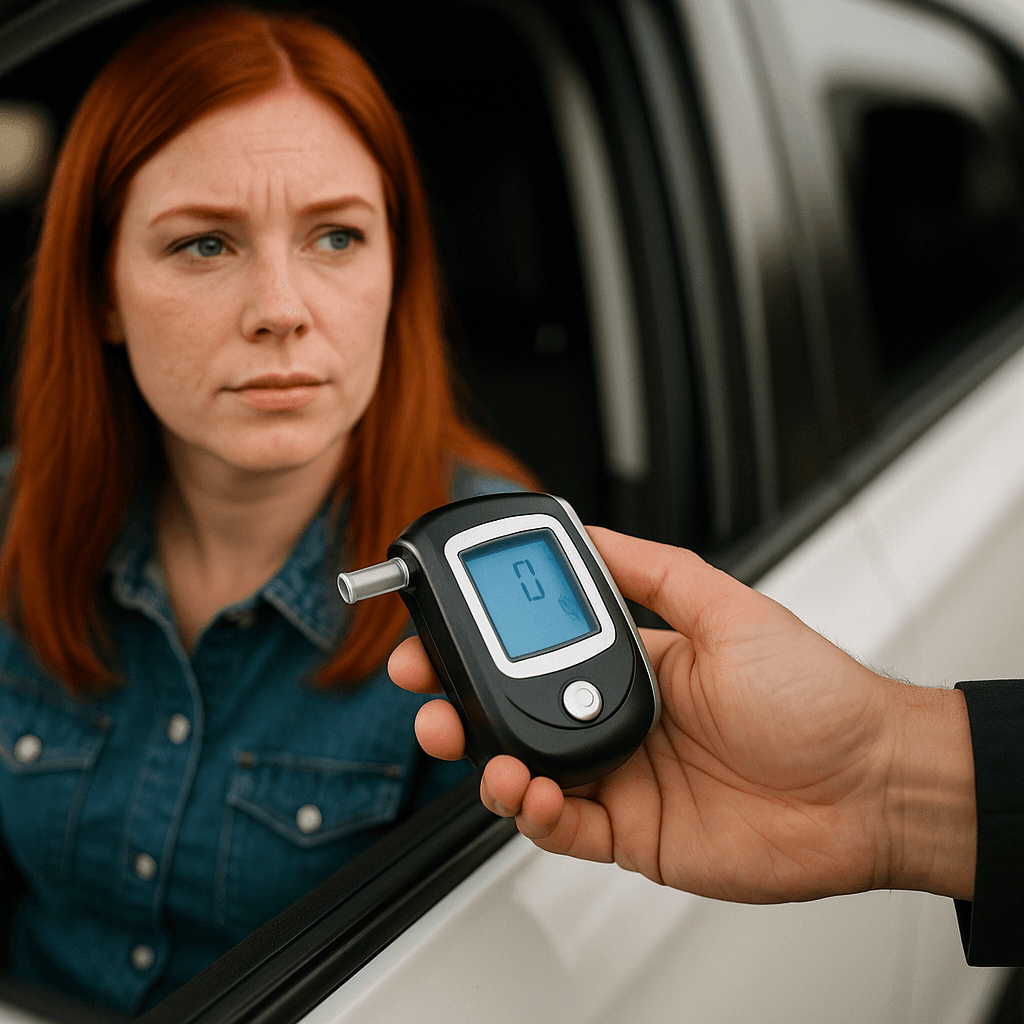
Ask whether they coordinate directly with your IID vendor if your case requires interlock. Hearing officers often request calibration logs and compliance certificates during the hearing. Attorneys who work regularly with Intoxalock, Smart Start, or LifeSafer can pull these records faster than you can, which prevents continuance delays. If the attorney has never worked with IID cases, that's a warning sign for second-offense DUI hardship petitions where interlock is mandatory.