Nevada offers work-only restricted licenses post-suspension — but only if you meet exact eligibility windows, pay all reinstatement fees upfront, and file SR-22 before your DMV hearing.
Nevada Requires Full Reinstatement Payment Before Hardship License Application
You cannot apply for a Nevada restricted license until you pay every reinstatement fee, complete every court-ordered program, and satisfy every administrative hold on your driving record. The Nevada DMV does not process hardship petitions while outstanding balances remain.
Most states allow you to petition for restricted privileges before paying full reinstatement. Nevada reverses that order. If your suspension lists a $500 civil penalty, SR-22 filing requirement, and DUI program completion, all three must clear the DMV system before you submit your hardship application. Calling the DMV for a full balance statement before starting the process saves weeks of rejected applications.
This front-loaded cost structure hits harder for drivers suspended under insurance lapse or child support delinquency. A typical first-offense DUI suspension in Nevada carries $450-$750 in reinstatement fees plus SR-22 filing costs before you even apply for restricted privileges. Budget for $1,200-$2,000 total between reinstatement, SR-22 premium increase, and hardship application fees.
When Nevada Grants Restricted Licenses and When It Does Not
Nevada issues restricted licenses only for employment, medical appointments, and court-ordered obligations. The state does not grant hardship licenses for childcare, school commutes, or family caregiving unless those activities are legally mandated by a court order.
You qualify for a restricted license if your suspension stems from DUI first offense, accumulation of demerit points, failure to maintain insurance, or certain drug-related offenses. You do not qualify if your suspension results from refusal to submit to chemical testing, vehicular manslaughter, felony DUI, or habitual traffic offender status. Nevada Revised Statutes 483.490 excludes these categories entirely from hardship relief.
The DMV evaluates your petition at a mandatory hardship hearing. You must bring employer verification on company letterhead stating your work schedule, commute route, and job-loss consequences if restricted privileges are denied. Generic letters stating "this employee needs transportation" get rejected. The letter must specify hours worked, worksite address, and manager contact information.
Compare car insurance rates in your state
Get quotes from licensed carriers — no obligation, no spam, results in minutes.
Get Your Free Quote✓ No Obligation Required✓ Licensed Carriers Only✓ Available Nationwide✓ Free to Compare
SR-22 Filing Happens Before Your Hardship Hearing, Not After
Nevada requires proof of SR-22 filing at the time of your hardship hearing. If you appear without an active SR-22 certificate on file with the DMV, your petition gets continued to a later date — adding 4-6 weeks to your timeline.
Your SR-22 must be filed by a Nevada-licensed carrier before the hearing. Out-of-state SR-22 certificates do not satisfy Nevada's requirements, even if you hold a valid policy in another state. Contact a non-standard carrier — Bristol West, Dairyland, GAINSCO, or The General — and request same-day SR-22 electronic filing to the Nevada DMV. Most carriers charge $15-$35 for the filing itself, separate from the premium increase.
Nevada requires SR-22 filing for three years from the date your full license is reinstated, not from the date of conviction or suspension. If you maintain a restricted license for six months before reinstatement, your SR-22 clock does not start until full privileges return. Letting your SR-22 lapse even one day during that three-year period triggers immediate re-suspension and resets the filing requirement to day zero.
Approved Routes and Hours Are Narrow and Enforced
Your Nevada restricted license authorizes driving only during hours and routes specified in the DMV order. Driving outside those parameters — even by five minutes or two blocks — constitutes driving on a suspended license, a misdemeanor carrying up to six months in jail and immediate revocation of hardship privileges.
The DMV typically grants 12-16 hours per week for employment travel, calculated as direct home-to-work routes during your documented shift times. If you work Tuesday through Saturday, 6:00 AM to 3:00 PM, your order authorizes travel only during those hours on those days. Stopping for groceries, picking up a family member, or detouring to a gas station violates the order.
You must carry your hardship order, employer verification letter, and SR-22 proof whenever driving. Nevada law enforcement runs suspended license checks on every traffic stop. If you cannot produce all three documents immediately, the stop converts to a suspended license arrest regardless of the underlying reason for the stop.
Ignition Interlock Requirement Adds $75-$150 Monthly During Restricted Period
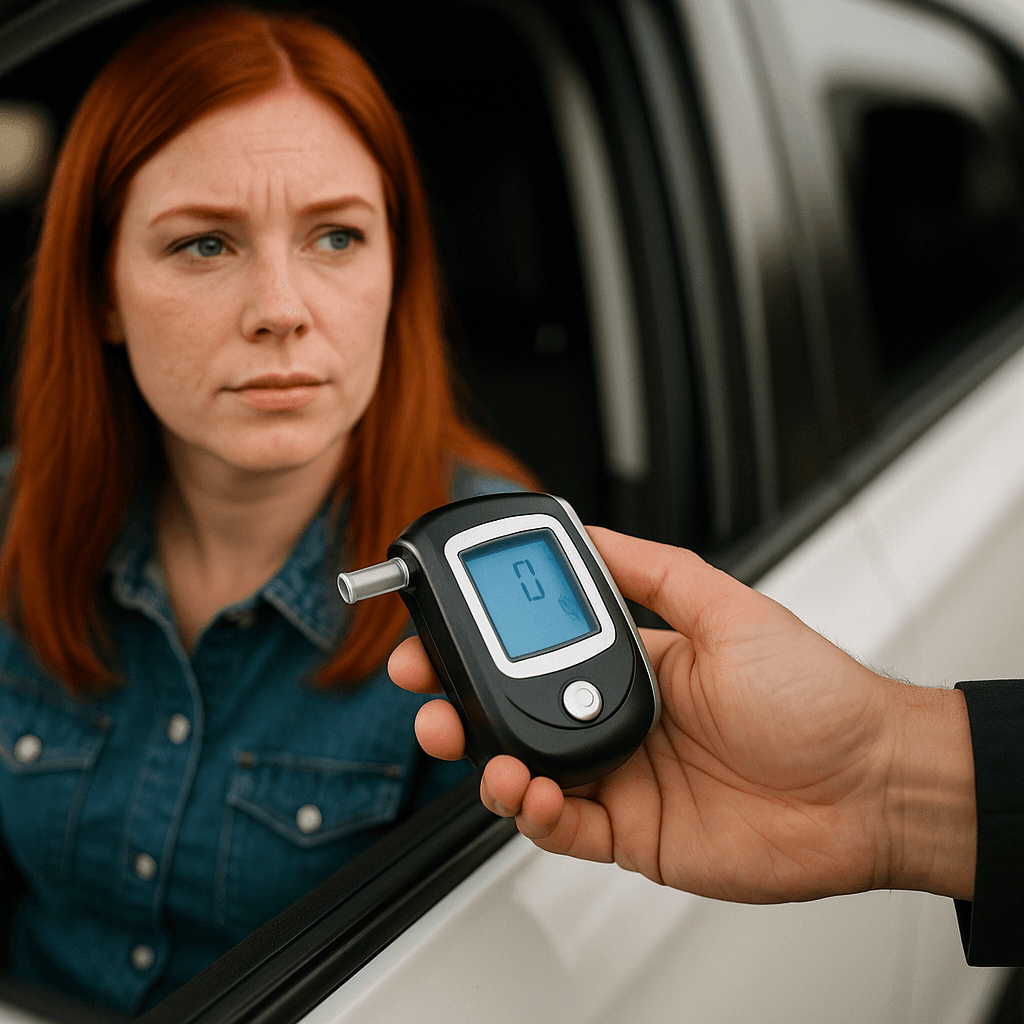
First-offense DUI suspensions in Nevada require ignition interlock device installation for the entire restricted license period. You cannot obtain restricted privileges without proof of IID installation from a state-certified provider.
IID costs run $75-$100 per month for device lease, plus $75-$100 for initial calibration and installation. Monthly calibration appointments cost $60-$75 each. Nevada requires calibration every 30 days without exception — missing a calibration appointment triggers a violation report to the DMV and immediate revocation of your restricted license. Budget $150-$200 monthly for total IID costs during your hardship period.
Your SR-22 carrier must be notified of the IID requirement. Some non-standard carriers charge an additional endorsement fee for IID-restricted policies. State Farm and GEICO rarely write new policies for drivers under IID restriction, which narrows your carrier options to specialty high-risk insurers.
How Long the Nevada Hardship Process Actually Takes
From reinstatement payment to restricted license issuance, expect 6-8 weeks if you submit every document correctly the first time. The DMV schedules hardship hearings 3-4 weeks out from the date you request one, and processing the order after approval takes another 10-14 days.
You can shorten the timeline by clearing reinstatement fees and filing SR-22 before you call the DMV to schedule your hearing. Most drivers lose two weeks waiting for SR-22 certificates to process after their hearing gets scheduled. Filing SR-22 first and bringing the certificate number to your hearing cuts that delay entirely.
If your petition gets denied, you must wait 30 days before reapplying. Common denial reasons include incomplete employer documentation, missing SR-22 proof, outstanding reinstatement balances the DMV database has not yet cleared, or suspension types excluded under NRS 483.490. Hiring a Nevada traffic attorney for the hearing costs $400-$800 but increases approval odds significantly for borderline cases.
What Happens If You Drive on a Suspended License Instead
Driving on a suspended license in Nevada is a misdemeanor. First offense carries up to six months in jail, $1,000 in fines, and extension of your underlying suspension by an additional 6-12 months. Your vehicle can be impounded for 30 days, adding $600-$1,200 in towing and storage fees.
If the underlying suspension stems from DUI, driving on a suspended license converts to a gross misdemeanor with mandatory minimum jail time. Nevada judges rarely waive jail for DUI-related suspended license violations, even on first offense.
Employers terminate drivers caught operating on suspended licenses during work hours. Your restricted license petition becomes substantially harder to win after a suspended license arrest because the DMV interprets it as evidence you will not comply with hardship restrictions. Wait for legal privileges rather than risking a second suspension that closes the hardship path entirely.