Nevada requires a 45-day waiting period after DUI conviction before you can apply for a restricted license. SR-22 filing and ignition interlock installation are mandatory during the entire restriction period.
What Is Nevada's Restricted License for DUI Convictions?
Nevada calls it a restricted license. You can drive to work, medical appointments, DUI program classes, and court-ordered obligations only — no personal errands, no social trips, no detours. The Nevada DMV grants restricted driving privileges 45 days after your first-offense DUI conviction if you meet four conditions: proof of DUI program enrollment, SR-22 filing from a licensed Nevada carrier, ignition interlock device installation, and payment of a $150 restricted license fee plus any outstanding reinstatement fees.
The restriction period lasts 185 days for a first offense, running from the date the DMV issues the restricted license, not from your conviction or suspension start date. During those 185 days, your vehicle must have an IID installed, your SR-22 must remain active without lapse, and you must attend all DUI program sessions. Miss one session or let your SR-22 lapse for even one day, and the DMV revokes your restricted license immediately.
Second-offense DUI convictions carry a one-year mandatory license revocation with no restricted license eligibility during the first 12 months. Third and subsequent offenses result in three-year revocations with no hardship provision. Nevada does not offer restricted licenses for commercial driver's licenses — CDL holders convicted of DUI lose commercial driving privileges entirely for one year minimum.
How Long Is the Waiting Period Before You Can Apply?
Nevada requires a 45-day waiting period after your DUI conviction before you can apply for a restricted license. The clock starts on your conviction date, not your arrest date or license suspension date. If you were arrested in January but convicted in March, the 45-day countdown begins in March.
The waiting period runs concurrently with your license suspension, but you cannot drive during those 45 days under any circumstances. The restricted license becomes available on day 46 — but only if you have already enrolled in a state-approved DUI program and secured SR-22 filing. Most drivers lose weeks or months because they wait until after the 45-day period to start enrolling in DUI classes or shopping for SR-22 coverage.
If your conviction included jail time, the 45-day waiting period still applies, but you cannot apply for the restricted license until you are released and can physically attend DUI program sessions. The DMV will not process a restricted license application from someone unable to fulfill the program attendance requirement.
Compare car insurance rates in your state
Get quotes from licensed carriers — no obligation, no spam, results in minutes.
Get Your Free Quote✓ No Obligation Required✓ Licensed Carriers Only✓ Available Nationwide✓ Free to Compare
What Does SR-22 Filing Cost in Nevada After a DUI?
SR-22 is not insurance — it is a certificate your carrier files with the Nevada DMV proving you carry liability coverage at state-required minimums: $25,000 per person bodily injury, $50,000 per accident bodily injury, and $20,000 property damage. The SR-22 filing itself costs $15 to $50 depending on the carrier. Your DUI-related insurance premium is the larger cost.
Post-DUI drivers in Nevada pay between $180 and $320 per month for SR-22-compliant liability coverage, compared to $85 to $140 per month for clean-record drivers. Most standard carriers cancel policies after a DUI conviction, forcing you into the non-standard market where Bristol West, Direct Auto, Dairyland, GAINSCO, The General, Safe Auto, Acceptance, and Kemper write high-risk policies. Rates vary by age, vehicle, ZIP code, and prior insurance history, but expect your premium to double or triple.
Nevada requires SR-22 filing for three years from your conviction date. If your SR-22 lapses at any point during those three years — because you missed a payment, switched carriers without maintaining continuous filing, or cancelled your policy — the DMV suspends your license again and restarts the three-year filing clock from zero. Your carrier is legally required to notify the DMV within 24 hours of any lapse or cancellation.
Does Nevada Require an Ignition Interlock Device for Restricted Licenses?
Yes. Nevada requires ignition interlock installation on any vehicle you operate under a restricted license, even for a first-offense DUI. The device must remain installed for the entire 185-day restriction period. You pay for installation, monthly monitoring, and calibration — total cost typically runs $900 to $1,400 for the full six-month period.
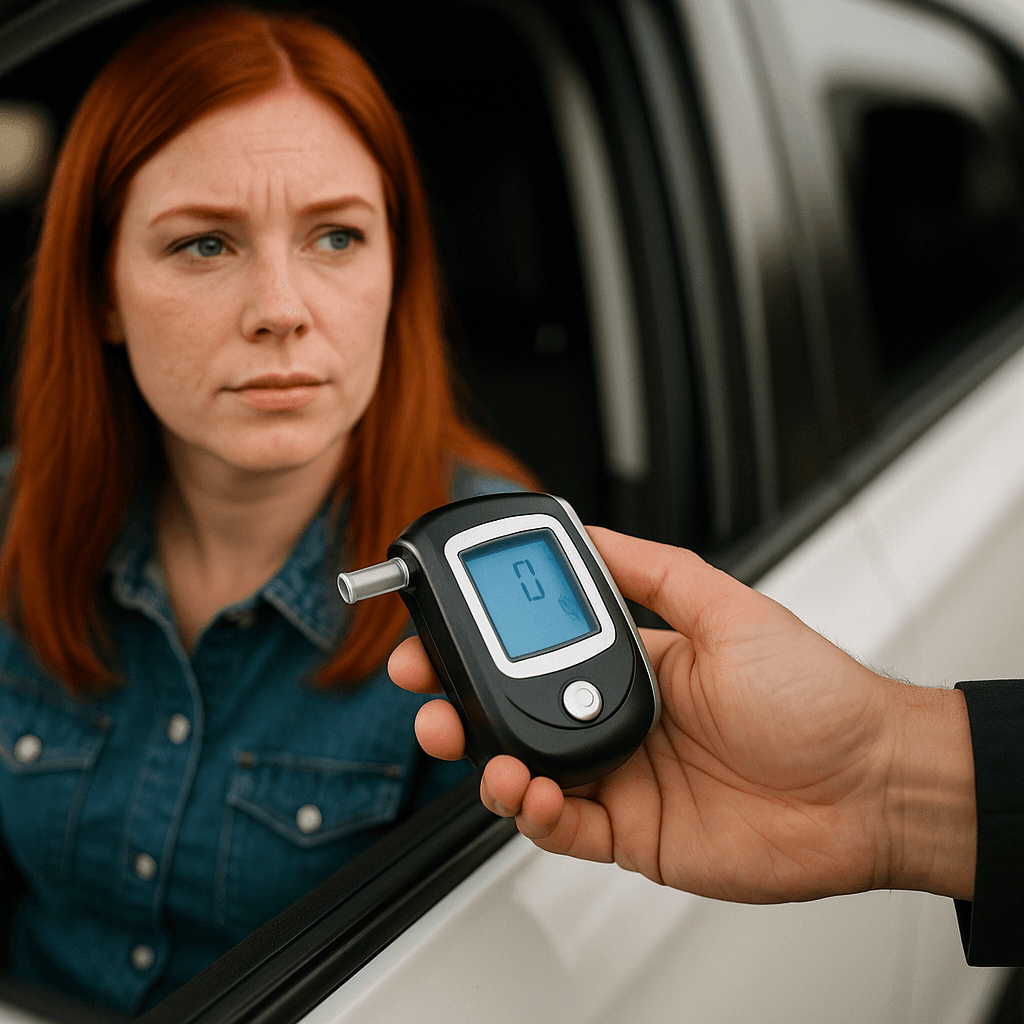
The IID requires you to provide a breath sample before starting your vehicle and at random intervals while driving. Any failed test, missed rolling retest, or evidence of tampering triggers a violation report to the DMV, which can revoke your restricted license immediately and extend your underlying suspension. The court orders IID installation as part of your sentencing, but you are responsible for scheduling installation with a state-certified provider and bringing proof of installation to the DMV before your restricted license is issued.
If you do not own a vehicle, Nevada does not waive the IID requirement. You must either install the device on a vehicle registered in your name, have the registered owner of a vehicle you drive regularly consent to installation, or forego the restricted license entirely. Non-owner SR-22 insurance alone does not satisfy the restricted license requirements — you must have a physical vehicle equipped with an IID to qualify.
What Is the Total Cost to Get a Nevada Restricted License After DUI?
The total upfront cost to obtain a Nevada restricted license after a DUI conviction runs between $1,800 and $3,200 depending on your situation. The DMV charges a $150 restricted license fee. If your license was suspended, you also pay a $150 reinstatement fee. SR-22 filing adds $15 to $50. Ignition interlock installation costs $150 to $300, with monthly monitoring fees of $75 to $100 for six months. DUI program enrollment fees range from $150 to $400 depending on the provider.
Your insurance premium is the largest ongoing cost. At $180 to $320 per month for SR-22 coverage, you will pay $1,080 to $1,920 over the six-month restriction period. Add IID monitoring costs of $450 to $600, and your total out-of-pocket during the restriction period approaches $2,000 to $3,000 beyond the initial application fees.
If you hire an attorney to represent you during the DUI case or DMV hearing, legal fees add $1,500 to $5,000 to the total. Court fines and fees from the DUI conviction itself — separate from the restricted license process — typically range from $600 to $1,200 for a first offense. Budget for $4,000 to $6,000 total if you include legal representation and court costs.
What Happens If You Violate Your Restricted License Terms in Nevada?
Nevada revokes your restricted license immediately if you drive outside approved purposes, fail an IID test, let your SR-22 lapse, or miss DUI program sessions. The DMV does not issue warnings or grace periods. Once revoked, you lose restricted driving privileges for the remainder of your suspension period and must wait until your full suspension term expires before you can apply for license reinstatement.
A traffic stop while driving outside approved hours or routes counts as driving on a suspended license, a misdemeanor in Nevada carrying up to six months in jail and $1,000 in fines. If you are caught driving after your restricted license has been revoked, the charge escalates and your underlying suspension period may be extended by an additional six months to one year.
SR-22 lapses are reported to the DMV within 24 hours by your carrier. The DMV suspends your restricted license the same day and sends a notice to your last known address. You cannot retroactively cure the lapse — you must apply for reinstatement, pay a new $150 fee, refile SR-22 with proof of continuous coverage, and restart the three-year SR-22 filing clock from the date of the lapse.
Which Carriers Write SR-22 Policies for Nevada DUI Drivers?
Most standard carriers — State Farm, Allstate, Progressive preferred divisions — will not renew your policy after a DUI conviction. You will need coverage from a non-standard carrier that specializes in high-risk drivers. Bristol West, Direct Auto, Dairyland, GAINSCO, The General, Safe Auto, Acceptance, and Kemper all write SR-22 policies in Nevada and are licensed to file electronically with the Nevada DMV.
Rates vary significantly by carrier, ZIP code, age, and vehicle type. A 28-year-old driver in Las Vegas with a 2015 sedan might pay $210 per month with one carrier and $290 per month with another for identical coverage. Most non-standard carriers require six months of premiums paid in full or a 25% down payment, making upfront cost a barrier for some drivers.
You must maintain continuous SR-22 coverage for three years. Switching carriers is allowed, but you must ensure the new carrier files SR-22 with the DMV before your old policy cancels. Even a single day without active SR-22 filing triggers a suspension and restarts your three-year clock. Work with your new carrier at least two weeks before your policy renewal date to avoid gaps.