Your commercial license is suspended, your employer needs proof of restricted driving privilege, but DMV and the court require different documentation from different sources. Most CDL holders don't realize the court affidavit process runs parallel to DMV reinstatement—missing either blocks your path back to work.
Why California CDL Holders Face a Split Documentation Path After Insurance Lapse
California's restricted license program for commercial drivers splits the documentation burden between two agencies that don't coordinate with each other. The DMV requires proof you've resolved the insurance lapse that triggered suspension—an SR-22 filing from a licensed California carrier. The court requires proof your employer needs you to drive and has verified your work schedule through a signed affidavit. Most CDL holders assume DMV handles everything and file both sets of documents there, only to discover weeks later that the court never received the employer verification.
The insurance lapse suspension itself goes through DMV as an administrative action. California Vehicle Code 16020 requires continuous liability coverage on all registered vehicles. When your policy lapses and the carrier notifies DMV, your license suspends automatically after a 10-day notice period. CDL holders face the same suspension timeline as Class C drivers, but the reinstatement process diverges sharply because commercial driving privileges fall under stricter federal and state oversight.
The restricted license application requires a court hearing in most California counties when a CDL is involved. You file the petition with the superior court in the county where you live, not with DMV. The court evaluates whether your employment genuinely requires driving and whether granting restricted privileges serves public safety. DMV's role is limited to verifying you've cleared the insurance lapse by filing SR-22 and paid the $55 reissue fee. The two processes run in parallel. Completing one without the other leaves you suspended.
What the Court Requires: Employer Affidavits and Proof of Need
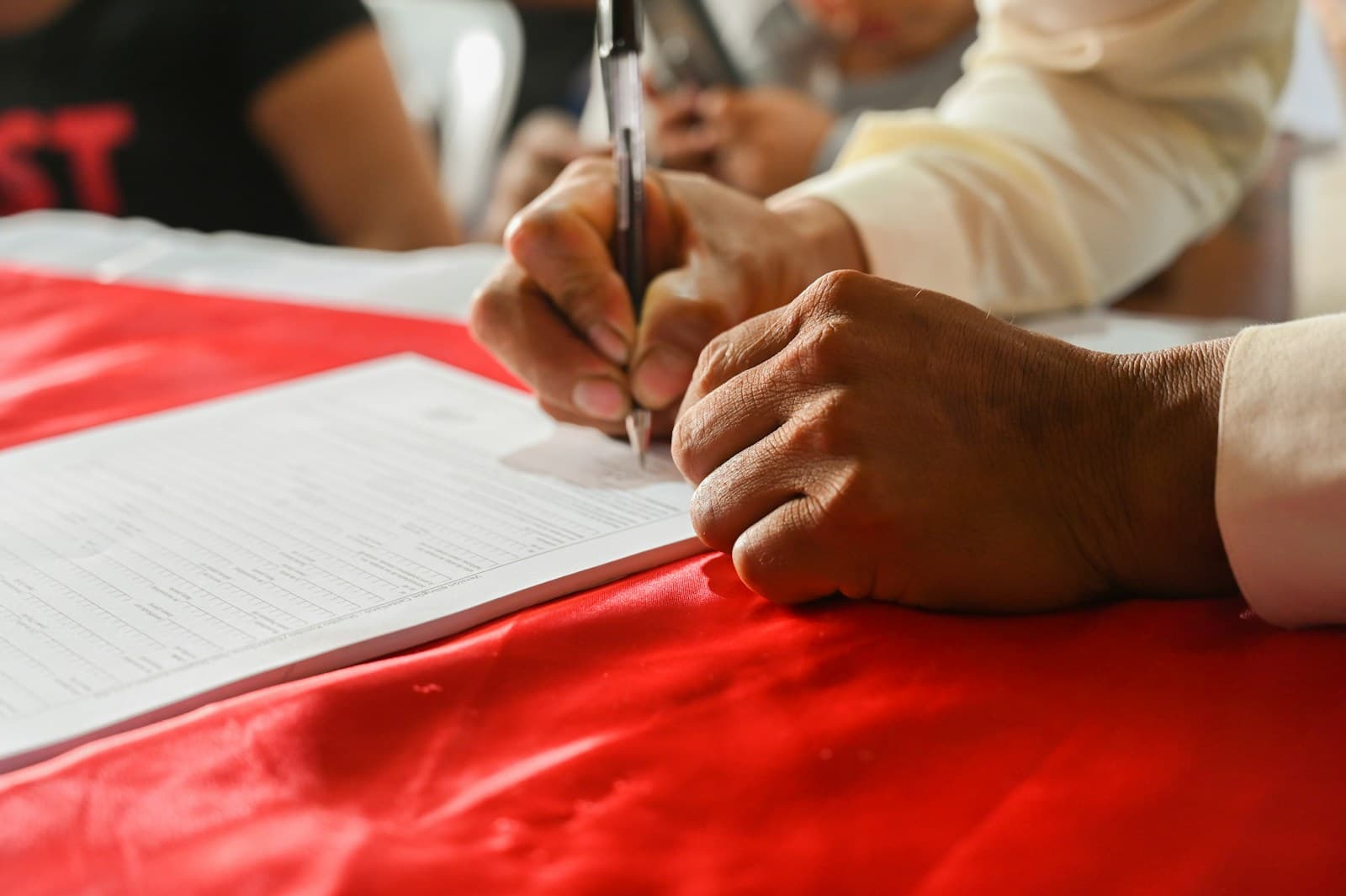
The court petition for a restricted license hinges on employer documentation that proves driving is essential to your job and that your employer is aware of the restriction terms. California courts require a signed affidavit from your employer on company letterhead. The affidavit must state your job title, your work schedule including specific days and hours, the driving tasks required for your role, and confirmation that your employer understands the restricted license limits you to work-related driving only during approved hours.
Most courts also require proof of employment beyond the affidavit: recent pay stubs, an offer letter if you're newly hired, or a W-2 from the previous tax year if you've been with the employer long term. If you're an owner-operator or independent contractor, you'll need business registration documents, a copy of your operating authority, and client contracts that show regular driving obligations. Courts scrutinize self-employment claims more heavily because the risk of personal-use driving under the guise of work is higher.
The affidavit format matters. Some California counties provide a specific form through the court clerk's office. Others accept any employer letter as long as it contains the required elements. Call the superior court clerk in your county before drafting the affidavit to confirm format requirements. Submitting a non-conforming affidavit delays your hearing by 2-4 weeks while you obtain a corrected version. Sacramento, Los Angeles, and San Diego counties each use slightly different templates, and the court will not process a petition missing required signature blocks or notarization.
Compare car insurance rates in your state
Get quotes from licensed carriers — no obligation, no spam, results in minutes.
Get Your Free Quote✓ No Obligation Required✓ Licensed Carriers Only✓ Available Nationwide✓ Free to Compare
What DMV Requires: SR-22 Filing and Insurance Lapse Clearance
DMV's side of the process focuses entirely on clearing the insurance lapse that triggered suspension. You must file an SR-22 certificate of financial responsibility with DMV and maintain it for three years from the date DMV receives the filing. The SR-22 proves you carry at least California's minimum liability limits: $15,000 bodily injury per person, $30,000 bodily injury per accident, $5,000 property damage. Most CDL holders need higher limits to meet employer or FMCSA requirements, but DMV's reinstatement threshold is the state minimum.
The SR-22 must come from a California-licensed insurer. If you don't own a vehicle, you'll need a named operator (non-owner) SR-22 policy. Non-owner SR-22 insurance covers you when driving employer-owned vehicles or rented equipment. Most CDL holders who lost coverage due to lapse fall into this category because their personal vehicle isn't the one they drive for work. Expect monthly premiums between $90 and $180 for non-owner SR-22 coverage with a lapse-triggered filing requirement.
Once your insurer files the SR-22 electronically with DMV, you pay the $55 license reissue fee online or at a field office. DMV will not issue any driving privilege—restricted or full—until both the SR-22 filing and the fee payment are in their system. Processing takes 3-5 business days after payment. You can verify clearance by checking your driver record online through DMV's public portal. The clearance does not automatically grant you a restricted license. It clears the suspension, which is a prerequisite for the court to consider your restricted license petition.
How Court Orders and DMV Restrictions Interact for CDL Holders
If the court grants your restricted license petition, the order specifies approved driving purposes, approved hours, and sometimes approved routes. California courts typically limit commercial drivers to work-related driving only: operating the commercial vehicle during scheduled work shifts, driving to and from the employer's terminal or job sites, and traveling for vehicle inspections or maintenance directly related to the job. Personal errands, even during approved hours, violate the restriction. Medical appointments and childcare are not automatically included unless you petition for them specifically.
The court order does not replace your physical driver's license. DMV issues a restricted license card that notes the restriction code and refers to the court order on file. You must carry both the restricted license card and a copy of the court order whenever you drive. Law enforcement and DOT inspectors will ask for both documents during traffic stops or roadside inspections. If you can't produce the court order on demand, the officer may cite you for driving on a suspended license even though your restricted privilege is valid.
CDL downgrade is common during restricted license periods. If your suspension was longer than 60 days or involved certain serious violations, DMV may downgrade your CDL to a Class C license and require you to retest when the restriction ends. The restricted privilege itself applies only to the downgraded Class C license during the restriction period. You can't operate commercial vehicles requiring a CDL while under restriction unless the court order and DMV both explicitly authorize it, which is rare for insurance lapse cases. Most CDL holders work in non-CDL-required roles or for employers willing to assign them to lighter vehicles during the restriction period.
Timeline and Cost Breakdown for the Full Process
The entire process from suspension notice to restricted license issuance takes 6-10 weeks in most California counties if you file correctly the first time. Week one: obtain SR-22 insurance and file with DMV. Week two: pay the $55 reissue fee and wait for DMV clearance. Week three: gather employer affidavit, pay stubs, and supporting documents. Week four: file the court petition and pay the filing fee, which ranges from $175 to $435 depending on county. Weeks five through eight: wait for the court hearing date, which is set 3-6 weeks out in most counties. Week nine: attend the hearing and receive the order if granted. Week ten: take the court order to DMV and receive your restricted license card.
Total cost runs $1,200 to $2,800 for most CDL holders. SR-22 insurance premiums for six months: $540-$1,080. DMV reissue fee: $55. Court filing fee: $175-$435. Attorney fees if you hire representation for the court hearing: $500-$1,200. Some drivers add ignition interlock device costs if the suspension involved alcohol, but insurance lapse suspensions do not require IID unless a separate DUI case is also pending.
Delays compound quickly. If the court denies your petition, you wait 30 days to refile in most counties. If your employer affidavit is rejected for formatting issues, you lose your hearing date and refile from scratch. If your SR-22 lapses during the restriction period, DMV suspends you again immediately and the court revokes the restricted license. Missing one SR-22 monthly payment triggers a carrier cancellation notice to DMV within 10 days, and reinstatement requires starting the entire process over.
What Happens When Employer Documentation Doesn't Match Actual Driving Need
Courts deny restricted license petitions when the stated driving need doesn't align with the job description or when the employer affidavit contains inconsistencies. A common failure mode: the affidavit lists full-time hours but pay stubs show part-time wages. Another: the job title is "warehouse associate" but the affidavit claims daily delivery driving. Courts cross-reference the employer's stated need against the job duties and the pay records you submit. If the driving component isn't credible, the petition fails.
Some employers refuse to sign affidavits. Small companies worry about liability exposure if you're involved in a crash while driving under restriction. Others don't want to commit to the monitoring and reporting requirements some courts impose on employers who vouch for restricted license holders. If your employer won't sign, you have limited options. You can seek new employment with an employer willing to sign, you can petition for a restricted license based on other approved purposes like medical appointments, or you can wait out the full suspension period and reinstate without restriction.
False statements on employer affidavits are perjury. If the court later discovers your employer fabricated the driving need or you exceeded the restriction terms, the restricted license revokes immediately, you face criminal charges for driving on a suspended license, and some counties will bar you from reapplying for restricted privileges for 12 months. The risk isn't worth it. If your job genuinely requires driving, the documentation process is straightforward. If it doesn't, no amount of creative affidavit language will survive judicial review.
Finding Insurance That Covers Restricted License Holders After Lapse
The SR-22 insurance market for lapse-triggered suspensions centers on non-standard carriers willing to file immediately. Standard carriers like State Farm and Allstate rarely write new policies for drivers with active suspensions, even if a restricted license is pending. You'll work with non-standard specialists: Bristol West, Dairyland, Direct Auto, GAINSCO, The General, Progressive's non-standard division, or regional California carriers like Freeway Insurance.
Non-owner SR-22 policies are the most common product for CDL holders without a personal vehicle. The policy provides liability coverage when you drive vehicles you don't own—employer trucks, rented equipment, or borrowed cars. Monthly premiums reflect the lapse on your record and the SR-22 filing requirement. Drivers under 25 or with prior violations in addition to the lapse pay the higher end of the range. Drivers over 30 with clean records before the lapse pay closer to the lower end.
Some carriers require proof of the court order before binding coverage. They want confirmation the restricted license petition is filed and a hearing is scheduled. Bring a copy of your court filing receipt and the hearing notice when you request quotes. Binding coverage before the court hearing is standard practice, but the carrier needs to see the process is in motion. If you wait until after the court grants the order to shop for insurance, you lose weeks of driving time because the SR-22 filing and DMV clearance still take 3-5 business days after you bind the policy.