California's employer documentation path for restricted licenses after insurance lapse is rare and difficult to navigate. Most drivers don't realize court-ordered restricted licenses bypass employer affidavit requirements entirely, while DMV administrative applications face stricter employer verification that often fails on first submission.
Why California Insurance Lapse Suspensions Create Two Separate Restricted License Paths
California processes insurance lapse suspensions under Vehicle Code 16070, which triggers an immediate license suspension until you file proof of insurance (SR-22) and pay a $14 reinstatement fee. The restricted license pathway splits into two routes: DMV administrative application or superior court hardship petition.
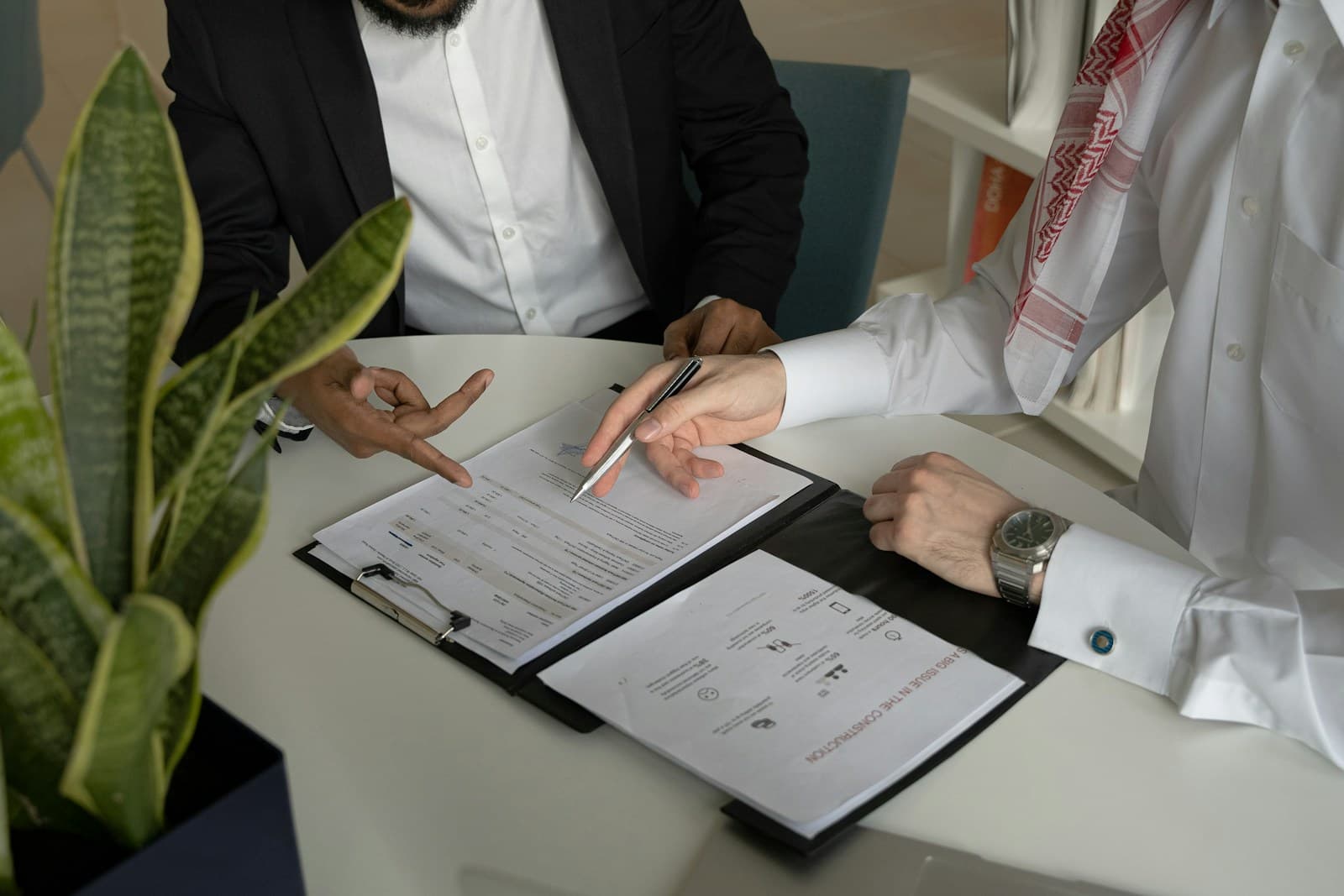
DMV administrative applications for restricted licenses after lapse suspensions are processed through form DL 205, which requires employer affidavit completion on DMV letterhead, notarization, and specific documentation of work hours, routes, and job start/end times. This path costs $34 application fee plus reinstatement, processes in 15-20 business days, and approves at approximately 62% on first submission. Employer affidavit errors—missing notary stamps, vague hour descriptions, or unsigned supervisor sections—account for most first-round denials.
Court-ordered restricted licenses bypass employer affidavit requirements entirely. You petition superior court in your county of residence for a hardship hearing, present proof of financial hardship (typically job loss risk documented through employer letter), and request a court order granting restricted driving privileges. The court issues the order directly to DMV. No DL 205 form, no employer affidavit notarization, no DMV-specific documentation format. Filing fee runs $60-$120 depending on county, plus $34 DMV processing once the court order arrives. Processing time from hearing to license issuance: 10-14 days post-order.
What Employer Affidavit Documentation Actually Requires Under DMV Administrative Path
The DL 205 employer affidavit section must be completed by your direct supervisor or HR representative on company letterhead if available. California DMV requires the affidavit include: your full legal name as it appears on your driver's license, your job title, your employer's full business name and physical address, your specific work schedule broken down by day and time blocks (e.g., Monday-Friday 7:00 AM - 3:30 PM), and the supervisor's printed name, title, signature, and direct contact phone number.
The affidavit must be notarized. Most DMV offices reject employer letters that lack a notary stamp even when all other information is complete. The notary requirement catches drivers whose employers use remote HR departments or corporate HR shared services that cannot easily access notary services. Some large employers refuse to notarize restricted license affidavits as policy, which forces drivers into the court petition path whether they intended that route or not.
Route documentation is the second common failure point. DMV expects the employer affidavit to specify the physical address of your workplace and, if relevant, any regular work-related travel destinations (client sites, branch locations, delivery routes). Vague descriptions like "various locations in Sacramento County" or "customer sites as assigned" trigger supplemental documentation requests that add 10-15 days to processing. If your job involves variable routes, the court petition path avoids this documentation trap entirely.
Compare car insurance rates in your state
Get quotes from licensed carriers — no obligation, no spam, results in minutes.
Get Your Free Quote✓ No Obligation Required✓ Licensed Carriers Only✓ Available Nationwide✓ Free to Compare
How Court-Ordered Restricted Licenses Simplify Single-Parent Employment Documentation
Superior court hardship petitions for restricted licenses evaluate financial hardship, not employer documentation format. You file a petition with the court clerk in your county, schedule a hardship hearing (typically 3-4 weeks out), and present evidence that losing your license will cause undue hardship—most commonly, job loss and inability to support dependents.
Single parents present dependency documentation (birth certificates, custody orders, tax returns showing head-of-household status) and an employer letter confirming that failure to maintain reliable transportation will result in termination. The letter does not require notarization, does not need to follow DMV formatting rules, and does not need to itemize specific routes or hour blocks. Most courts accept a simple HR letter on company letterhead stating: "[Your name] is employed as [job title]. This position requires reliable transportation. Inability to commute to work will result in job separation."
The court issues a restricted license order specifying approved purposes—work, necessary medical care, and transportation of minor dependents are standard inclusions for single parents. The order goes directly to DMV for processing. You present the filed court order and pay the $34 DMV processing fee. DMV does not re-evaluate employer documentation or request affidavit revisions because the court has already made the hardship determination. This path costs more upfront ($60-$120 court filing fee vs $34 DMV application fee) but eliminates the employer affidavit rejection cycle that delays 38% of DMV administrative applications.
SR-22 Filing Timing and Restricted License Approval Sequence
California requires SR-22 filing before restricted license approval for insurance lapse suspensions. You cannot receive a restricted license—whether through DMV administrative application or court order—until DMV receives electronic SR-22 verification from your insurance carrier.
The correct sequence: contact a non-standard auto insurance carrier that writes SR-22 policies (Bristol West, Kemper, Dairyland, GAINSCO, The General), purchase liability coverage meeting California minimums ($15,000/$30,000/$5,000), request SR-22 filing at purchase, wait 2-4 business days for electronic filing to post to your DMV record, then submit restricted license application or court petition. Applying for the restricted license before SR-22 posts results in automatic denial with no fee refund.
SR-22 premium cost for lapse-suspension drivers in California typically runs $95-$160/month for minimum liability limits. Non-owner SR-22 policies (coverage without a registered vehicle) cost slightly less, approximately $75-$120/month, and meet the filing requirement if you no longer own a car. The SR-22 filing itself carries no separate fee from DMV—the carrier charges an SR-22 endorsement fee, usually $15-$35 one-time, built into your first premium payment.
California requires continuous SR-22 filing for three years from the date of reinstatement. If your policy lapses or cancels during that period, the carrier notifies DMV electronically and your license suspends again immediately. Restricted license holders face the same continuous-coverage requirement—lapse during your restriction period and the restricted license revokes without prior notice.
Restricted License Scope Limitations and Violation Consequences
California restricted licenses issued after insurance lapse suspension limit driving to approved purposes only. DMV administrative restricted licenses (form DL 205) approve driving to and from work, during work hours for work purposes, to and from necessary medical appointments, and to and from DUI program classes if court-ordered. Court-ordered restricted licenses specify approved purposes in the court order itself—most include work, medical care, and dependent transportation for single parents.
Driving outside approved purposes while holding a restricted license counts as driving on a suspended license under Vehicle Code 14601. First violation: misdemeanor charge, up to 6 months county jail (typically probation for first offense), $300-$1,000 fine, and immediate revocation of the restricted license. The underlying suspension period does not pause during restricted license validity—if you had 6 months remaining when the restricted license issued, violation revokes the restricted privilege but the full suspension clock continues running.
Most restricted license violations occur during non-work hours or for non-approved purposes: weekend personal errands, social driving, or trips that do not fit the narrow approved categories. California law enforcement runs license status checks during every traffic stop. The restricted license status appears immediately, and officers verify whether your current trip falls within approved purposes. If you cannot document an approved purpose (e.g., driving home from work requires employer verification of your shift end time), you face arrest for 14601 violation on scene.
Total Cost Stack for California Lapse-Suspension Restricted License
Budget for the full cost sequence before starting the restricted license process. DMV administrative path total: $14 reinstatement fee, $34 restricted license application fee, SR-22 insurance premium of approximately $95-$160/month for 36 months (total $3,420-$5,760 over the filing period), and employer affidavit notarization fee of $15-$30 if your employer does not provide free notary services. First-year total: approximately $1,500-$2,200.
Court petition path total: $14 reinstatement fee, $60-$120 court filing fee (varies by county—Los Angeles and San Francisco run higher, rural counties lower), $34 DMV processing fee once court order issues, and the same SR-22 insurance cost. Some single parents retain an attorney for the hardship hearing, which adds $500-$1,200 depending on attorney and county. First-year total without attorney: $1,550-$2,300. With attorney: $2,050-$3,500.
Employers sometimes require employees to provide proof of legal driving status before allowing return to work. Restricted license issuance takes 15-20 days (DMV administrative path) or 10-14 days post-hearing (court path). If you cannot work without a valid license and your employer will not hold your position during that window, budget for 2-4 weeks of lost income in addition to the fees and premiums above.
What To Do Right Now If You Have an Active Lapse Suspension
Check your suspension letter from DMV for the specific suspension code. Insurance lapse suspensions cite Vehicle Code 16070 and specify a reinstatement requirement of proof of insurance filing (SR-22) and payment of the $14 fee. If your letter lists additional violations—unpaid tickets, failure to appear, or child support holds—those must clear before restricted license approval, regardless of path chosen.
Contact a non-standard auto insurance carrier immediately. Request an SR-22 quote for California minimum liability limits. If you no longer own a vehicle, request a non-owner SR-22 policy quote. Purchase coverage and confirm the carrier will file SR-22 electronically within 24-48 hours. Wait for DMV confirmation that SR-22 posted to your record before proceeding—most carriers provide a filing confirmation number you can reference when calling DMV at 1-800-777-0gsaW.
Decide between DMV administrative application and court petition based on employer cooperation. If your employer can complete the DL 205 affidavit, provide notarization, and document specific work hours and routes without delay, the DMV path costs less and processes predictably. If your employer cannot or will not complete notarized affidavits, if your work schedule varies week-to-week, or if you are a single parent who needs dependent-transportation privileges beyond basic work commuting, file a superior court hardship petition instead. Court filing instructions are available at your county superior court clerk's office—most counties post forms and instructions online under "Traffic" or "Hardship License" sections.