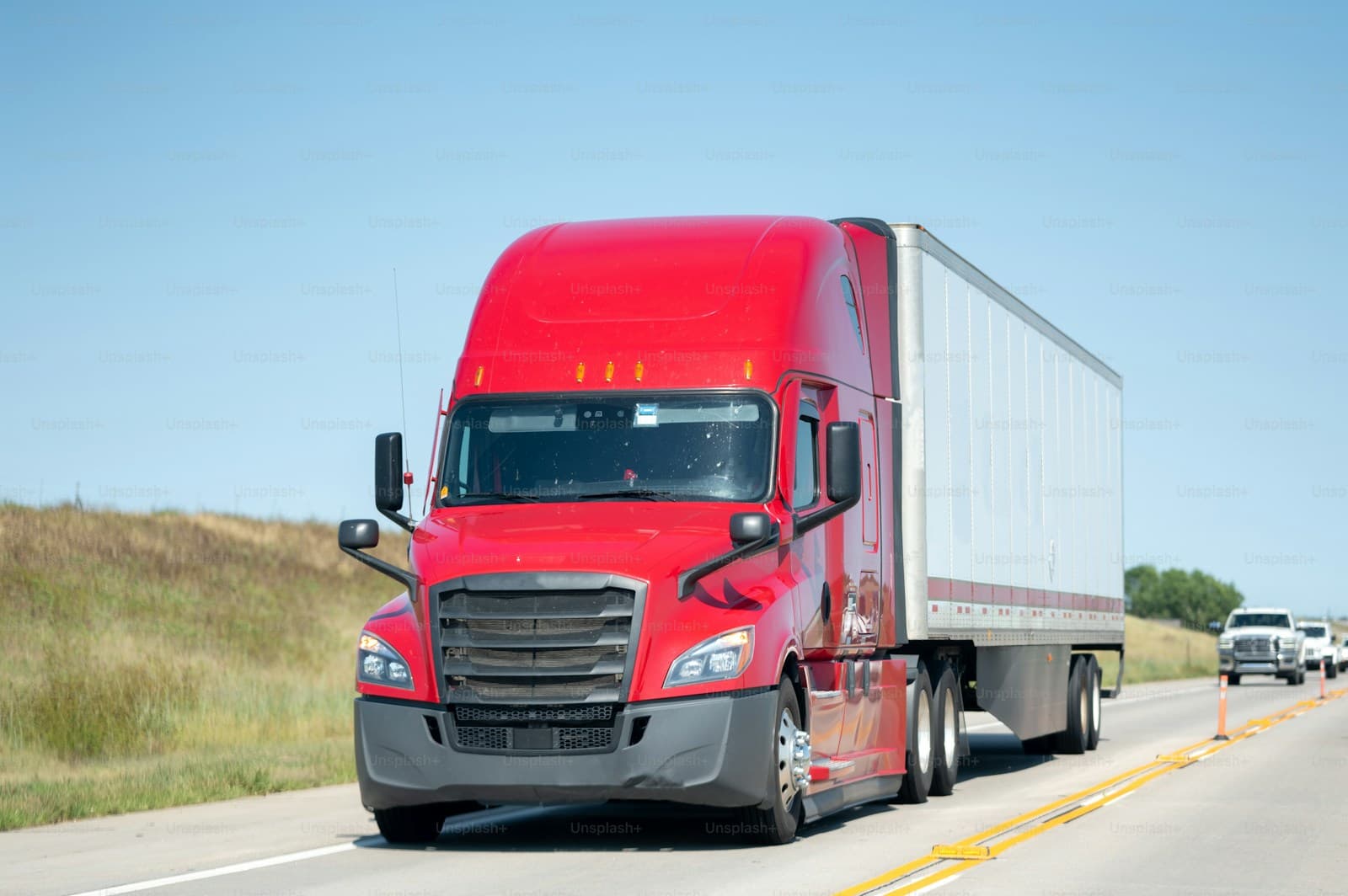
Commercial drivers face a California DUI with a personal-vehicle Class A restricted license that doesn't restore CDL privileges — most don't realize FMCSA regulations prohibit any commercial driving during restricted periods, even intrastate routes.
Why Your California Restricted License Won't Restore CDL Privileges
California DMV grants restricted licenses for personal-vehicle travel to work, DUI programs, and medical appointments. Your Class A license remains valid during the restriction period, but FMCSA regulations prohibit any commercial driving under a restricted license — even if your approved routes include your trucking employer's address. Federal law treats restricted licenses as suspended for commercial purposes.
The confusion happens because California DMV doesn't clearly state this limitation on the restricted license itself. Drivers assume approval for work travel means approval for their commercial driving job. It doesn't. Your restriction order specifies approved hours and destinations, but the moment you operate a CMV, you're violating federal commercial driver regulations regardless of what your state-issued paper says.
Most CDL holders discover this when their employer's insurance underwriter flags the restriction during routine DMV pull-notice monitoring. The driver thought they were compliant. The employer's insurer refuses coverage. The job ends before the first paycheck clears.
The Two-License Problem: Personal Driving vs. Commercial Driving
California issues one physical license, but your Class A carries two regulatory frameworks simultaneously. Your personal driving privilege falls under California Vehicle Code — DMV can grant restricted driving for non-commercial purposes after a 30-day hard suspension following DUI conviction. Your commercial driving privilege falls under 49 CFR Part 383 — federal FMCSA regulations that override state restricted-license programs entirely.
A first-offense DUI in your personal vehicle triggers a 4-month personal-driving suspension from California DMV. After 30 days, you can apply for a restricted license with IID installation and SR-22 filing. That restriction restores your ability to drive your personal car to work, DUI classes, medical appointments, and childcare. It does not restore your ability to drive a CMV.
FMCSA disqualification runs concurrently but independently. A first-offense DUI disqualifies you from operating a CMV for one year minimum, with no provision for restricted commercial driving during that period. Some drivers petition for reinstatement after the DMV 4-month period ends, only to learn the federal disqualification still has 8 months remaining. The two clocks run separately.
Compare car insurance rates in your state
Get quotes from licensed carriers — no obligation, no spam, results in minutes.
Get Your Free Quote✓ No Obligation Required✓ Licensed Carriers Only✓ Available Nationwide✓ Free to Compare
What California's Restricted License Actually Covers
California restricted licenses approved after DUI conviction permit travel for these purposes only: driving to and from work, driving to and from DUI program sessions, driving to and from medical appointments for yourself or immediate family, and driving children to and from school or childcare. Your petition must specify exact addresses and exact time windows for each approved destination.
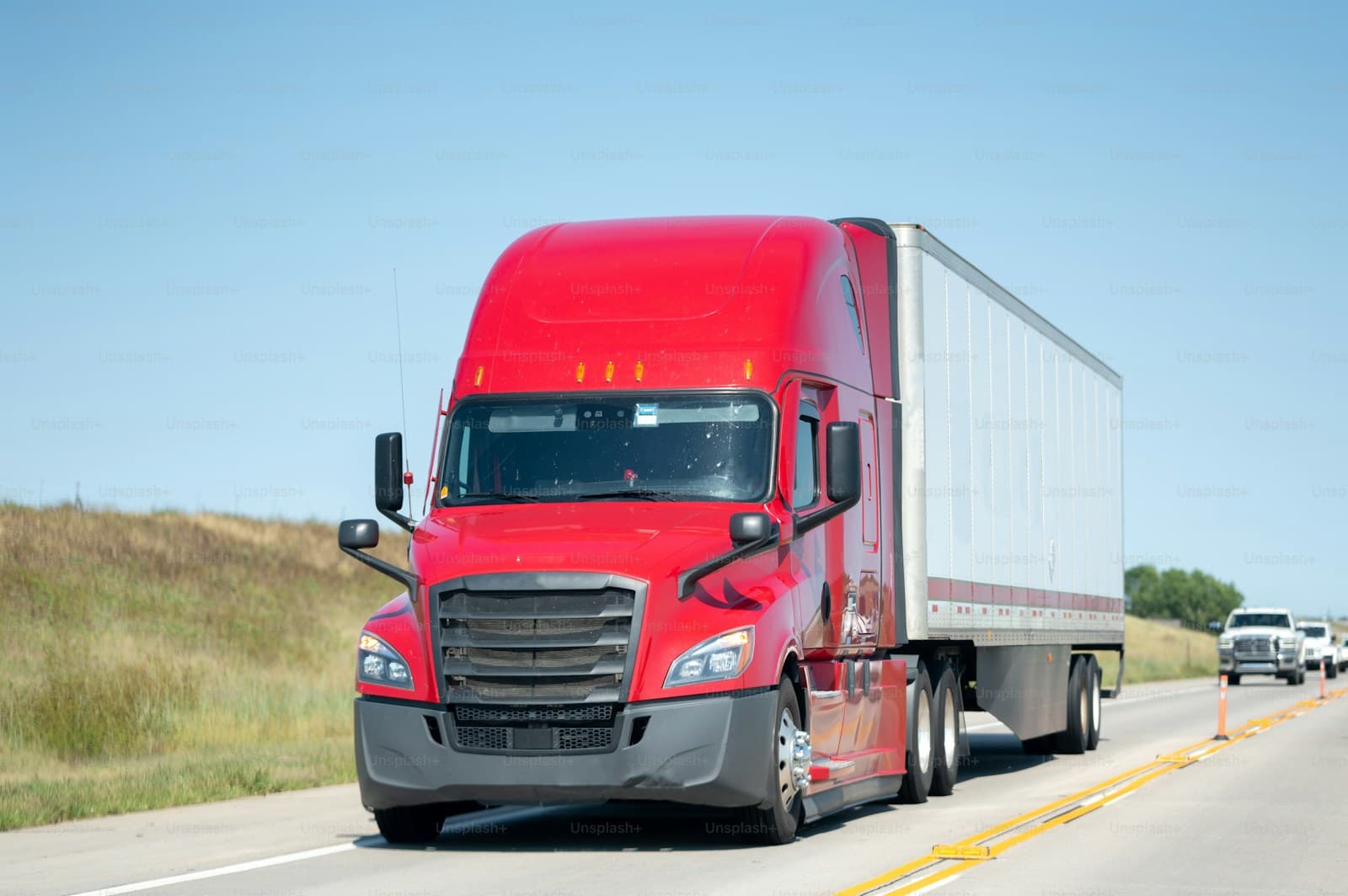
The restriction does not permit recreational driving, errands unrelated to approved purposes, or detours during approved trips. Most critically for CDL holders, the restriction does not permit operating a vehicle requiring a commercial driver license, even if the destination and time window match your approved work route. You can drive your personal truck to the job site. You cannot drive the company's 18-wheeler once you arrive.
Violation of restriction terms — driving outside approved hours, driving to unapproved destinations, or operating a CMV — triggers immediate revocation of the restricted license and often extends the underlying suspension period. California DMV does not issue warnings. CHP citation during a restriction violation goes straight to revocation.
FMCSA Disqualification Periods and No-Exceptions Rules
FMCSA disqualification periods depend on BAC level and prior offenses. A first-offense DUI in a personal vehicle with BAC under 0.15% disqualifies you from CMV operation for one year. BAC 0.15% or higher, or refusal to submit to testing, extends disqualification to three years if you hold a hazmat endorsement at the time of arrest. A second lifetime DUI disqualifies you permanently, with limited reinstatement possible after 10 years.
No restricted driving, no hardship petition, no employer-necessity exception exists under federal CDL regulations. State DMV programs like California's restricted license cannot override FMCSA disqualification. Employers who allow disqualified drivers to operate CMVs face federal penalties, loss of operating authority, and personal liability for the driver and company owner.
Californiaā€™s Employment Development Department does not recognize FMCSA disqualification as good cause for unemployment benefits in most cases. You were not terminated for misconduct by your employer; you were disqualified by federal regulation. Unemployment appeals hinge on whether you disclosed the DUI arrest to your employer immediately and whether the employer could have reassigned you to non-driving duties during the disqualification period.
The SR-22 Requirement for Restricted License Approval
California DMV requires SR-22 filing before issuing a restricted license after DUI suspension. The SR-22 is a liability insurance certificate your carrier files directly with DMV, confirming you carry at least California's minimum liability limits: $15,000 per person for injury, $30,000 per accident for injury, and $5,000 for property damage. Those state minimums do not meet FMCSA requirements for commercial liability, which start at $750,000 for most interstate carriers.
Your personal SR-22 policy covers your personal vehicle during restricted driving. It does not cover CMV operation, and no SR-22 carrier will write a personal-lines policy that includes commercial use. CDL holders need SR-22 to get the restricted license, but the restricted license itself doesn't restore the ability to earn under the CDL.
SR-22 filing continues for three years from the date of DUI conviction in California. Lapse in coverage for any reason triggers automatic suspension of your restricted license and requires restarting the SR-22 clock from the lapse date. Most carriers writing SR-22 policies for DUI drivers are non-standard: The General, Bristol West, Kemper, GAINSCO, Acceptance, and similar. Monthly premiums typically run $140–$220 for minimum liability, with six-month policies paid in full upfront in many cases.
Ignition Interlock Device Installation and Monitoring
California requires IID installation on any vehicle you operate under a restricted license. The device prevents the engine from starting if it detects alcohol on your breath. You must provide rolling retests at random intervals while driving. The IID logs every start attempt, every failed test, every skipped rolling retest, and every attempt to disconnect or tamper with the device.
IID providers approved by California DMV include LifeSafer, Intoxalock, Smart Start, and Guardian Interlock. Installation costs run $70–$150. Monthly monitoring and calibration fees run $60–$90. You pay for the device as a condition of restricted driving; no state subsidy exists. Total cost over the 4-month restricted period before full license reinstatement: approximately $350–$500.
Employers allowing company vehicles to be driven by restricted-license employees face complications. The company must allow IID installation on the vehicle, pay for the device unless the employee reimburses them, and accept liability for failed tests logged to the vehicle's VIN. Most trucking companies prohibit IID installation on CMVs entirely, which eliminates any theoretical path to commercial driving under restriction even if FMCSA allowed it.
What Happens If You Drive Commercially During Disqualification
Operating a CMV while disqualified under FMCSA regulations is a federal offense. The driver faces criminal penalties, including fines up to $5,000 and potential jail time for repeat violations. The employer faces fines up to $11,000 per violation and potential suspension of operating authority. Insurance coverage is void for any accident occurring while a disqualified driver operates the vehicle.
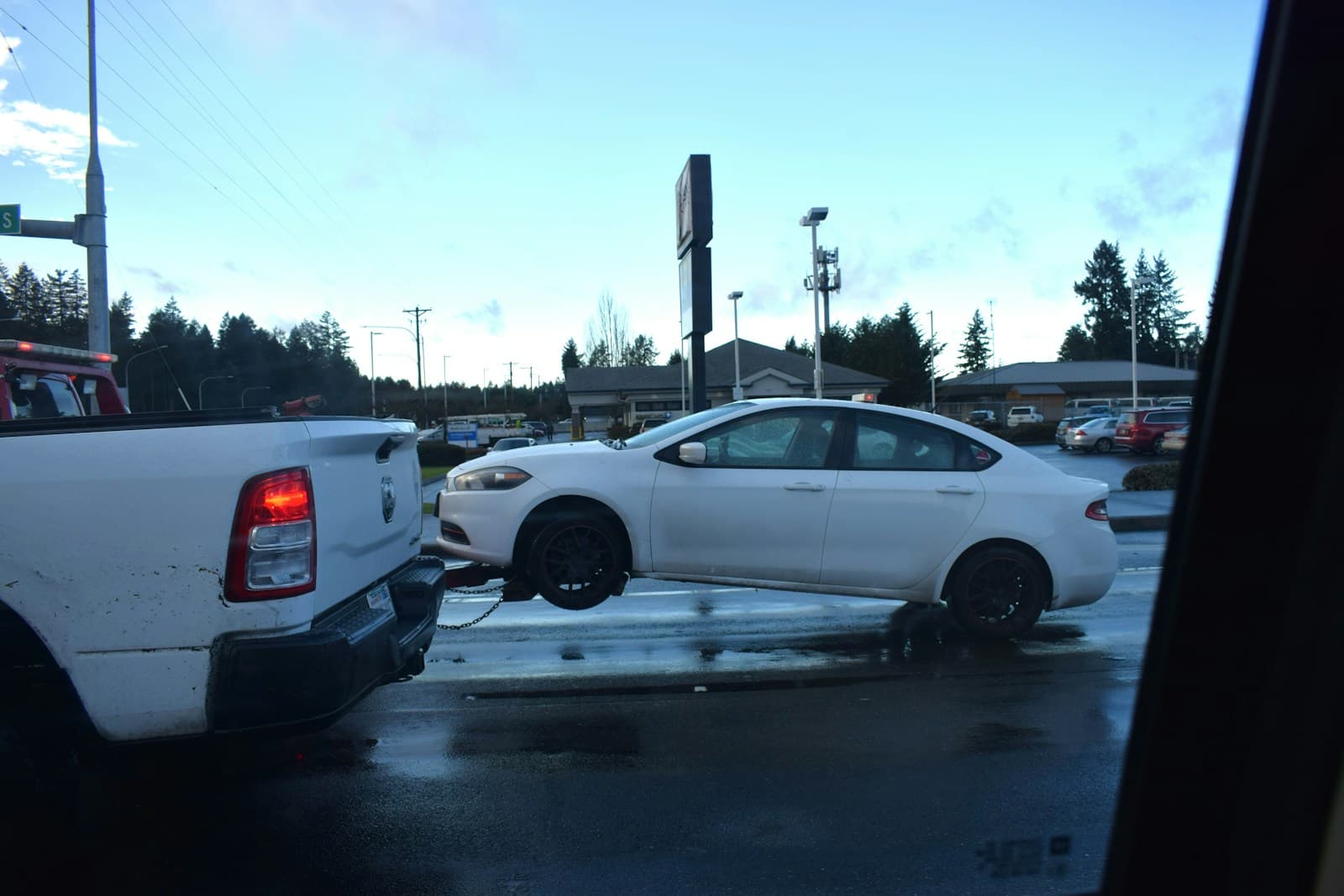
California CHP officers cross-reference your CDL status during traffic stops. A disqualified driver operating a CMV is cited, the vehicle is impounded, and the load is transferred or abandoned depending on the carrier's response time. If you're an owner-operator, impound and towing fees often exceed $2,000 before you can recover the truck, and you still face the underlying citation.
Conviction for driving while disqualified extends your disqualification period and can convert a one-year disqualification into a permanent lifetime ban depending on the circumstances and your prior record. There is no 'I didn't know' defense. FMCSA regulations require CDL holders to notify their employer of any traffic conviction, including DUI, within 30 days. Ignorance of disqualification status is treated as willful.