California DMV denies restricted license petitions when daycare drop-off addresses aren't documented separately from work routes—most single parents list only their employer address and discover the gap after paying the $125 filing fee.
Why California's Restricted License After Insurance Lapse Requires Documented Childcare Routes
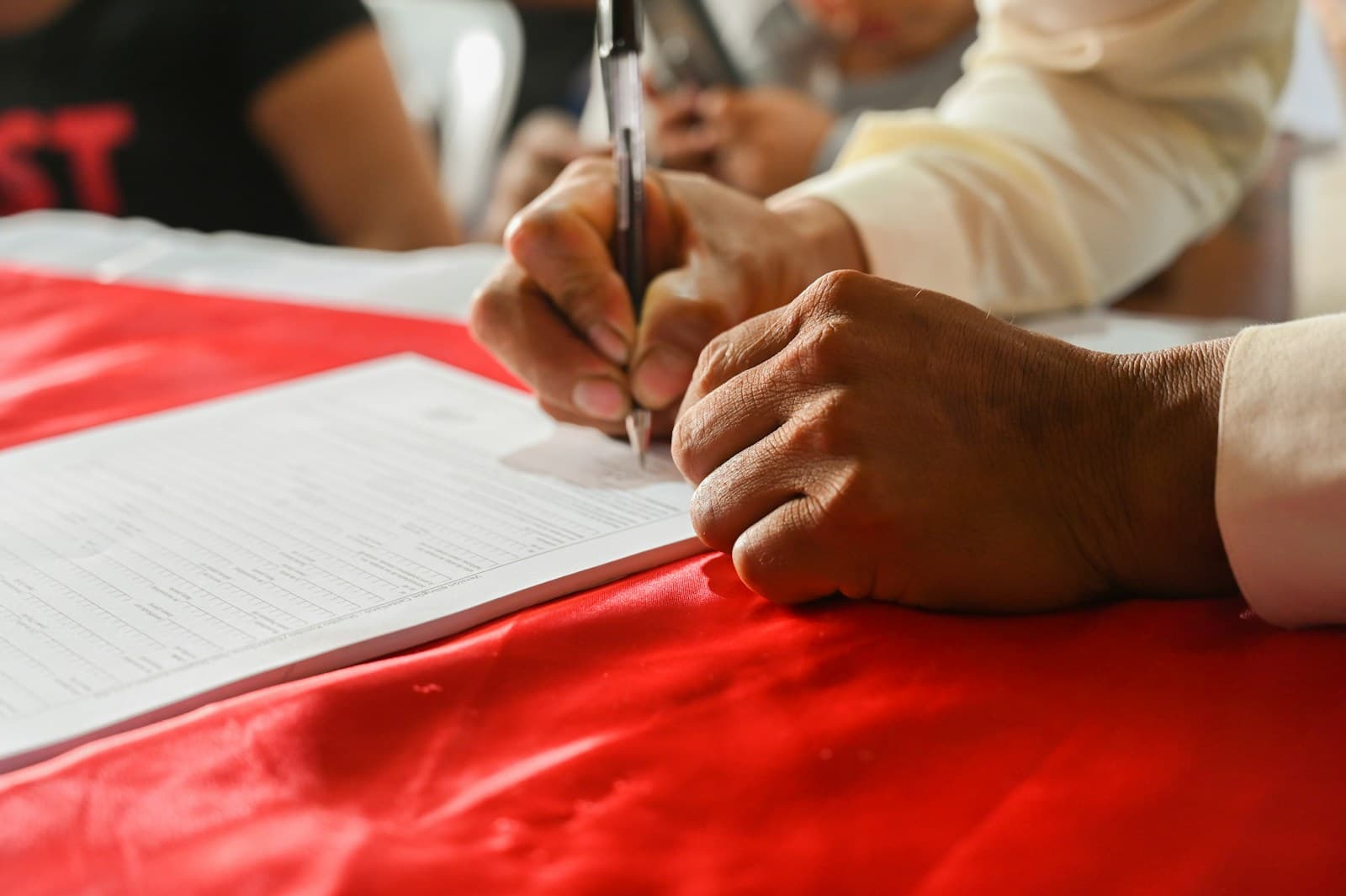
California DMV Form DL 205 requires applicants to list every approved destination address and the specific times you'll drive there. Single parents typically list their employer's address and assume the restricted license covers incidental stops like daycare drop-off or school pickup. It does not.
DMV evaluates each destination independently. Your employer letter proves work necessity. Daycare drop-off requires separate documentation: the facility's address, your child's enrollment records, and your custody agreement if co-parenting. Without these, DMV approves only the work route. Driving to daycare on a work-only restricted license counts as unlicensed driving.
The insurance lapse that triggered your suspension complicates this further. Most California drivers don't realize insurance lapse suspensions still require SR-22 filing even though the lapse itself wasn't a moving violation. You'll need SR-22 coverage before DMV processes your restricted license application, and that SR-22 must remain active for three years from your reinstatement date.
What California DMV Actually Approves on Restricted Licenses for Insurance Lapse Cases
California restricted licenses approve driving for work, necessary medical care, court-ordered obligations, and DUI program attendance if required. School drop-off and daycare pickup qualify as necessary purposes, but only when documented with enrollment verification and custodial proof.
DMV does not approve errands, grocery trips, or recreational driving. The license restricts you to approved addresses during approved hours. Most single parents underestimate how narrow this window is. If your work shift ends at 5:00 PM and daycare closes at 6:00 PM, your approved hours must cover both. If you're delayed at work and pick up your child at 6:15 PM, you're violating the restriction even though the destination is approved.
Violation consequences are immediate. A traffic stop outside your approved hours or routes triggers a Vehicle Code 14601.2 charge for driving on a suspended license. The restricted license is revoked. Your underlying suspension period often extends. Most importantly, your SR-22 insurer reports the violation to DMV, and finding new SR-22 coverage after a restriction violation is significantly harder and more expensive.
Compare car insurance rates in your state
Get quotes from licensed carriers — no obligation, no spam, results in minutes.
Get Your Free Quote✓ No Obligation Required✓ Licensed Carriers Only✓ Available Nationwide✓ Free to Compare
How to Document Childcare Routes When Applying for California's Restricted License
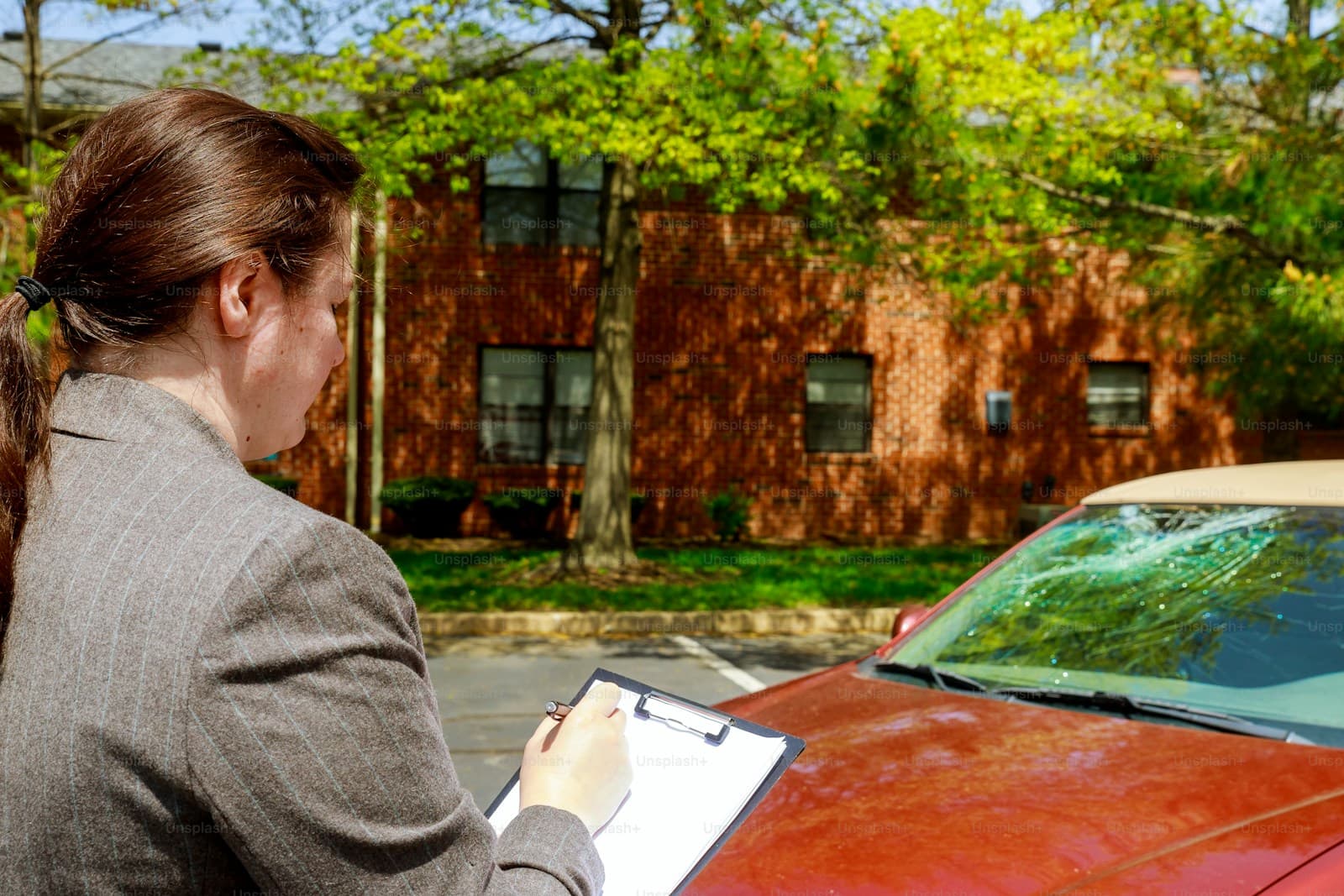
Gather three documents before filing Form DL 205: your employer's letter on company letterhead stating your work address and shift hours, your childcare facility's enrollment letter with the facility address and your child's attendance schedule, and your custody agreement or court order if you share custody.
The employer letter must include your job title, work address, days and hours worked, and a statement that you cannot perform your job duties via public transportation or carpooling. Generic employment verification letters from HR departments often omit the transportation-necessity language. Request a letter written specifically for DMV restricted license purposes.
The daycare documentation must show the facility address, your child's name, enrollment dates, and drop-off/pickup times. If your child attends school instead of daycare, provide the school's address and your designated pickup time from the school office. If you share custody, include the family court order showing your parenting time schedule. DMV cross-references addresses to confirm each stop is geographically necessary and not a detour for personal errands.
Why Insurance Lapse Suspensions Require SR-22 Even Without a Moving Violation
California Vehicle Code 16020 requires continuous liability insurance on all registered vehicles. Letting coverage lapse—even for one day—triggers an automatic suspension. DMV mails a notice to surrender your license and registration. If you don't respond within 10 days, the suspension becomes active.
Reinstatement after an insurance lapse suspension requires proof of current SR-22 coverage and a $250 reinstatement fee. The SR-22 filing proves financial responsibility for three years. This surprises most drivers because the lapse itself wasn't a violation while driving—it was a registration compliance failure. California treats it as proof of financial irresponsibility regardless.
Most carriers that insure clean-record drivers do not file SR-22. You'll need a non-standard carrier: Bristol West, Dairyland, GAINSCO, Direct Auto, The General, or Acceptance. Monthly premiums for SR-22 liability coverage after an insurance lapse suspension typically run $110–$175 for minimum state limits. If you need a policy but don't own a vehicle, non-owner SR-22 policies cost $60–$95 monthly and satisfy DMV's filing requirement.
What Happens If You Drive Outside Approved Hours or Routes on a California Restricted License
California Highway Patrol and local law enforcement verify restricted license compliance during every traffic stop. Officers confirm the current time falls within your approved hours and your destination matches an approved address on file with DMV. If either condition fails, you're cited under Vehicle Code 14601.2.
A 14601.2 violation is a misdemeanor. First offense penalties include up to six months in county jail and a fine up to $1,000. More commonly, courts impose probation, additional suspension time, and mandatory SR-22 extension. Your restricted license is revoked immediately. The underlying suspension continues, and you must wait an additional 30 days before reapplying.
Your SR-22 insurer receives notification of the violation within 48 hours. Many non-standard carriers non-renew policies after a restriction violation. Finding replacement SR-22 coverage becomes significantly harder. Premiums for drivers with both an insurance lapse suspension and a subsequent restriction violation often exceed $200 monthly for state minimum liability limits.
Cost Breakdown for California Restricted License After Insurance Lapse Suspension
Expect $1,800–$2,600 in first-year costs. The DMV reinstatement fee is $250. The restricted license application fee is $125. SR-22 filing with a non-standard carrier costs approximately $110–$175 monthly, totaling $1,320–$2,100 for the first year.
If you need legal assistance filing the restricted license petition, attorney fees in California run $400–$800 for straightforward insurance lapse cases. More complex cases involving multiple violations or prior restricted license revocations cost more. Some single parents representing themselves save the attorney fee but risk denial if documentation is incomplete.
Budget separately for document gathering costs. Obtaining custody orders from family court typically costs $25–$50 in copy fees. Employer letters are usually free, but some HR departments charge administrative fees. Daycare facilities occasionally charge for enrollment verification letters. These costs are small but add up when you're already paying reinstatement fees and higher insurance premiums.