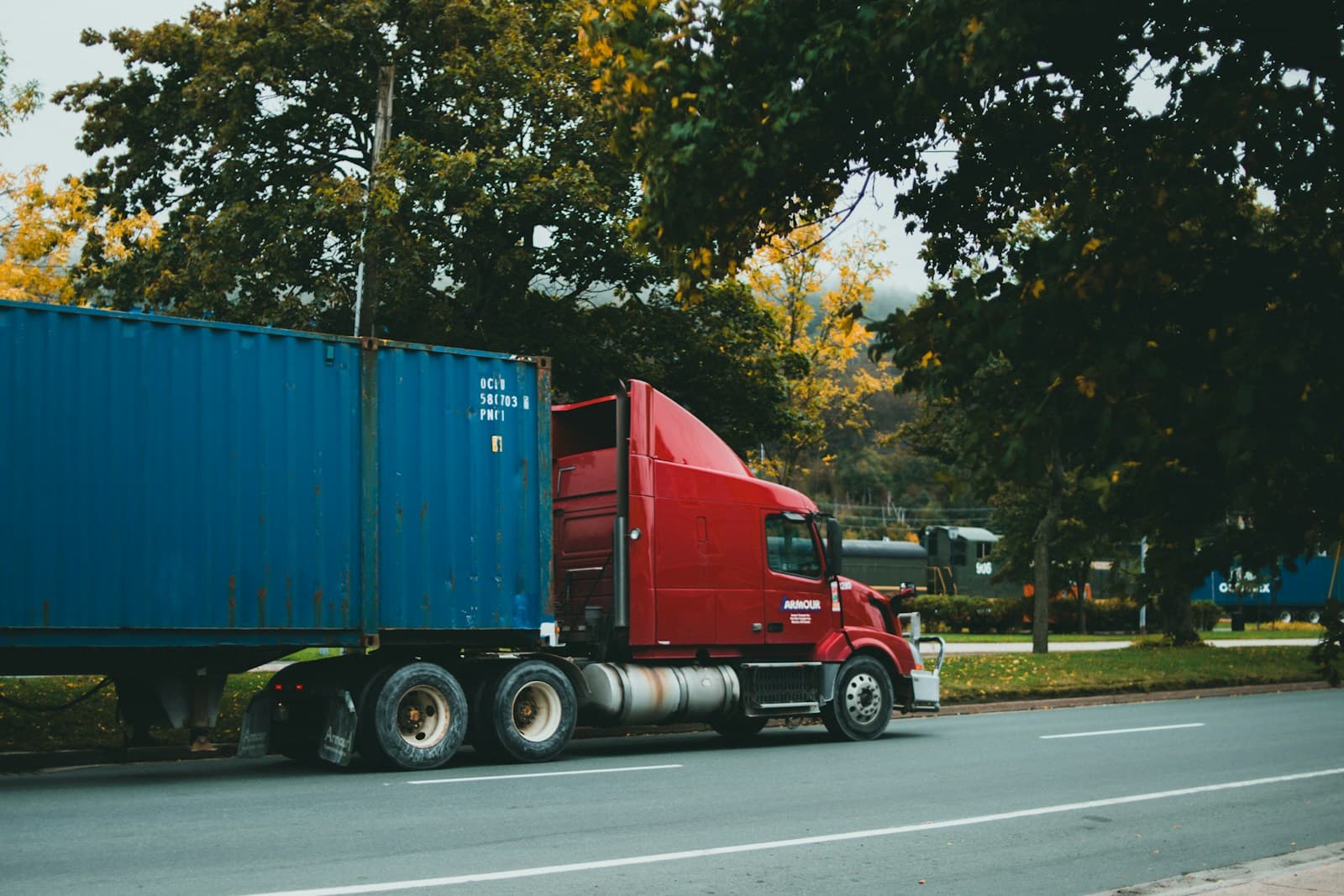
CDL drivers in Delaware face stricter point thresholds and permanent disqualification risks that passenger-vehicle conditional license programs don't address. Most don't realize their commercial privilege operates under separate federal rules that a state conditional license cannot override.
Why Delaware's Conditional License Program Doesn't Apply to CDL Holders the Way You Think
Delaware Division of Motor Vehicles issues conditional licenses for work and medical purposes after suspensions triggered by points accumulation, DUI, or failure to appear. The program allows restricted driving during the suspension period. CDL holders assume this program restores their commercial driving privilege during the same period. It does not.
Federal Motor Carrier Safety Administration regulations govern commercial driver disqualifications separately from state licensing programs. When a CDL holder accumulates points that trigger a Delaware suspension, two separate processes activate: Delaware DMV suspends the base driver's license under state law, and FMCSA may disqualify the commercial driving privilege under federal law. A Delaware conditional license issued by DMV restores limited passenger-vehicle driving. It has no authority over the commercial disqualification.
Most CDL drivers discover this gap when they apply for a conditional license, receive approval, and then attempt to drive commercially under the restricted privilege. The employer's compliance office reviews the driver's Motor Vehicle Record, sees the active federal disqualification, and refuses to authorize commercial operation. The conditional license approval from Delaware DMV does not remove or modify the FMCSA disqualification. The two systems operate independently.
How Points Accumulation Triggers Dual Suspensions for Commercial Drivers
Delaware assesses points for moving violations on a rolling 24-month window. Accumulating 12-13 points triggers a suspension. CDL holders accumulate points under the same system, but federal regulations add separate thresholds. A serious traffic violation in a commercial vehicle—speeding 15+ mph over the limit, reckless driving, improper lane change, following too closely, texting while driving—triggers a mandatory 60-day disqualification on the second conviction within three years and 120 days on the third.
A CDL holder who accumulates 12 points from violations in their personal vehicle faces a Delaware suspension. They apply for a conditional license and receive approval for work and medical travel. Their commercial privilege remains disqualified if any of those violations meet the federal serious-traffic-violation definition or if a separate out-of-service violation, railroad-crossing violation, or hazmat violation appears on their record within the FMCSA lookback period. Delaware DMV conditional license approval does not address the federal side.
The confusion deepens because Delaware processes both the state license suspension and the CDL disqualification through the same agency, but under different legal authorities. Conditional license petitions are reviewed under Delaware Code Title 21 §2709. CDL disqualifications are reviewed under Title 21 §2610, which incorporates federal standards by reference. The petition that restores conditional passenger-vehicle driving does not activate a parallel petition for commercial relief unless the driver explicitly requests a CDL disqualification hearing and satisfies federal reinstatement criteria.
Compare car insurance rates in your state
Get quotes from licensed carriers — no obligation, no spam, results in minutes.
Get Your Free Quote✓ No Obligation Required✓ Licensed Carriers Only✓ Available Nationwide✓ Free to Compare
What Approved Destinations Mean for CDL Holders With Conditional Licenses
Delaware conditional licenses specify approved destinations by address: workplace, medical facilities, DUI program locations if applicable, childcare facilities, and court-ordered locations. The license does not permit deviation. CDL holders often interpret the workplace approval as authorization to drive commercially to that workplace. It is not.
The conditional license permits driving a passenger vehicle to and from the approved workplace address during approved hours. It does not authorize operating a commercial motor vehicle to that location or any other. The federal disqualification prohibits all commercial driving regardless of destination, route, or time window. A CDL holder who drives a commercial vehicle to their approved workplace address under a Delaware conditional license is operating while disqualified under federal law, which creates liability for the driver and the employer.
Employers conducting pre-trip compliance checks flag this immediately. The driver presents a valid Delaware conditional license, but the MVR shows an active FMCSA disqualification. The conditional license does not override the disqualification. Most CDL drivers do not realize this distinction until the compliance office rejects the assignment. The driver is then stranded with a conditional license that permits personal travel but no commercial operation.
The Path to Restoring Commercial Driving Privileges in Delaware
Restoring CDL privileges after a federal disqualification requires satisfying FMCSA reinstatement criteria, not Delaware conditional license criteria. The disqualification period must run in full with no early termination. Delaware does not grant hardship relief or restricted commercial driving during a federal disqualification period. When the disqualification period ends, the driver must apply for reinstatement through Delaware DMV, pay the $200 reinstatement fee, satisfy any outstanding requirements from the underlying violation, and pass the CDL knowledge and skills tests again if the disqualification exceeded one year.
Conditional license approval does not shorten or modify this timeline. A CDL holder who receives a 60-day disqualification for a second serious traffic violation must wait the full 60 days before applying for commercial reinstatement. If they also face a state suspension for points accumulation during the same period, they can petition for a conditional license to maintain passenger-vehicle driving during the overlap, but the conditional license does not restore commercial driving until the federal disqualification expires and full reinstatement is completed.
Many drivers assume the conditional license serves as a bridge to commercial operation. It does not. The conditional license preserves the ability to drive to work in a personal vehicle, attend medical appointments, and maintain family obligations. It does not preserve employment that requires commercial driving. Employers cannot legally assign commercial driving to a disqualified CDL holder, even one holding a valid state conditional license.
What This Means for Insurance and SR-22 Filing
Delaware requires SR-22 filing for suspensions triggered by DUI, uninsured driving, and certain high-risk violations. Points accumulation suspensions typically do not require SR-22 unless the underlying violations included uninsured operation or the suspension followed a lapse in coverage. CDL holders must clarify with Delaware DMV whether their specific suspension trigger mandates SR-22 before applying for conditional license approval.
When SR-22 is required, the filing must remain active for the full reinstatement period. The conditional license does not reduce the SR-22 duration. Most CDL holders maintain insurance on both a personal vehicle and the commercial vehicle they operate through their employer. The SR-22 filing attaches to the personal vehicle policy. It does not cover the commercial vehicle or satisfy the employer's commercial liability requirements.
Carriers specializing in post-suspension SR-22 filings include Bristol West, Dairyland, GAINSCO, The General, and Direct Auto. Monthly premiums for SR-22 filings in Delaware typically range from $110 to $180 after a points-related suspension, higher for DUI-triggered suspensions. The SR-22 premium is separate from the employer's commercial vehicle insurance, which the driver does not control. CDL holders often underestimate the dual insurance cost when budgeting for reinstatement.
Why Most CDL Drivers Don't Discover the Gap Until It's Too Late
Delaware DMV conditional license application materials describe eligibility, approved purposes, and required documentation. They do not distinguish between base license holders and CDL holders or explain the separate federal disqualification process. The petition form asks for employer verification, approved work hours, and a statement of hardship. It does not ask whether the applicant holds a CDL or whether the employment requires commercial driving.
Drivers submit the petition, receive approval, and assume they can return to commercial operation under the restricted privilege. The approval letter specifies approved destinations and hours but does not reference the federal disqualification or clarify that the conditional privilege applies only to passenger-vehicle operation. The driver discovers the gap when the employer's compliance office reviews the MVR and refuses to assign commercial driving.
Some drivers attempt to appeal the employer's decision, presenting the Delaware conditional license as proof of restored driving privileges. The employer cannot override the federal disqualification. The liability risk is immediate: operating a commercial vehicle while disqualified voids the employer's insurance, exposes the company to FMCSA penalties, and subjects the driver to criminal prosecution under 49 CFR 383.51. Most employers terminate drivers who attempt commercial operation during an active disqualification, even when the driver holds a valid state conditional license.
Cost and Timeline for Dual Reinstatement
A CDL holder facing both a Delaware state suspension and a federal disqualification must budget for dual reinstatement. Delaware charges a $200 restoration fee for the base license, separate from the $10 conditional license application fee. The federal disqualification does not carry a separate federal fee, but Delaware assesses the $200 fee again when commercial privileges are restored after the disqualification period ends. Total reinstatement cost runs $400 to $600 when both processes complete, not including SR-22 premiums, DUI program costs if applicable, or attorney fees.
Timeline varies by the length of the disqualification. A 60-day disqualification for a second serious traffic violation runs concurrently with the state suspension in most cases. The driver can apply for a conditional license immediately after the suspension takes effect and maintain passenger-vehicle driving during the 60-day period. Commercial driving cannot resume until the 60th day, at which point the driver applies for full commercial reinstatement. Processing takes 10-15 business days after the disqualification expires. The driver is out of commercial operation for a minimum of 75 days from suspension effective date to full commercial reinstatement.