You were convicted of DUI in California and need to drive to work. Here's how to qualify for a restricted driver license, what the waiting period is, and how SR-22 filing and ignition interlock work together.
What is a California Restricted Driver License After DUI?
A restricted driver license in California allows you to drive to and from work, during work hours, and to your court-ordered DUI program during a suspension that would otherwise prohibit all driving. California calls it a restricted license, not a hardship or occupational license. The restriction is literal: drive only for employment purposes and DUI program attendance. School drop-off, grocery runs, medical appointments outside of work — not covered unless your employment involves those activities.
You apply through the DMV, not the court. The DMV grants the restriction administratively after you prove enrollment in a DUI program, install an ignition interlock device, and file SR-22 proof of insurance. California issues the restricted license as a physical card with "RESTRICTED" printed on it. Your restriction period runs concurrent with your underlying suspension in most cases, meaning you're not adding time — you're gaining limited driving privilege during time you'd otherwise have none.
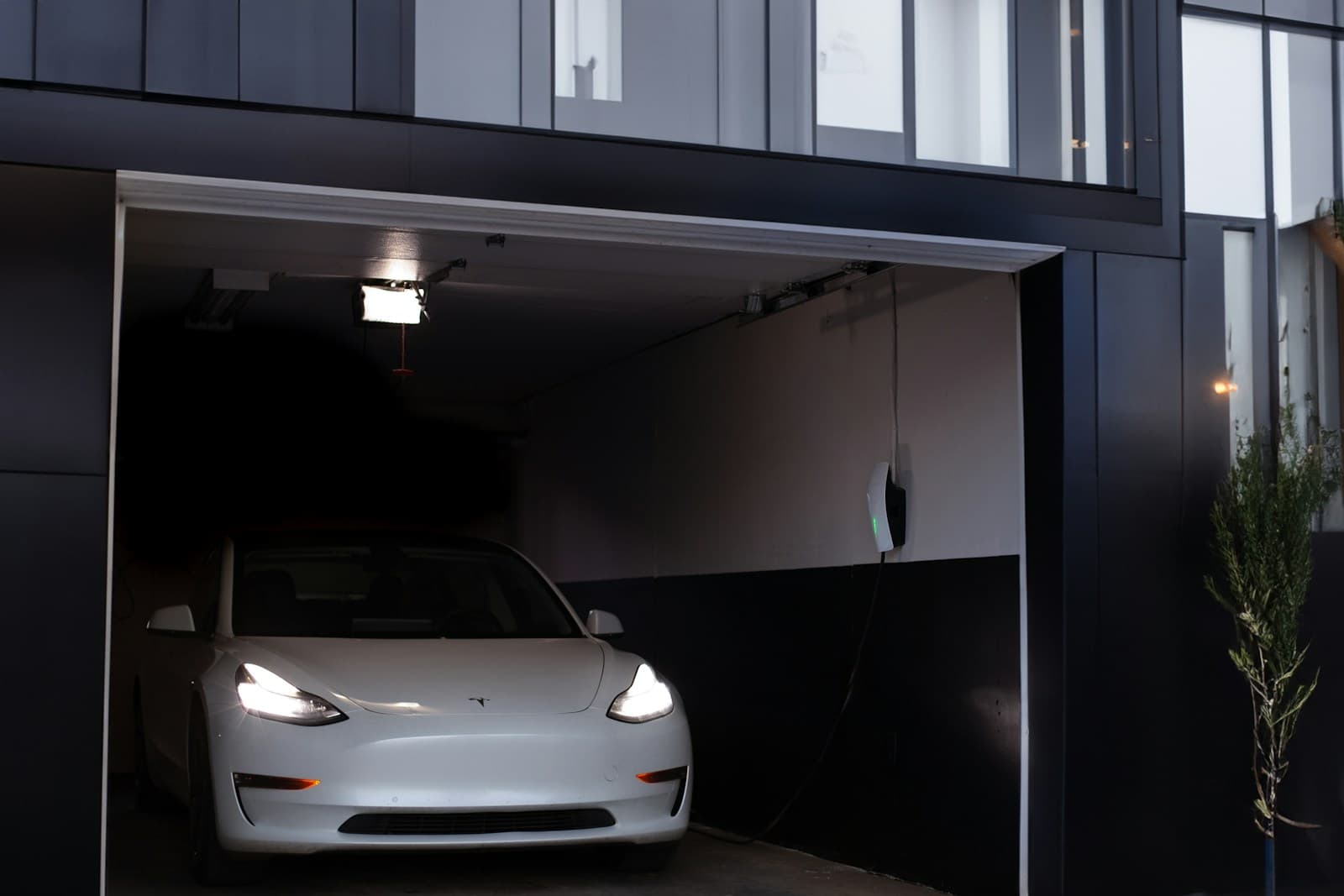
California requires an ignition interlock device on every restricted license issued after DUI conviction, regardless of BAC or prior offenses. Your vehicle cannot start without a clean breath sample. Monthly IID cost typically runs $70–$100 for device rental, installation, calibration, and reporting to the DMV.
How Long Do You Wait to Apply for a Restricted License After DUI in California?
First-offense DUI: no waiting period if you enroll in a DUI program before your suspension begins. California allows you to apply for a restricted license the same day your suspension starts. The catch: you must show proof of DUI program enrollment at the time you apply. Most drivers enroll within 7–14 days of conviction to meet this requirement.
Second or subsequent DUI within 10 years: 90-day hard suspension with no restricted privilege. You cannot drive for any purpose during the first 90 days. After 90 days, you may apply for a restricted license if you complete the first segment of your 18-month or 30-month DUI program and install an IID.
Refusal of chemical test (breathalyzer or blood draw): 1-year hard suspension on first offense, no restricted privilege for 12 months. Refusal penalties override DUI-conviction timelines. If you refused the test and were convicted of DUI, the refusal suspension runs first, and you serve the longer of the two.
Compare car insurance rates in your state
Get quotes from licensed carriers — no obligation, no spam, results in minutes.
Get Your Free Quote✓ No Obligation Required✓ Licensed Carriers Only✓ Available Nationwide✓ Free to Compare
What Are the Requirements to Qualify for a California Restricted License?
California DMV requires five components before issuing a restricted license: proof of enrollment in a DMV-licensed DUI program, SR-22 certificate of insurance on file with DMV, ignition interlock device installation verification from a state-certified provider, payment of a $125 reissue fee to DMV, and payment of any outstanding suspension or violation fees. You cannot skip any component. Missing one item means your application is denied.
The DUI program you enroll in must match the conviction class. First-offense standard DUI: 3-month program (30 hours). First-offense with BAC 0.15% or higher, or refusal, or injury: 9-month program (60 hours). Second DUI: 18-month program. Third DUI: 30-month program. DMV will not issue the restricted license if your enrolled program does not match the conviction mandate.
SR-22 filing must remain active for the full restriction period plus any additional suspension time. California requires 3 years of continuous SR-22 for first-offense DUI. If your SR-22 lapses even one day, your restricted license is suspended immediately, and DMV may extend your underlying suspension. SR-22 premium cost for high-risk drivers in California typically runs $100–$200 per month for liability-only coverage with a non-standard carrier.
How Do Court-Ordered Restrictions and DMV Restrictions Work Together?
California operates on dual-track DUI enforcement: the court issues criminal penalties, and the DMV issues administrative license actions. Both agencies can suspend your license independently for the same DUI arrest. The court suspension runs from your conviction date. The DMV suspension runs from your administrative per se hearing or automatic suspension trigger (typically 30 days after arrest if no hearing is requested). These timelines do not align, and you may serve overlapping suspensions.
If you lose both the criminal case and the DMV administrative hearing, you face two suspensions. California allows the suspensions to run concurrently if you apply for a restricted license that satisfies both the court and DMV requirements. The key: installing an IID satisfies both tracks. Without an IID-restricted license, the court suspension and DMV suspension stack, and you may lose driving privilege for a longer total period.
Most drivers do not realize the DMV suspension clock starts earlier than the court suspension clock. The DMV administrative per se suspension begins 30 days after arrest unless you request a hearing within 10 days. If you win the DMV hearing but lose the court case, you still face a court-ordered suspension and must apply for a restricted license through DMV. The two processes are independent, but the restricted license paperwork consolidates them into a single driving permit.
What Does the Ignition Interlock Requirement Mean for Restricted License Holders?
California mandates an ignition interlock device on all DUI-related restricted licenses issued after January 1, 2019. You cannot get a restricted license without installing an IID first. The device connects to your vehicle's ignition system and requires a breath sample before the engine will start. If your BAC registers above 0.02%, the vehicle will not start. While driving, the device prompts random rolling retests. Failing a rolling retest triggers an alarm and data log sent to the DMV, but it does not shut off the engine while you're driving.
You pay for IID installation, monthly rental, calibration appointments (typically every 60 days), and removal when the restriction ends. Total cost over a 12-month restriction period typically runs $900–$1,200. Installation: $75–$150. Monthly monitoring: $60–$90. Calibration visits: $20–$40 each. These fees are paid directly to the IID provider, not DMV. California certifies specific IID vendors; you must use a state-approved provider or your installation will not count toward the restricted license requirement.
Violating IID requirements — driving a non-IID-equipped vehicle, failing to attend calibration, tampering with the device, or accumulating failed breath tests — results in immediate restricted license revocation. DMV receives real-time data from your IID provider. A single violation can reset your eligibility clock and extend your total suspension period by 6–12 months.
How Do You Apply for a California Restricted License After DUI?
Step 1: Enroll in a DMV-licensed DUI program that matches your conviction class. Obtain a signed enrollment verification form (DL 107) from the program administrator. This form must be submitted with your restricted license application. Most DUI programs issue the DL 107 on the first day of enrollment.
Step 2: File SR-22 insurance. Contact a California-licensed insurance carrier that writes high-risk policies. The carrier files the SR-22 certificate electronically with DMV on your behalf. You do not file it yourself. Allow 3–5 business days for the SR-22 to appear in the DMV system before proceeding to step 3. Carriers that commonly write SR-22 for DUI drivers in California include Bristol West, Dairyland, GAINSCO, Direct Auto, and The General.
Step 3: Install an ignition interlock device with a California-certified provider. Schedule installation before your suspension begins if possible. The IID provider submits installation verification (form IID-1) directly to DMV. Keep your installation receipt and verification of installation certificate — you may need to present these at the DMV office.
Step 4: Visit a DMV field office. Bring your DL 107 enrollment form, proof of IID installation, and payment for the $125 reissue fee. If your SR-22 is on file and all documents are in order, DMV will issue your restricted license the same day. The restricted license is a physical card mailed to your address within 10 business days, but DMV typically provides a temporary paper permit that allows you to drive immediately under the restricted terms.
How Much Does a California DUI Restricted License Cost?
DMV reissue fee: $125, paid when you apply for the restricted license. SR-22 insurance premium: $1,200–$2,400 per year ($100–$200/month), depending on your driving history, age, vehicle, and coverage selections. Estimates based on available industry data; individual rates vary by driving history, vehicle, coverage selections, and location. DUI program enrollment fee: $500–$1,800 depending on program length (3-month, 9-month, 18-month, or 30-month). IID installation and monitoring: $900–$1,200 over a 12-month restriction period.
Total first-year cost for a first-offense DUI restricted license in California typically runs $2,700–$4,700. This includes DMV fees, SR-22 insurance, the DUI program, and IID. These costs are non-negotiable — California does not offer financial hardship waivers for restricted license requirements. Some counties offer payment plans for DUI program fees, but DMV fees and IID costs must be paid in full at the time of service.
If you let your SR-22 lapse or miss IID calibration appointments, you face additional reinstatement fees ($125–$250) and potential extension of your restriction period. Missing one calibration appointment can trigger a 6-month extension of your IID requirement.