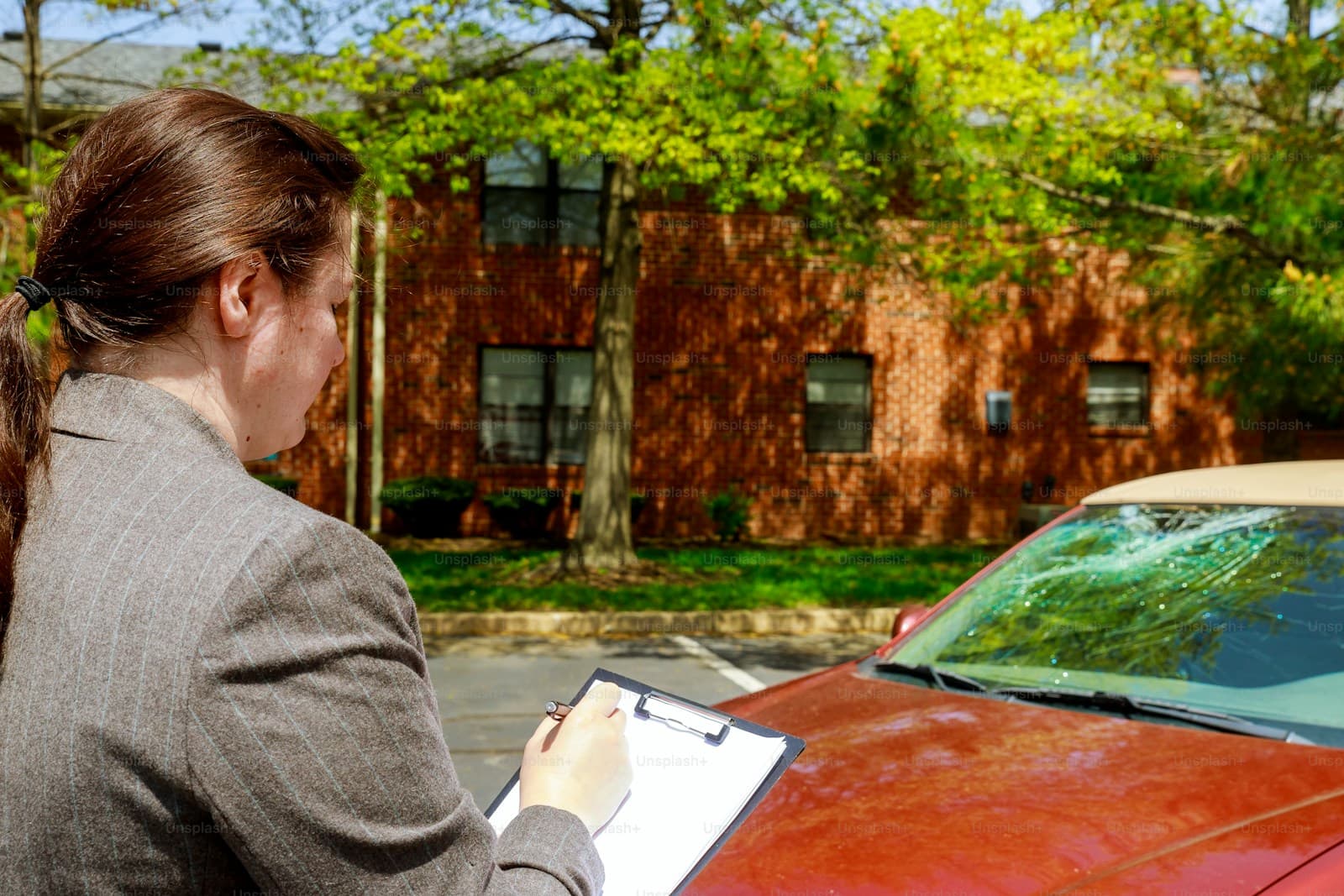
College students approved for Florida's Business Purpose Only license after DUI face a documentation trap most don't see coming: their court order lists approved purposes, but employers demand notarized affidavits the court never mentioned.
Why Your Court Order Isn't Enough for Your Employer's HR Department
You received your Florida Business Purpose Only license approval from the court. The order lists work, school, medical appointments, and church as approved purposes. You bring the stamped court document to your employer's HR department or your college's parking office, expecting clearance to drive during authorized hours. They reject it.
The problem: Florida statute 322.271 authorizes courts to issue BPO licenses, but it doesn't require employers to accept court orders as proof of employment necessity. Most HR departments and university parking offices require a separate employer affidavit or school enrollment verification letter stating your work or class schedule matches the hours listed in your court order. The court order proves DMV gave you restricted driving privileges. The employer affidavit proves your job or classes actually require driving during those hours.
College students hit this documentation gap hardest. Your university parking office won't issue a restricted parking permit based on a court order alone. They need verification from your academic advisor or registrar that your class schedule requires driving during BPO-approved hours. If you work part-time off campus, your employer's HR department needs a similar affidavit. You're stuck obtaining documentation the court never told you to gather before your hearing.
What Florida Courts Actually Issue When They Approve Your BPO Petition
Florida courts grant Business Purpose Only driving privileges through a formal order signed by a judge, typically 10-30 days after your hardship hearing. The order specifies approved purposes (business, employment, educational, church, medical), approved hours (often a daily time window like 6:00 AM to 10:00 PM), and the license duration (usually matches your DUI suspension period minus any mandatory hard suspension already served).
The order does NOT include employer contact information, your work address, your class schedule, or verification that you actually need to drive for the purposes listed. It's a legal permission document, not an employment verification document. When you file the order with Florida DMV along with proof of enrollment in DUI school and SR-22 insurance, DMV issues a restricted license with "Business Purposes Only" printed on the face. The physical license shows the restriction but doesn't list specific approved hours or destinations.
This creates the gap: your physical BPO license proves you're legally allowed to drive for approved purposes during approved hours. Your court order specifies what those purposes and hours are. But neither document proves you actually have a job, attend classes, or need medical treatment that requires driving. Employers and universities need that third piece of verification before they'll authorize parking or accept the license as valid for work purposes.
Compare car insurance rates in your state
Get quotes from licensed carriers — no obligation, no spam, results in minutes.
Get Your Free Quote✓ No Obligation Required✓ Licensed Carriers Only✓ Available Nationwide✓ Free to Compare
How to Structure an Employer Affidavit Florida HR Departments Will Accept
An effective employer affidavit for Florida BPO license verification contains five elements: your full name and employee ID, your work schedule with specific days and hours, your work address, a statement that your job duties require driving to and from work during the hours listed in your court order, and the employer's signature with company letterhead and date. The affidavit must be notarized in most cases.
For college students, the equivalent document is a class schedule verification letter from your registrar or academic advisor. It must include your student ID, enrolled courses with meeting days and times, campus address, and a statement that attending these classes requires transportation during your BPO-approved hours. University parking offices typically require this letter plus proof of vehicle registration before issuing a restricted parking permit.
Most employers don't have a standard BPO affidavit template because Florida law doesn't define required affidavit language. If your HR department doesn't know what to write, bring them a draft based on the five elements above. Some employers refuse to sign affidavits for restricted-license employees due to liability concerns. If your employer won't cooperate, you face a choice: find a different employer willing to sign, petition the court to modify your BPO order to include employer details (requires another hearing and fee), or lose the job because you can't legally commute.
The Timeline Gap Between Court Approval and Employment Clearance
Florida courts typically schedule BPO hardship hearings 15-30 days after you file your petition. If the judge approves your request, the signed order goes to DMV within 5-10 business days. DMV issues your physical BPO license another 7-14 days after receiving the court order, SR-22 certificate of insurance, and DUI school enrollment proof. Total timeline from petition filing to license in hand: 30-60 days in most Florida counties.
Employers and universities operate on different timelines. If you're a college student starting fall semester, parking offices stop issuing permits 1-2 weeks before classes begin. If you're employed and your DUI suspension started immediately after arrest, your employer may not hold your position for 60 days while you complete the BPO process. The documentation gap adds another 1-2 weeks: you receive your court order and physical license, discover your employer needs an affidavit, draft the affidavit, wait for HR to review and sign it, get it notarized, and submit it to parking or HR for final clearance.
This is why Florida DUI attorneys tell college students to begin the BPO petition process immediately after arrest, before the suspension effective date. Filing early doesn't shorten the court's timeline, but it prevents the 60-day process from overlapping with semester start dates or employer deadlines. Students who wait until their suspension starts often lose parking access for the first 4-6 weeks of the semester even after BPO approval.
What Happens When Your Work Schedule Changes Mid-Restriction
Your court order lists approved hours: Monday through Friday, 6:00 AM to 10:00 PM. Your employer affidavit states you work Monday, Wednesday, Friday from 9:00 AM to 5:00 PM. Three months into your restriction, your manager changes your schedule to Tuesday, Thursday, Saturday. You're still driving during court-approved hours, but you're no longer driving on the days your employer affidavit documented.
Florida law doesn't clearly define whether this constitutes a BPO violation. Your court order authorized business purposes during those hours on any day. Your employer affidavit proved you had a job requiring driving, but it didn't limit your driving to only the specific days listed. If you're stopped by law enforcement on a Saturday and your original affidavit lists Monday/Wednesday/Friday, the officer may treat it as driving outside your restriction and charge you with driving while license suspended (DWLS). That charge carries mandatory jail time in Florida for DUI-related suspensions.
The safe approach: petition the court to modify your BPO order whenever your work or class schedule changes substantially. Florida courts allow amendments to existing BPO orders without requiring a full new hearing in most counties, but you'll pay another filing fee (typically $50-$100) and wait 10-20 days for the amended order. Obtain a new employer affidavit reflecting the updated schedule. The alternative is risking a DWLS charge that revokes your BPO license entirely and extends your underlying suspension.
How SR-22 Filing Interacts With BPO Documentation Requirements
Florida requires SR-22 insurance filing for all DUI-related license suspensions before DMV will issue your Business Purpose Only license. The SR-22 certificate must remain active continuously for three years from your DUI conviction date. If your SR-22 lapses for any reason (missed payment, policy cancellation, switching carriers without filing a new SR-22), Florida DMV automatically suspends your BPO license and your underlying full license reinstatement eligibility.
Your employer doesn't monitor your SR-22 status, but they may require proof of current auto insurance as a condition of signing your affidavit or approving your vehicle for work purposes. If you're driving a personal vehicle for work duties (not just commuting), some employers require commercial auto or hired/non-owned auto coverage in addition to your personal SR-22 policy. College students parking on campus must provide proof of insurance to the parking office. That proof must show SR-22 endorsement if your license is restricted.
Non-owner SR-22 policies cover drivers who don't own a vehicle but need SR-22 filing to maintain BPO eligibility. These policies cost $25-$60/month from non-standard carriers like Dairyland, The General, or Direct Auto. If you're a college student using a parent's vehicle or relying on campus car-share programs, non-owner SR-22 maintains your filing requirement without insuring a specific vehicle. Your employer affidavit and parking permit still require proof of insurance, but the non-owner policy satisfies Florida's SR-22 mandate.
The Real Cost Stack for Florida College Students on BPO License
Florida's Business Purpose Only license process carries a cost structure most college students don't budget for until they're already committed. Court filing fees range from $50-$115 depending on county. If you hire an attorney to represent you at the hardship hearing (recommended for first-time petitioners), expect $500-$1,500 in legal fees. Florida DMV charges a $45 license reinstatement fee when you file your court order. DUI school enrollment (required before BPO approval) costs $275-$350 for the 12-hour Level I course.
SR-22 insurance adds $40-$120/month to your premium for non-standard coverage. If you're under 25 and attending college out of state, expect rates at the higher end. Multiply that monthly cost by 36 months (Florida's three-year SR-22 filing period) for a total insurance burden of $1,440-$4,320. If Florida requires ignition interlock device (IID) installation for your DUI case (mandatory for BAC over 0.15 or second offense), add $70-$150/month for IID monitoring and calibration.
Total first-year cost for a college student obtaining Florida BPO license after first-offense DUI: $2,500-$5,000+ depending on attorney fees, SR-22 rates, and IID requirement. That figure doesn't include increased tuition parking fees (some universities charge restricted-permit holders higher rates), notary fees for employer affidavits, or costs associated with amending your BPO order if your class or work schedule changes. Students who lose parking access or employment due to documentation gaps face indirect costs (Uber/Lyft to campus, lost wages) that often exceed the direct cost of the BPO process itself.