Georgia's limited driving permit allows work-related CDL operation after DUI suspension, but most commercial drivers don't realize DDS requires separate employer affidavits for each route destination and job site — generic HR letters citing 'work purposes' get rejected at the permit hearing.
Why Georgia's CDL Limited Permit Process Differs From Passenger Vehicle Permits
Georgia issues limited driving permits (LDPs) for commercial drivers post-DUI through the same administrative process as passenger vehicle permits, but DDS applies a stricter documentation standard. Passenger vehicle permits approve generalized 'work, school, medical' purposes with minimal employer verification. CDL permits require employer affidavits listing specific route destinations, delivery addresses, and job site locations by street address.
Most commercial drivers submit generic HR letters stating 'employee requires CDL for employment' and receive denial letters weeks later. DDS does not accept vague employment verification for CDL permits because Georgia law (O.C.G.A. § 40-5-64) requires the permit to specify approved driving locations and hours. CDL operation carries federal FMCSA compliance obligations that passenger vehicle operation does not — DDS administrative law judges scrutinize commercial route documentation accordingly.
The application timeline compounds the problem. Georgia DUI suspensions begin 45 days after arrest if administrative license suspension (ALS) proceedings are not contested, or 30 days after conviction if ALS was successfully challenged. CDL holders face a second federal disqualification under 49 CFR 383.51 that runs parallel to the state suspension, typically one year for a first DUI. The limited permit reinstates Georgia driving privileges but does not lift the federal disqualification — commercial drivers regain intrastate CDL operation only, not interstate.
Drivers who submit incomplete applications lose 15-20 days waiting for denial letters. Resubmission requires a new $25 application fee and restarts the 10-business-day processing window. Most CDL employers do not hold positions open 30+ days post-suspension.
What DDS Requires in the Employer Affidavit for CDL Permit Applications
Georgia DDS Form DDS-1221 (Affidavit of Employer) asks for employee name, employer contact, and 'reason driving is necessary.' CDL permit applications require the employer to attach a supplemental document listing: (1) all delivery route destinations by street address, (2) job site locations by street address, (3) approved driving hours per day, (4) vehicle class the employee will operate (Class A, B, or C), and (5) supervisor direct contact phone number for DDS verification calls.
DDS administrative law judges call listed supervisors during permit review to confirm route accuracy. Affidavits submitted without supervisor phone numbers or with HR department general lines trigger automatic follow-up requests, delaying approval 5-10 business days. Judges deny applications when called supervisors cannot verify the listed routes or when route lists appear fabricated (e.g., 40+ delivery stops listed without realistic time windows).
The affidavit must be notarized. Georgia accepts digital notarization under O.C.G.A. § 45-17-8, but the notary must be Georgia-commissioned or registered through the Secretary of State's remote notary registry. Out-of-state notarizations submitted without Georgia registration cause rejections.
Employers operating in multiple Georgia counties must list which county the employee's routes fall within. DDS issues permits valid only in the counties listed on the application. Drivers approved for Fulton County routes cannot legally operate in DeKalb County even if their employer assigns them there post-approval — permit amendments require reapplication and a second $25 fee.
Compare car insurance rates in your state
Get quotes from licensed carriers — no obligation, no spam, results in minutes.
Get Your Free Quote✓ No Obligation Required✓ Licensed Carriers Only✓ Available Nationwide✓ Free to Compare
How Federal CDL Disqualification Limits Georgia LDP Utility
Georgia's limited driving permit reinstates state-level driving privileges but does not override federal CDL disqualification. 49 CFR 383.51 disqualifies CDL holders for one year after a first DUI conviction, three years if the DUI occurred while operating a commercial vehicle, and lifetime for a second DUI. The federal disqualification applies nationwide and prohibits all commercial vehicle operation, intrastate and interstate.
Georgia DDS does not have authority to waive federal FMCSA disqualification periods. The limited permit allows CDL holders to drive commercial vehicles within Georgia for approved work purposes during state suspension, but only after the federal disqualification expires. A driver convicted of DUI in January 2024 faces Georgia suspension through January 2025 and federal disqualification through January 2025 — the LDP becomes usable only after both periods end simultaneously, or if Georgia's suspension runs longer than the federal period.
Most Georgia DUI suspensions for CDL holders last 12 months minimum for first offense, matching the federal disqualification window. Drivers who complete DUI Alcohol or Drug Use Risk Reduction Program (Risk Reduction) and apply for early reinstatement can shorten the state suspension to 120 days minimum under O.C.G.A. § 40-5-63.1, but the federal disqualification remains fixed at one year. The LDP grants legal state-level driving during months 5-12 of the federal disqualification, but FMCSA rules still prohibit commercial operation — the permit is unenforceable for CDL work until month 13.
Intrastate-only employers (construction companies, waste haulers, local delivery services operating exclusively within Georgia) can use Georgia LDP holders after the federal period expires. Interstate carriers subject to FMCSA Hours of Service rules cannot, even if routes never leave Georgia, because the employer's DOT operating authority classifies them as interstate.
Georgia Ignition Interlock Device Requirement for CDL Limited Permits
Georgia requires ignition interlock devices (IID) on all vehicles operated under a limited driving permit post-DUI, including commercial vehicles. O.C.G.A. § 40-5-64.1 mandates IID installation before LDP issuance. CDL applicants must submit proof of IID installation on the specific vehicle they will operate for work — DDS does not accept installation receipts for personal vehicles when the permit application requests commercial vehicle operation.
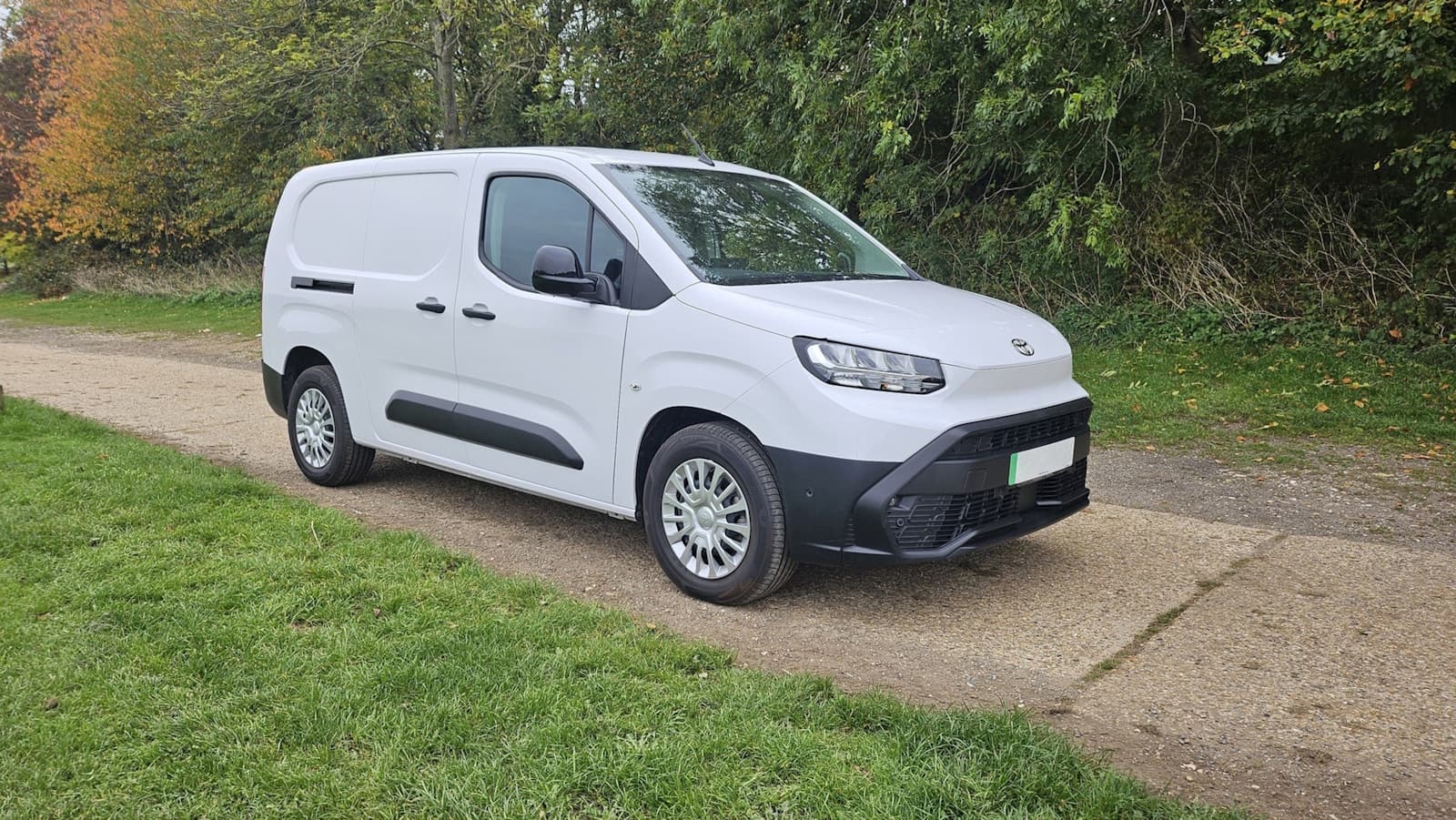
Commercial vehicle IID installation costs $150-$300 depending on vehicle class, plus $75-$100 monthly monitoring fees. Class A tractor-trailers require hardwired installations that void most lease agreements. Employers who lease commercial fleets from Penske, Ryder, or similar national lessors typically prohibit IID installation under lease terms — drivers cannot obtain permits for leased vehicles without employer-owned fleet alternatives.
Georgia-registered commercial vehicles operated under LDP must display IID certification decals on the driver's side door. FMCSA regulations do not prohibit IID use in commercial vehicles, but many shippers and receivers refuse to allow IID-equipped trucks on-site due to liability concerns. Drivers approved for delivery routes that include military bases, ports, or chemical plants often discover post-approval that site access policies prohibit IID vehicles, rendering the permit unusable for the approved routes.
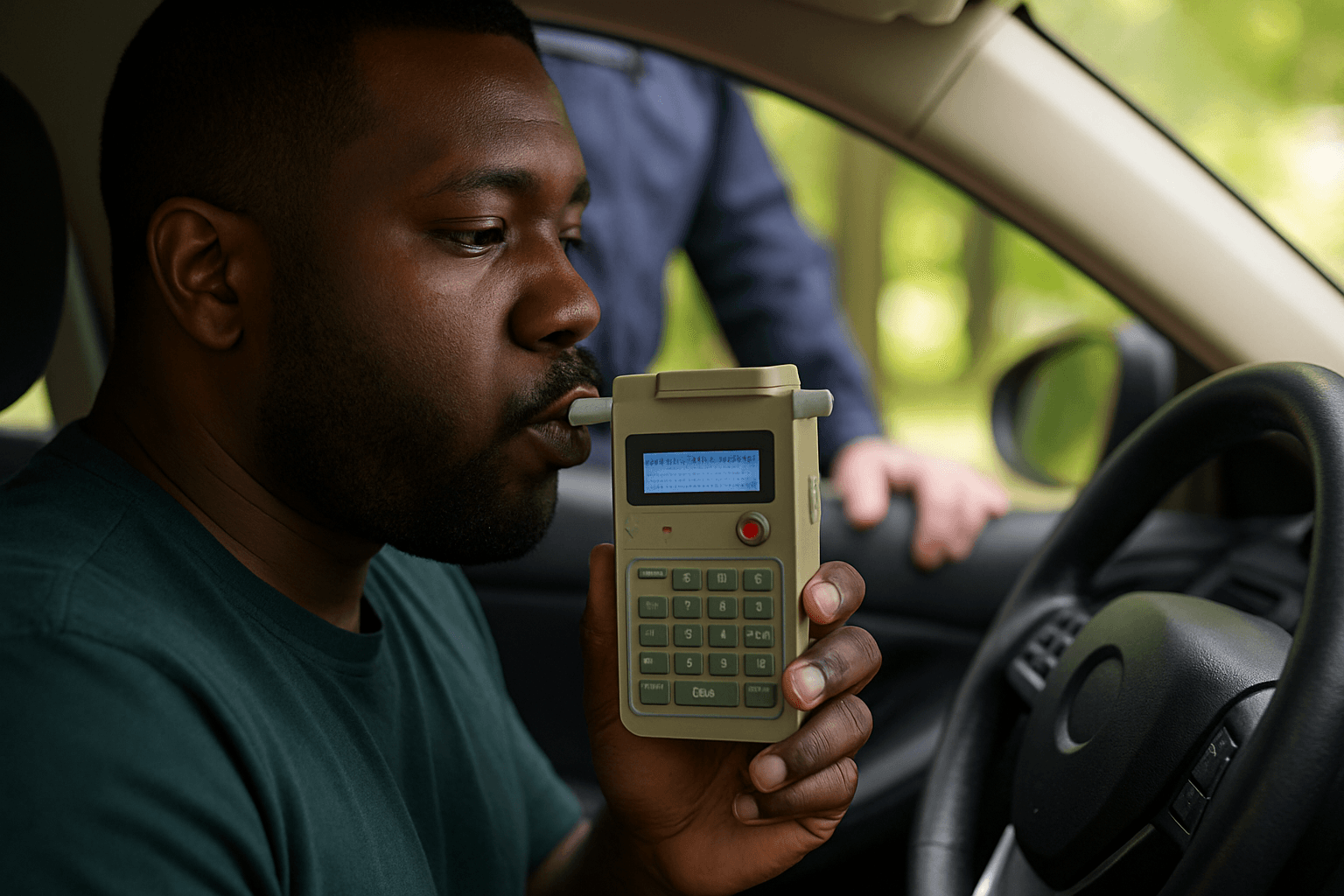
IID violation reports (failed breath tests, missed rolling retests, tamper alerts) are uploaded to Georgia DDS monthly. A single failed test triggers automatic LDP revocation under O.C.G.A. § 40-5-64.1(e). Reinstatement after IID revocation requires completion of the full original suspension period without LDP credit — drivers who violate IID terms in month 3 of a 12-month suspension restart the clock and serve 12 additional months.
Application Process and Timing for Georgia CDL Limited Permits
Georgia CDL holders apply for limited permits through DDS Customer Service Centers, not online. The application requires: (1) completed Form DDS-1221 with employer affidavit and route documentation, (2) proof of IID installation on the work vehicle, (3) certificate of enrollment in DUI Risk Reduction Program (not completion — enrollment is sufficient), (4) $25 application fee, and (5) SR-22 certificate of financial responsibility filed with Georgia DDS.
DDS processes CDL permit applications within 10 business days of submission if documentation is complete. Incomplete applications receive rejection letters without processing — applicants must resubmit from the beginning. Most rejections cite missing route-specific employer documentation or unverified IID installation.
Georgia allows LDP applications immediately after suspension begins. Drivers do not need to wait 30 days or serve a hard suspension period before applying, unlike many states. The federal CDL disqualification still applies during the Georgia LDP approval period, limiting practical utility as explained above, but the state administrative timeline runs parallel.
Approved permits are valid for the duration of the underlying suspension minus any early reinstatement periods. A driver suspended 12 months who applies in month 2 receives a permit valid through month 12. Permits expire automatically when the suspension ends — no separate termination step is required, but drivers must complete full reinstatement (payment of $210 restoration fee, proof of Risk Reduction completion, SR-22 filing) to regain unrestricted privileges.
DDS mails approved permits to the address on file. Permit cards must be carried during all approved driving. Georgia law enforcement officers verify LDP validity through GCIC database queries during traffic stops — the physical card alone is not proof of legal operation. Drivers stopped outside approved hours or locations face charges for driving on a suspended license (O.C.G.A. § 40-5-121), a misdemeanor carrying 2 days to 12 months jail and $500-$1,000 fines.
How SR-22 Filing Works for Georgia CDL Limited Permits
Georgia DDS requires SR-22 certificates of financial responsibility before issuing limited driving permits post-DUI. SR-22 is not insurance — it is a filing your insurer submits to DDS certifying you carry liability coverage meeting Georgia minimums: $25,000 bodily injury per person, $50,000 bodily injury per accident, $25,000 property damage. CDL operations require higher commercial liability limits set by FMCSA (minimum $750,000 for most interstate carriers, $1,000,000 for hazmat), but Georgia's SR-22 filing requirement references only the state statutory minimum, not federal operating authority requirements.
SR-22 filing adds $15-$50 to your policy, a one-time processing fee charged by the carrier. The larger cost is the premium itself. Georgia DUI convictions move drivers into non-standard insurance markets where liability-only policies run $140-$280/month depending on age, county, and violation history. Commercial vehicle policies with SR-22 endorsement cost significantly more — $400-$900/month is typical for owner-operators carrying $1,000,000 liability limits post-DUI.
Non-owner SR-22 policies cover drivers who do not own vehicles. CDL holders driving employer-owned commercial vehicles can file non-owner SR-22 to satisfy Georgia's LDP requirement without purchasing personal auto insurance. Non-owner SR-22 premiums post-DUI typically run $80-$150/month in Georgia. The employer's commercial auto policy covers the vehicle and cargo — the non-owner SR-22 satisfies DDS documentation requirements only.
Georgia requires SR-22 filing for three years post-DUI under O.C.G.A. § 40-5-57. The filing period begins when the suspension ends, not when it starts. Drivers suspended 12 months must maintain SR-22 for 36 months after reinstatement, totaling four years from conviction. Letting SR-22 lapse triggers automatic license re-suspension — carriers notify DDS electronically within 24 hours of policy cancellation, and DDS suspends without advance notice to the driver.
What Happens When Route Documentation Doesn't Match Actual Driving
Georgia LDP holders must drive only the routes, destinations, and hours listed on their approved permit. O.C.G.A. § 40-5-64 treats deviation as driving on a suspended license, even if the deviation occurs during approved work hours for the same employer. A driver approved for routes between a Marietta warehouse and five Fulton County delivery addresses cannot legally drive to a sixth address in Fulton County or to any address in Cobb County, even if dispatched by the same employer who submitted the original affidavit.
Employers who reassign drivers to different routes mid-permit must submit amended affidavits and pay a second $25 application fee. DDS processes amendments as new applications, requiring 10 business days. Drivers who begin operating new routes before amendment approval face criminal charges — intent to comply or employer instruction does not create a legal defense under Georgia law.
Georgia law enforcement officers do not carry copies of individual LDP route approvals during traffic stops. Officers verify permit validity through GCIC but cannot confirm whether a specific location falls within approved routes without contacting DDS administrative offices during business hours. Most officers issue citations for driving on suspended license when the stop location appears inconsistent with 'work purposes' (e.g., a CDL holder stopped at 2am in a county not listed on the permit). Drivers must appear in court with permit documentation to contest the charge — roadside verification is not available.
DDS revokes permits immediately upon receiving law enforcement reports of out-of-scope operation. Revocation is automatic and does not require a hearing. Drivers whose permits are revoked for route deviation must serve the remainder of the original suspension without LDP privileges and cannot reapply.