Georgia calls it a hardship license, and Atlanta drivers need to know whether they file through the DDS administrative process or request a court hearing — the paths are different, the costs stack fast, and the approval timeline determines whether you keep your job.
Which Hardship License Path Applies to Your Atlanta Suspension
Georgia DDS processes hardship licenses administratively for point suspensions, unpaid tickets, child support holds, and insurance lapses. You file Form DDS-866, pay the $25 application fee, submit SR-22 proof, and wait 10-15 business days for approval. No court hearing required.
DUI suspensions require a Superior Court petition filed in the county where you were arrested — for most Atlanta drivers, that's Fulton or DeKalb County. The court sets a hearing date 30-60 days out, you present employer documentation and proof of DUI Risk Reduction Program enrollment, and the judge decides whether to grant restricted driving privileges. DDS cannot issue hardship licenses for DUI cases; only the court can.
Child support delinquency suspensions require DDS administrative clearance plus a release letter from the Georgia Division of Child Support Services. You cannot file for hardship relief until DCSS confirms your compliance plan or arrears payment. Most Atlanta applicants wait 3-6 weeks for DCSS processing before DDS will accept the hardship application.
Atlanta Hardship License Costs: Filing Fees to SR-22 Premium
DDS administrative hardship applications cost $25 filing fee plus $210 reinstatement fee if your license was suspended. SR-22 filing adds $15-$25 to your insurance premium each month for the duration of your filing period — typically 3 years for DUI, 2 years for point suspensions, until compliance for child support cases.
Court-ordered hardship licenses (DUI cases) cost $300-$500 in court filing fees, $200-$400 for DUI Risk Reduction Program enrollment before the hearing, and $1,500-$3,000 in attorney fees if you hire counsel. Fulton County Superior Court charges $235 petition filing fee; DeKalb charges $215. The SR-22 premium runs an additional $180-$300 annually on top of your non-standard auto policy.
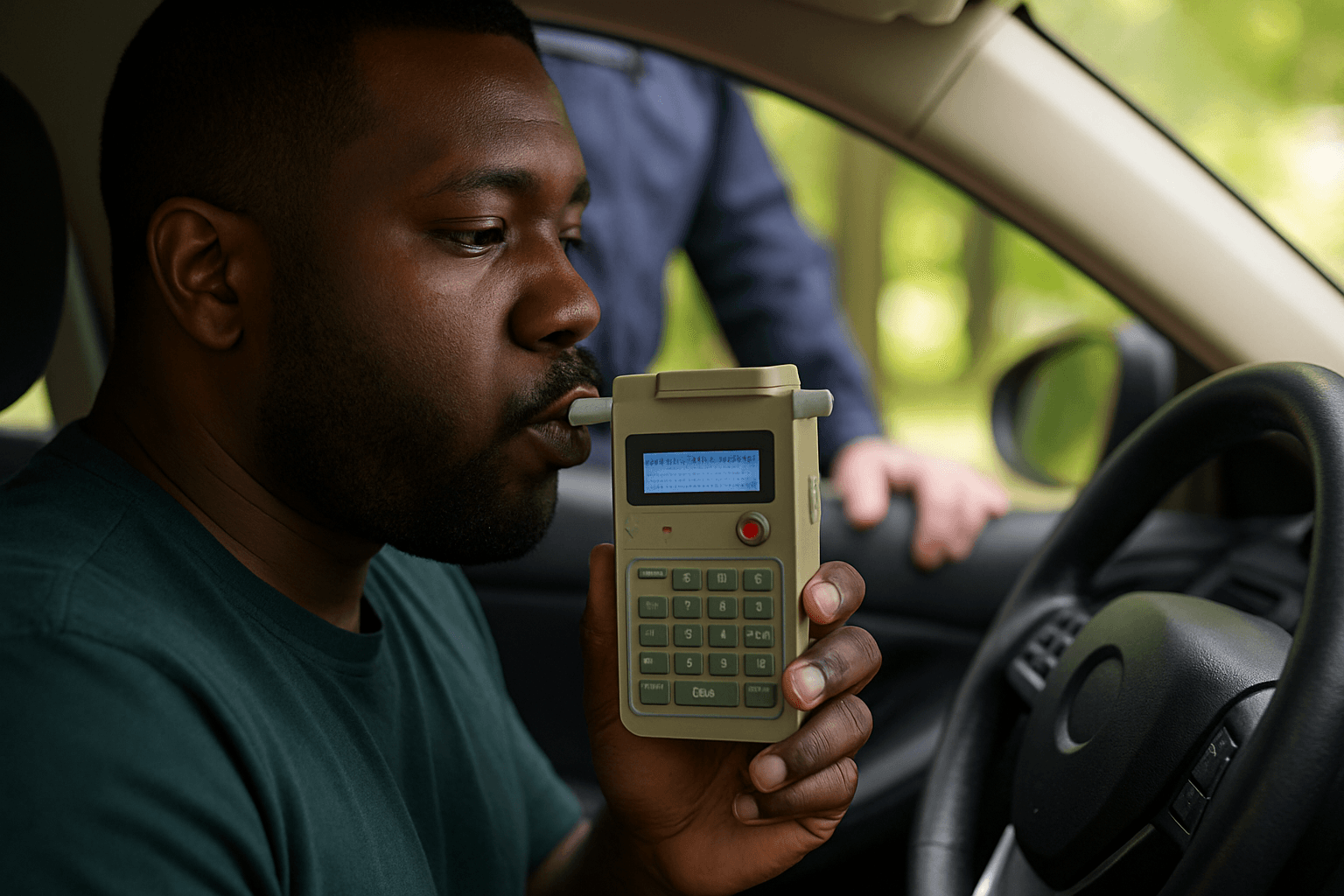
Ignition Interlock Device installation is required for all DUI hardship licenses in Georgia. Installation costs $75-$150, monthly monitoring runs $60-$90, and calibration visits every 30-60 days add $10-$20 per visit. Total IID cost over a 12-month hardship period: $850-$1,300. Budget $2,500-$5,000 total for a DUI hardship license in Atlanta from petition to approval.
Compare car insurance rates in your state
Get quotes from licensed carriers — no obligation, no spam, results in minutes.
Get Your Free Quote✓ No Obligation Required✓ Licensed Carriers Only✓ Available Nationwide✓ Free to Compare
What Georgia Hardship Licenses Actually Allow You to Drive For
Georgia hardship licenses restrict driving to work, school, medical appointments, court-ordered programs (DUI classes, community service), and childcare drop-off/pick-up for your dependents. The permit specifies approved addresses and approved hours — you list your employer address, work schedule, and any recurring medical or childcare locations on Form DDS-866 or in your court petition.
You cannot drive for errands, social events, or discretionary trips. Most hardship permits restrict driving to a 12-hour daily window — typically 6 AM to 6 PM for day-shift workers or 2 PM to 2 AM for night-shift workers. If your employer changes your shift or location after approval, you must file an amendment with DDS or return to court for modification.
Violating your hardship restrictions — driving outside approved hours, driving to unapproved locations, or failing to carry your hardship permit and SR-22 proof — triggers immediate revocation and extends your underlying suspension by 6-12 months. Atlanta police and Georgia State Patrol verify hardship compliance at every traffic stop by cross-referencing your permit conditions in the DDS database.
SR-22 Filing Requirements for Atlanta Hardship Licenses
Every Georgia hardship license requires continuous SR-22 filing for the full duration of your restricted driving period plus any remaining suspension time. Your insurance carrier files Form SR-22 electronically with Georgia DDS within 24-48 hours of binding your policy. DDS will not approve a hardship application without active SR-22 on file.
If your SR-22 lapses — because you cancel your policy, miss a payment, or switch carriers without maintaining continuous coverage — DDS receives automatic notification within 10 days and suspends your hardship license immediately. You must refile SR-22, pay a $25 lapse reinstatement fee, and restart your filing clock from day one in most cases.
Atlanta drivers need non-owner SR-22 policies if they don't own a vehicle but need hardship driving privileges. Non-owner SR-22 costs $30-$60/month and covers you when driving borrowed or employer-owned vehicles. Standard SR-22 policies covering your own vehicle run $90-$180/month for drivers with DUI or multiple violations. Expect 6-12 carriers to quote you in the Atlanta non-standard market.
How Long Atlanta Hardship License Approval Actually Takes
DDS administrative hardship applications take 10-15 business days from filing to approval if all documents are complete. Atlanta drivers filing at the Conyers or Norcross DDS Customer Service Centers can submit in person and receive conditional approval the same day if SR-22 is already on file and reinstatement fees are paid.
Court-ordered DUI hardship petitions in Fulton and DeKalb counties take 45-90 days from filing to final approval. The court schedules your hearing 30-60 days out, the judge issues an order within 7-14 days if approved, and you take the signed order to DDS for license issuance. DDS processes court orders in 3-5 business days once submitted with SR-22 proof and payment.
Waiting period eligibility matters. Georgia allows hardship applications immediately for point suspensions and child support holds. DUI suspensions require 30 days served before you can petition the court for hardship relief. Refusal suspensions (refusing a breathalyzer) require 12 months served before hardship eligibility. Most Atlanta employers do not wait 45-90 days, so DUI petitioners often lose their job before the hearing date arrives.
Which Carriers Write SR-22 Hardship Policies in Atlanta
Atlanta's non-standard SR-22 market is concentrated among 8-12 carriers willing to write hardship drivers: Bristol West, Dairyland, Direct Auto, GAINSCO, The General, Safe Auto, Acceptance Insurance, and National General. Progressive and GEICO write limited hardship cases if your violation is isolated and your credit is clean.
Direct Auto operates 6 storefront locations in metro Atlanta and specializes in same-day SR-22 filing for hardship applicants. GAINSCO and Bristol West offer online quotes but require 24-48 hours for underwriting approval. Acceptance Insurance writes drivers with multiple DUIs but charges 40-70% higher premiums than single-violation cases.
Carriers require employer verification for hardship policies — a signed letter on company letterhead confirming your job title, work address, and shift hours. Some carriers request paycheck stubs or an HR contact for callback verification. If you're self-employed, you need a business license or tax return proving active income. No carrier will issue a hardship SR-22 based solely on your stated employment without documentation.
What Happens If You Violate Your Atlanta Hardship License
Georgia DDS revokes your hardship license immediately upon any traffic violation, at-fault accident, or out-of-scope driving incident. You return to full suspension status, lose hardship privileges for the remainder of your suspension period, and face an additional 6-12 month extension depending on the violation type.
Driving outside approved hours or locations triggers automatic revocation even if no citation is issued — if you're stopped at 9 PM and your hardship permit expires at 6 PM, the officer reports the violation to DDS and your permit is cancelled within 48 hours. Speeding tickets, running red lights, or any moving violation while on hardship status extends your underlying suspension and disqualifies you from reapplying for hardship relief for 12 months.
SR-22 lapse during your hardship period resets your filing clock and suspends your hardship license. Atlanta drivers who switch jobs or move must file a hardship amendment within 10 days or risk revocation. Fulton and DeKalb County courts issue bench warrants for drivers who violate court-ordered hardship conditions — missing a DUI class or skipping an IID calibration appointment can trigger contempt charges and jail time.