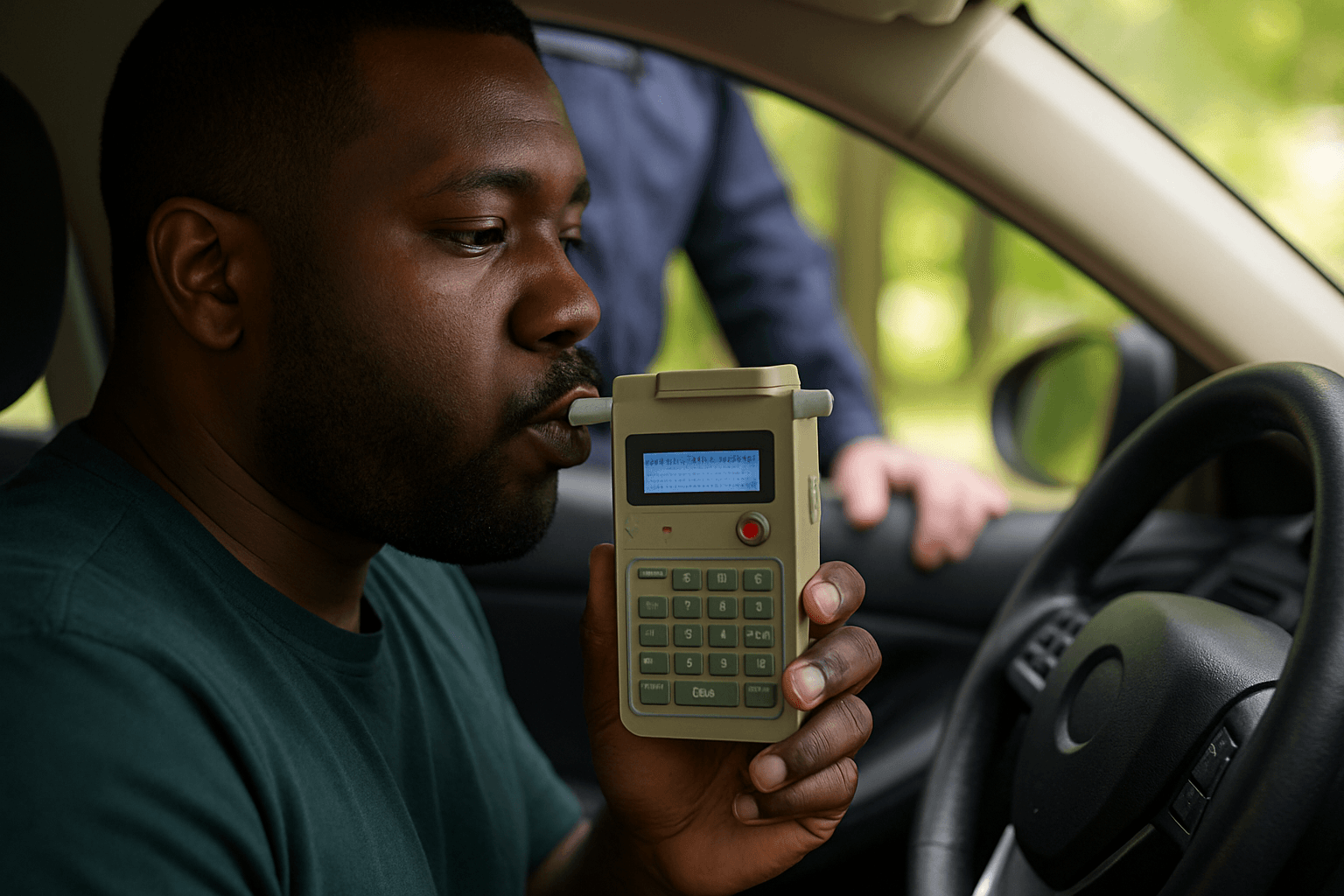
You lost your license in Georgia and need to drive to work. Here's the exact court hearing process, DMV reinstatement path, fees, and timeline to get your hardship license in Savannah.
Georgia Hardship License Requires Court Hearing Plus DMV Reinstatement
Georgia does not issue hardship licenses through administrative DMV process. You must petition the court that suspended your license for a limited driving permit, then complete a separate reinstatement process with the Georgia Department of Driver Services before you can legally drive. The court hearing typically occurs 30-120 days after your suspension begins, depending on case backlog in Chatham County. Most drivers assume court approval means immediate driving privileges — it does not. You must file SR-22 proof of insurance, pay reinstatement fees, and receive DDS confirmation before operating a vehicle under the permit.
Chatham County State Court handles most hardship hearings for DUI suspensions at 133 Montgomery Street in Savannah. Traffic violations and administrative suspensions go through Recorder's Court at the same building. Court filing fees run $150-$250 depending on suspension type. DDS reinstatement fees add another $210-$410. SR-22 insurance filing with a high-risk carrier typically costs $80-$180 per month on top of your base policy premium.
The dual-path requirement catches most drivers off guard. You need attorney representation for the court hearing, proof of employment or hardship documentation, and a carrier willing to write SR-22 coverage before you file your petition. Without all three pieces ready, the court denies the petition and you wait another 30-90 days to refile.
Who Qualifies for a Hardship License in Savannah
Georgia grants hardship permits only for specific suspension types. DUI first offense makes you eligible after 30 days of hard suspension. Refusal to submit to chemical testing requires 12 months before you can apply. Multiple DUI offenses, hit-and-run convictions, and vehicular homicide cases face longer or permanent ineligibility. Administrative license suspensions for point accumulation or insurance lapses have separate timelines — typically 60 days for lapse-related suspensions.
The court requires documented proof of hardship. Employment verification from your employer showing work location, hours, and job-loss consequences without driving privileges is mandatory. Medical hardship requires physician documentation of ongoing treatment needs. Educational hardship needs school enrollment verification and proof no public transportation serves your route. The court does not consider inconvenience or preference — you must prove loss of livelihood or critical care access.
Chatham County judges deny roughly 40% of first-time hardship petitions for insufficient documentation or premature filing before the mandatory waiting period ends. Attorney representation increases approval rates significantly, but adds $800-$2,000 to your total cost.
Compare car insurance rates in your state
Get quotes from licensed carriers — no obligation, no spam, results in minutes.
Get Your Free Quote✓ No Obligation Required✓ Licensed Carriers Only✓ Available Nationwide✓ Free to Compare
Hardship License Application Process and Timeline in Savannah
File your hardship petition with the clerk at Chatham County State Court. You need the completed petition form, proof of SR-22 insurance filing, employer hardship letter, DDS-certified driving record, and filing fee payment. The court schedules your hearing 3-8 weeks after filing. Solicitor's office receives notice and may object based on your driving history or original offense severity.
The hearing lasts 10-20 minutes. You present employment documentation, explain why driving is essential, and answer judge questions about the original offense and rehabilitation efforts. The solicitor may cross-examine or recommend denial. Judges approve permits with strict conditions: work and work-related purposes only, specific approved hours (typically 6am-7pm Monday-Saturday), no personal errands, no alcohol in your system ever, and IID installation if DUI-related.
Court approval is not a license. After the judge grants your petition, you take the signed order to any Georgia DDS office — the Pooler location at 150 Carl Griffin Drive handles most Savannah-area reinstatements. You submit the court order, pay reinstatement fees, provide SR-22 proof, and receive a limited permit card. The entire process from petition filing to permit in hand runs 6-12 weeks in Chatham County depending on court calendar and DDS processing times.
SR-22 Insurance Filing for Georgia Hardship License
Georgia SR-22 filing must stay active for the full duration of your hardship permit plus any additional suspension period. DUI first offense requires 3 years of continuous SR-22 coverage. Any lapse triggers automatic license re-suspension, voids your hardship permit, and restarts your SR-22 clock at day zero. The court will not grant a second hardship petition after SR-22 lapse in most cases.
Not every carrier writes policies for suspended drivers with hardship permits. Standard carriers like State Farm and GEICO typically decline. Non-standard SR-22 carriers operating in Savannah include The General, Direct Auto, Acceptance Insurance, and Dairyland. Monthly premiums range from $120-$280 for liability-only coverage with SR-22 filing, compared to $65-$110 for standard drivers. Your rate depends on the suspension cause, prior violations, age, and zip code.
Your carrier files the SR-22 electronically with Georgia DDS within 24-48 hours of policy purchase. You need the filed SR-22 confirmation before your hardship hearing — judges require proof you have coverage ready before granting the permit. Never let the policy lapse. Set up automatic payment and monitor your bank account to prevent declined charges that cancel the policy.
Total Cost and Fees for Savannah Hardship License
Court filing fee: $150-$250 depending on suspension type and county processing. Attorney fees for petition and hearing representation: $800-$2,000 for experienced DUI defense counsel in Chatham County. Georgia DDS reinstatement fee: $210 for administrative suspensions, $410 for DUI-related suspensions. SR-22 filing fee: $25-$50 one-time carrier processing charge. First month SR-22 insurance premium: $120-$280.
Total upfront cost before you can drive: $1,305-$2,990. Ongoing monthly SR-22 insurance: $120-$280 for 36 months minimum on DUI cases. Total three-year cost including insurance runs $5,600-$13,070 depending on your carrier, coverage limits, and violation history.
IID installation and monitoring adds another cost layer if required. Installation runs $75-$150. Monthly monitoring fees cost $60-$90. DUI offenders typically face 12-month IID requirements, adding $795-$1,230 to the total. Budget for the full stack before filing your petition — the court expects you to comply immediately after approval.
Hardship Permit Restrictions and Violation Consequences
Georgia hardship permits authorize driving for work, medical appointments, DUI school (if required), and court-ordered obligations only. The permit lists your approved hours and purposes. Driving outside those windows or for unauthorized reasons violates the permit terms. You cannot drive to grocery stores, restaurants, family visits, or recreational activities even during approved hours.
Law enforcement sees your hardship status when they run your license. Any traffic stop outside approved parameters results in immediate permit revocation, extension of your underlying suspension, and potential criminal charges for driving on a suspended license. Chatham County takes violations seriously — judges rarely grant second hardship petitions after revocation.
Alcohol violations carry the harshest consequences. Any detectable alcohol in your system while driving on a hardship permit — even under 0.08% — triggers automatic permit revocation, DUI charge, and extended suspension. IID-equipped vehicles lock the ignition for failed breath tests, but also report violations to the court. You cannot have passengers blow into the device to bypass restrictions — rolling retests and camera verification catch that immediately.
What Happens After Your Hardship Permit Period Ends
Georgia hardship permits do not convert to full licenses automatically. When your suspension period ends, you file for full license reinstatement with DDS. You need proof of completed DUI school, risk reduction course certificates, paid fines and fees, and continuous SR-22 coverage throughout the suspension. The SR-22 requirement continues for the full 3-year period even after you regain full driving privileges.
DDS reviews your compliance record before approving reinstatement. Any permit violations, SR-22 lapses, or incomplete requirements extend your suspension. Clean compliance results in same-day reinstatement at most DDS offices. You pay a reinstatement fee (if not already paid), surrender your limited permit, and receive a standard Georgia license.
Your SR-22 requirement stays active after reinstatement. Maintain the policy and filing until DDS sends written confirmation your SR-22 period has ended. Most carriers notify you 30 days before the requirement expires. Contact DDS to verify your end date before canceling — premature cancellation restarts the clock and re-suspends your license.