Georgia's hardship hearing requires employer documentation, proof of SR-22 filing, and in most DUI cases, IID installation confirmation before the judge will consider your application. Here's how to coordinate all three without missing your employer's deadline.
Why Georgia Requires SR-22 Filing Before Your Hardship Hearing
Georgia judges expect proof of SR-22 filing at your hardship hearing, not after approval. This creates a coordination problem most applicants discover too late: you need a carrier willing to bind SR-22 coverage and file with the Georgia Department of Driver Services before you have a hardship license to insure.
Not all non-standard carriers will do this. Some refuse to file SR-22 until a restricted license is issued. Others will file early but require full payment upfront, sometimes 6 months in advance. The carriers most willing to file pre-hearing are Bristol West, The General, Acceptance, and Direct Auto, but availability varies by county and violation type.
Start carrier outreach 10-14 days before your hearing date. Request written confirmation of SR-22 filing, not just a quote. Bring that confirmation letter to the hearing. Judges view pre-filed SR-22 as evidence you are serious about compliance. Missing it often results in continuance, which resets your timeline by 30-60 days.
What Employer Documentation the Court Actually Accepts
Georgia hardship hearings require employer documentation proving employment necessity. The court will not accept a handwritten note from your manager. Acceptable formats: employer letter on company letterhead with supervisor signature, HR-issued employment verification form, or a notarized affidavit from your employer.
The letter must state your job title, work address, shift hours, and a direct statement that your job requires driving or that no public transit alternative exists to reach your workplace. Generic letters that omit shift hours or work location get rejected. If your employer uses a third-party HR service like ADP or Paychex, request the verification through that system. Those letters meet court standards.
Bring two copies to the hearing: one for the judge, one for the court file. If your employer cannot or will not provide documentation, the hearing will be denied. Some employers refuse on policy grounds or because they do not want liability exposure. In that case, you need a new job with an employer willing to document, or you wait out the full suspension period without a hardship license.
Compare car insurance rates in your state
Get quotes from licensed carriers — no obligation, no spam, results in minutes.
Get Your Free Quote✓ No Obligation Required✓ Licensed Carriers Only✓ Available Nationwide✓ Free to Compare
IID Installation Timing and Hardship License Approval
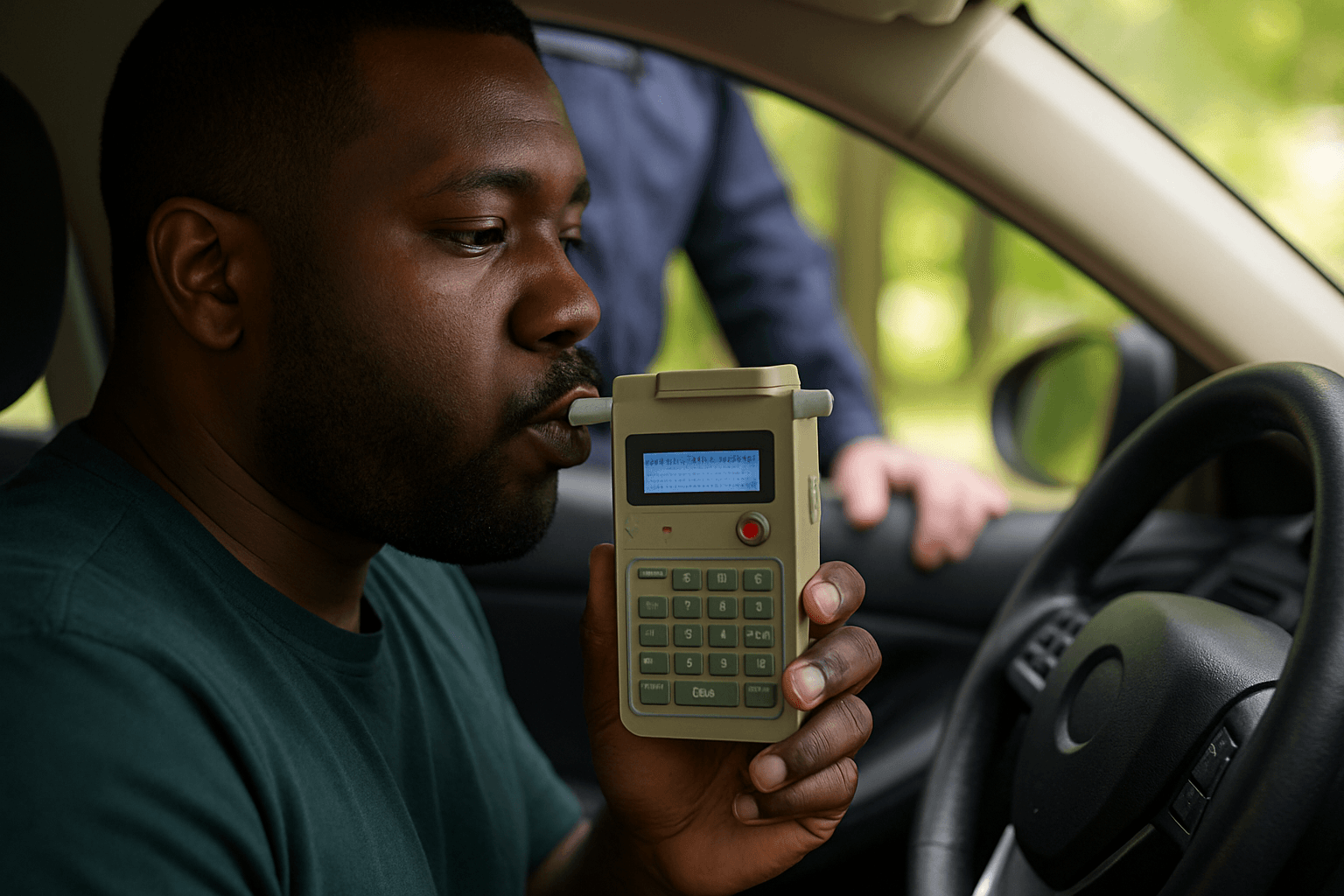
Georgia DUI-based hardship licenses require ignition interlock device installation before the hearing in most jurisdictions. Fulton, DeKalb, Gwinnett, Cobb, and Cherokee County judges will not grant a hardship license without proof of IID installation at the hearing. This is not a post-approval step.
IID providers in Georgia include Intoxalock, LifeSafer, Smart Start, and Guardian Interlock. Installation costs $75-$150, plus $75-$90 monthly monitoring. You must install the device on the vehicle listed on your SR-22 policy. If you do not own a vehicle, Georgia allows IID installation on a vehicle you have documented permission to drive, typically a family member's car with a notarized letter.
Bring the IID installation certificate to your hearing. The certificate includes the device serial number, installation date, and calibration schedule. Judges verify the serial number matches the vehicle VIN listed on your SR-22 filing. Mismatched documents result in denial. If your vehicle is not IID-compatible due to age or ignition type, you will need access to a compatible vehicle before the hearing date.
Coordinating SR-22 Carrier, IID Provider, and Hearing Date
The coordination sequence matters. Call the SR-22 carrier first, confirm they will file before the hearing, and get the vehicle VIN added to the policy. Then schedule IID installation on that same vehicle. Then request employer documentation. Most applicants do this backward and end up with mismatched paperwork.
SR-22 carriers require the vehicle VIN before filing. IID providers require proof of insurance before installation. Your employer letter must list the same work address and hours you stated on your hardship application. If any document contradicts another, the judge will continue the hearing and require corrected filings.
Timeline: contact carriers 14 days before hearing, bind coverage and get SR-22 filing confirmation by day 10, schedule IID installation for day 7-8, request employer letter by day 5, receive all three documents by day 3. Bring originals to the hearing, not photocopies. Georgia judges do not accept emailed or faxed documents as primary evidence.
What Happens If Your SR-22 Lapses During Hardship License Period
Georgia hardship licenses are conditional on continuous SR-22 filing. If your SR-22 lapses for any reason during the hardship period, the Georgia DDS receives automatic notice from your carrier within 10 days and your hardship license is suspended immediately. There is no grace period.
Lapse happens when you miss a premium payment, cancel your policy, or switch carriers without overlapping coverage. Switching carriers requires the new carrier to file SR-22 before the old carrier cancels. Most non-standard carriers will not coordinate this. If you must switch, pay for one month of overlap to avoid a gap.
Reinstating a hardship license after SR-22 lapse requires a new hearing, new SR-22 filing, new IID installation certificate if applicable, and a new $210 reinstatement fee. Most judges treat lapse as evidence of non-compliance and deny the second application. If you cannot afford the premium, contact your carrier about payment plans before missing a due date. Some will restructure. None will forgive a lapse.
Cost Stack and Payment Timing for Georgia Hardship Applicants
Georgia hardship license applicants face four cost layers before the hearing: SR-22 insurance premium, IID installation and monthly fees, court filing fee, and employer documentation costs if using a notary or third-party service. Total upfront cost typically runs $1,200-$2,500 depending on violation type and county.
SR-22 premium for DUI applicants in Georgia averages $180-$320/month for liability-only coverage through non-standard carriers. Most require 3-6 months paid upfront. IID installation is $75-$150 plus $75-$90/month. Court filing fee for hardship petition is $150-$250 depending on county. If you hire an attorney to prepare the petition, add $500-$1,500.
Payment timing matters. Carriers will not file SR-22 without payment cleared. IID providers will not install without proof of insurance. The court will not schedule a hearing without the filing fee paid. Budget for all four costs before starting the application process. Partial funding does not move the process forward.