Georgia requires a 30-day waiting period before you can apply for a hardship license after most DUI suspensions. Start gathering employer documentation, court disposition papers, and SR-22 filing proof now — your hearing date comes faster than you think.
When the 30-Day Waiting Period Actually Starts in Georgia
Georgia's 30-day waiting period begins the date Georgia DDS mails your suspension notice, not the date of your arrest or court conviction. If your DUI arrest occurred January 15 but DDS didn't issue the suspension notice until February 10, your earliest hardship hearing eligibility is March 12. Most drivers count from the wrong date and apply too early, which resets the clock.
The confusion stems from Georgia's dual-track suspension system. Your court case and your administrative license suspension run on separate timelines. The hardship license application follows the administrative suspension timeline only. Check the date on your DDS Form 1205 or DDS-controlled substance suspension notice — that is day zero.
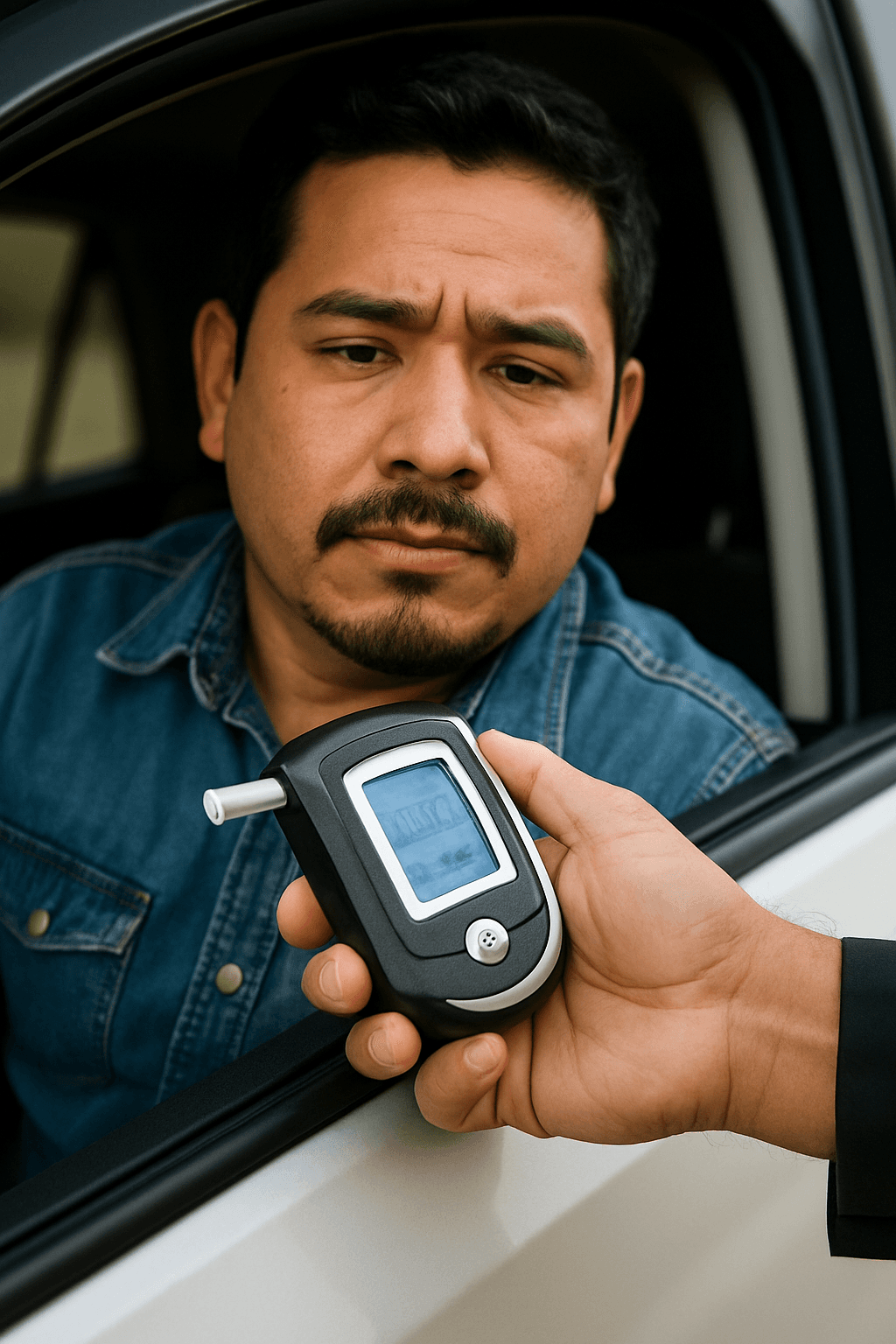
If you refused a breathalyzer test, the waiting period is 12 months for a first refusal, not 30 days. Hardship privileges for refusal cases do not become available until you have served one full year of the suspension. DDS does not grant exceptions for employment hardship in refusal cases during the first 12 months.
What Documents to Gather Before Your Hardship Hearing Date
Georgia DDS requires employer verification on company letterhead, signed by a supervisor or HR representative, stating your job title, work address, required work hours, and a statement that loss of driving privilege will result in termination. The letter must be dated within 30 days of your hearing. A pay stub or business card is not sufficient.
You need your court disposition showing final sentencing for the underlying DUI or violation. If your case is still pending, hardship eligibility does not begin until sentencing is complete. DDS will not schedule a hearing without proof of case resolution. If you completed a pretrial diversion program, bring the certificate of completion and dismissal order.
SR-22 filing must be active and on file with DDS before your hearing date. Georgia requires continuous SR-22 coverage for three years from reinstatement for a first DUI, five years for a second. If your SR-22 lapses even one day during the hardship period, DDS revokes the hardship license immediately and you restart the waiting period from zero. Confirm with your carrier that the SR-22 electronic filing shows as received in the DDS system — not just issued by the carrier.
Compare car insurance rates in your state
Get quotes from licensed carriers — no obligation, no spam, results in minutes.
Get Your Free Quote✓ No Obligation Required✓ Licensed Carriers Only✓ Available Nationwide✓ Free to Compare
How to Request Your Hardship Hearing and What It Costs
Submit Form DDS-17 (Petition for Ignition Interlock Device Limited Driving Permit) to your local DDS Customer Service Center or mail it to the address listed on your suspension notice. Georgia's hardship license is officially called a Limited Driving Permit and requires ignition interlock device installation for all DUI-related suspensions, first offense or repeat.
The hearing fee is $25, payable at the time of filing. If approved, you pay a $25 permit issuance fee. IID installation costs $75–$150 upfront, plus $60–$100 monthly monitoring and calibration fees. SR-22 insurance for a DUI typically runs $120–$200 per month in Georgia. Total first-month cost to obtain and maintain a hardship license: $400–$550. Monthly recurring cost: $180–$300.
DDS schedules most hearings within 10–20 business days of receiving your petition. You receive written notice of your hearing date and location. Hearings occur at DDS offices, not courthouses. The hearing officer is a DDS employee, not a judge. They have full discretion to approve, deny, or impose additional restrictions beyond the standard work-only scope.
What Routes and Hours Georgia Hardship Licenses Actually Permit
Georgia Limited Driving Permits restrict you to driving for employment purposes only, using the most direct route between home and work during approved work hours. The permit does not cover grocery trips, medical appointments, school drop-offs, or errands — employment only. If your job requires driving to multiple job sites, your employer letter must list all addresses and explain why multiple locations are necessary.
The hearing officer sets your approved hours based on your employer's letter. If you work 9 a.m. to 5 p.m., your permit allows driving during that window plus reasonable commute time. Working a night shift, split shift, or variable schedule requires detailed documentation. The officer may deny permits for jobs with inconsistent hours if they believe the schedule creates enforcement problems.
Violating the permit restrictions — driving outside approved hours, driving for non-work purposes, or driving without the required IID — results in immediate revocation and criminal charges for driving on a suspended license. Georgia law enforcement has access to your permit restrictions in real time during traffic stops. A violation extends your underlying suspension and often triggers additional jail time under the original DUI sentencing terms.
How the Ignition Interlock Requirement Works for Georgia Hardship Licenses
Georgia requires IID installation on any vehicle you operate under a Limited Driving Permit, even for a first DUI. You must install the device before your permit becomes valid. The IID provider gives you a certificate of installation, which you present to DDS to receive the physical permit card. Driving on the permit without an installed and monitored IID is a misdemeanor.
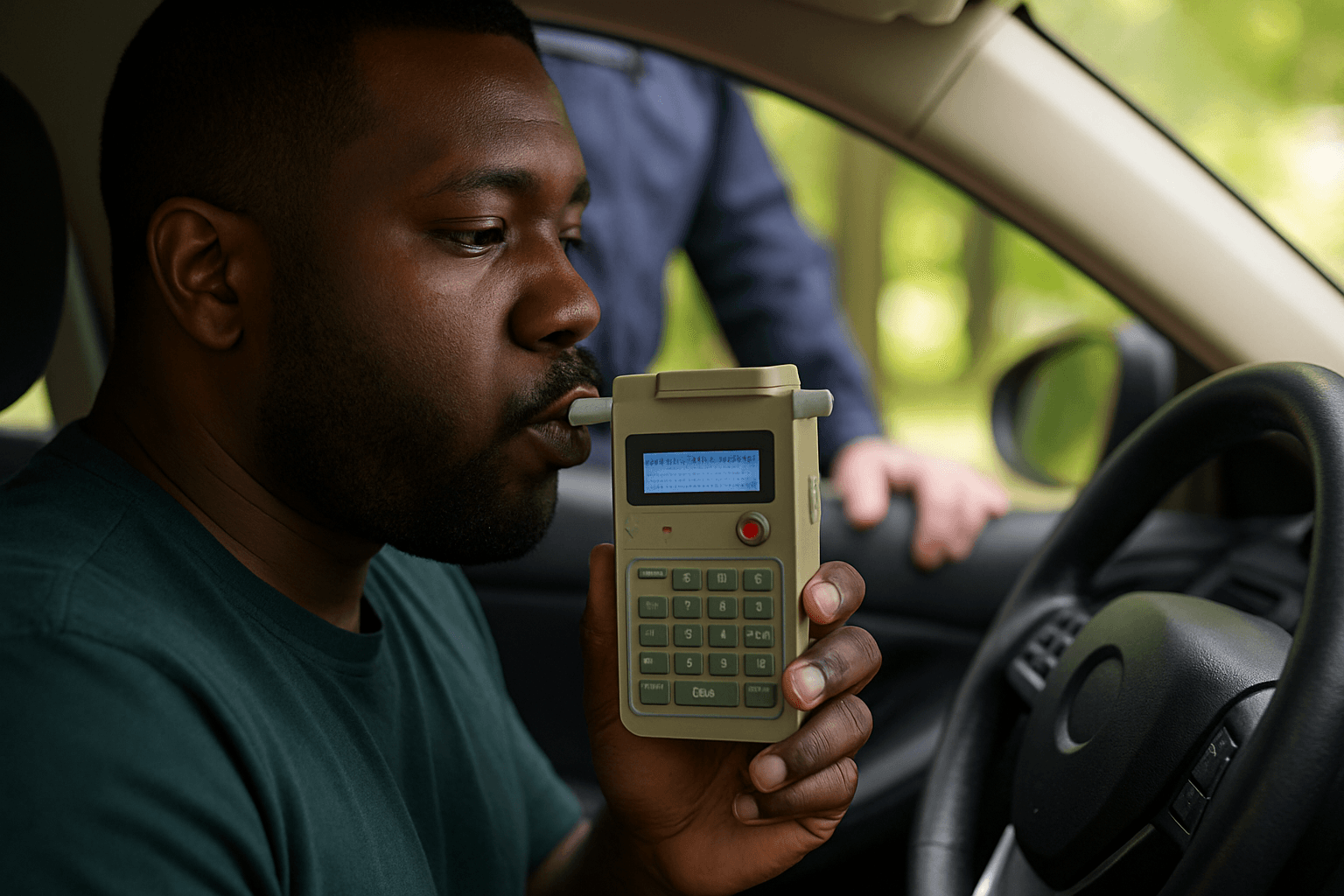
The device requires a clean breath sample to start the vehicle and random rolling retests while driving. A failed test locks the vehicle at the next safe stop and logs a violation in the state monitoring system. Two failed tests within the permit period usually result in revocation. The IID also logs your driving patterns — if you drive outside approved hours or to non-approved locations, the data goes to DDS.
If you do not own a vehicle, you still need IID installed on any vehicle you plan to drive under the permit. Borrowing a family member's car requires IID installation on that vehicle, at your expense, for the full permit period. Some employers allow IID installation on company vehicles; most do not. If you cannot secure a vehicle with IID, you cannot receive a hardship permit regardless of employment need.
Where to Find SR-22 Coverage That Works with Georgia Hardship Applications
Georgia requires SR-22 filing as proof of financial responsibility before approving any hardship license. Standard carriers like State Farm and Allstate typically non-renew policies after a DUI conviction. Non-standard carriers that write SR-22 policies in Georgia include The General, Direct Auto, Acceptance Insurance, Dairyland, GAINSCO, and Safe Auto.
SR-22 is not a separate policy — it is a certificate your auto insurance carrier files with DDS certifying you carry at least Georgia's minimum liability limits: $25,000 per person, $50,000 per accident for bodily injury, and $25,000 for property damage. The SR-22 filing itself costs $25–$50. The premium increase comes from being reclassified as high-risk after the DUI. Expect total premiums 70–140% higher than your pre-DUI rate.
Some drivers qualify for non-owner SR-22 policies if they do not own a vehicle but need to meet the filing requirement. Non-owner policies provide liability coverage when you drive a vehicle you do not own. Monthly cost: $40–$80 plus the SR-22 filing fee. This option works only if you have regular access to a vehicle with IID already installed — a family member's car, for example.
What Happens If Your Hardship Application Is Denied
DDS denies hardship applications for insufficient documentation, failure to meet the waiting period, active warrants, unpaid DUI fines, incomplete DUI Risk Reduction Program, or no verified employment need. A denied application does not prohibit reapplication. You can refile once you correct the deficiency, but you pay the $25 filing fee again and wait for a new hearing date.
If denied due to employment documentation issues, obtain a revised employer letter with more specific detail and resubmit within 10 days. If denied due to incomplete DUI school, you must finish the state-approved Risk Reduction Program and provide the certificate before reapplying. Program cost: $275–$360. Completion time: 20 hours over multiple weeks.
Some drivers pursue full license reinstatement instead of hardship permits if their suspension period is short. A first DUI with no refusal carries a 12-month suspension, but you may be eligible for reinstatement after 120 days if you complete DUI school, install IID, and maintain SR-22. Reinstatement allows unrestricted driving (with IID) versus the narrow work-only scope of a hardship permit. Reinstatement fee: $210 or $410 depending on violation specifics.