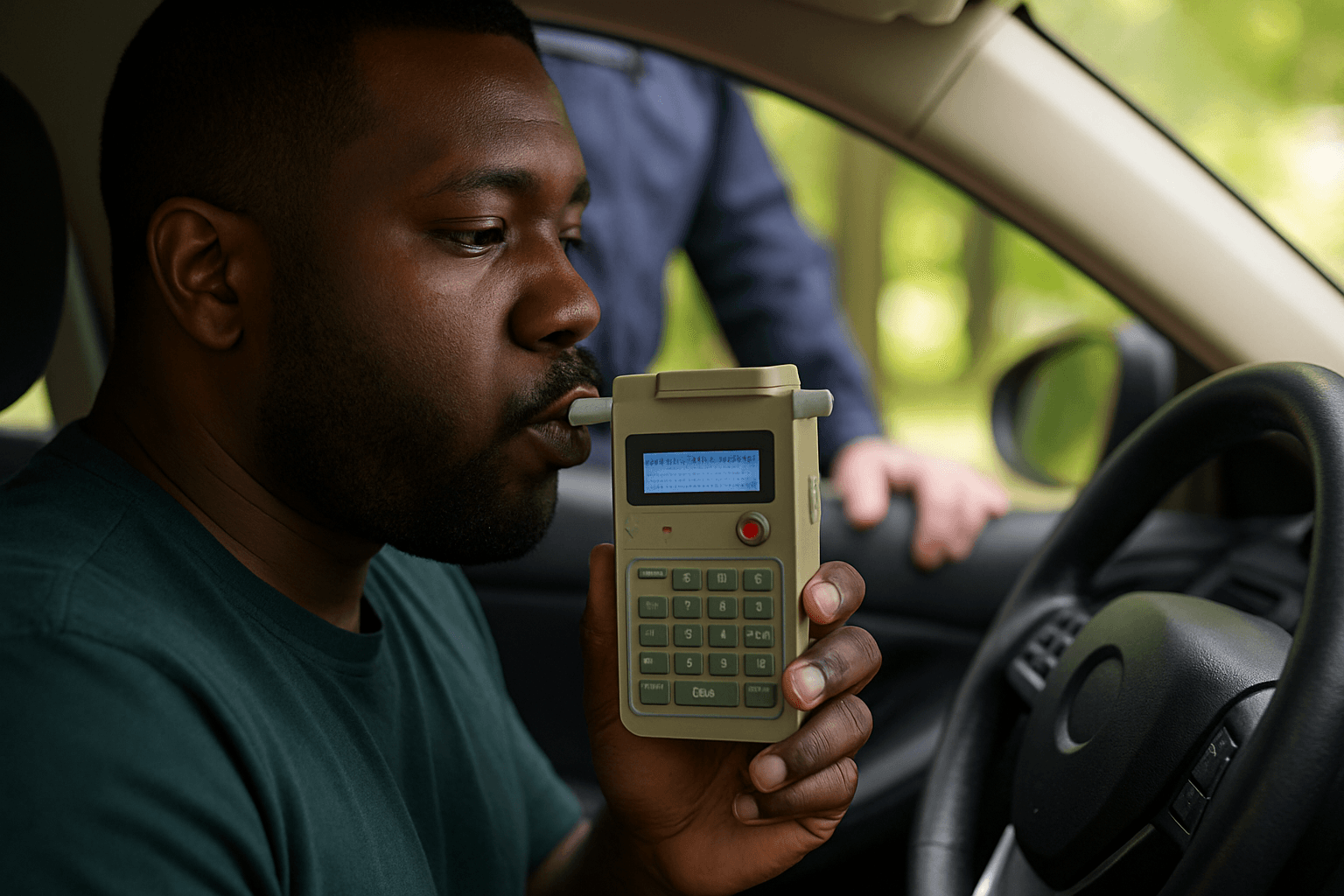
Georgia hardship licenses are granted through DMV administrative process for work and medical travel only — but DUI suspensions face a 120-day waiting period and most other violations require 30 days before you can apply.
Georgia Hardship License Waiting Periods: DUI vs Non-DUI Suspensions
Georgia imposes a 120-day mandatory waiting period after DUI suspension before you can apply for a hardship license — you cannot shorten this window through early program completion or attorney intervention. Non-DUI suspensions (points accumulation, unpaid tickets, insurance lapse, child support delinquency) typically require 30 days of suspension served before hardship eligibility opens.
The clock starts on your official suspension effective date, not the date of your violation or arrest. If you surrender your license 10 days after receiving the suspension notice, those 10 days do not count toward the 120-day or 30-day minimum. Georgia DDS tracks eligibility from the suspension start date in their system.
DUI offenders must complete a DUI Alcohol or Drug Use Risk Reduction Program and file proof with Georgia DDS before the hardship application will be accepted. Non-DUI applicants do not face this requirement but still need SR-22 insurance filing active at application time.
What Georgia Hardship Licenses Actually Allow
Georgia hardship licenses — officially called Limited Driving Permits (LDPs) — restrict you to work, medical appointments, and DUI program attendance only. No grocery runs, no childcare errands, no social driving. The permit specifies approved days and hours based on your employer's written documentation.
You must carry the LDP, your employer's letter, and proof of SR-22 insurance at all times while driving. Georgia State Patrol and local law enforcement verify hardship compliance during traffic stops by cross-referencing your stated route and time against the permit restrictions. Driving outside approved hours or for unapproved purposes terminates the LDP immediately and extends your underlying suspension.
Georgia does not allow hardship driving for school, childcare pickup, or family obligations unless combined with an approved medical or work route. If your job requires varying hours or travel to multiple locations, your employer letter must detail the range and all addresses.
Compare car insurance rates in your state
Get quotes from licensed carriers — no obligation, no spam, results in minutes.
Get Your Free Quote✓ No Obligation Required✓ Licensed Carriers Only✓ Available Nationwide✓ Free to Compare
Georgia Hardship License Application Process and Cost
You file the hardship application directly with Georgia Department of Driver Services — no court hearing is required for most suspension types. The application requires a $25 processing fee, employer letter on company letterhead detailing your work schedule and address, proof of SR-22 insurance filing, and DUI program completion certificate if applicable.
Georgia DDS reviews applications within 10–15 business days. If approved, you receive a temporary LDP valid for 30 days while the permanent card is mailed. The LDP itself costs $25 and is valid for the duration of your suspension or 12 months, whichever is shorter. You must renew annually if your suspension exceeds one year.
Total upfront cost typically runs $1,200–$2,500: $25 application fee, $25 LDP fee, $210 reinstatement fee (paid at suspension end), $359 DUI program tuition if required, $300–$800 annual SR-22 insurance premium increase, and $500–$1,200 attorney consultation fee if you hire representation. The SR-22 premium penalty persists for 3 years after reinstatement.
SR-22 Insurance Requirement for Georgia Hardship Licenses
Georgia requires SR-22 filing active before your hardship application will be processed. The SR-22 is a certificate your insurance carrier files electronically with Georgia DDS proving you carry at least state minimum liability coverage: $25,000 bodily injury per person, $50,000 per accident, and $25,000 property damage.
Most standard carriers (State Farm, Allstate, Progressive's standard book) either refuse to write SR-22 policies for suspended drivers or charge prohibitive premiums. You'll typically shop non-standard carriers that specialize in high-risk cases: Direct Auto, Acceptance Insurance, The General, Safe Auto, Dairyland, or GAINSCO. Monthly premiums for SR-22 coverage during suspension run $100–$250/month depending on violation severity and driving history.
The SR-22 filing itself costs $15–$50 as a one-time carrier processing fee. Georgia requires the SR-22 to remain active for the full suspension period plus 3 additional years after full license reinstatement. If the policy lapses or cancels even one day, Georgia DDS receives electronic notification within 24 hours and your hardship license is automatically revoked.
When Georgia Denies Hardship License Applications
Georgia DDS denies hardship applications if you have not completed the mandatory waiting period, have not filed SR-22 insurance, or have failed to submit employer documentation on company letterhead. DUI applicants are denied automatically if the DUI Risk Reduction Program certificate is missing or incomplete.
Multiple DUI offenses within 5 years trigger different rules. A second DUI conviction requires ignition interlock device (IID) installation before any hardship privilege is granted, even during the 120-day hard suspension. Third and subsequent DUI offenses within 5 years result in a minimum 2-year hard suspension with no hardship eligibility — Georgia law does not allow LDP issuance for habitual violators until the full suspension is served.
Commercial drivers lose CDL privileges entirely during suspension and cannot use a hardship LDP to operate commercial vehicles. The LDP authorizes Class C passenger vehicle operation only. If your job requires CDL, the hardship license does not solve your employment problem.
Violation Consequences and Hardship License Revocation
Driving outside your approved hardship hours, routes, or purposes terminates the LDP and adds a mandatory 6-month extension to your underlying suspension. Georgia law treats hardship violations as willful noncompliance, which DDS prosecutes aggressively.
A traffic citation while driving on a hardship license — even for minor infractions like speeding 10 mph over — triggers immediate review. If the citation occurred during approved hours and routes, you may retain the LDP but face points and increased insurance costs. If the citation occurred outside approved parameters, the LDP is revoked and your suspension clock resets.
Letting your SR-22 insurance lapse during the hardship period revokes the LDP within 48 hours of DDS receiving the lapse notification from your carrier. Georgia does not offer grace periods or administrative cures. You must refile SR-22, pay a $25 reinstatement fee, and reapply for the hardship license as if starting from zero.