You were convicted of DUI in Georgia and your license is suspended. Here's how to qualify for a Limited Driving Permit, what the 120-day waiting period actually means, and how SR-22 filing keeps you legal.
When You Can Apply for a Georgia Limited Driving Permit After DUI
Georgia requires a 120-day hard suspension before you can apply for a Limited Driving Permit (LDP) after a first DUI conviction. The clock starts on your conviction date if you're dealing with a court-ordered suspension, or on your arrest date if DDS issued an administrative license suspension. Applying even one day early resets the entire waiting period.
Most drivers face both suspensions simultaneously: a 12-month administrative suspension from the Department of Driver Services for refusing or failing a breath test, and a separate 12-month court-ordered suspension from the DUI conviction itself. The 120-day waiting period applies to whichever suspension is controlling your case. Your DUI attorney can confirm which timeline governs your eligibility.
Once the 120 days pass, you're eligible to apply — not automatically approved. Georgia DDS reviews each LDP application individually. Approval depends on completing the required DUI Risk Reduction Program, installing an ignition interlock device if ordered, paying all reinstatement fees, and proving you need the permit for employment, medical treatment, or school. The permit is not a second chance at normal driving; it's a restricted privilege with narrow approved purposes and zero margin for error.
What Georgia's Limited Driving Permit Actually Allows You to Do
Georgia's LDP permits driving for work, medical appointments, school attendance, required court dates, and attendance at the state-mandated DUI Risk Reduction Program. You cannot use it for errands, social trips, childcare, or anything outside the approved purposes listed on the permit itself. DDS issues the permit with specific restrictions, and your insurance carrier receives a copy.
Your employer must submit a notarized letter confirming your work schedule, location, and why driving is required for your job. Self-employed drivers must provide business documentation and client location schedules. Medical appointments require advance documentation from your provider. Georgia does not allow "as-needed" driving — every trip must fit an approved category.
Violating the permit terms — driving outside approved hours, using the vehicle for unapproved purposes, or driving without your SR-22 insurance active — revokes the LDP immediately and extends your underlying suspension. DDS does not issue warnings. One violation ends the permit and you start from zero.
Compare car insurance rates in your state
Get quotes from licensed carriers — no obligation, no spam, results in minutes.
Get Your Free Quote✓ No Obligation Required✓ Licensed Carriers Only✓ Available Nationwide✓ Free to Compare
SR-22 Filing Requirement and How Long It Lasts in Georgia
Georgia requires SR-22 filing for 3 years following a DUI conviction, starting from the date DDS reinstates your license or issues your Limited Driving Permit. The SR-22 is not insurance; it's a certificate your insurance carrier files with DDS proving you carry at least Georgia's minimum liability coverage: $25,000 per person for bodily injury, $50,000 per accident, and $25,000 for property damage.
Your carrier charges a one-time filing fee (typically $25–$50) and higher premiums. DUI convictions trigger a 70–130% rate increase on average, and SR-22 policies require continuous coverage with no lapses. If your policy cancels or lapses for any reason — even one missed payment — your carrier notifies DDS within 24 hours, DDS suspends your license or LDP immediately, and your 3-year SR-22 clock resets to day zero.
Not all carriers write SR-22 policies for DUI drivers. Major carriers (State Farm, GEICO, Allstate) often non-renew or decline to file SR-22 after a conviction. Non-standard carriers including The General, Direct Auto, Acceptance, Bristol West, and Dairyland specialize in high-risk SR-22 policies and will file immediately. Monthly premiums for SR-22 coverage after DUI in Georgia typically run $140–$280 depending on your county, age, vehicle, and violation history.
Application Process: What You Need to Submit to DDS
You apply for Georgia's Limited Driving Permit through DDS once your 120-day waiting period expires. Required documents include proof of enrollment or completion of the state-approved DUI Risk Reduction Program (also called DUI School), ignition interlock installation certification if ordered by the court, SR-22 certificate of insurance filed by your carrier, employer verification letter on company letterhead with notarized signature, and payment of the $25 permit fee plus any outstanding reinstatement fees.
Georgia DDS processes LDP applications within 10–15 business days if all documentation is complete. Incomplete applications are rejected without review, and you must resubmit from the beginning. Your DUI attorney or the DUI School can confirm your eligibility date and help assemble the required documents.
The permit is valid for the remainder of your suspension period. If you were sentenced to 12 months suspension and apply after 120 days, the LDP covers the remaining 8–9 months. You cannot drive legally during the 120-day hard suspension — no exceptions, no work permits during that window. Driving on a suspended license in Georgia is a misdemeanor with up to 12 months jail time and extends your suspension by 6 months minimum.
Ignition Interlock Device Requirement and Monthly Cost
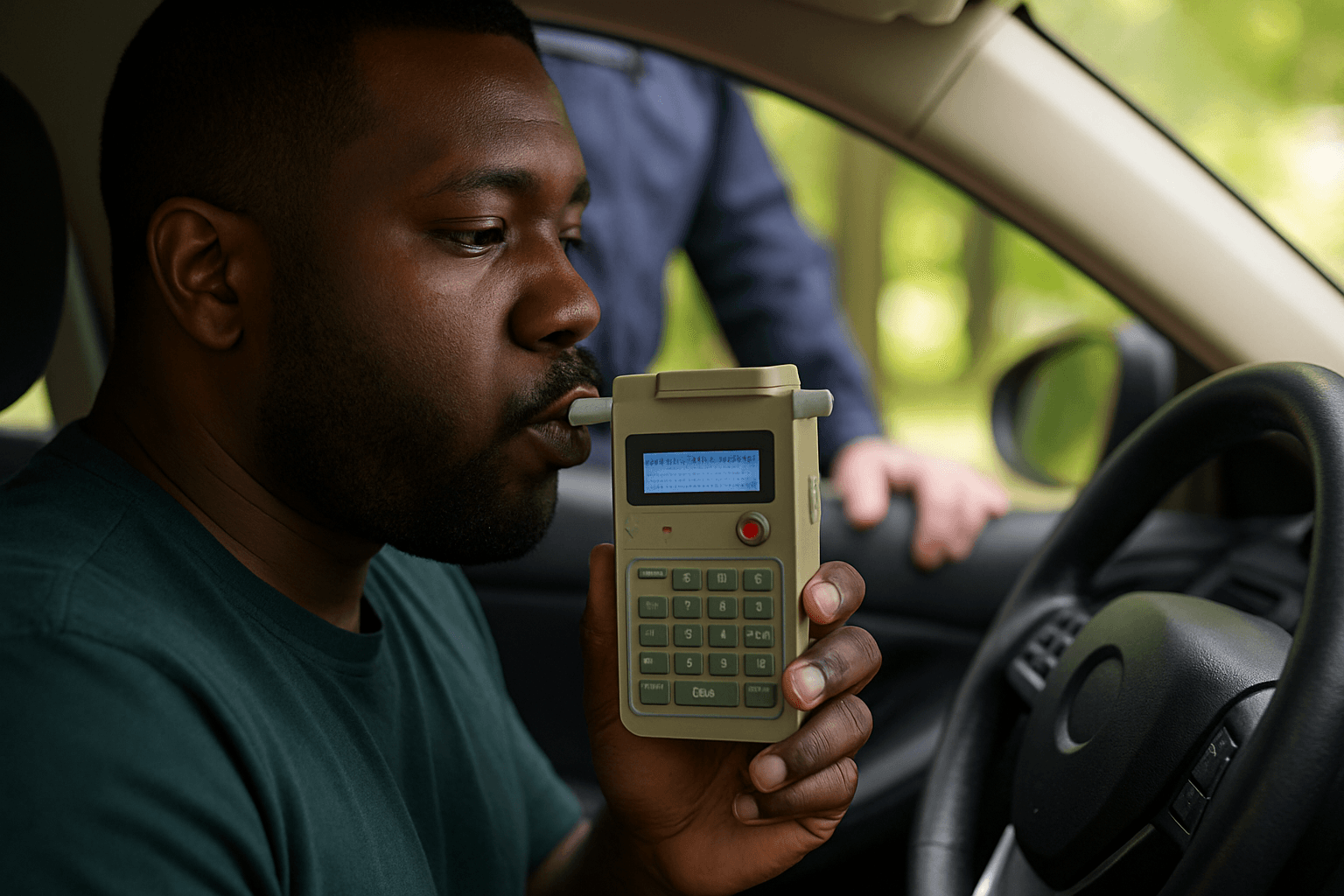
Georgia courts frequently order ignition interlock device (IID) installation as a condition for receiving a Limited Driving Permit, especially for first DUI convictions with a BAC over 0.15% or refusal cases. The IID requires you to provide a breath sample before the vehicle starts and periodically while driving. Any detectable alcohol prevents ignition.
You pay for IID installation ($75–$150), monthly monitoring fees ($60–$90), and calibration appointments every 30–60 days. Total IID cost over a 12-month LDP period runs $800–$1,200. The device must be installed by a Georgia-approved provider; DDS maintains the current list on their website. Your employer cannot refuse to allow the device in a company vehicle if driving is required for your job.
Tampering with the device, skipping calibration appointments, or registering a failed breath test generates a violation report to DDS. Three violations within the monitoring period revoke your LDP and may extend your suspension. The IID provider, not DDS, schedules and tracks your calibration compliance.
Total Cost to Obtain and Maintain a Georgia Limited Driving Permit
Georgia drivers spend $1,800–$3,500 to obtain and maintain a Limited Driving Permit through the end of their suspension. The cost breakdown includes DUI Risk Reduction Program ($355 state-mandated fee), SR-22 filing fee ($25–$50 one-time), SR-22 insurance premium increase ($1,200–$2,400 annually), ignition interlock installation and monitoring ($800–$1,200 for 12 months if required), DDS permit fee ($25), license reinstatement fee ($210 or $410 depending on suspension type), and attorney fees if you hire representation ($500–$2,000).
You cannot finance the DDS fees or DUI School cost; both require payment upfront. Some non-standard carriers allow monthly SR-22 premium payments, but most require a 6-month paid-in-full deposit. Missing a payment cancels your policy, suspends your LDP, and resets your SR-22 requirement.
Budget for the full cost before applying. Partial compliance does not preserve your eligibility — DDS requires every document and every fee satisfied before issuing the permit.
What Happens If Your Limited Driving Permit Is Revoked
Violating your LDP terms, letting your SR-22 policy lapse, failing an IID breath test, or driving outside approved purposes revokes the permit immediately. Georgia DDS does not hold hearings or issue warnings for LDP violations — the permit ends and your suspension continues as if you never had it. You do not get credit for time served under the LDP.
You cannot reapply for a new LDP after revocation. Once revoked, you must serve the remainder of your suspension with no driving privileges. If you had 6 months remaining on a 12-month suspension when your LDP was revoked, you wait 6 months with zero legal driving before applying for full license reinstatement.
Driving after LDP revocation is driving under suspension, a criminal misdemeanor in Georgia with mandatory jail time for repeat offenses. Employers do not wait — most terminate within days of learning you lost driving privileges. The narrow path Georgia gives you with the LDP is the only one available. Losing it means losing your job.