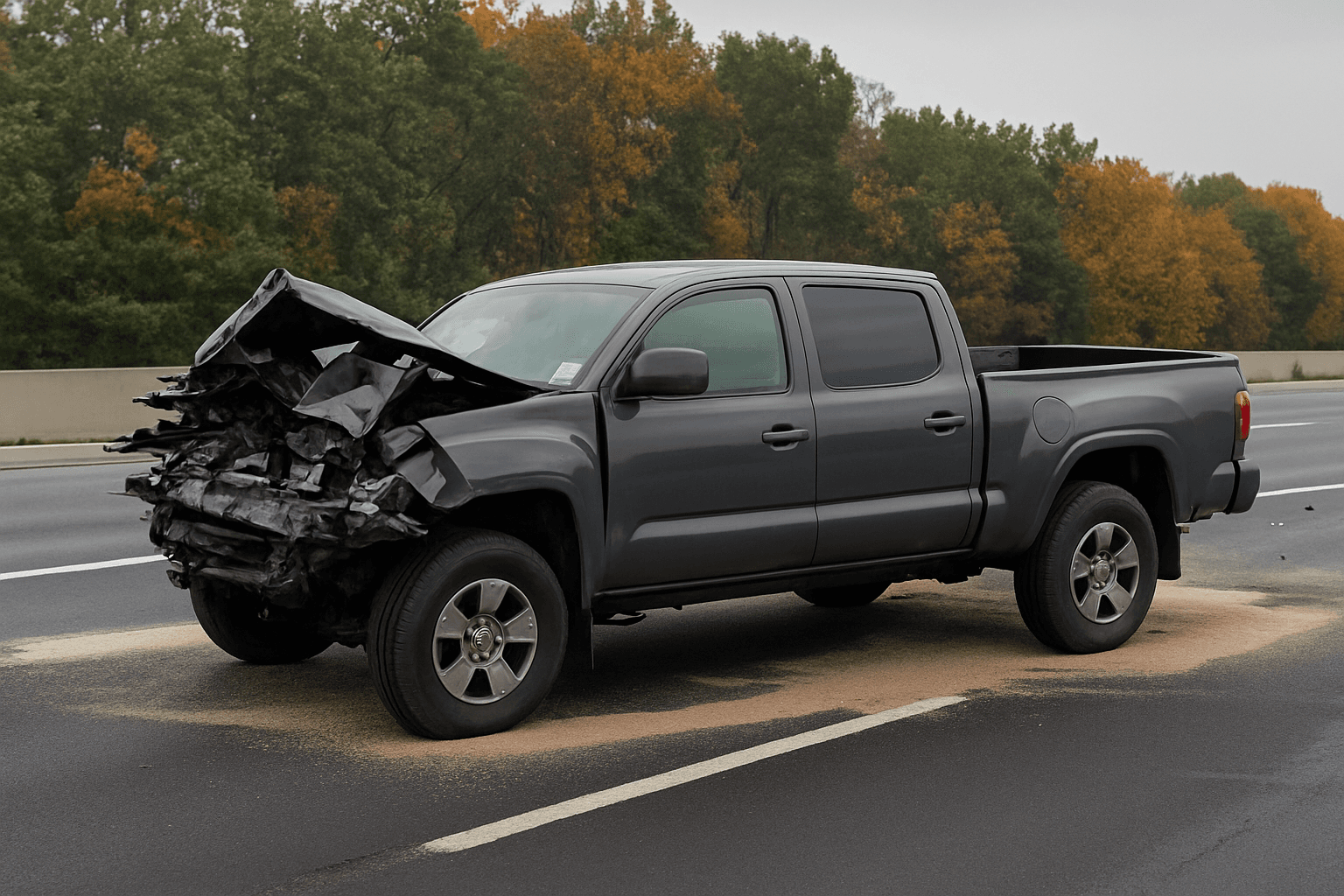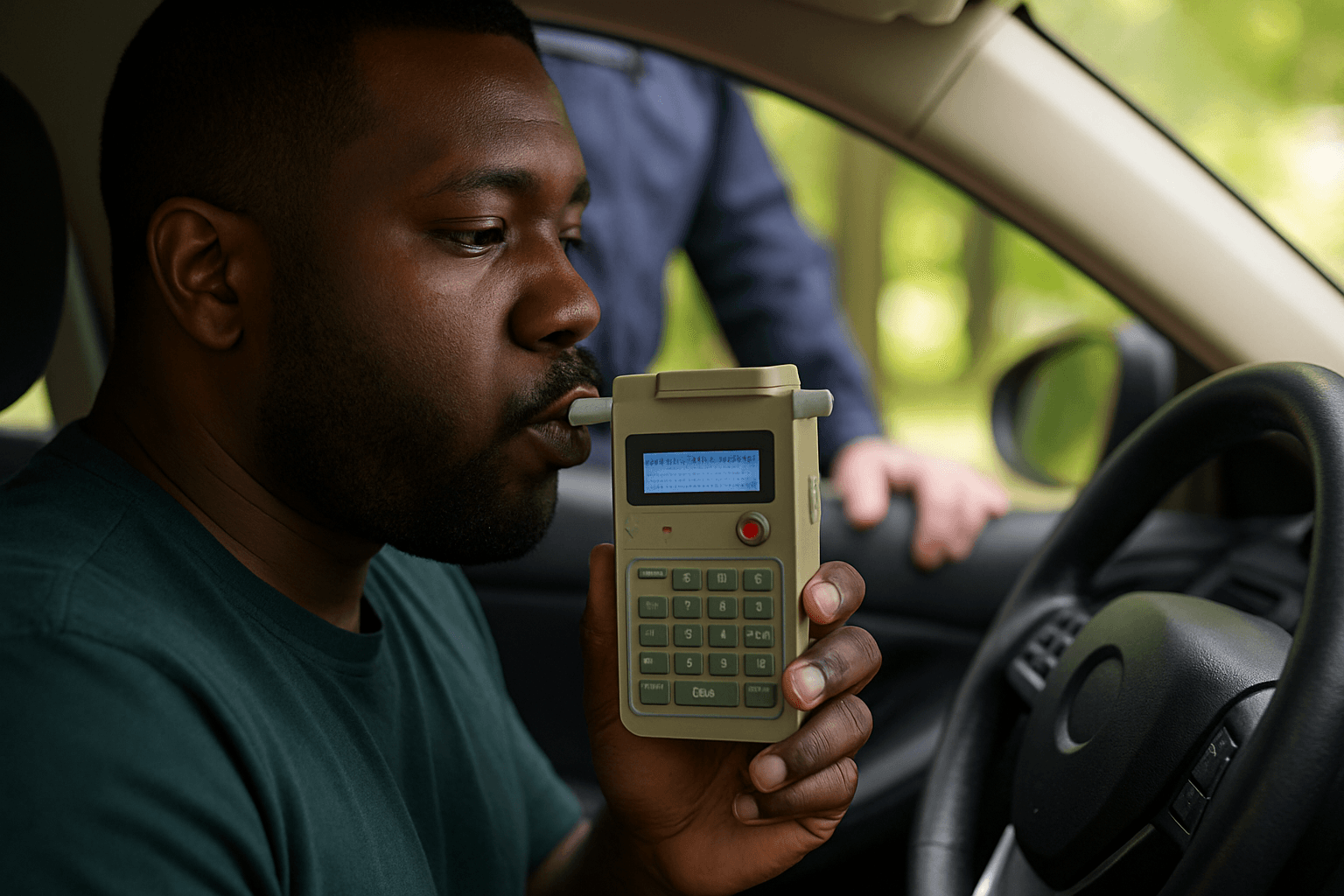
Georgia's zero-tolerance law triggers license suspension at 0.02% BAC for drivers under 21. Hardship license eligibility opens after 120 days for first offenders—here's what you need to file.
What Georgia's Zero-Tolerance Law Means for Your Driving Privilege
Georgia suspends your license for 6 months after a zero-tolerance DUI if you're under 21, triggered at 0.02% BAC or higher under O.C.G.A. § 40-6-391(k). The first 120 days are a hard suspension with no driving privilege available. After 120 days, you become eligible to apply for a limited driving permit through the Georgia Department of Driver Services if you meet all conditions: DUI Risk Reduction Program enrollment, proof of SR-22 insurance on file, payment of the $210 reinstatement fee, and no additional violations during the suspension period.
This is not an administrative shortcut. Georgia does not distinguish between adult DUI and under-21 zero-tolerance cases when it comes to SR-22 filing or hardship license restrictions. You face the same insurance market, the same non-standard carriers, and the same 3-year SR-22 filing requirement that a 35-year-old with a DUI faces. The only difference is the BAC threshold that triggered the suspension.
The 120-day waiting period cannot be waived. Court disposition, attorney negotiation, and completion of the Risk Reduction Program before the 120-day mark do not accelerate eligibility. Your hardship license application opens on day 121, not before.
How to Apply for a Georgia Hardship License After Under-21 DUI
You apply through the Georgia DDS, not through a court hearing. Georgia uses an administrative process for limited driving permits, which means you submit documentation to DDS and wait for approval rather than appearing before a judge. The application requires: completed DDS Form 838 (Application for Limited Driving Permit), proof of enrollment in a state-licensed DUI Risk Reduction Program, certificate of SR-22 insurance filing from a licensed Georgia carrier, payment of the $25 permit fee plus the $210 license reinstatement fee, and in some cases, employer verification of your work schedule and route.
SR-22 insurance must be active and on file with DDS before your application is reviewed. Georgia's SR-22 filing is not a separate policy—it's a rider on a liability policy that your carrier files electronically with the state. Because you're under 21 with a DUI, you're in the non-standard insurance market: Bristol West, Acceptance, Dairyland, Safe Auto, The General, and Direct Auto are the carriers most likely to write you. Expect monthly premiums between $150 and $280 for state-minimum liability plus SR-22 filing, depending on your county, vehicle, and whether you're listed on a parent's policy or writing your own.
Processing time runs 10 to 21 business days after DDS receives a complete application. Incomplete submissions—missing SR-22 proof, unsigned forms, unpaid fees—reset the clock. Plan accordingly if your job depends on the permit.
Compare car insurance rates in your state
Get quotes from licensed carriers — no obligation, no spam, results in minutes.
Get Your Free Quote✓ No Obligation Required✓ Licensed Carriers Only✓ Available Nationwide✓ Free to Compare
What a Georgia Limited Driving Permit Actually Allows
Georgia's limited permit restricts you to specific approved purposes: travel to and from work, travel to and from school or college classes, travel to and from the DUI Risk Reduction Program, travel for medical appointments, and travel for court-ordered obligations. Social driving, recreational trips, and errands outside these categories are prohibited. Violating the permit terms revokes the permit immediately and extends your underlying suspension by an additional 6 months under O.C.G.A. § 40-5-64.
The permit does not specify approved hours or routes in the way some states do, but DDS expects your driving to align with the documentation you submitted. If your employer verification listed a Monday-Friday 7 a.m. to 4 p.m. schedule, driving at 11 p.m. on a Saturday is a violation even if you claim you were heading to work. Law enforcement can verify permit terms during a traffic stop, and any stop outside approved purposes triggers a report to DDS.
The permit remains valid for the duration of your suspension or until you're eligible for full license reinstatement, whichever comes first. For a first-offense under-21 zero-tolerance DUI, that's typically the remaining portion of your 6-month suspension after the 120-day hard ban.
SR-22 Filing Duration and What Happens After Suspension Ends
Georgia requires 3 years of continuous SR-22 filing after a zero-tolerance DUI, measured from your conviction date, not from the date you applied for the hardship license. If your conviction date was March 1, 2024, your SR-22 requirement runs through March 1, 2027, regardless of when your 6-month license suspension ended. Letting your SR-22 lapse for even one day during that 3-year window resets the clock to zero and triggers an immediate license suspension under O.C.G.A. § 40-5-57.
Your carrier will notify DDS electronically if your policy cancels, lapses, or if you request SR-22 removal before the 3-year period ends. DDS suspends your license automatically upon receiving that notification. There is no grace period. Reinstatement after an SR-22 lapse requires filing a new SR-22, paying a new $210 reinstatement fee, and restarting the 3-year SR-22 clock from the new filing date.
After your 6-month suspension ends, you're eligible for full license reinstatement if you've completed the DUI Risk Reduction Program, paid all fees, and maintained SR-22 insurance. But reinstatement does not end your SR-22 requirement. You must maintain SR-22 filing and stay in the non-standard insurance market until the full 3-year period concludes. Most drivers don't realize the insurance penalty outlasts the driving restriction by more than 2 years.
What Non-Standard Insurance Actually Costs for Under-21 Drivers
Under-21 drivers with a zero-tolerance DUI pay the highest non-standard insurance rates in Georgia because age and violation stack. Monthly premiums for state-minimum liability (25/50/25) plus SR-22 filing typically range from $150 to $280 in metro Atlanta, Augusta, and Savannah. Rural counties may see slightly lower rates, but the carrier pool is smaller. If you're listed on a parent's policy, some carriers allow you to remain on that policy with an SR-22 rider, which can reduce your individual cost—but many carriers cancel the entire family policy after an under-21 DUI, forcing you into your own standalone non-standard policy.
SR-22 filing fees are separate from premium and run $15 to $50 depending on the carrier. This is a one-time fee per filing period, not annual. Annual policy costs for an under-21 driver with SR-22 filing typically land between $2,000 and $3,800 in Georgia, compared to $1,200 to $1,800 for a clean-record under-21 driver on a standard policy.
Your rate will not return to standard-market pricing until your SR-22 requirement ends and you've maintained continuous coverage without additional violations for at least 6 months. Some carriers require 12 months of clean driving before they'll quote you. Budget for 3 to 4 years of elevated premiums, not just the 6-month suspension period.
What Happens If You're Caught Driving Without a Hardship License
Driving on a suspended license in Georgia is a misdemeanor under O.C.G.A. § 40-5-121, carrying 2 days to 12 months in jail, a fine of $500 to $1,000, and an additional 6-month license suspension on top of your existing suspension. If you're pulled over during your 120-day hard suspension or after your hardship license has been revoked, that's the penalty structure you face. A second driving-under-suspension offense within 5 years becomes a high and aggravated misdemeanor with mandatory jail time.
Law enforcement does not need to catch you committing a moving violation to charge you. A tag check, a checkpoint, or a collision investigation that reveals you're driving on a suspended license is sufficient. If you're in an accident while driving under suspension, your SR-22 insurance may deny the claim, leaving you personally liable for all damages.
If you're unemployed or cannot document a valid hardship purpose, you do not qualify for a limited permit. Georgia does not issue hardship licenses for general convenience or for drivers who lack employment or school enrollment. The 120-day hard suspension is non-negotiable in those cases.
How This Affects College Students and Out-of-State License Holders
If you hold a Georgia driver's license and attend college out of state, your Georgia suspension applies nationwide under the Driver License Compact. Your home state (if you maintain a license there) will be notified of the Georgia suspension, and most states will impose a reciprocal suspension or restrict your driving privilege. You cannot avoid the Georgia suspension by obtaining a license in another state during the suspension period.
If you hold an out-of-state license and were arrested for zero-tolerance DUI in Georgia, Georgia will suspend your privilege to drive in Georgia, but the suspension does not automatically transfer to your home state unless your home state participates in the Interstate Driver's License Compact and chooses to honor Georgia's action. However, Georgia will report the conviction to your home state DMV, and your home state may impose its own sanctions. You cannot apply for a Georgia hardship license unless you hold a valid Georgia driver's license at the time of application.
College students who live in Georgia and commute to campus face the same hardship license restrictions as employed drivers. Your class schedule qualifies as an approved purpose, but social campus activities, Greek events, and off-campus errands do not. Document your class schedule with the registrar's office and submit it with your DDS application.