If you're scheduled for a hardship hearing in Memphis, you're walking into Shelby County General Sessions Court with one shot to prove you need driving privileges to keep your job. Here's what the judge will ask, what documentation wins approval, and what mistakes get you denied.
Memphis Hardship License Hearings Happen in General Sessions Court, Not the DMV
Tennessee uses a court-based hardship license system. If your license is suspended for DUI, multiple violations, or insurance lapse in Memphis, you petition Shelby County General Sessions Court for a restricted license, not the Tennessee Department of Safety. The DMV processes the physical license after court approval, but the judge decides whether you qualify.
You file your hardship petition at the Shelby County General Sessions Court Civil Division at 201 Poplar Avenue, Memphis, TN 38103. Filing fee is $307 as of current court schedules. Your hearing is typically scheduled 30-45 days after filing. You appear before a judge, present your case, and receive an approval or denial on the spot. There is no second hearing if you're denied — you wait the statutory period and refile with better documentation.
Most Memphis drivers don't realize the petition must include employer documentation, SR-22 proof of insurance, driving abstract from the DMV, and a completed route affidavit before the hearing date. Missing any of these documents at the hearing usually results in automatic denial, and you cannot supplement the record after the judge rules.
What the Judge Asks During Your Shelby County Hardship Hearing
The judge will ask three things: why you need to drive, where you need to drive, and why public transportation or rideshare won't work. Your answers must be specific. "I need to get to work" is insufficient. "I work third shift at FedEx World Hub, 2990 Democrat Road, starting at 11 PM, and MATA bus service to that location ends at 9 PM" is what gets approved.
You'll be asked to verify the employer letter is accurate. The judge will compare the work address on your employer letter to the route you listed on your petition. If the route includes stops not listed in your approved purposes — daycare, medical appointments, DUI classes — the judge will ask why. Unapproved stops get deleted from your order or trigger a denial.
The judge will ask if you've completed any court-ordered programs. If your suspension resulted from DUI and the court ordered alcohol safety school, you must show proof of enrollment or completion. Tennessee courts typically require DUI program completion before granting hardship privileges for DUI suspensions. If you're still on a waiting list for the program, expect a continuance or denial until you're enrolled.
Compare car insurance rates in your state
Get quotes from licensed carriers — no obligation, no spam, results in minutes.
Get Your Free Quote✓ No Obligation Required✓ Licensed Carriers Only✓ Available Nationwide✓ Free to Compare
Employer Documentation That Gets Approved vs. Documentation That Gets Denied
Your employer letter must include: your full name, your exact job title, your work address with street number, your work schedule with days and hours, and a statement that losing driving privileges will result in job loss. The letter must be on company letterhead, signed by a supervisor or HR representative, and dated within 30 days of your hearing.
Denied letters are vague. "John works full-time and needs to drive" is worthless. "John Smith works as a delivery driver for XYZ Logistics, 4500 Raleigh Lagrange Road, Memphis, TN 38128, Monday through Friday 6 AM to 3 PM, and this position requires a valid driver's license as a condition of employment" is what the judge needs to see.
If you work multiple part-time jobs, bring a letter from each employer. The judge will approve routes to each location, but only if each letter meets the specificity standard. If one employer letter is vague, that job gets excluded from your approved routes even if the other jobs are approved. Self-employed drivers must provide business registration, tax documentation, and client contracts showing scheduled work that requires driving.
Approved Routes Are Exact — the Order Lists Every Address You Can Drive To
Tennessee hardship licenses restrict you to court-approved routes only. The judge's order will list your home address, work address, DUI program address if required, and any medical or childcare addresses you requested. You can only drive between these locations, and only during approved hours. Driving outside approved hours or to unapproved locations violates the order and typically results in license revocation and extension of your underlying suspension.
Memphis drivers often request route approval for medical appointments without providing specific addresses. The judge will not approve "medical appointments as needed." You must list the exact address of your doctor's office, pharmacy, or clinic. If you see multiple providers, list each address separately. Generic healthcare language gets denied.
If you need to add a location after your order is granted — new job, new daycare, new DUI class location — you must file a petition to modify your hardship order. You cannot simply start driving to the new address because "it's for work." The modification hearing follows the same documentation rules as the original hearing. Most drivers don't realize this until they're pulled over at an unapproved location and charged with driving on a suspended license.
SR-22 Insurance Must Be Filed Before Your Hearing Date
Tennessee requires SR-22 filing for all hardship licenses. You must obtain SR-22 insurance and have the carrier file the SR-22 certificate with the Tennessee Department of Safety before your court hearing. Bring proof of SR-22 filing to your hearing — either the SR-22 certificate itself or a letter from your insurance carrier confirming filing date and policy number.
SR-22 premiums for suspended drivers in Memphis typically run $140-$240 per month depending on your violation. DUI suspensions trigger higher premiums than lapse-based suspensions. Carriers writing SR-22 policies for restricted-license drivers in Shelby County include Bristol West, Dairyland, GAINSCO, The General, and Direct Auto. Not all carriers write policies for drivers with active suspensions, so expect to contact multiple agents.
If your SR-22 lapses at any point during your hardship period, the carrier notifies the state and your hardship license is automatically revoked. Tennessee does not send a warning letter. Your license becomes invalid the day the lapse is reported, and you must refile for hardship privileges from the beginning, including a new court hearing.
Ignition Interlock May Be Required Depending on Your Suspension Reason
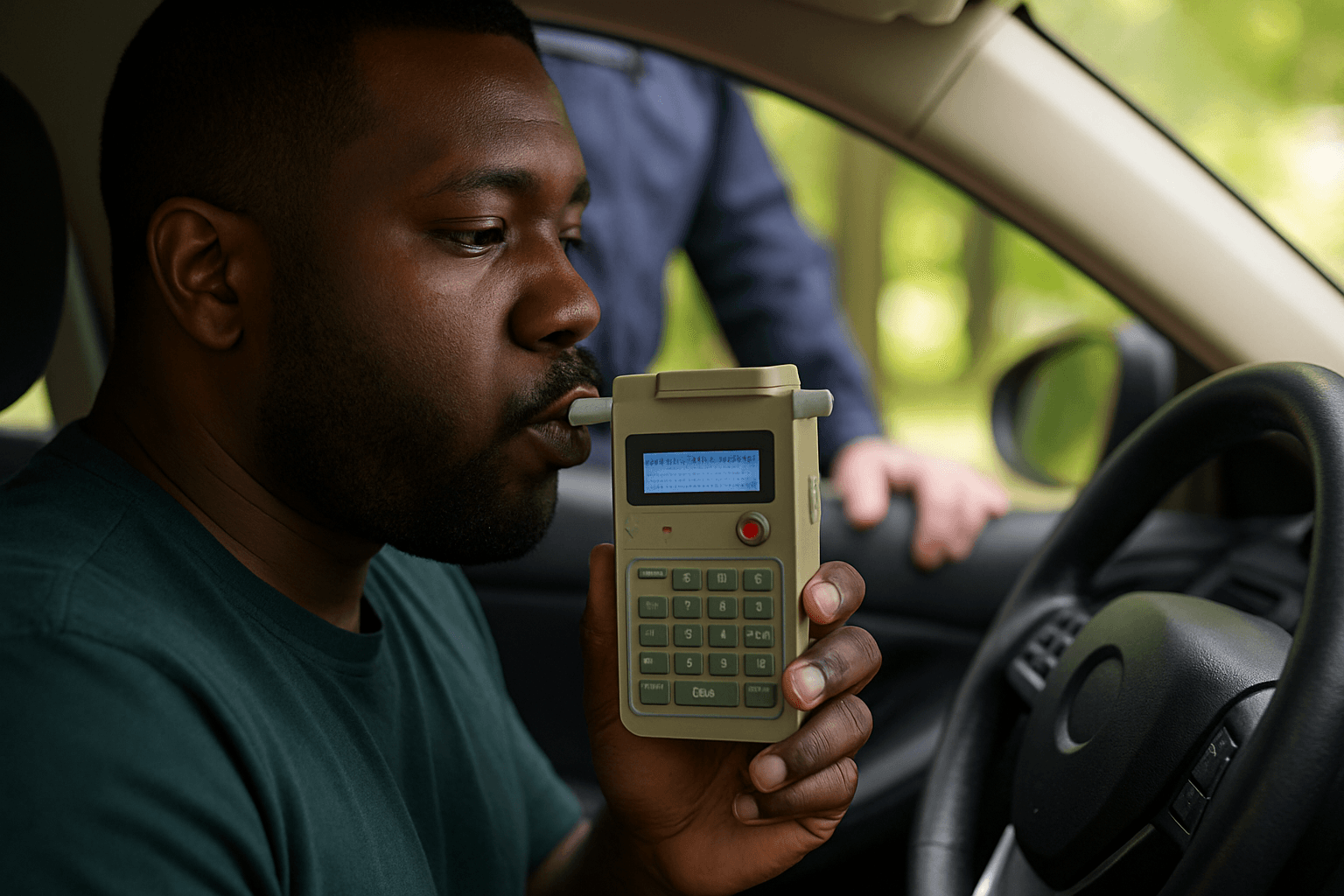
Tennessee requires ignition interlock devices for hardship licenses granted after DUI suspensions. If your suspension resulted from DUI conviction, the court will order IID installation as a condition of your hardship license. You must install the device before the DMV will issue your restricted license, even if the judge approved your petition.
IID costs in Memphis run $75-$125 for installation plus $75-$100 per month for monitoring and calibration. Approved providers in Shelby County include Intoxalock, LifeSafer, and Smart Start. You must use a state-approved provider — the court will give you a list at your hearing. Installation must be completed within 10 days of court approval or your hardship license will not be issued.
IID violations — failed startup tests, missed calibration appointments, tampering — are reported to the court and typically result in hardship license revocation. Some judges extend the underlying suspension period for IID violations. The device stays on your vehicle for the duration of your hardship period, which for DUI is typically one year minimum in Tennessee.
What Happens If Your Hardship Petition Is Denied
If the judge denies your petition, you cannot refile immediately. Tennessee law requires a waiting period after denial before you can petition again — typically 90 days from the denial date, though some judges impose longer waiting periods depending on the reason for denial. You receive no hardship privileges during the waiting period.
The most common denial reasons: insufficient employer documentation, no proof of SR-22 insurance, failure to complete court-ordered DUI programs, or criminal history that makes the judge unwilling to grant restricted privileges. The judge does not have to explain the denial reason in detail, and there is no appeal process for hardship denials in Tennessee. You simply wait and refile.
When you refile, bring corrected documentation. If you were denied for a vague employer letter, bring a new letter that lists exact hours and addresses. If you were denied for incomplete DUI classes, bring proof of enrollment or completion. Refiling with the same documentation that got you denied the first time produces the same result.