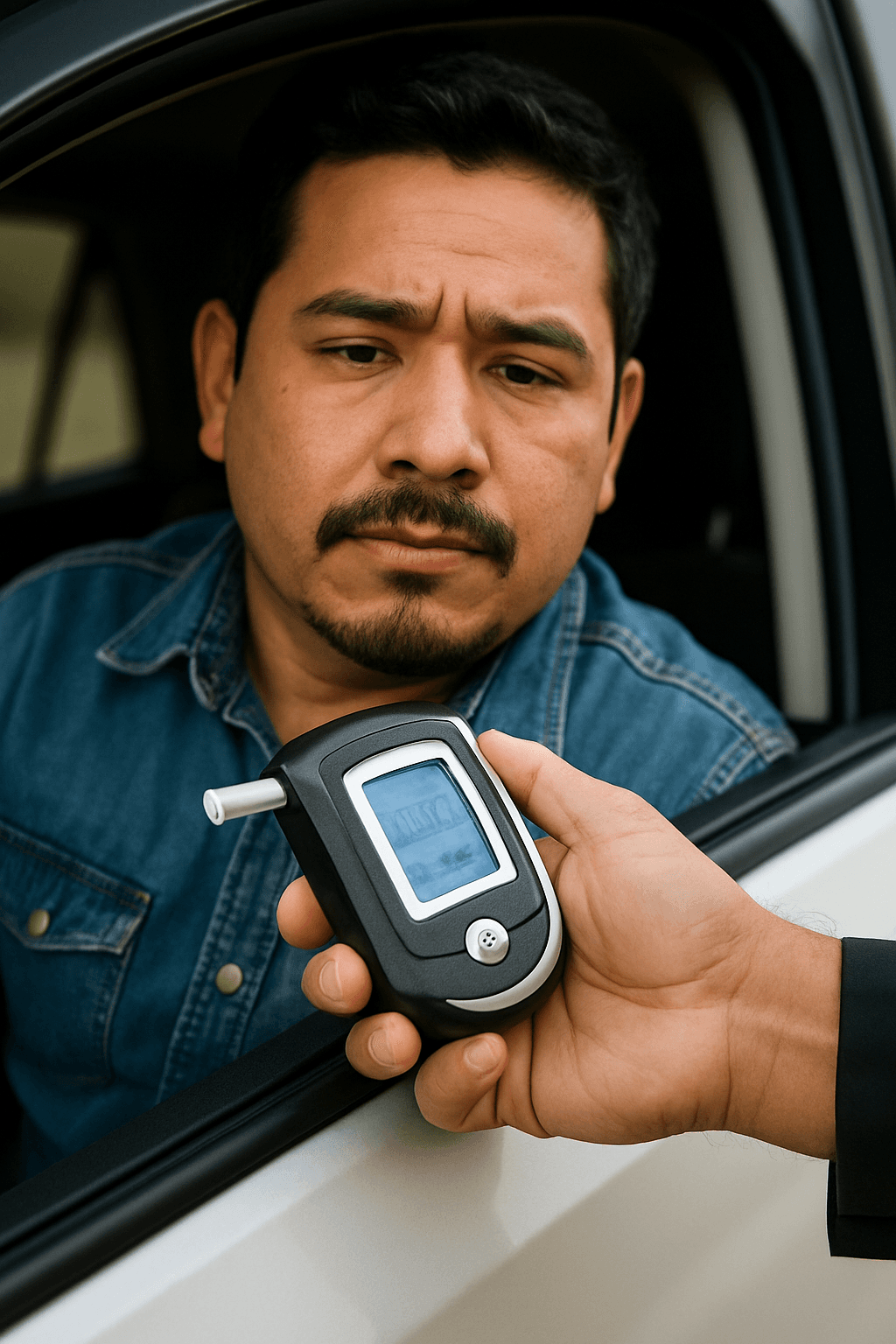
Kentucky requires ignition interlock before your hardship license is issued. Book installation before your court date to avoid gaps that cost you weeks of driving privilege.
Why Kentucky IID Installation Must Happen Before Your Hardship Hearing
Kentucky Circuit Courts require proof of ignition interlock installation before issuing a hardship license order for DUI suspensions. The court will not grant driving privileges until you provide an IID installation certificate from a state-approved provider, signed and dated, showing the device is already functioning in your vehicle.
This reverses the sequence most drivers expect. You cannot get the hardship license first and install the interlock later. If you attend your hardship hearing without installation proof, the judge will continue the case for 2-4 weeks while you complete installation — and you lose those weeks of potential work driving.
The timing gap hits hardest for drivers who need their hardship license to keep a job. Most Kentucky employers will not hold a position open for a month while you wait for a second court date. Schedule your IID installation appointment at least 5 business days before your hardship hearing to ensure the provider completes the install and submits confirmation to the state monitoring authority in time.
How to Schedule IID Installation Before License Issuance in Kentucky
Call a Kentucky-approved IID provider within 48 hours of your DUI conviction or suspension notice. The Transportation Cabinet maintains a list of approved providers including Smart Start, LifeSafer, and Intoxalock. Request an installation appointment at least 7-10 days before your scheduled hardship hearing date to account for provider availability and state reporting delays.
Bring your vehicle, driver's license, court order or suspension notice, and payment to the installation appointment. Installation takes 60-90 minutes. The provider will mount the handheld unit, wire the interlock to your ignition system, calibrate the device, and train you on the rolling retest protocol. Kentucky requires monthly calibration visits for the duration of your restricted license period — typically 6-12 months depending on your offense.
The provider submits installation confirmation to the Kentucky Ignition Interlock Program within 24-48 hours. Request a signed installation certificate at the end of your appointment. Bring this certificate to your hardship hearing as Exhibit A. Judges will not issue the hardship order without it, regardless of how strong your employment or childcare need is.
Compare car insurance rates in your state
Get quotes from licensed carriers — no obligation, no spam, results in minutes.
Get Your Free Quote✓ No Obligation Required✓ Licensed Carriers Only✓ Available Nationwide✓ Free to Compare
What Happens If You Install IID After the Court Issues Your Hardship License
Kentucky does not issue hardship licenses before IID installation. The court process does not permit post-issuance installation for DUI-related suspensions. If a driver somehow receives a hardship order without installation proof — extremely rare, and typically a clerical error — driving on that order without an active IID violates both the court order and Kentucky Revised Statute 189A.340, which mandates interlock for all restricted DUI driving privileges.
Violation consequences are immediate. Kentucky State Police or local law enforcement can verify IID compliance during any traffic stop by checking the state interlock database. Driving a hardship-licensed vehicle without an active IID results in immediate arrest, hardship license revocation, and extension of your underlying suspension by 6-12 months. The court treats non-compliance as contempt, which carries separate fines and potential jail time.
There is no grace period. The IID must be installed and functioning on the date the court issues your hardship order, not the date you begin driving under it.
Kentucky SR-22 Filing Timeline With Hardship License + IID
Kentucky requires SR-22 filing for the entire duration of your hardship license period plus any post-reinstatement monitoring period — typically 3 years total for first-offense DUI. The SR-22 must be active before the Circuit Court issues your hardship order, just like the IID requirement. Most judges review both IID installation proof and SR-22 filing confirmation at the hardship hearing.
Carriers who write high-risk Kentucky policies include Bristol West, Dairyland, GAINSCO, The General, Safe Auto, and Direct Auto. Monthly premiums for SR-22 hardship license coverage typically range from $140-$280/month depending on your county, age, violation history, and whether you own the vehicle. Non-owner SR-22 policies — required if you're driving an employer's vehicle or a family member's car under your hardship license — run $40-$90/month but do not include liability protection for the vehicle itself.
File your SR-22 at least 5 business days before your hardship hearing. The carrier submits the filing to the Kentucky Transportation Cabinet electronically, but confirmation can take 2-4 business days to appear in the state system. Bring a copy of your SR-22 filing certificate to court alongside your IID installation certificate. Missing either document guarantees a continuance.
IID Monthly Costs and Calibration Requirements During Hardship Period
Kentucky IID installation costs $75-$150 depending on provider and vehicle type. Monthly monitoring and calibration fees run $65-$95. Kentucky requires calibration every 30 days, which includes a rolling breath test data download and device recalibration. Missing a calibration window triggers a lockout that prevents your vehicle from starting and violates your hardship license terms.
Total IID cost for a 12-month hardship license period typically runs $900-$1,300 including installation, monthly fees, and removal. This stacks on top of SR-22 insurance premiums, court costs, reinstatement fees, and attorney fees if you hired counsel for your hardship hearing. Budget $2,500-$4,500 total for the first year of hardship license compliance in Kentucky.
Some providers offer payment plans for installation and first-month fees. Monthly calibration fees are due at each service appointment and cannot be deferred. Failure to pay results in device lockout and hardship license violation, which extends your suspension and resets your compliance timeline.
Approved Driving Purposes Under Kentucky Hardship License With IID
Kentucky hardship licenses restrict driving to employment, medical appointments, court-ordered programs (DUI education, substance abuse treatment), educational attendance, and childcare transport for your dependents. The Circuit Court order specifies approved hours, routes, and purposes. Driving outside those parameters — even with a functioning IID — constitutes unlicensed operation and revokes your hardship privilege.
Your employer must submit a signed letter on company letterhead stating your work schedule, work address, and confirmation that driving is essential to your job duties. Medical providers must document recurring appointment schedules for chronic conditions. DUI program directors must certify your enrollment and attendance requirements. The court evaluates these documents at your hardship hearing and writes specific restrictions into the order.
Kentucky does not permit recreational driving, grocery shopping, or social trips under hardship licenses. The IID records every ignition event with GPS timestamp data, and the state monitoring authority reviews this data monthly. Driving patterns inconsistent with your approved purposes trigger compliance review and potential revocation.
What Happens If Your IID Records a Fail or Violation During Hardship Period
Kentucky IID devices record every breath test result — startup tests, rolling retests, and any failed attempts. A failed test (BAC above 0.02) does not immediately lock the device, but it logs the event and reports it to the Kentucky Ignition Interlock Program within 48 hours. The state reviews all violation data monthly and forwards reports to the Circuit Court that issued your hardship license.
A single failed test typically triggers a warning letter and mandatory provider visit for device inspection. Two failed tests within 30 days result in a court hearing where the judge evaluates whether to continue your hardship license or revoke it. Three failed tests or any pattern of circumvention attempts (disconnecting the device, having another person blow, skipping rolling retests) result in immediate hardship license revocation and extension of your underlying suspension by 6-12 months.
Rolling retest failures are treated identically to startup failures. Kentucky devices require a rolling retest every 15-45 minutes while the vehicle is running. Missing a rolling retest prompt or failing it triggers the same violation protocol as a startup failure. The device will sound an alarm and log the event, but it will not shut off the engine while the vehicle is in motion.