West Virginia's DMV won't issue your hardship license until you prove your ignition interlock device is installed and monitored. Here's how to time IID installation, certification, and your license application to avoid losing driving days.
Why Installation Timing Matters More Than Application Timing in West Virginia
West Virginia's Division of Motor Vehicles will not issue your hardship license until you submit certified proof of ignition interlock device installation from a state-approved provider. Your application can be approved, your SR-22 can be filed, and your hearing can be complete — but without that IID certificate in the system, you're still not driving legally.
The problem: IID providers charge by the calendar month, not by days used. Install on April 3rd, and you pay for the full month of April plus installation fees, even if your hardship license doesn't arrive until April 10th. That's seven days of rental charges for a device you can't legally use. Most West Virginia drivers lose $50-$90 in wasted IID rental because they install too early or delay their license by 5-10 days because they install too late.
The sequence that works: (1) attend your hardship hearing and get approval or file your administrative hardship application, (2) obtain SR-22 insurance and file it with the DMV, (3) schedule IID installation for 2-3 business days before you plan to visit the DMV for license pickup, (4) get the installer's certification uploaded to the DMV system or bring the paper certificate with you, (5) pay reinstatement fees and receive your hardship license the same day. West Virginia allows same-day issuance if all documents are present.
What the DMV Actually Needs Before It Issues Your Hardship License
West Virginia requires four verifiable items in its system before a hardship license prints: approved hardship order from the court or DMV administrative approval, current SR-22 certificate on file, certified IID installation confirmation from a state-approved provider, and payment of the $65 hardship license fee plus any outstanding reinstatement fees.
The IID certificate is the bottleneck. Installers must submit electronic verification to the state's monitoring database, typically within 24-48 hours of installation, or provide you with a paper certificate you bring to the DMV yourself. Not all providers upload immediately. If you're relying on electronic submission, confirm with your installer that they've transmitted the certification before you drive to the DMV. Showing up without it in the system means you leave without a license.
SR-22 filing takes 1-3 business days to appear in the DMV system after your insurer submits it. If you're cutting timing close, ask your agent for the SR-22 filing confirmation number and bring printed proof to the DMV. West Virginia clerks can verify filings manually if the electronic record hasn't synced yet. Without SR-22 proof at the counter, you're making a second trip.
Compare car insurance rates in your state
Get quotes from licensed carriers — no obligation, no spam, results in minutes.
Get Your Free Quote✓ No Obligation Required✓ Licensed Carriers Only✓ Available Nationwide✓ Free to Compare
How to Schedule Installation Without Wasting Rental Days
IID rental in West Virginia runs $70-$95 per month plus a $75-$150 installation fee and $50-$75 removal fee. Most court orders or DMV hardship approvals require the device for 6-12 months minimum, with longer periods for repeat DUI offenders or aggravated cases. The monthly cost is fixed regardless of when in the month you install.
Install on the 1st or 2nd of the month if your hardship license will be issued within 3-5 days. Install mid-month only if your hardship hearing or administrative approval is delayed and you can't control the license issuance date. Do not install the device the same day as your hearing. West Virginia hardship approvals at a hearing are not automatic — the judge issues an order, which the court clerk transmits to the DMV, which can take 2-5 business days. Installing before that order appears in the DMV system means you're paying for a device you can't legally drive with.
Schedule installation appointments 5-7 days out from the call date. West Virginia-approved IID providers (Intoxalock, Smart Start, LifeSafer, and Guardian Interlock) typically have 3-10 day booking windows depending on county. Kanawha, Cabell, and Berkeley counties have prompt availability. Rural counties may require 7-14 days. If your hearing is in two weeks, book the installer for 2-3 days before your planned DMV visit, not the day after your hearing.
What Happens If You Install Before Your Hardship Approval Comes Through
West Virginia law prohibits operating a vehicle under a suspended license even if an IID is installed. Your device is active and you have SR-22 insurance, but until the DMV issues the physical hardship license or mails confirmation of reinstatement, you're driving illegally. Conviction for driving under suspension while awaiting hardship license approval adds 30-60 days to your suspension and often disqualifies you from hardship privileges entirely.
If you install early because the court or DMV told you approval was imminent, do not drive until you have the hardship license card in hand or a DMV-issued temporary permit. Some West Virginia DMV offices issue a paper temporary hardship permit on the same day your documents clear if the plastic card isn't ready. That temporary permit is valid for 60 days and allows legal driving under your restricted hours and routes. Do not leave the DMV without confirming you have a valid permit or card.
If your hardship application is denied after you've already installed the IID, you're responsible for the full month's rental and the removal fee. West Virginia does not prorate IID charges for denied applicants, and most installers require 30 days' notice to avoid early termination fees. Wait for written approval — not verbal assurance from a clerk or attorney — before scheduling installation.
How SR-22 Filing, IID Installation, and License Issuance Sync in Practice
Most West Virginia hardship license applicants juggle three uncoordinated timelines: SR-22 filing (1-3 business days from purchase to DMV system entry), IID installation (3-10 days from booking to appointment), and hardship approval (2-10 business days from hearing or application submission to DMV issuance clearance). None of these automatically trigger the others.
The correct sequencing: obtain SR-22 insurance first, since most insurers can bind coverage and file electronically the same day. Wait for written hardship approval from the court or DMV administrative office. Once you have that approval in writing, schedule IID installation for 2-3 business days before your planned DMV visit. On installation day, confirm with the provider that they've submitted certification to the state monitoring system. Two days later, visit the DMV with your approval order, SR-22 confirmation, IID certificate (or confirmation that it's in the system), and payment for fees.
If any one piece is missing, the DMV will not issue the hardship license that day. West Virginia does not allow provisional issuance pending document arrival. The most common failure point: applicants assume the IID certificate uploads instantly and arrive at the DMV before the installer has transmitted it. Call your IID provider the morning of your DMV visit and confirm transmission. If it's not in the system yet, ask for a paper certificate to bring with you.
What the First 30 Days With a Hardship License and IID Actually Look Like
Your West Virginia hardship license restricts you to court-approved purposes: employment, medical appointments, DUI safety program classes, court-ordered treatment, and sometimes childcare or education. Your approval order lists specific hours and days. Driving outside those restrictions, even with a functioning IID, is a violation that revokes your hardship privilege and extends your underlying suspension by 6-12 months.
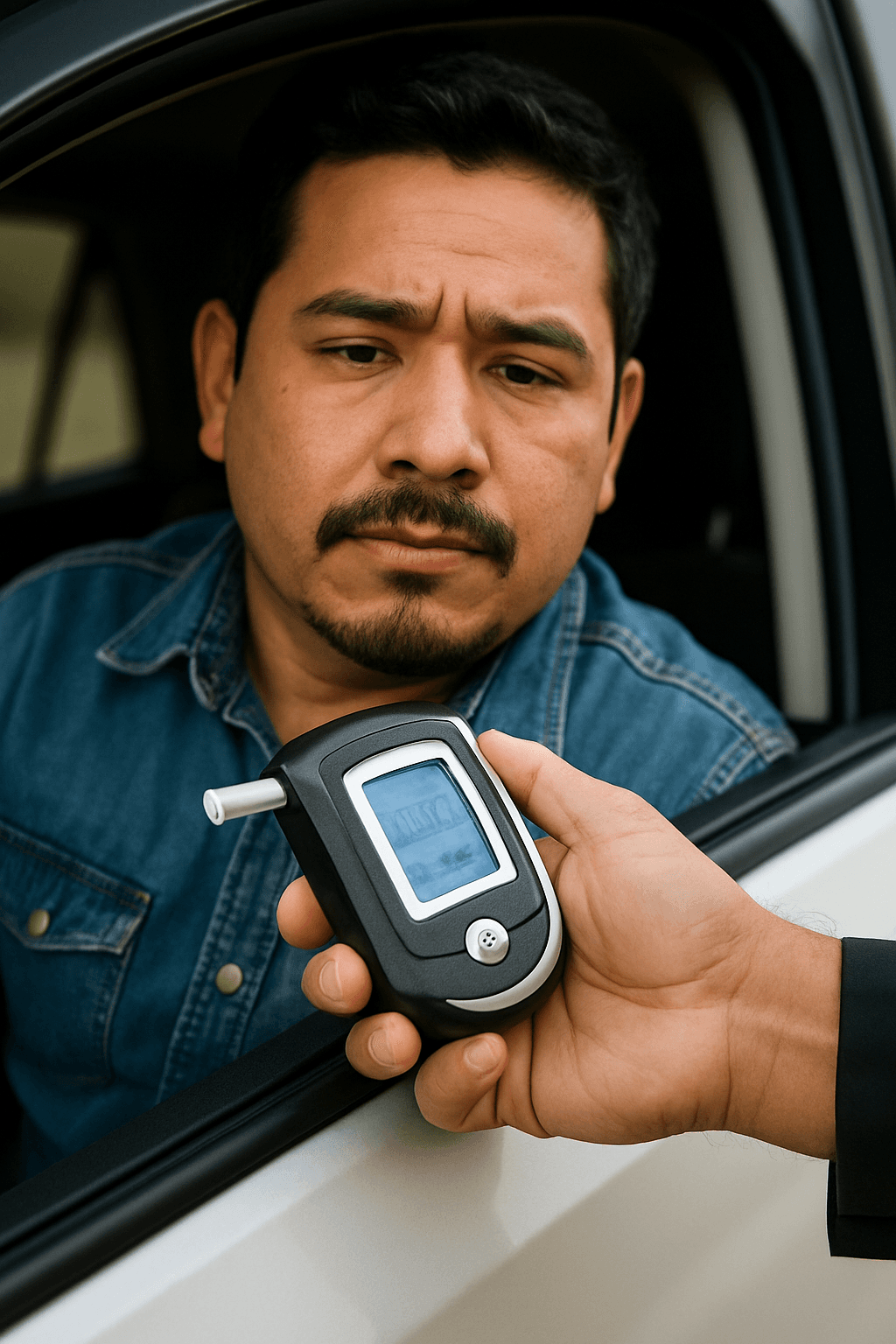
The IID requires a rolling retest every 5-15 minutes while the vehicle is running. Failed retests (breath alcohol content above 0.02%) trigger a violation report to the state, even if you weren't drinking. Common causes: mouthwash, breath spray, recent food with yeast or fermentation, acid reflux, or GERD. West Virginia's monitoring program flags three failed retests in 30 days as a violation. Two violations in six months typically result in hardship license revocation and IID extension.
You'll pay for monthly calibration appointments every 30-60 days, typically $50-$75 per visit. Missing a calibration appointment by more than 5 days locks the device into a countdown mode — you have 48-72 hours to get it calibrated or the vehicle won't start. West Virginia does not grant calibration extensions for work conflicts or travel. Schedule calibrations during your approved driving hours and treat them as non-negotiable.