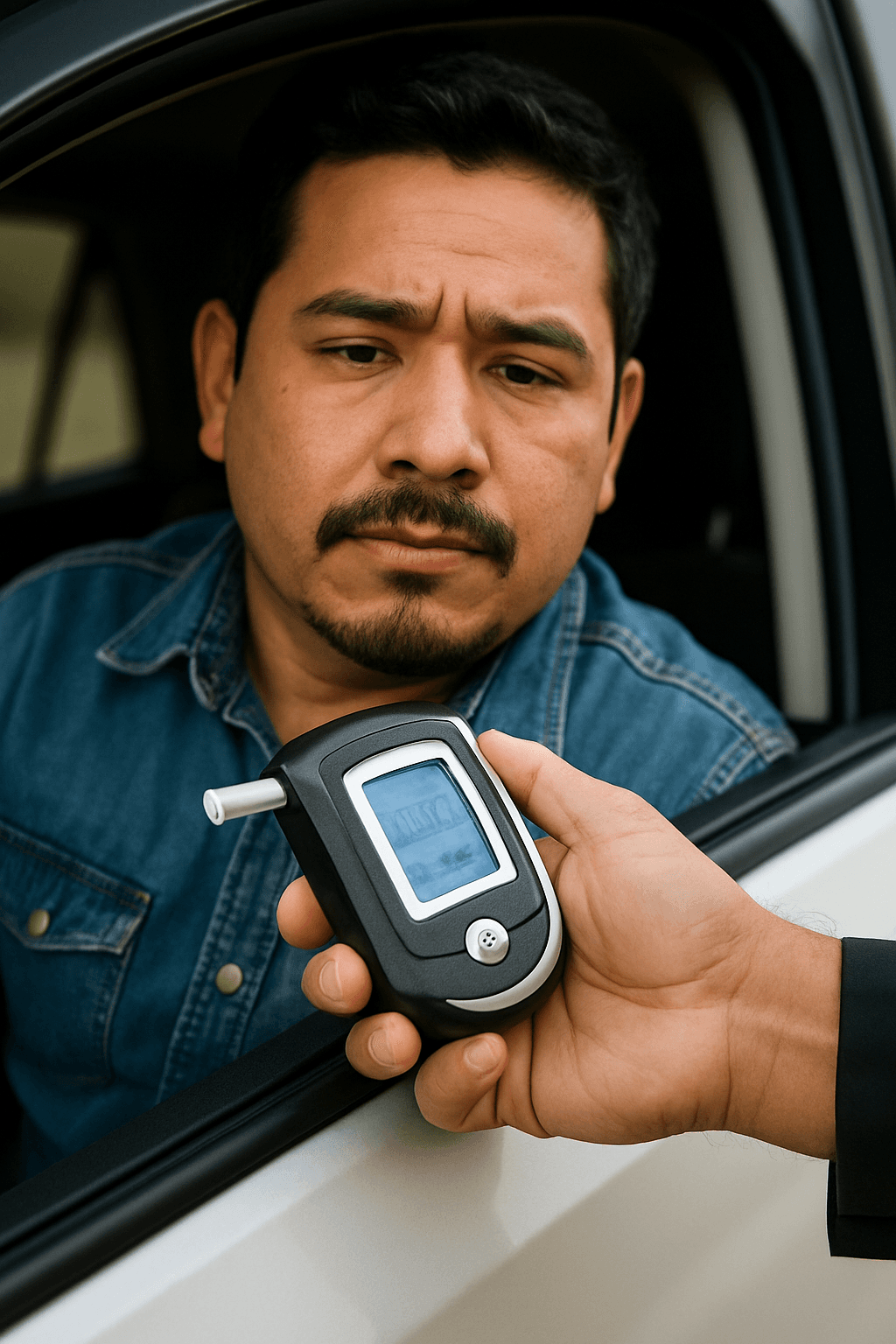
North Carolina requires IID installation before NCDMV issues your limited driving privilege. Installing the device after your hearing date can delay your license by weeks—here's how to time the process correctly.
Why IID Installation Timing Determines When You Actually Get to Drive
North Carolina requires ignition interlock device installation before NCDMV issues your limited driving privilege—not after. The court grants your hardship hearing, then you have 10 days to install the IID and submit NCDMV form IID-3 to the License and Theft Bureau. Only after NCDMV receives verified IID-3 documentation will they mail your physical limited driving privilege card. That process adds 7-14 days after your hearing date.
Most applicants assume the limited driving privilege is effective immediately after the judge approves it. It's not. The order grants permission for NCDMV to issue the privilege, contingent on IID compliance verification. If you wait until after your hearing to contact an IID installer, you're adding two weeks to your return-to-work timeline.
The installation window legally opens the day your hardship hearing is approved. Schedule the IID installation appointment for the same week as your hearing—ideally 2-3 days after your court date. This compresses the gap between court approval and physical license issuance to under one week in most counties.
What North Carolina's IID-3 Form Requires and Who Submits It
Form IID-3 is the IID Monitoring Device Certificate of Compliance. The installer completes it at the time of installation, documenting device serial number, installation date, vehicle VIN, and monitoring service provider. The installer submits IID-3 directly to NCDMV License and Theft Bureau within 3 business days of installation—you do not mail it yourself.
NCDMV processing time for IID-3 verification runs 5-10 business days from the date the bureau receives the form. Once verified, NCDMV mails your limited driving privilege card to the address on file. Total timeline from installation to card in hand: 10-14 days under normal processing conditions. Mecklenburg and Wake counties sometimes process faster; rural counties sometimes slower.
You can confirm IID-3 receipt by calling NCDMV License and Theft Bureau at 919-861-3896. Ask for IID compliance verification status using your driver license number and hearing date. If the form has not been received 5 business days after installation, contact your installer—late submission is the most common delay.
Compare car insurance rates in your state
Get quotes from licensed carriers — no obligation, no spam, results in minutes.
Get Your Free Quote✓ No Obligation Required✓ Licensed Carriers Only✓ Available Nationwide✓ Free to Compare
How to Schedule IID Installation Around Court and Employer Deadlines
Contact an IID installer before your hardship hearing. North Carolina-approved installers include Intoxalock, LifeSafer, Smart Start, and Guardian Interlock. Request a post-hearing installation appointment during your initial call—most installers will tentatively schedule you for 2-3 days after your hearing date, then confirm once the order is granted.
Bring your court order to the installation appointment. The installer needs the case number, offense date, and limited driving privilege effective date to complete IID-3 accurately. Installation takes 60-90 minutes and costs $75-$150 upfront, plus $60-$90/month monitoring fees. Payment is due at installation; most installers accept credit cards but not insurance assignment.
If your employer has given you a return-to-work deadline, calculate backward from that date. Add 10 business days for NCDMV processing, 3 days for installer IID-3 submission, and 1 day for installation. That's your latest possible hearing date. If your hearing is scheduled later than that window allows, file a motion to advance the hearing date based on employment hardship—most judges will accommodate if you provide employer documentation.
What Happens If You Install the Device Before Your Hearing Is Approved
Installing an IID before the court grants your limited driving privilege is legal but creates an unnecessary cost trap. The IID-3 form requires a court order number and limited driving privilege effective date—fields the installer cannot complete without an approved hearing order. If you install early, the installer will submit an incomplete IID-3, NCDMV will reject it, and you'll pay a second service call fee for the installer to resubmit corrected documentation.
Some installers will allow you to install the device before the hearing and delay IID-3 submission until you provide the court order. This avoids resubmission fees but extends your total timeline because the IID-3 clock doesn't start until after the hearing anyway. The only scenario where pre-hearing installation makes sense is if you're also applying for an ignition interlock license as an alternative to the limited driving privilege—a different DMV process with different timelines.
The optimal sequence: hardship hearing approved, IID installed within 3 days, IID-3 submitted by installer within 3 business days, NCDMV processes in 5-10 days, card mailed. Total elapsed time from hearing to driving legally: 11-16 days if you schedule proactively.
SR-22 Filing Requirement Runs Parallel to IID Compliance
North Carolina requires SR-22 filing for all limited driving privilege holders, separate from IID installation. SR-22 is proof of financial responsibility filed by your insurance carrier with NCDMV. You must have an active SR-22 on file before NCDMV will issue your limited driving privilege card—even if IID-3 documentation is already verified.
SR-22 filing timing is faster than IID compliance. Most carriers file electronically within 24-48 hours of policy purchase. NCDMV updates its SR-22 database daily. The filing requirement runs concurrent with IID compliance, not sequential, so purchasing SR-22 insurance the same week as your IID installation keeps both compliance tracks moving in parallel.
Carriers that write high-risk SR-22 policies in North Carolina include GAINSCO, Direct Auto, Dairyland, National Lloyds, and Acceptance. Monthly premiums for minimum liability with SR-22 endorsement typically run $110-$190/month for DUI-related suspensions. Add IID monitoring costs of $60-$90/month and the total compliance cost is $170-$280/month during your limited driving privilege period.
Violation Consequences Reset Your Entire Timeline
Driving before your limited driving privilege card is physically in your possession—even if your hearing was approved and IID is installed—is considered driving while license suspended in North Carolina. NCGS 20-28 treats it as a Class 1 misdemeanor with mandatory 12-month additional suspension and immediate revocation of your limited driving privilege.
The IID device itself monitors violations differently. Missed rolling retests, failed startup attempts, and tamper alerts are reported monthly to NCDMV. Three failed startup attempts in one monitoring period triggers a compliance review. NCDMV will schedule a violation hearing and may extend your IID requirement or revoke the limited driving privilege depending on violation frequency and BAC levels recorded.
Approved driving hours and routes are conditions of the privilege, not suggestions. Most limited driving privileges restrict you to work, medical appointments, court-ordered programs, and religious services during specified hours. Driving outside approved hours or purposes—even with the IID installed and SR-22 active—violates the court order and triggers revocation.