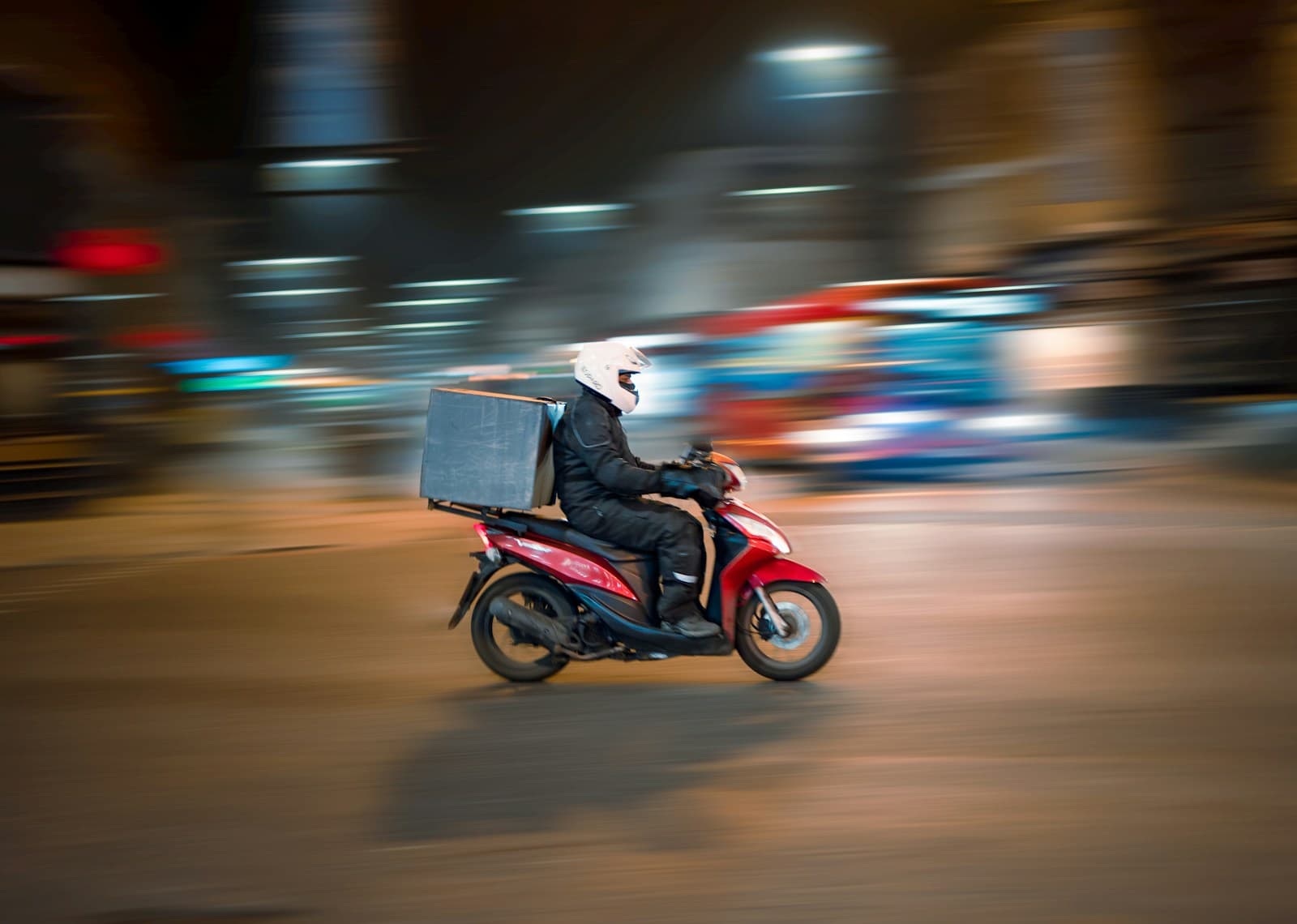
Idaho's restricted driving permit approves specific employer addresses and shift hours, but rideshare zones change hourly. Most drivers don't realize their ITD order can't legally cover variable pickup zones.
Why Idaho's Restricted Permit Structure Conflicts With Rideshare Work
Idaho Transportation Department issues restricted driving permits that specify approved destinations by street address. Your court order or ITD approval letter lists your home address, your employer's physical address, medical facilities, and sometimes childcare locations. Rideshare driving sends you to dozens of addresses daily that change based on ride requests.
The permit doesn't authorize driving within an approved radius or general service zone. It authorizes travel between listed addresses during approved hours. When you accept a ride request to an address not on your permit, you're operating outside your restriction even if the trip occurs during your approved driving window. Law enforcement treating this as driving without privileges is legally defensible under Idaho Code 18-8001.
Most drivers discover this conflict after approval when their rideshare company's insurance department reviews the restriction order and flags the address limitation. By that point you've paid the $27.50 restricted permit fee and potentially lost weeks of work waiting for ITD processing.
What Idaho Magistrate Courts Actually Approve for Employment Purposes
Idaho restricted permits approved for work purposes typically cover fixed employer locations: warehouse addresses, office buildings, retail sites, construction yards. The magistrate court or ITD administrative review expects your employer to provide a letter on company letterhead confirming your work address and shift schedule.
Rideshare platforms operate differently. Uber and Lyft don't have a single employment address you drive to daily. They provide app-based dispatch with service zones that span entire counties. When you apply for a restricted permit and list "Uber Technologies Inc" as your employer, the court asks for a work address. The platform's corporate headquarters in San Francisco doesn't satisfy Idaho's restriction structure, and local driver support hubs don't function as traditional worksites.
Some Ada County and Canyon County courts have denied rideshare-specific restricted permits on this basis. The denial isn't punitive—it reflects the structural incompatibility between Idaho's address-based restriction system and gig economy dispatch models that didn't exist when the statute was written.
Compare car insurance rates in your state
Get quotes from licensed carriers — no obligation, no spam, results in minutes.
Get Your Free Quote✓ No Obligation Required✓ Licensed Carriers Only✓ Available Nationwide✓ Free to Compare
The SR-22 Insurance Layer Most Rideshare Drivers Miss
Idaho requires SR-22 filing for DUI suspensions before restricted permit eligibility. Your carrier files Form SR-22 with ITD confirming you hold liability coverage at state minimum limits: $25,000 bodily injury per person, $50,000 per accident, $15,000 property damage. This costs approximately $15-$45 monthly beyond your base premium, depending on your violation history and carrier.
Rideshare driving adds a second insurance requirement most drivers don't anticipate. Personal auto policies exclude commercial activity. When you activate the rideshare app, your personal SR-22 policy stops covering you until you accept a ride and the platform's commercial policy activates. That gap—app on, no passenger assigned—creates an uninsured period that violates both your SR-22 filing requirement and the rideshare platform's insurance terms.
You need a personal policy with a rideshare endorsement or a commercial policy that covers app-active periods. Not all non-standard carriers offering SR-22 filing provide rideshare endorsements. Bristol West, Dairyland, and GAINSCO offer rideshare coverage in Idaho, but approval depends on your conviction date and driving record beyond the DUI. Expect premium increases of 40-80% when combining SR-22 filing with rideshare endorsement.
Alternative Work Arrangements Courts Do Approve
If rideshare driving was your primary income before suspension, consider whether delivery platforms with pre-routed assignments fit Idaho's restriction structure better. DoorDash, Instacart, and Amazon Flex operate in Boise, Meridian, Nampa, and Idaho Falls. These platforms assign specific pickup and delivery addresses before you accept the job.
You can list the restaurant or warehouse pickup zones in your restricted permit application as approved destinations. Delivery drop-off addresses still vary, creating the same legal gap rideshare presents, but magistrate courts have shown more flexibility when the employer provides geofenced service zone maps and the driver can demonstrate repeated delivery routes that fall within a definable area.
Fixed-route employment remains the safest path: shuttle services, medical transport companies with scheduled routes, delivery services with assigned territories. These employers provide the documentation Idaho courts expect—specific addresses, fixed schedules, supervisor contact information. If your DUI suspension allows restricted driving after a 30-day absolute suspension period, securing traditional employment before your hearing improves approval odds substantially.
What Happens If You Drive Rideshare on a Restricted Permit Anyway
Idaho State Police and county sheriff deputies can verify restricted permit terms during traffic stops by accessing your ITD record. If you're stopped while transporting a rideshare passenger to an address not listed on your permit, the stop becomes a driving without privileges charge under Idaho Code 18-8001. Conviction carries up to six months in jail and a $1,000 fine, though most first offenses result in extended suspension and additional fines.
Your restricted permit is revoked immediately. The underlying DUI suspension period doesn't pause during restricted driving—it runs concurrently. Losing your restricted permit halfway through a one-year suspension means you're without any driving privilege for the remainder, and ITD rarely grants a second restricted permit after a violation.
Rideshare platforms conduct periodic background checks that flag new violations. A driving without privileges conviction while working for Uber or Lyft typically results in immediate deactivation. You lose both the restricted permit and the platform access, eliminating the income you were trying to preserve.
The Cost Stack Before You Apply
Idaho's restricted permit application fee is $27.50, paid to ITD when you file. If you're applying through magistrate court rather than administrative review, expect a petition filing fee of approximately $50-$75 depending on county. Many drivers hire attorneys for hardship hearings; Ada County DUI attorneys typically charge $500-$1,200 for restricted permit representation.
SR-22 filing is mandatory for DUI suspensions. Non-standard carriers like The General, Acceptance, and Safe Auto provide SR-22 coverage in Idaho with monthly premiums typically ranging $140-$240 for minimum liability limits post-DUI. Adding a rideshare endorsement increases that by approximately $60-$110 monthly. Over a one-year restriction period, total SR-22 and rideshare endorsement cost runs $2,400-$4,200.
Ignition interlock device installation is required for all Idaho DUI restricted permits. Installation costs $75-$150, monthly monitoring and calibration fees run $70-$100, and removal fees are $50-$75. Total IID cost over 12 months: approximately $1,000-$1,400. Combined with SR-22 premiums, rideshare endorsement, and court fees, you're budgeting $4,000-$6,000 to maintain restricted driving privilege for rideshare work that Idaho courts may not approve.