Colorado requires ignition interlock devices for most DUI-related restricted licenses. Total monthly cost runs $70–$120 after a $100–$200 installation fee, with removal fees adding another $50–$100 at the end of your monitoring period.
What You'll Pay for IID Installation in Colorado
Installation fees in Colorado range from $100 to $200 depending on the certified vendor and your vehicle type. The vendor mounts the device to your ignition system, calibrates it to state specifications, and trains you on proper breath sample technique during a single appointment that typically takes 60–90 minutes.
Colorado requires all IID vendors to hold state certification through the Division of Criminal Justice, but certification does not standardize pricing. Vendors set their own installation fees, and the difference between the lowest and highest certified installer in the same metro area often exceeds $75. Most applicants select a vendor based on DMV office proximity or the first name on the court's vendor list rather than comparing total program cost across all certified options.
Vehicle-specific factors affect installation complexity and cost. Diesel engines, push-button ignition systems, and certain hybrid models require additional calibration time and may trigger surcharges of $25–$50 above the base installation fee.
Monthly Monitoring and Calibration Costs
Monthly monitoring fees run $70 to $120 in Colorado, covering device lease, data reporting to the DMV, and required monthly calibration appointments. This fee recurs for the entire duration of your court-ordered or DMV-mandated IID period, which ranges from 8 months for a first-offense DUI with BAC under 0.15% to 24+ months for repeat offenses or aggravated cases.
The monitoring fee breaks into three components: device lease ($40–$70/month), data transmission and DMV reporting ($15–$25/month), and calibration service ($15–$25/month). Colorado mandates monthly in-person calibration to verify device accuracy and download breath test data. Missing a calibration appointment triggers a lockout violation and extends your monitoring period.
Vendor pricing varies significantly within the certified network. A driver on a 12-month IID requirement paying $120/month versus $70/month will spend an additional $600 over the monitoring period for functionally identical state-mandated service. The state's certified vendor list is published on the Colorado Division of Criminal Justice website, and every vendor must meet the same performance and reporting standards regardless of price.
Compare car insurance rates in your state
Get quotes from licensed carriers — no obligation, no spam, results in minutes.
Get Your Free Quote✓ No Obligation Required✓ Licensed Carriers Only✓ Available Nationwide✓ Free to Compare
Removal Fees and Final Costs
Removal fees in Colorado range from $50 to $100 when your monitoring period ends and the court or DMV issues a removal authorization. The vendor uninstalls the device, verifies your ignition system is restored to original condition, and submits final compliance documentation to the DMV within 5 business days.
You cannot remove the device yourself or use a non-certified mechanic. Colorado law requires the same certified vendor that installed your IID to perform the removal and file the completion report. Attempting unauthorized removal or tampering with the device during your monitoring period triggers immediate restricted license revocation and typically adds 6–12 months to your underlying suspension.
Budget for the full cost stack when planning for restricted license reinstatement. A driver on a 12-month IID requirement with $150 installation, $85/month monitoring, and $75 removal will pay $1,245 in total IID costs before accounting for SR-22 filing, court fees, or reinstatement fees.
How IID Costs Interact with Colorado Restricted License Requirements
Colorado calls the restricted driving privilege a restricted license, available after a minimum 30-day hard suspension for first-offense DUI or 60+ days for repeat offenses or high-BAC cases. The DMV grants the restricted license administratively — no hardship hearing required — but approval is conditional on IID installation, SR-22 filing, and completion of Level II alcohol education.
Approved purposes under Colorado's restricted license include work, education, medical appointments, court-ordered treatment, and child care. The license does not restrict specific routes or hours, but every trip must begin and end at your registered home address, and the IID logs every ignition event with GPS data the DMV can audit. Deviation from approved purposes is a violation that revokes the restricted license and extends your suspension.
The IID requirement begins on the date your restricted license is issued and runs concurrently with your total suspension period. A driver with a 9-month suspension who installs an IID after the 30-day hard suspension and receives a restricted license will complete 8 months of monitored driving. The IID must remain installed until the DMV issues a removal authorization, which typically occurs 3–5 business days after your full suspension period ends and final compliance documentation is verified.
SR-22 Filing and Non-Standard Insurance Costs with an IID
Colorado requires SR-22 filing for the entire duration of your restricted license period and typically 2 additional years after your full driving privilege is restored. The SR-22 is a continuous liability certification filed by your insurance carrier directly with the DMV. Letting your policy lapse even one day resets your filing clock to zero and revokes your restricted license immediately.
Non-standard carriers that write IID-equipped drivers in Colorado include Bristol West, Dairyland, Direct Auto, GAINSCO, The General, and Kemper. Monthly premiums for minimum liability coverage with SR-22 filing and an active IID requirement typically run $140–$240/month depending on your violation history, age, and county. A DUI triggers a 70–130% rate increase over your pre-violation premium, and the IID requirement adds an additional underwriting surcharge of 15–25% at most carriers.
Carrier availability narrows significantly with an active IID. Many standard and preferred carriers (State Farm, Allstate, Farmers) will not write new policies for drivers under court-ordered IID monitoring. Most restricted license holders work with non-standard carriers or high-risk specialists that offer month-to-month policies with no down payment or cancellation penalty, which allows you to switch carriers mid-monitoring period if a lower rate becomes available.
What Happens If You Miss a Calibration or Fail a Rolling Retest
Missing a required monthly calibration appointment triggers a lockout violation in Colorado. The device enters a grace period mode that allows 3–5 additional startup attempts over 48–72 hours, then locks your ignition completely until you complete calibration and the vendor clears the violation. The DMV receives an automated noncompliance report, which typically extends your monitoring period by 30–60 days depending on whether this is your first violation.
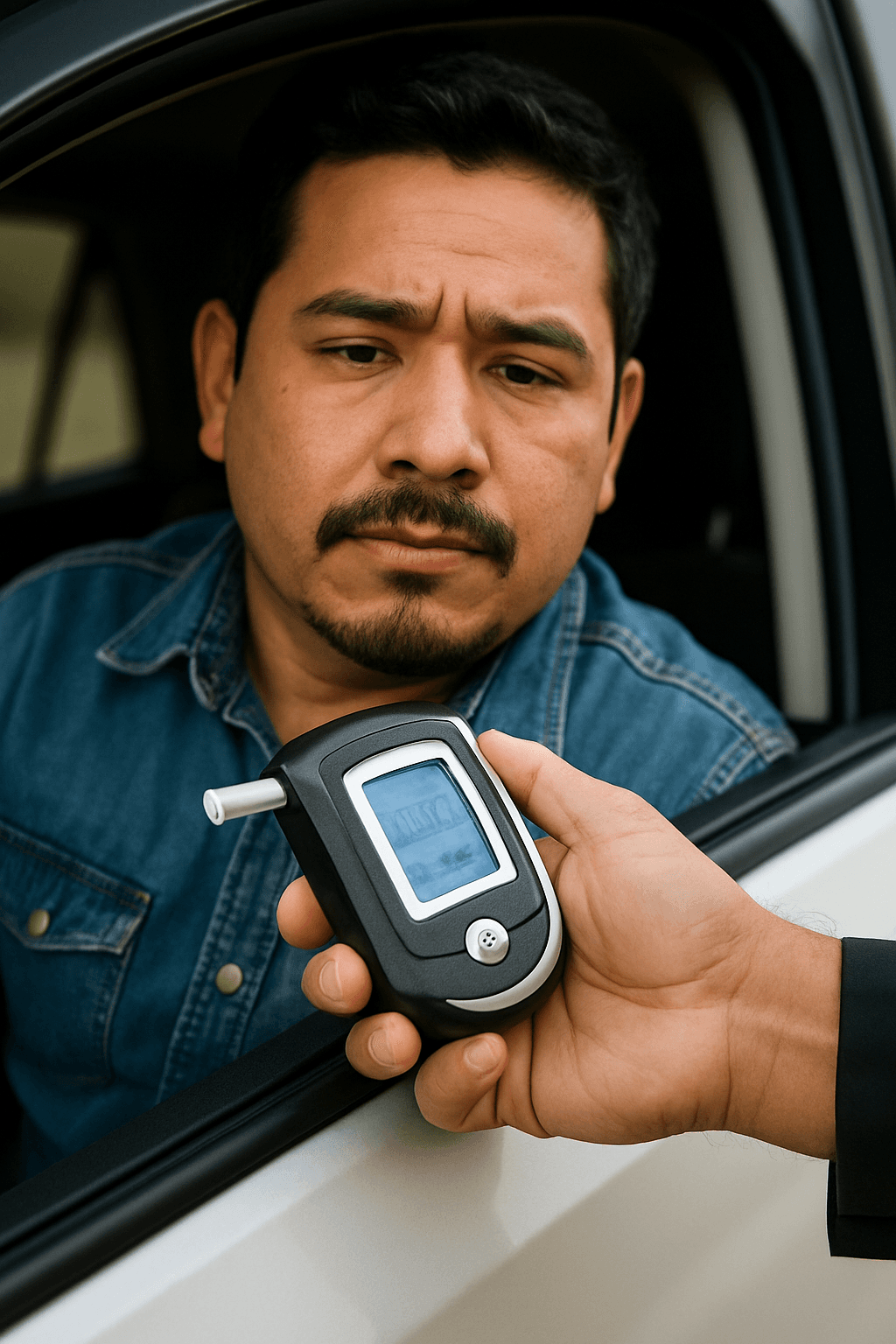
Rolling retests occur at random intervals while you're driving, typically every 5–30 minutes after startup. Colorado-certified devices provide a 6-minute warning tone before requiring a breath sample. You must pull over safely and provide the sample within the warning window. Failing a rolling retest (BAC above 0.02%) does not shut off your engine, but it triggers your hazard lights, horn, and headlights until you turn off the ignition, and the violation is reported to the DMV within 24 hours.
Three failed rolling retests or two missed calibrations within a 60-day period typically result in restricted license revocation and an additional 90–180 days added to your underlying suspension. The DMV does not require a hearing to revoke based on IID noncompliance data — the vendor's electronic report is considered sufficient evidence of violation.
Comparing Total Cost Across Colorado's Certified IID Vendors
Colorado maintains a certified vendor list updated quarterly and available through the Division of Criminal Justice and most county DMV offices. As of current state requirements, certified vendors include Intoxalock, Smart Start, LifeSafer, Guardian Interlock, and Low Cost Interlock, among others. Pricing is not regulated, and vendors compete on convenience, customer service, and metro-area coverage rather than cost alone.
To calculate total program cost, request a written quote from at least three certified vendors covering installation, monthly monitoring, and removal fees for your specific monitoring duration. A driver on a 12-month requirement comparing a vendor charging $100 installation + $70/month + $50 removal ($990 total) against a vendor charging $150 installation + $100/month + $75 removal ($1,425 total) will pay $435 more for the higher-cost option with no difference in state reporting, device performance, or compliance outcomes.
Vendor location matters for calibration convenience. Colorado requires monthly in-person calibration, and most vendors operate service centers in Denver, Colorado Springs, Aurora, Fort Collins, and Pueblo. Choosing a vendor with a calibration center near your workplace or home address reduces the risk of missed appointments and the associated lockout violations that extend your monitoring period.